

Maggiori informazioni sul libro
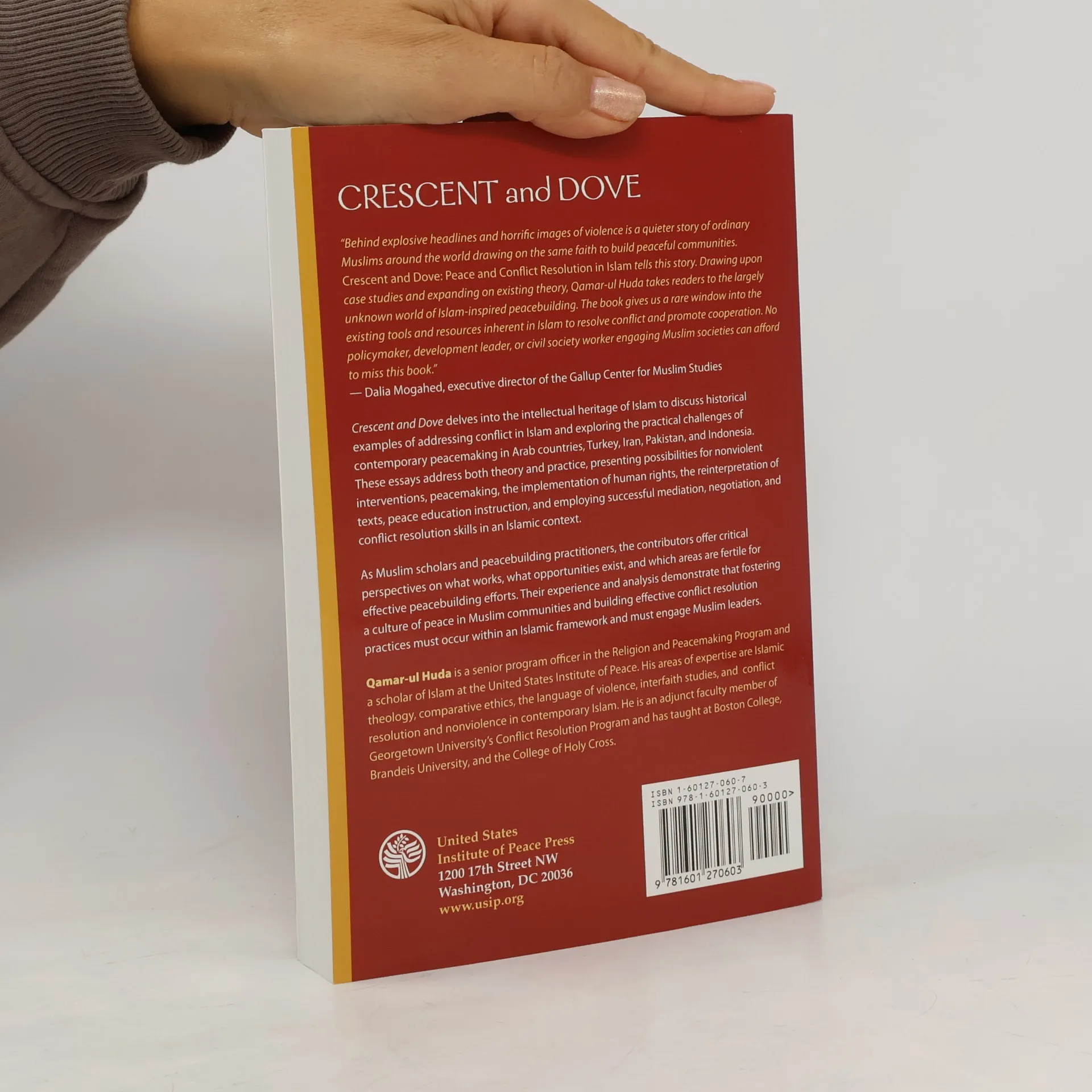
In light of the significant focus on extremist movements and fundamentalist Islam, the exploration of peacemaking and conflict resolution within Muslim communities is particularly relevant. This work examines the connection between contemporary Islam and peacemaking by addressing the varied interpretations, concepts, and challenges in Islamic peacemaking. Islamic law emphasizes the preservation of life, and while peacemaking efforts are prevalent in Muslim communities, advocates of nonviolence and traditional conflict resolution face considerable obstacles. Contributors, who are Muslim scholars and peacebuilding practitioners, provide insights into effective strategies, opportunities, and areas ripe for peacebuilding. Their experiences highlight the necessity of fostering a culture of peace within an Islamic framework and engaging Muslim leaders. The text discusses both theoretical and practical aspects by exploring Islam's intellectual heritage, historical conflict resolution examples, and the contemporary challenges of peacemaking in regions such as Arab countries, Turkey, Iran, Pakistan, and Indonesia. These essays present innovative approaches for nonviolent interventions, human rights implementation, text reinterpretation, peace education, and the application of mediation, negotiation, and conflict resolution skills in an Islamic context.
Acquisto del libro
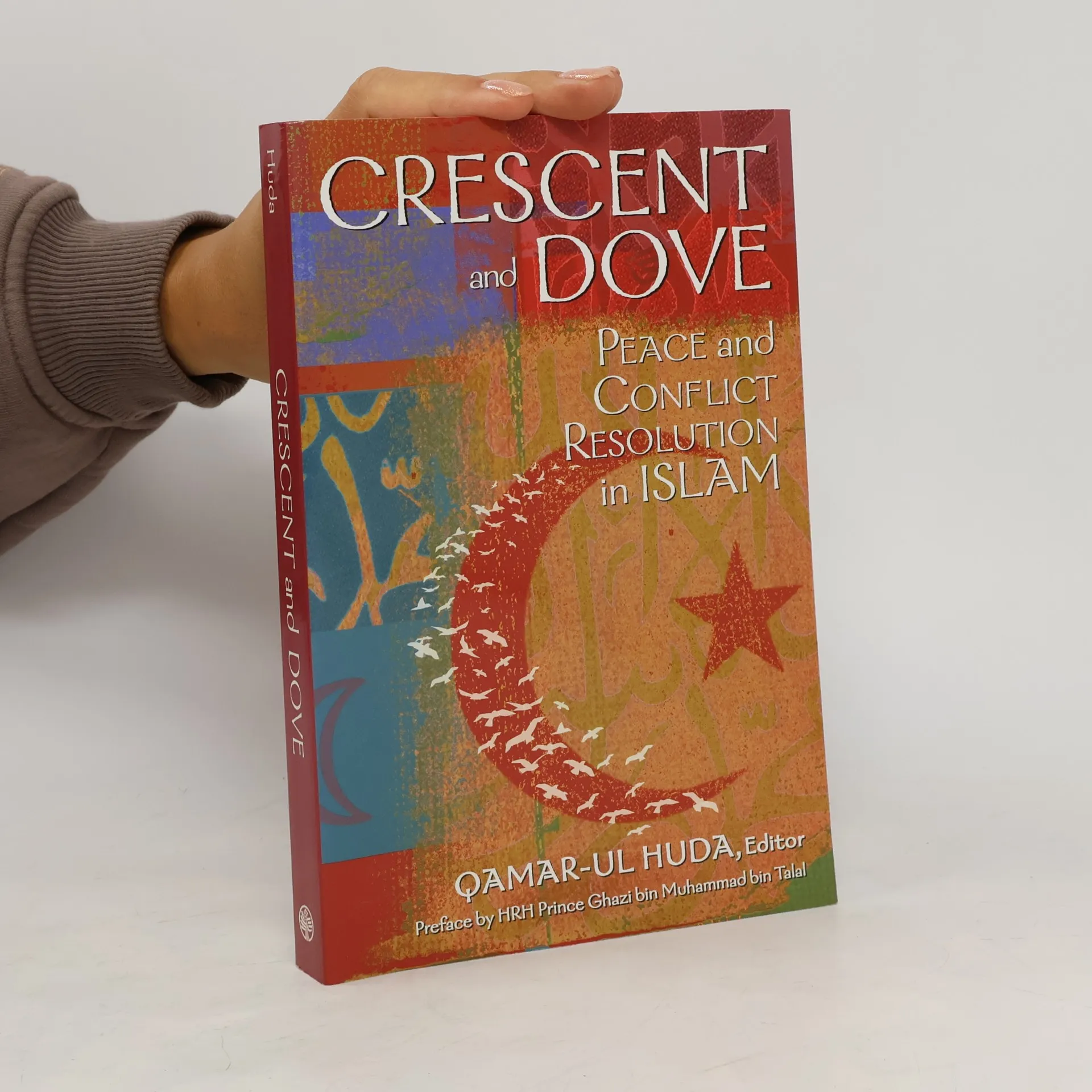
Crescent and Dove, Qamar-ul Huda, HRH Prince Ghazi bin Muhammad bin Talal
- Lingua

- Pubblicato
- 2010
- Rilegatura
- (In brossura),
- Condizioni del libro
- In ottime condizioni
- Prezzo
- 7,49 €
Metodi di pagamento
Ancora nessuna valutazione.
- Titolo
- Crescent and Dove
- Sottotitolo
- Peace and Conflict Resolution in Islam
- Lingua
- Inglese
- Pubblicato
- 2010
- Formato
- In brossura
- Pagine
- 336
- ISBN10
- 1601270607
- ISBN13
- 9781601270603
- Serie
- Tag
- Manuali e guide, USA, Relazioni, Pace, Conflitti
- Descrizione
- In light of the significant focus on extremist movements and fundamentalist Islam, the exploration of peacemaking and conflict resolution within Muslim communities is particularly relevant. This work examines the connection between contemporary Islam and peacemaking by addressing the varied interpretations, concepts, and challenges in Islamic peacemaking. Islamic law emphasizes the preservation of life, and while peacemaking efforts are prevalent in Muslim communities, advocates of nonviolence and traditional conflict resolution face considerable obstacles. Contributors, who are Muslim scholars and peacebuilding practitioners, provide insights into effective strategies, opportunities, and areas ripe for peacebuilding. Their experiences highlight the necessity of fostering a culture of peace within an Islamic framework and engaging Muslim leaders. The text discusses both theoretical and practical aspects by exploring Islam's intellectual heritage, historical conflict resolution examples, and the contemporary challenges of peacemaking in regions such as Arab countries, Turkey, Iran, Pakistan, and Indonesia. These essays present innovative approaches for nonviolent interventions, human rights implementation, text reinterpretation, peace education, and the application of mediation, negotiation, and conflict resolution skills in an Islamic context.