

Parametri
- 217pagine
- 8 ore di lettura
Maggiori informazioni sul libro
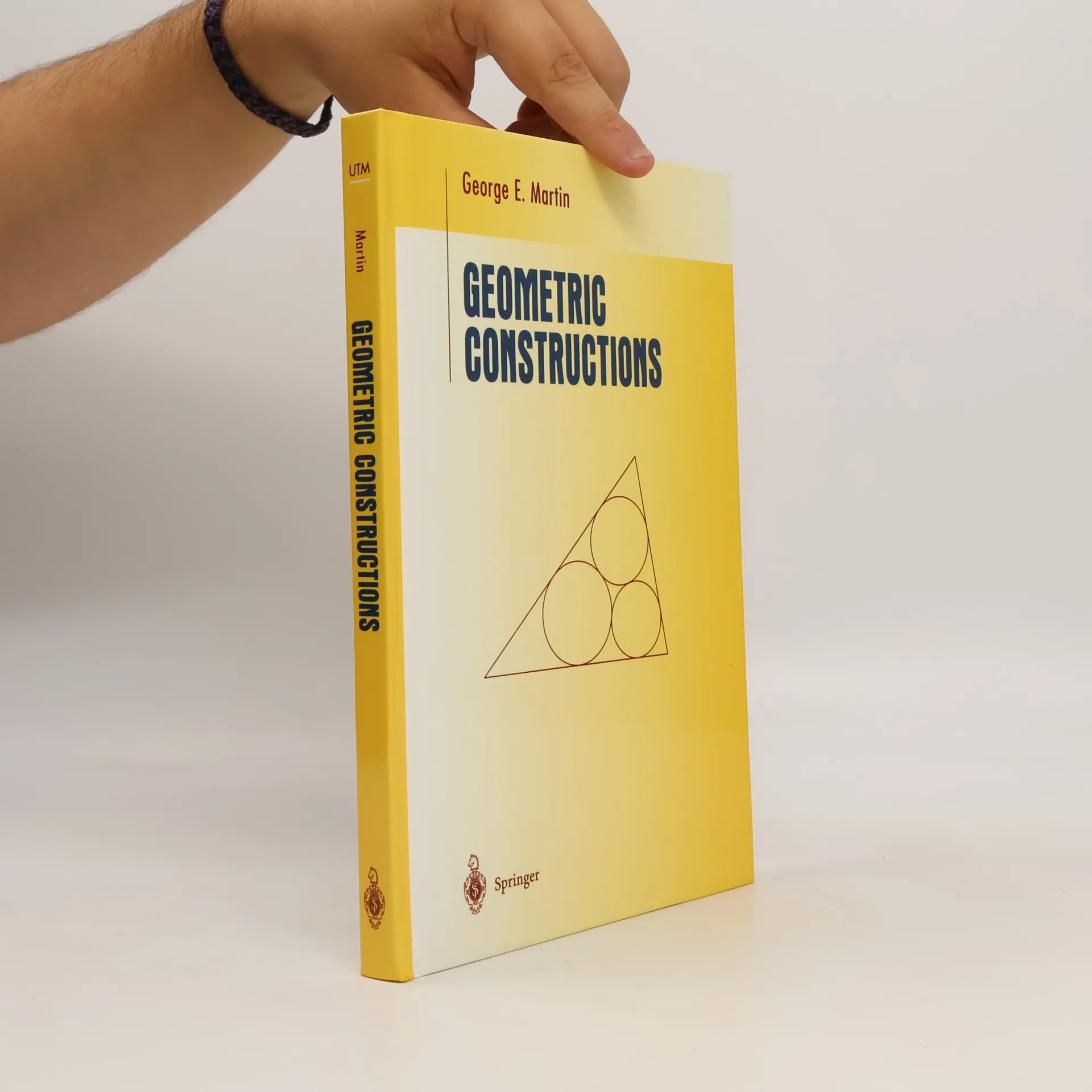
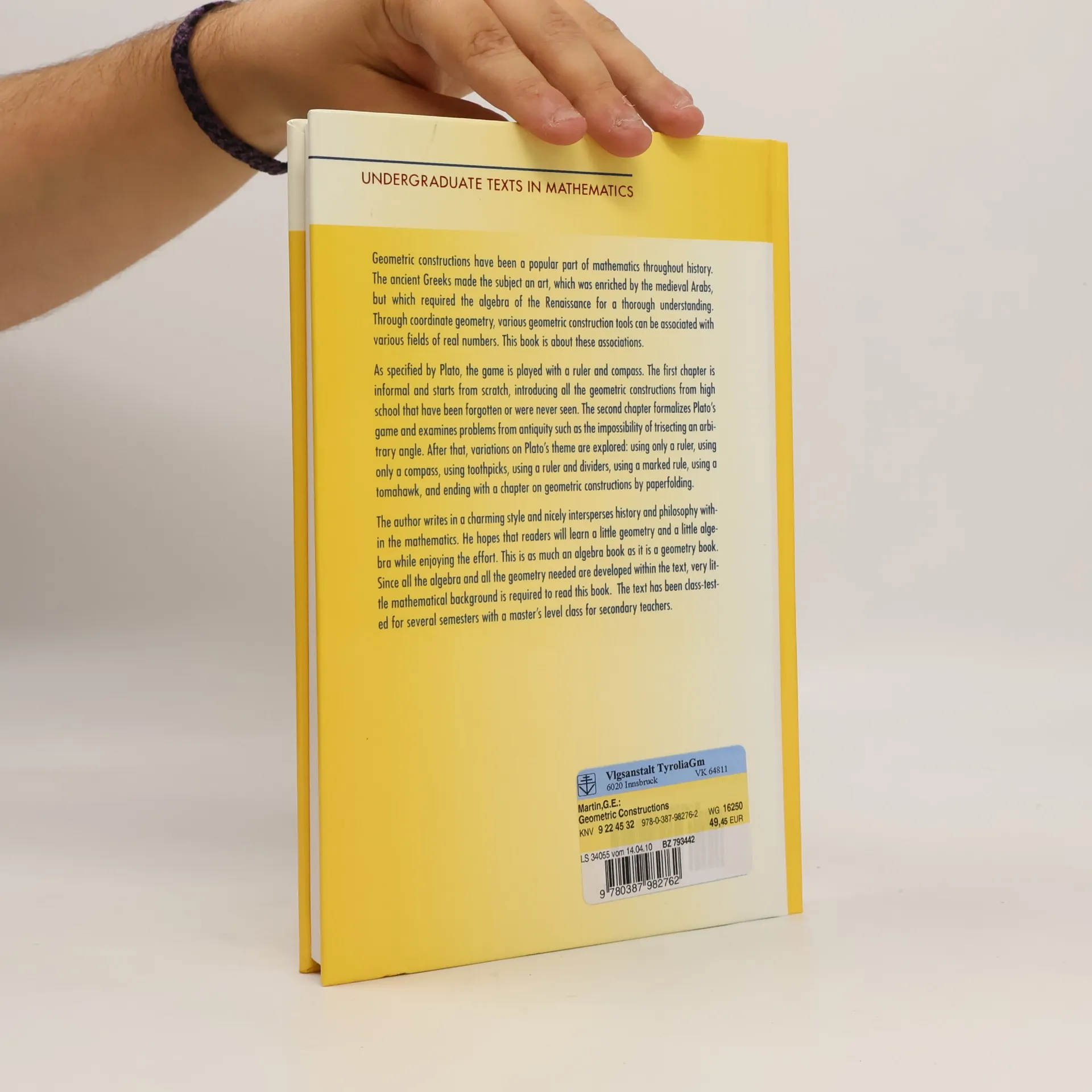
Geometric constructions have been a popular part of mathematics throughout history. The first chapter here is informal and starts from scratch, introducing all the geometric constructions from high school that have been forgotten or were never learned. The second chapter formalises Plato's game, and examines problems from antiquity such as the impossibility of trisecting an arbitrary angle. After that, variations on Plato's theme are using only a ruler, a compass, toothpicks, a ruler and dividers, a marked rule, or a tomahawk, ending in a chapter on geometric constructions by paperfolding. The author writes in a charming style and nicely intersperses history and philosophy within the mathematics, teaching a little geometry and a little algebra along the way. This is as much an algebra book as it is a geometry book, yet since all the algebra and geometry needed is developed within the text, very little mathematical background is required. This text has been class tested for several semesters with a master's level class for secondary teachers.
Acquisto del libro
Undergraduate Texts in Mathematics: Geometric Constructions, George Edward Martin
- Lingua

- Pubblicato
- 1998
- Rilegatura
- (Copertina rigida),
- Condizioni del libro
- In ottime condizioni
- Prezzo
- 23,99 €
Metodi di pagamento
Ancora nessuna valutazione.
- Titolo
- Undergraduate Texts in Mathematics: Geometric Constructions
- Lingua
- Inglese
- Autori
- George Edward Martin
- Editore
- Springer
- Pubblicato
- 1998
- Formato
- Copertina rigida
- Pagine
- 217
- ISBN10
- 0387982760
- ISBN13
- 9780387982762
- Serie
- Categoria
- Descrizione
- Geometric constructions have been a popular part of mathematics throughout history. The first chapter here is informal and starts from scratch, introducing all the geometric constructions from high school that have been forgotten or were never learned. The second chapter formalises Plato's game, and examines problems from antiquity such as the impossibility of trisecting an arbitrary angle. After that, variations on Plato's theme are using only a ruler, a compass, toothpicks, a ruler and dividers, a marked rule, or a tomahawk, ending in a chapter on geometric constructions by paperfolding. The author writes in a charming style and nicely intersperses history and philosophy within the mathematics, teaching a little geometry and a little algebra along the way. This is as much an algebra book as it is a geometry book, yet since all the algebra and geometry needed is developed within the text, very little mathematical background is required. This text has been class tested for several semesters with a master's level class for secondary teachers.