

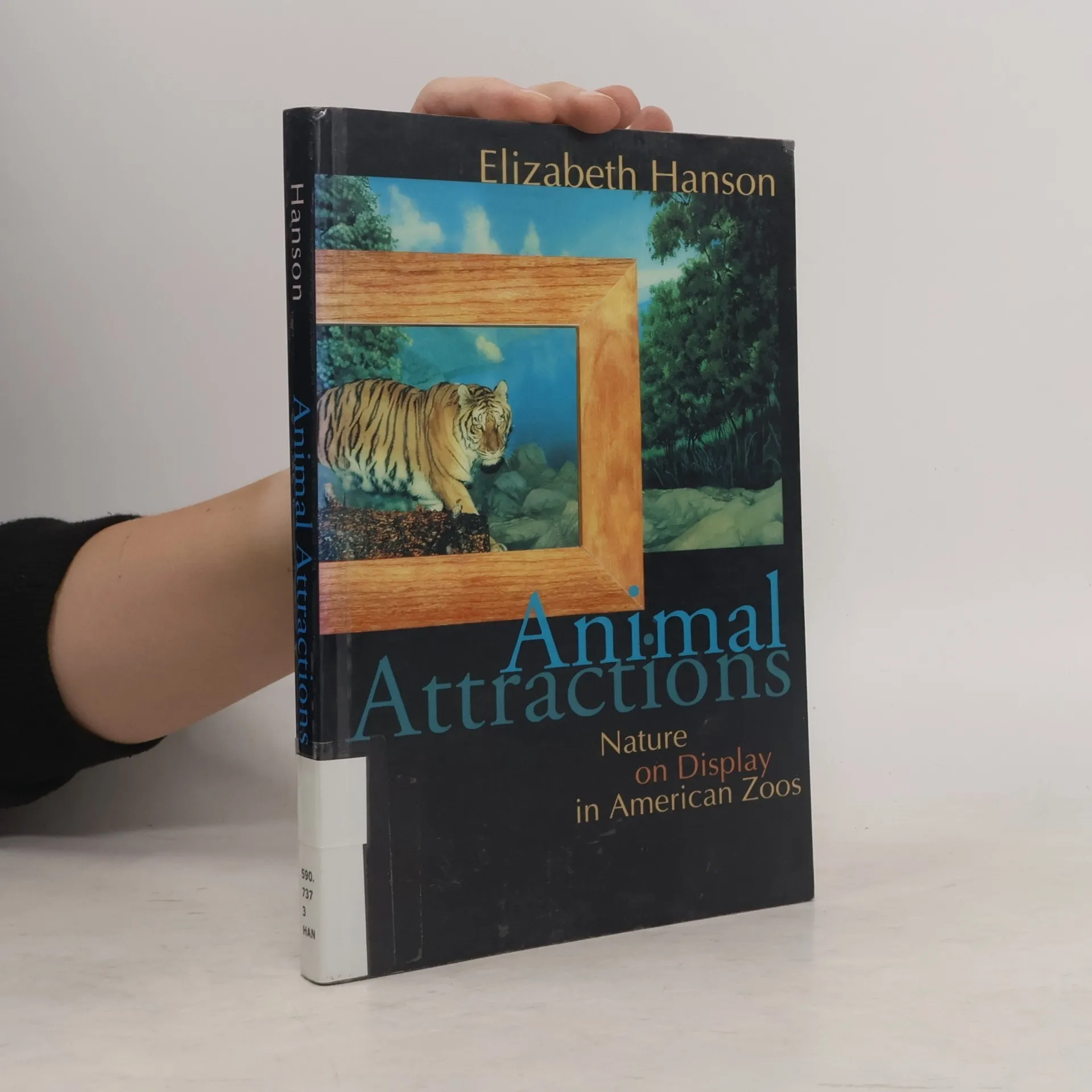



Maggiori informazioni sul libro
On a rainy day in May 1988, a lowland gorilla named Willie B. stepped outdoors for the first time in twenty-seven years, into a new landscape immersion exhibit. Born in Africa, Willie B. had been captured by an animal collector and sold to a zoo. During the decades he spent in a cage, zoos stopped collecting animals from the wild and Americans changed the ways they wished to view animals in the zoo. Zoos developed new displays to simulate landscapes like the Amazon River basin and African forests. Exhibits similar to animals' natural habitats began to replace old-fashioned animal houses.But such displays are only the most recent effort of zoos to present their audiences with an authentic experience of nature. Since the first zoological park opened in the United States in Philadelphia in 1874, zoos have promised their visitors a journey into the natural world. And for more than a century they have been popular places for education and every year more than 130 million Americans go to zoos to look at the animals and enjoy a day outdoors.The first book-length history of American zoos, Animal Attractions examines the meaning of nature in the city by looking at the ways zoos have assembled and displayed their animal collections. Situated literally and culturally in the American middle landscape, zoos are concrete expressions of longstanding tensions between wildness and civilization, science and popular culture, education and entertainment. In their efforts to promote nature appreciation, they reveal much about how our culture envisions the natural world and the human place in it and how these ideas have changed.
Acquisto del libro
Animal Attractions, Elizabeth Hanson
- Lingua

- Pubblicato
- 2004
- Rilegatura
- (In brossura),
- Condizioni del libro
- Danneggiato
- Prezzo
- 8,50 €
Metodi di pagamento
Ancora nessuna valutazione.
- Titolo
- Animal Attractions
- Sottotitolo
- Nature on Display in American Zoos
- Lingua
- Inglese
- Autori
- Elizabeth Hanson
- Editore
- Princeton University Press
- Pubblicato
- 2004
- Formato
- In brossura
- Pagine
- 256
- ISBN10
- 0691117705
- ISBN13
- 9780691117706
- Serie
- Categoria
- Tag
- Tema stórico, Natura, Tematica filosofica, Animali, Scienza, USA, Zoologia, Storia della Scienza, Filosofia della scienza
- Descrizione
- On a rainy day in May 1988, a lowland gorilla named Willie B. stepped outdoors for the first time in twenty-seven years, into a new landscape immersion exhibit. Born in Africa, Willie B. had been captured by an animal collector and sold to a zoo. During the decades he spent in a cage, zoos stopped collecting animals from the wild and Americans changed the ways they wished to view animals in the zoo. Zoos developed new displays to simulate landscapes like the Amazon River basin and African forests. Exhibits similar to animals' natural habitats began to replace old-fashioned animal houses.But such displays are only the most recent effort of zoos to present their audiences with an authentic experience of nature. Since the first zoological park opened in the United States in Philadelphia in 1874, zoos have promised their visitors a journey into the natural world. And for more than a century they have been popular places for education and every year more than 130 million Americans go to zoos to look at the animals and enjoy a day outdoors.The first book-length history of American zoos, Animal Attractions examines the meaning of nature in the city by looking at the ways zoos have assembled and displayed their animal collections. Situated literally and culturally in the American middle landscape, zoos are concrete expressions of longstanding tensions between wildness and civilization, science and popular culture, education and entertainment. In their efforts to promote nature appreciation, they reveal much about how our culture envisions the natural world and the human place in it and how these ideas have changed.