

Maggiori informazioni sul libro
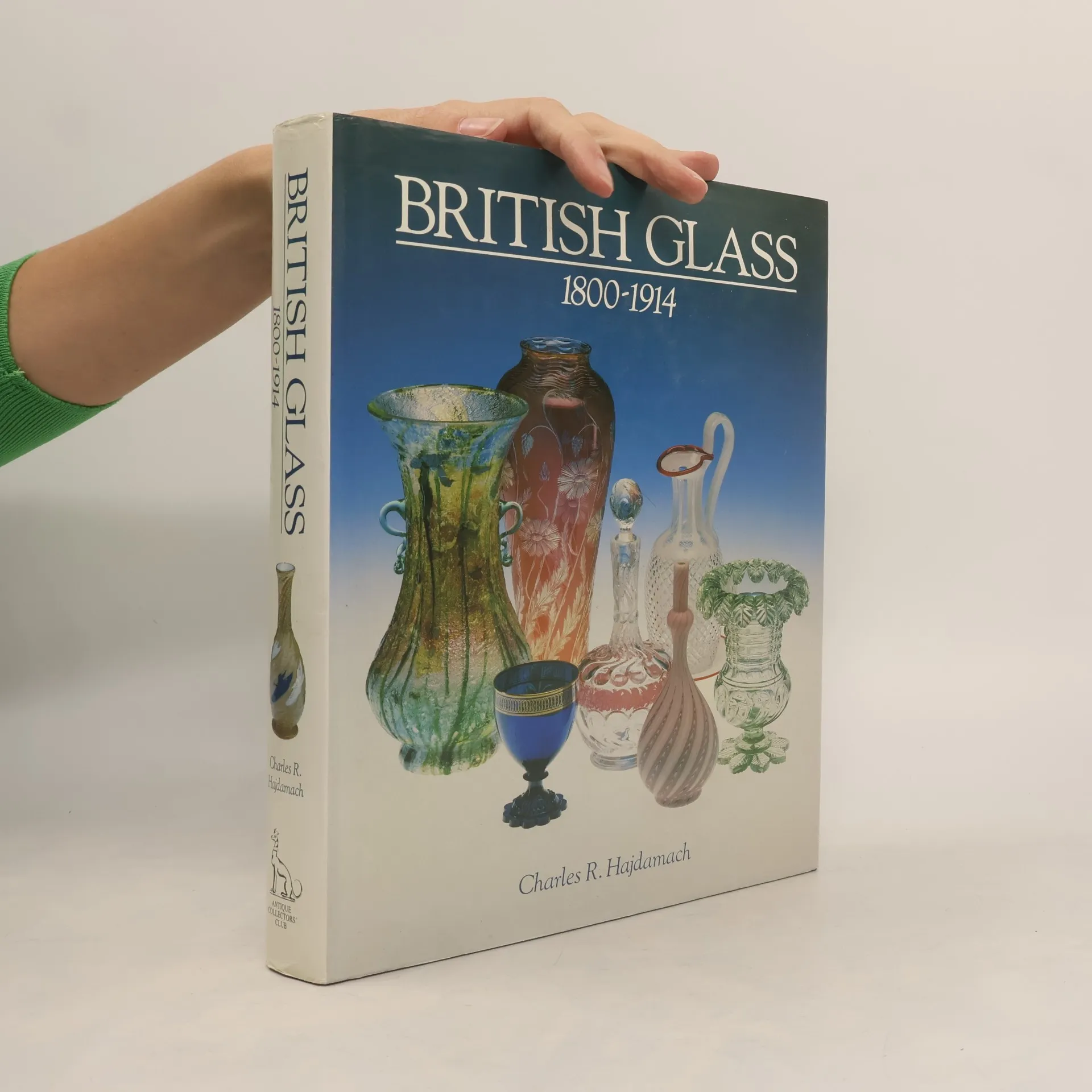
During the nineteenth century major European glassmaking centres exerted strong influences on British glassmakers. The reaction of Bohemian glassmakers to Regency cut glass led to the development of coloured glassware which was immediately copied in turn by English glassmakers and exhibited in all its glory at the Crystal Palace Exhibition of 1851. In the second half of the century the great glassmaking tradition of Venice influenced important glassmakers of the calibre of Apsley Pellatt, John Northwood and Harry Powell. The prosperity of Victorian England attracted Bohemian engravers, French enamellers and gilders who played a vital role in establishing this period of manufacture as the Golden Age of glassmaking. This major publication has established itself as the standard work on nineteenth century British glass. In addition to cut, engraved, cameo and etched glass, the information on personalities, working conditions and the operations of the glasshouse gives the collector an all-round view of
Acquisto del libro
British Glass 1800-1914, Charles R. Hajdamach
- Lingua

- Pubblicato
- 1991
- Rilegatura
- (Copertina rigida),
- Condizioni del libro
- In buone condizioni
- Prezzo
- 18,99 €
Metodi di pagamento
Ancora nessuna valutazione.
- Titolo
- British Glass 1800-1914
- Lingua
- Inglese
- Autori
- Charles R. Hajdamach
- Editore
- Antique Collectors Club Dist
- Pubblicato
- 1991
- Formato
- Copertina rigida
- Pagine
- 466
- ISBN10
- 1851491414
- ISBN13
- 9781851491414
- Serie
- Descrizione
- During the nineteenth century major European glassmaking centres exerted strong influences on British glassmakers. The reaction of Bohemian glassmakers to Regency cut glass led to the development of coloured glassware which was immediately copied in turn by English glassmakers and exhibited in all its glory at the Crystal Palace Exhibition of 1851. In the second half of the century the great glassmaking tradition of Venice influenced important glassmakers of the calibre of Apsley Pellatt, John Northwood and Harry Powell. The prosperity of Victorian England attracted Bohemian engravers, French enamellers and gilders who played a vital role in establishing this period of manufacture as the Golden Age of glassmaking. This major publication has established itself as the standard work on nineteenth century British glass. In addition to cut, engraved, cameo and etched glass, the information on personalities, working conditions and the operations of the glasshouse gives the collector an all-round view of