

Parametri
- 312pagine
- 11 ore di lettura
Maggiori informazioni sul libro
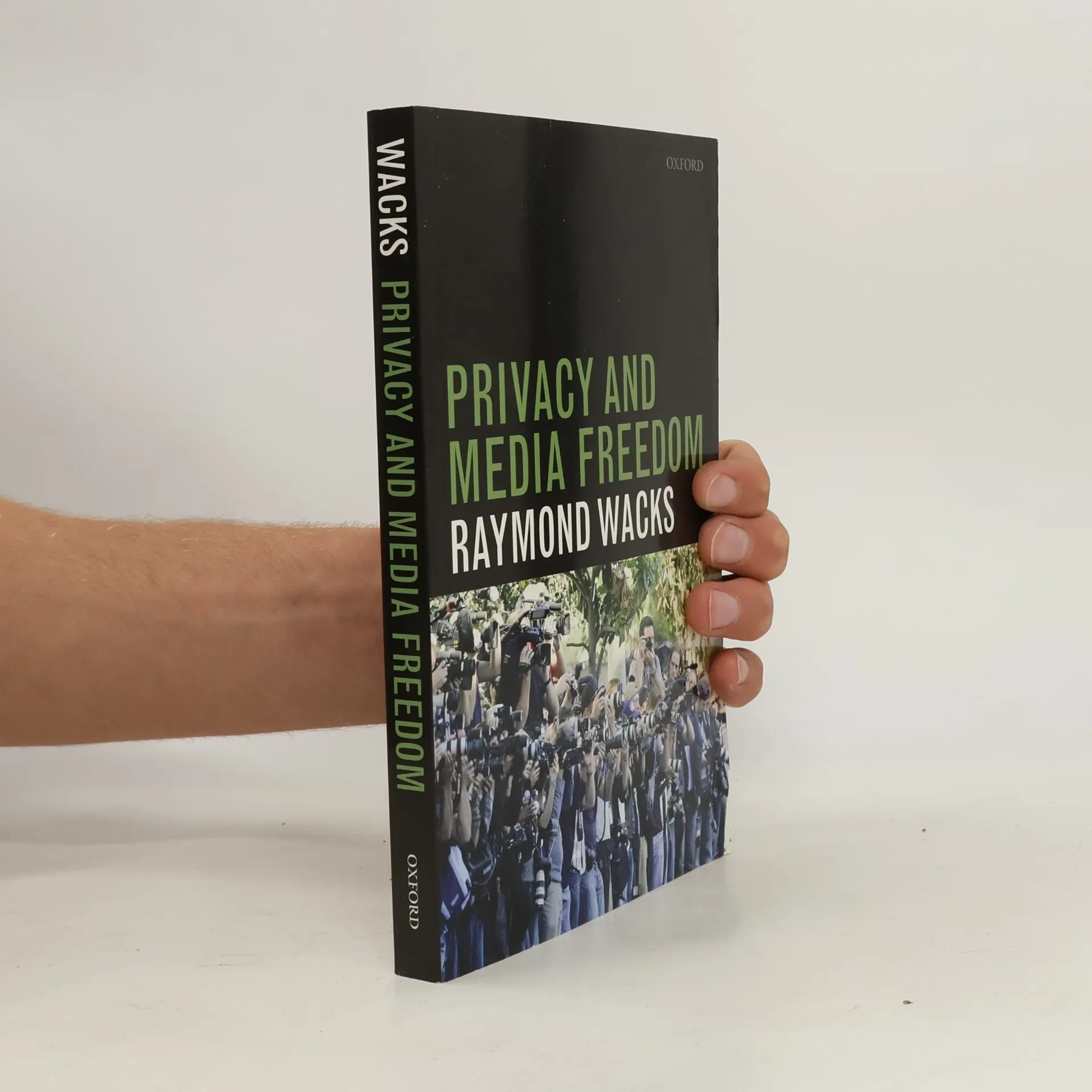
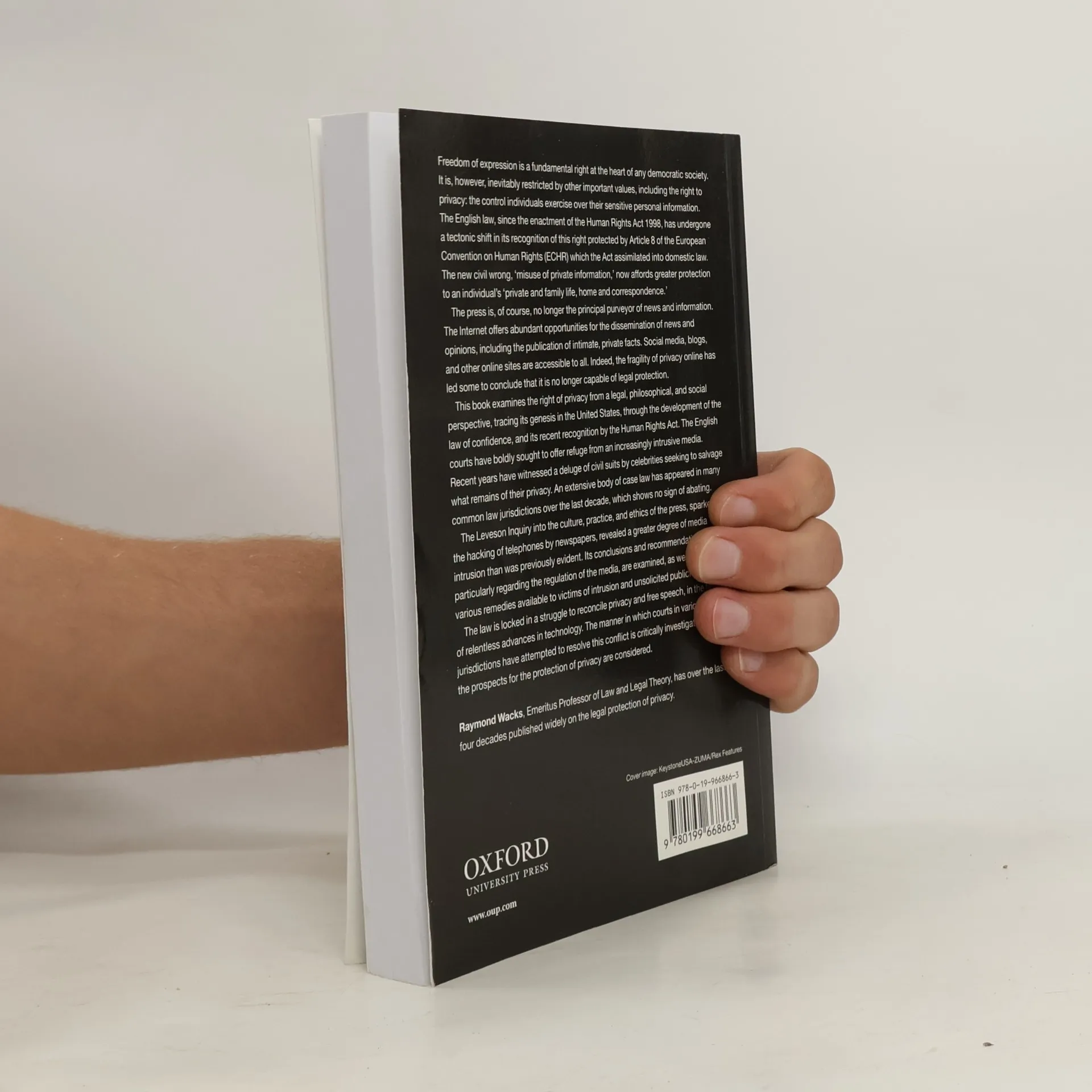
Freedom of expression is a fundamental right in democratic societies, yet it is often restricted by other values, notably the right to privacy, which governs individuals' control over their sensitive personal information. Since the Human Rights Act 1998, English law has significantly evolved in recognizing this right, as protected by Article 8 of the European Convention on Human Rights (ECHR). The introduction of the civil wrong 'misuse of private information' enhances protection for an individual's private and family life. With the rise of the Internet, traditional media is no longer the sole source of news; social media and blogs provide widespread access to intimate details, raising concerns about the fragility of online privacy. This examination of privacy rights encompasses legal, philosophical, and social dimensions, tracing its origins in the U.S. and its development through the law of confidence to its current status under the Human Rights Act. The English courts have actively sought to shield individuals from intrusive media practices, particularly as celebrities increasingly pursue legal action to protect their privacy. The Leveson Inquiry highlighted significant media intrusion, prompting discussions on regulation and remedies for victims. The ongoing struggle between privacy and free speech amid technological advancements is critically analyzed, along with the courts' efforts to navigate this complex landscape and
Acquisto del libro
Privacy and Media Freedom, Raymond Wacks
- Lingua

- Pubblicato
- 2013
- Rilegatura
- (In brossura),
- Condizioni del libro
- In ottime condizioni
- Prezzo
- 13,49 €
Metodi di pagamento
Ancora nessuna valutazione.
- Titolo
- Privacy and Media Freedom
- Lingua
- Inglese
- Autori
- Raymond Wacks
- Editore
- Oxford University Press
- Pubblicato
- 2013
- Formato
- In brossura
- Pagine
- 312
- ISBN10
- 0199668663
- ISBN13
- 9780199668663
- Serie
- Categoria
- Tag
- Tematica giuridica, Inghilterra, Teorie Politiche, Media e comunicazione mediatica, Diritti Umani, Avvincente, Galles, Libertà di espressione, Privacy
- Descrizione
- Freedom of expression is a fundamental right in democratic societies, yet it is often restricted by other values, notably the right to privacy, which governs individuals' control over their sensitive personal information. Since the Human Rights Act 1998, English law has significantly evolved in recognizing this right, as protected by Article 8 of the European Convention on Human Rights (ECHR). The introduction of the civil wrong 'misuse of private information' enhances protection for an individual's private and family life. With the rise of the Internet, traditional media is no longer the sole source of news; social media and blogs provide widespread access to intimate details, raising concerns about the fragility of online privacy. This examination of privacy rights encompasses legal, philosophical, and social dimensions, tracing its origins in the U.S. and its development through the law of confidence to its current status under the Human Rights Act. The English courts have actively sought to shield individuals from intrusive media practices, particularly as celebrities increasingly pursue legal action to protect their privacy. The Leveson Inquiry highlighted significant media intrusion, prompting discussions on regulation and remedies for victims. The ongoing struggle between privacy and free speech amid technological advancements is critically analyzed, along with the courts' efforts to navigate this complex landscape and