

Maggiori informazioni sul libro
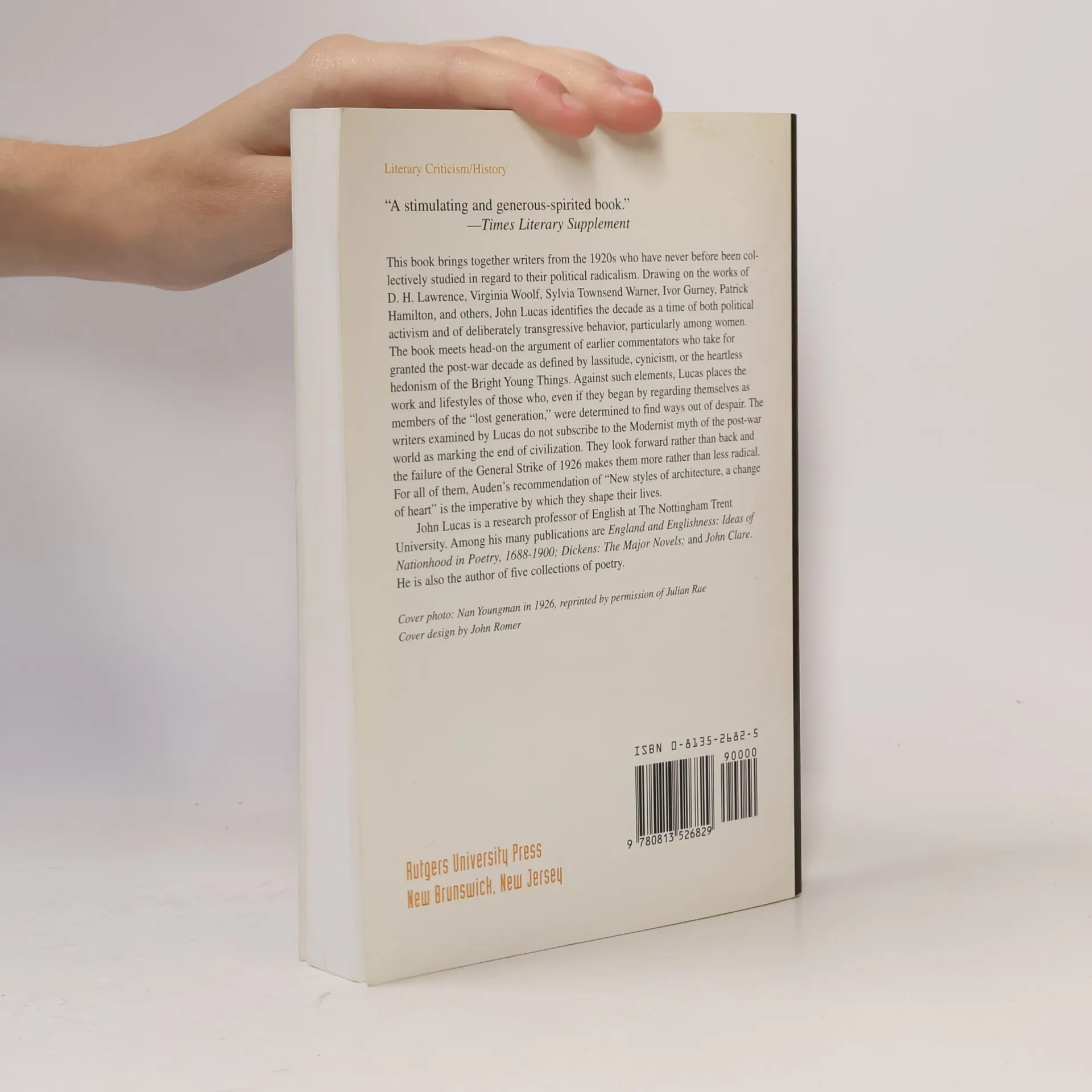
This book brings together writers from the 1920's who have never before been collectively studied in regard to their political radicalism. Drawing on the works of D. H. Lawrence, Virginia Wolf, Sylvia Townsend Warner, Ivor Gurney, Patrick Hamilton, and others, John Lucas identifies the decade as a time of both political activism and of deliberately transgressive behavior, particularly among women. The book meets head-on the argument of earlier commentators who take for hedonism of the Bright Young Things. Against such elements, Lucas places the work and lifestyles of those who, even if they began by regarding themselves as members of the "lost generation," were determined to find ways out of despair. The writers examined by Lucas do not subscribe to the Modernist myth of the post-war world as marking the end of civilization. They look forward rather than back and the failure of the General Strike of 1926 makes them more rather than less radical. For all of them, Auden's recommendation of "New styles of architecture, a change of heart" is the imperative by which they shape their lives.
Acquisto del libro
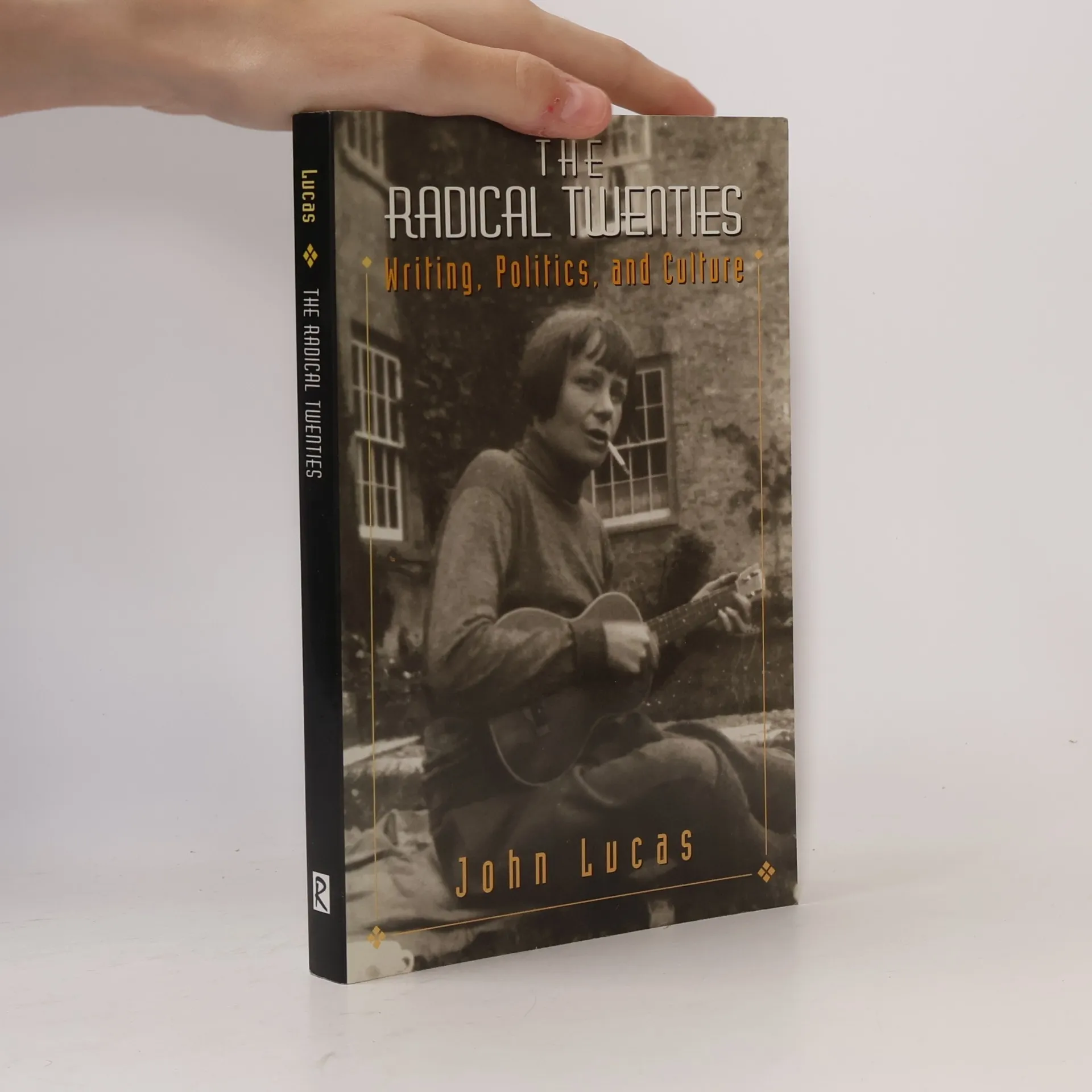
The Radical Twenties, John Charles Lucas
- Lingua

- Pubblicato
- 1999
- Rilegatura
- (In brossura),
- Condizioni del libro
- In buone condizioni
- Prezzo
- 2,79 €
Metodi di pagamento
Ancora nessuna valutazione.
- Titolo
- The Radical Twenties
- Sottotitolo
- Writing, Politics, and Culture
- Lingua
- Inglese
- Autori
- John Charles Lucas
- Editore
- Rutgers University Press
- Pubblicato
- 1999
- Formato
- In brossura
- Pagine
- 263
- ISBN10
- 0813526825
- ISBN13
- 9780813526829
- Serie
- Categoria
- Tag
- Tema stórico, USA, XX Secolo, Gran Bretagna, Letteratura inglese, Critica letteraria, Civilizzazione
- Descrizione
- This book brings together writers from the 1920's who have never before been collectively studied in regard to their political radicalism. Drawing on the works of D. H. Lawrence, Virginia Wolf, Sylvia Townsend Warner, Ivor Gurney, Patrick Hamilton, and others, John Lucas identifies the decade as a time of both political activism and of deliberately transgressive behavior, particularly among women. The book meets head-on the argument of earlier commentators who take for hedonism of the Bright Young Things. Against such elements, Lucas places the work and lifestyles of those who, even if they began by regarding themselves as members of the "lost generation," were determined to find ways out of despair. The writers examined by Lucas do not subscribe to the Modernist myth of the post-war world as marking the end of civilization. They look forward rather than back and the failure of the General Strike of 1926 makes them more rather than less radical. For all of them, Auden's recommendation of "New styles of architecture, a change of heart" is the imperative by which they shape their lives.