

Maggiori informazioni sul libro
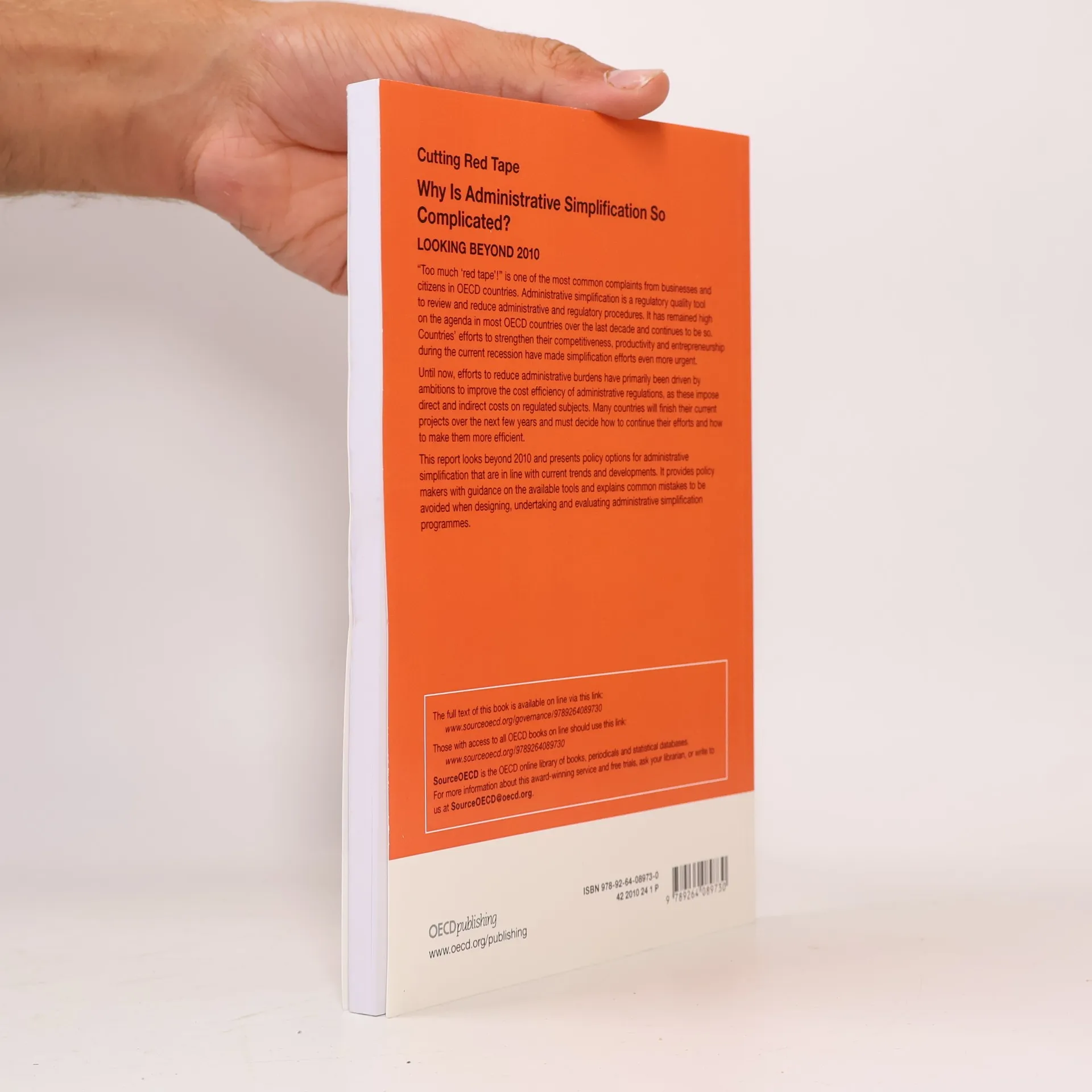
"Too much 'red tape'!" is one of the most common complaints from businesses and citizens in OECD countries. Administrative simplification is a regulatory quality tool to review and reduce administrative and regulatory procedures. It has remained high on the agenda in most OECD countries over the last decade and continues to be so. Countries' efforts to strengthen their competitiveness, productivity and entrepreneurship during the current recession have made simplification efforts even more urgent. Until now, efforts to reduce administrative burdens have primarily been driven by ambitions to improve the cost efficiency of administrative regulations, as these impose direct and indirect costs on regulated subjects. Many countries will finish their current projects over the next few years and must decide how to continue their efforts and how to make them more efficient. This report looks beyond 2010 and presents policy options for administrative simplification that are in line with current trends and developments. It provides policy makers with guidance on the available tools and explains common mistakes to be avoided when designing, undertaking and evaluating administrative simplification programmes.
Ci sono attualmente del libroCutting Red Tape (2010 ) in magazzino.
Acquisto del libro
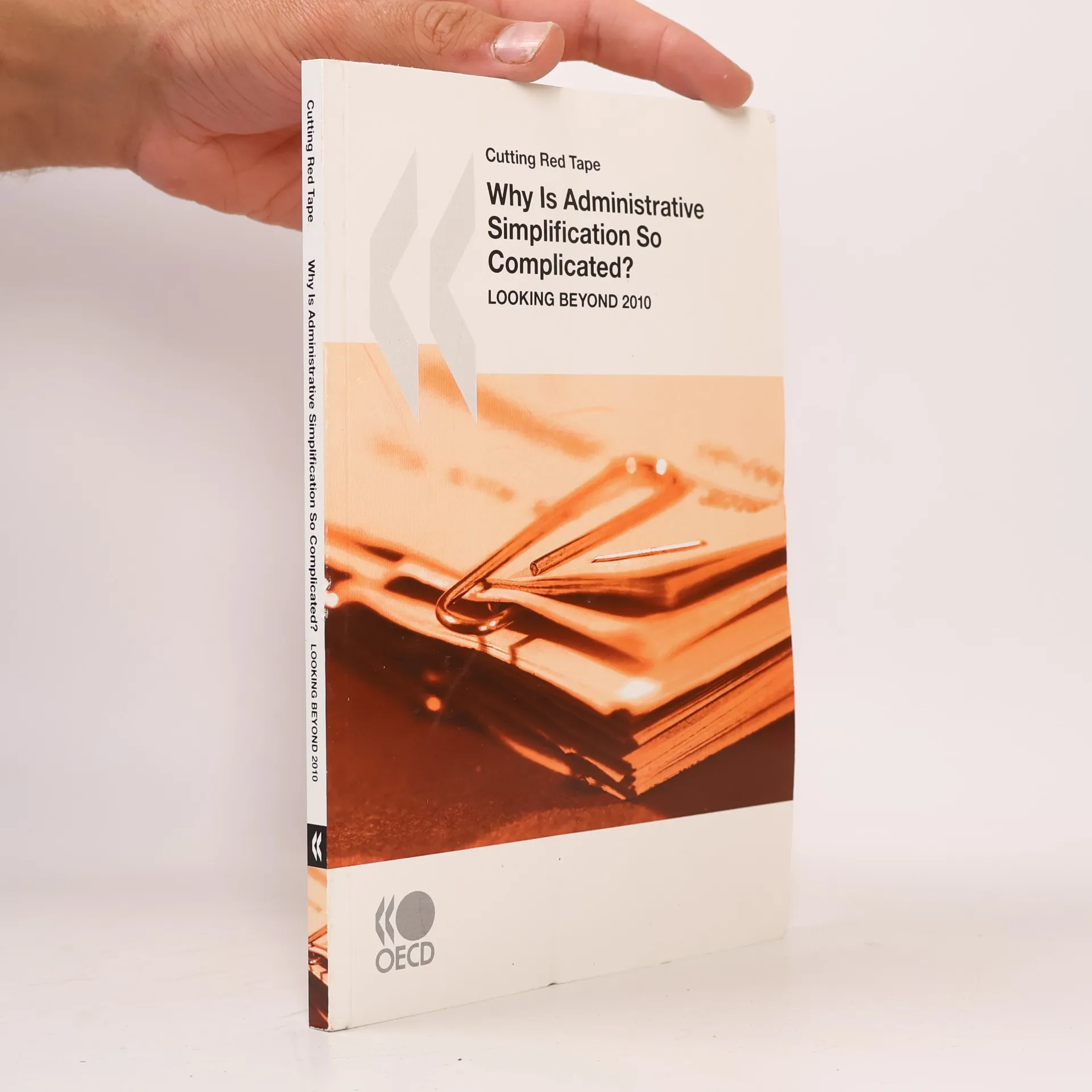
Cutting Red Tape, Organisation for Economic Co-operation and Development
- Lingua

- Pubblicato
- 2010
- Rilegatura
- (In brossura),
- Condizioni del libro
- In ottime condizioni
- Prezzo
- 55,39 €
Metodi di pagamento
Ancora nessuna valutazione.
- Titolo
- Cutting Red Tape
- Sottotitolo
- Why Is Administrative Simplification So Complicated? - Looking Beyond 2010
- Lingua
- Inglese
- Pubblicato
- 2010
- Formato
- In brossura
- Pagine
- 138
- ISBN10
- 926408973X
- ISBN13
- 9789264089730
- Serie
- Descrizione
- "Too much 'red tape'!" is one of the most common complaints from businesses and citizens in OECD countries. Administrative simplification is a regulatory quality tool to review and reduce administrative and regulatory procedures. It has remained high on the agenda in most OECD countries over the last decade and continues to be so. Countries' efforts to strengthen their competitiveness, productivity and entrepreneurship during the current recession have made simplification efforts even more urgent. Until now, efforts to reduce administrative burdens have primarily been driven by ambitions to improve the cost efficiency of administrative regulations, as these impose direct and indirect costs on regulated subjects. Many countries will finish their current projects over the next few years and must decide how to continue their efforts and how to make them more efficient. This report looks beyond 2010 and presents policy options for administrative simplification that are in line with current trends and developments. It provides policy makers with guidance on the available tools and explains common mistakes to be avoided when designing, undertaking and evaluating administrative simplification programmes.