

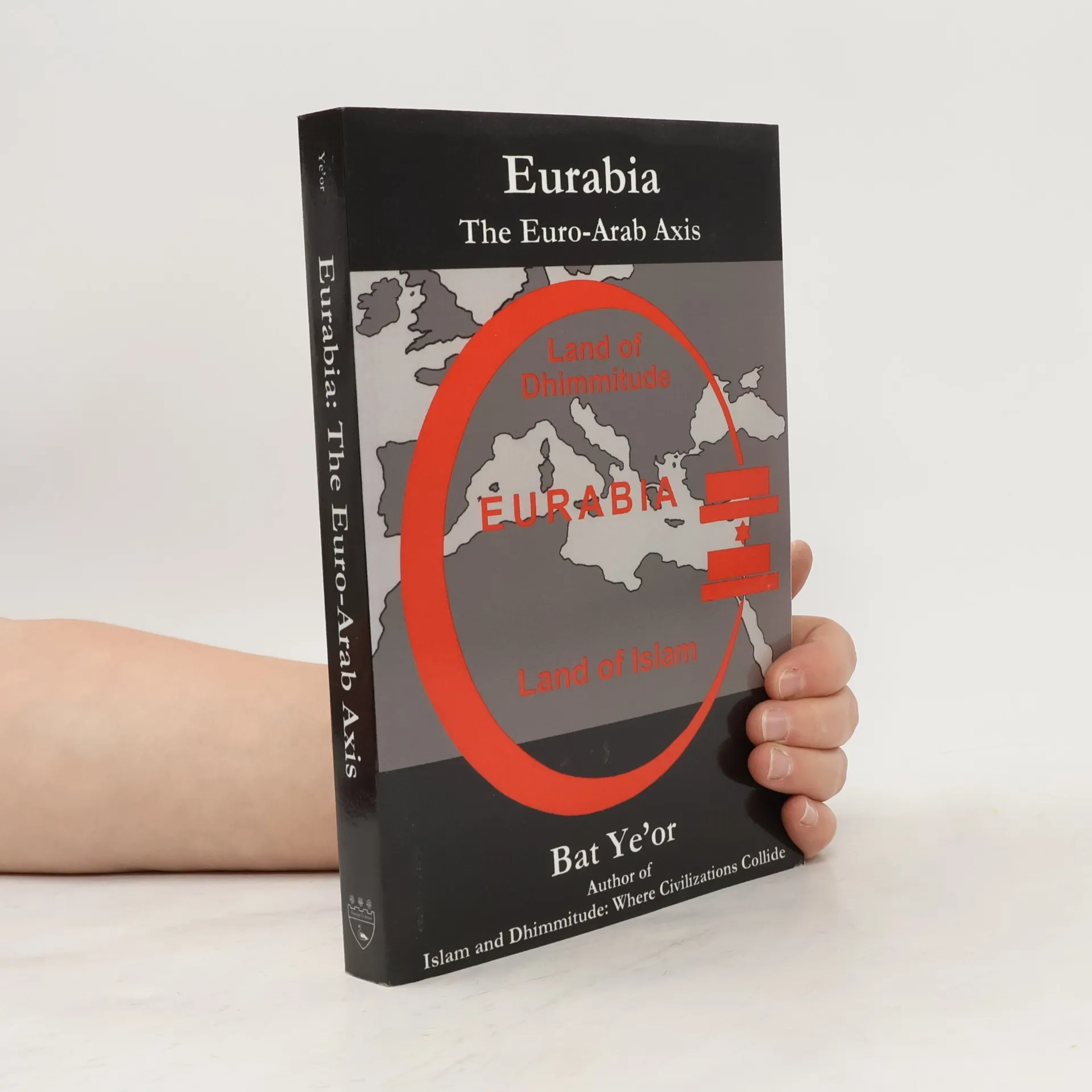
Eurabia
The Euro-Arab Axis
Autori
Parametri
- 384pagine
- 14 ore di lettura
Maggiori informazioni sul libro
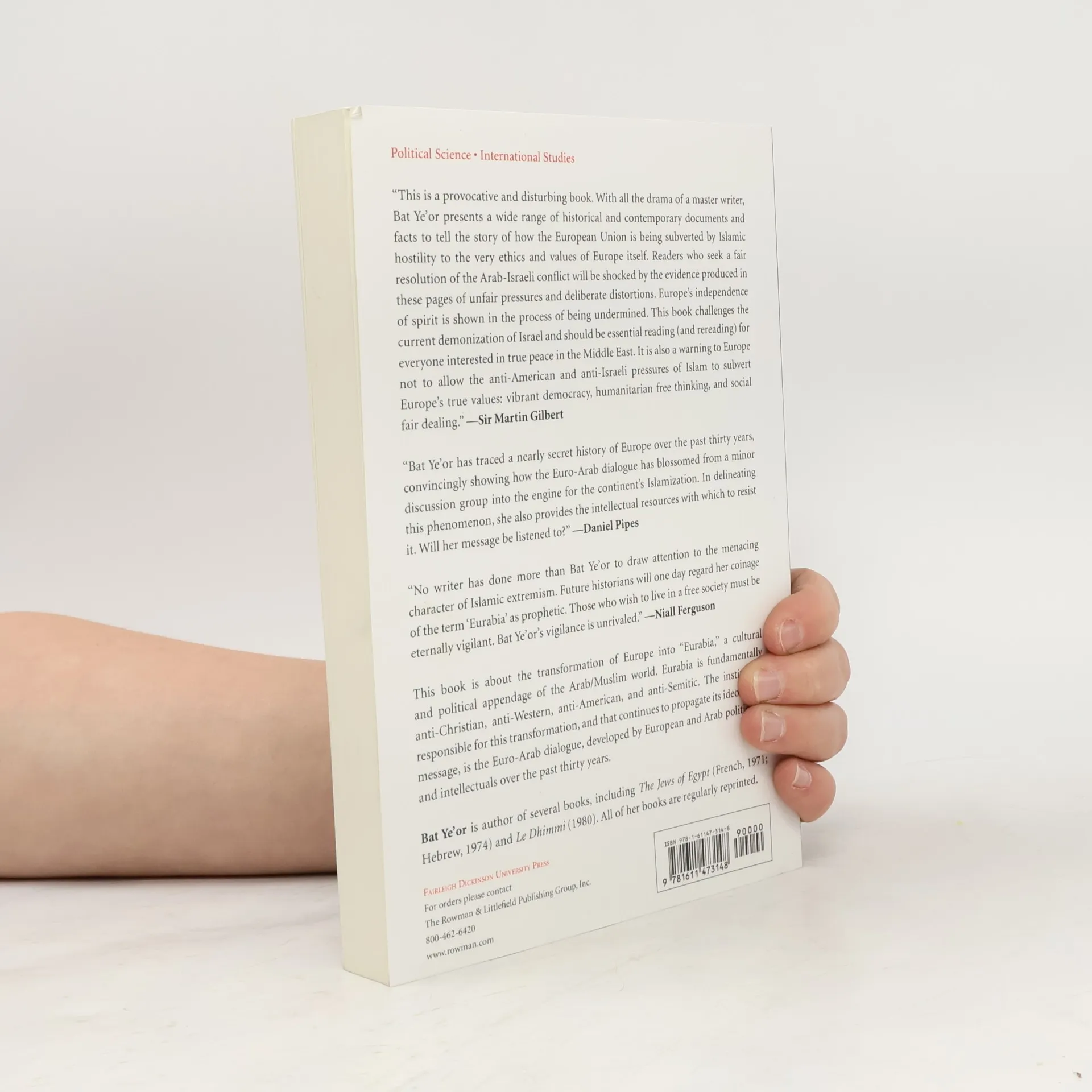
This book explores the transformation of Europe into "Eurabia," a cultural and political extension of the Arab/Muslim world, characterized by anti-Christian, anti-Western, anti-American, and antisemitic sentiments. Central to this transformation is the Euro-Arab Dialogue, established by European and Arab politicians and intellectuals over the last thirty years. The author presents a compelling narrative, supported by historical and contemporary documents, illustrating how Islamic hostility undermines the ethical foundations of Europe. Readers seeking a fair resolution to the Arab-Israel conflict will be confronted with evidence of unfair pressures and distortions. The book highlights the erosion of Europe's independent spirit and challenges the current demonization of Israel, making it essential for those interested in achieving genuine peace in the Middle East. It serves as a warning to Europe against allowing anti-American and anti-Israel sentiments to compromise its core values of democracy, humanitarianism, and social equity. The author meticulously traces the evolution of the Euro-Arab Dialogue into a significant force behind Europe's Islamization, equipping readers with the intellectual tools to resist this trend. The urgency of her message raises the question of whether it will be heeded.
Acquisto del libro
Eurabia, Bat Yeʾor
- Lingua

- Pubblicato
- 2005
- Rilegatura
- (In brossura)
Metodi di pagamento
Ancora nessuna valutazione.
- Titolo
- Eurabia
- Sottotitolo
- The Euro-Arab Axis
- Lingua
- Inglese
- Autori
- Bat Yeʾor
- Pubblicato
- 2005
- Formato
- In brossura
- Pagine
- 384
- ISBN10
- 1611473144
- ISBN13
- 9781611473148
- Serie
- Categoria
- Tag
- Temi religiosi, Tematica giuridica, Politica, Europa, Teorie Politiche, Relazioni internazionali, Islamismo
- Descrizione
- This book explores the transformation of Europe into "Eurabia," a cultural and political extension of the Arab/Muslim world, characterized by anti-Christian, anti-Western, anti-American, and antisemitic sentiments. Central to this transformation is the Euro-Arab Dialogue, established by European and Arab politicians and intellectuals over the last thirty years. The author presents a compelling narrative, supported by historical and contemporary documents, illustrating how Islamic hostility undermines the ethical foundations of Europe. Readers seeking a fair resolution to the Arab-Israel conflict will be confronted with evidence of unfair pressures and distortions. The book highlights the erosion of Europe's independent spirit and challenges the current demonization of Israel, making it essential for those interested in achieving genuine peace in the Middle East. It serves as a warning to Europe against allowing anti-American and anti-Israel sentiments to compromise its core values of democracy, humanitarianism, and social equity. The author meticulously traces the evolution of the Euro-Arab Dialogue into a significant force behind Europe's Islamization, equipping readers with the intellectual tools to resist this trend. The urgency of her message raises the question of whether it will be heeded.