

Maggiori informazioni sul libro
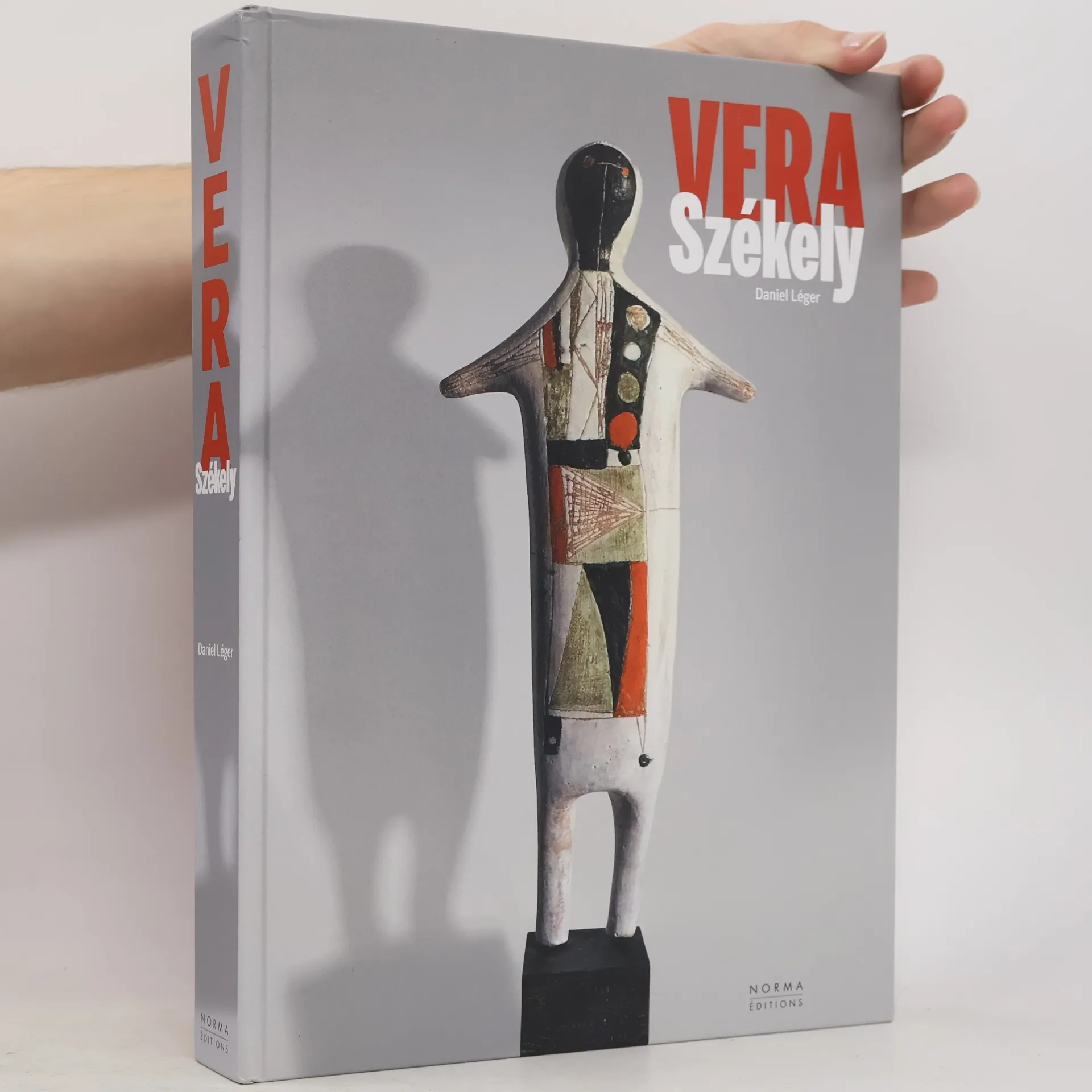
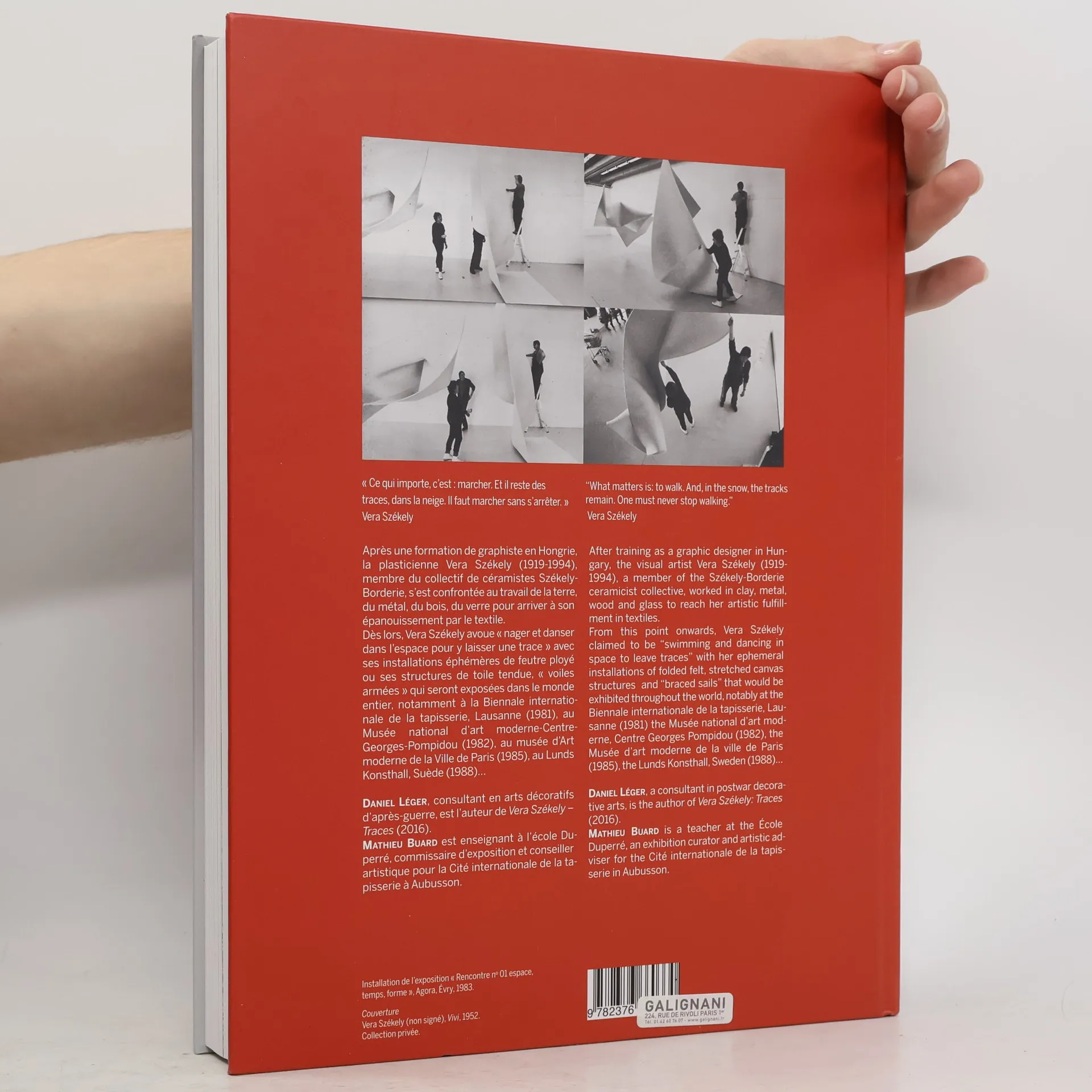
Known for her ceramics, visual artist Vera Székely reached her artistic fulfillment in textiles with her ephemeral installations of bent felt, her stretched canvas structures and 'braced sails' exhibited throughout the world After training as a graphic designer in Hungary, the plastic artist Vera Székely (1919-1994), a member of the Székely-Borderie ceramicist collective, tackled work in clay, metal, wood and glass to reach her artistic fulfillment in textiles. From this point on, Vera Székely acknowledged “swimming and dancing in space to leave a trace in it” with her ephemeral installations of bent felt, her stretched canvas structures and “braced sails” that would be exhibited throughout the world, notably at the Biennale internationale de la tapisserie, Lausanne (1981) the Musée national d'art moderne, Centre Georges Pompidou (1982), the Musée d'art moderne de la ville de Paris (1985), the Lunds Konsthall, Sweden (1988). Text in English and French.
Acquisto del libro
Vera Székely, Vera Székely, Mathieu Buard, Daniel W. Leger
- Lingua

- Pubblicato
- 2020
- Rilegatura
- (Copertina rigida),
- Condizioni del libro
- In ottime condizioni
- Prezzo
- 60,99 €
Metodi di pagamento
Ancora nessuna valutazione.
- Titolo
- Vera Székely
- Lingua
- Inglese
- Autori
- Vera Székely, Mathieu Buard, Daniel W. Leger
- Editore
- Editions Norma
- Pubblicato
- 2020
- Formato
- Copertina rigida
- Pagine
- 288
- ISBN10
- 2376660335
- ISBN13
- 9782376660330
- Serie
- Descrizione
- Known for her ceramics, visual artist Vera Székely reached her artistic fulfillment in textiles with her ephemeral installations of bent felt, her stretched canvas structures and 'braced sails' exhibited throughout the world After training as a graphic designer in Hungary, the plastic artist Vera Székely (1919-1994), a member of the Székely-Borderie ceramicist collective, tackled work in clay, metal, wood and glass to reach her artistic fulfillment in textiles. From this point on, Vera Székely acknowledged “swimming and dancing in space to leave a trace in it” with her ephemeral installations of bent felt, her stretched canvas structures and “braced sails” that would be exhibited throughout the world, notably at the Biennale internationale de la tapisserie, Lausanne (1981) the Musée national d'art moderne, Centre Georges Pompidou (1982), the Musée d'art moderne de la ville de Paris (1985), the Lunds Konsthall, Sweden (1988). Text in English and French.