


Parametri
- 336pagine
- 12 ore di lettura
Maggiori informazioni sul libro
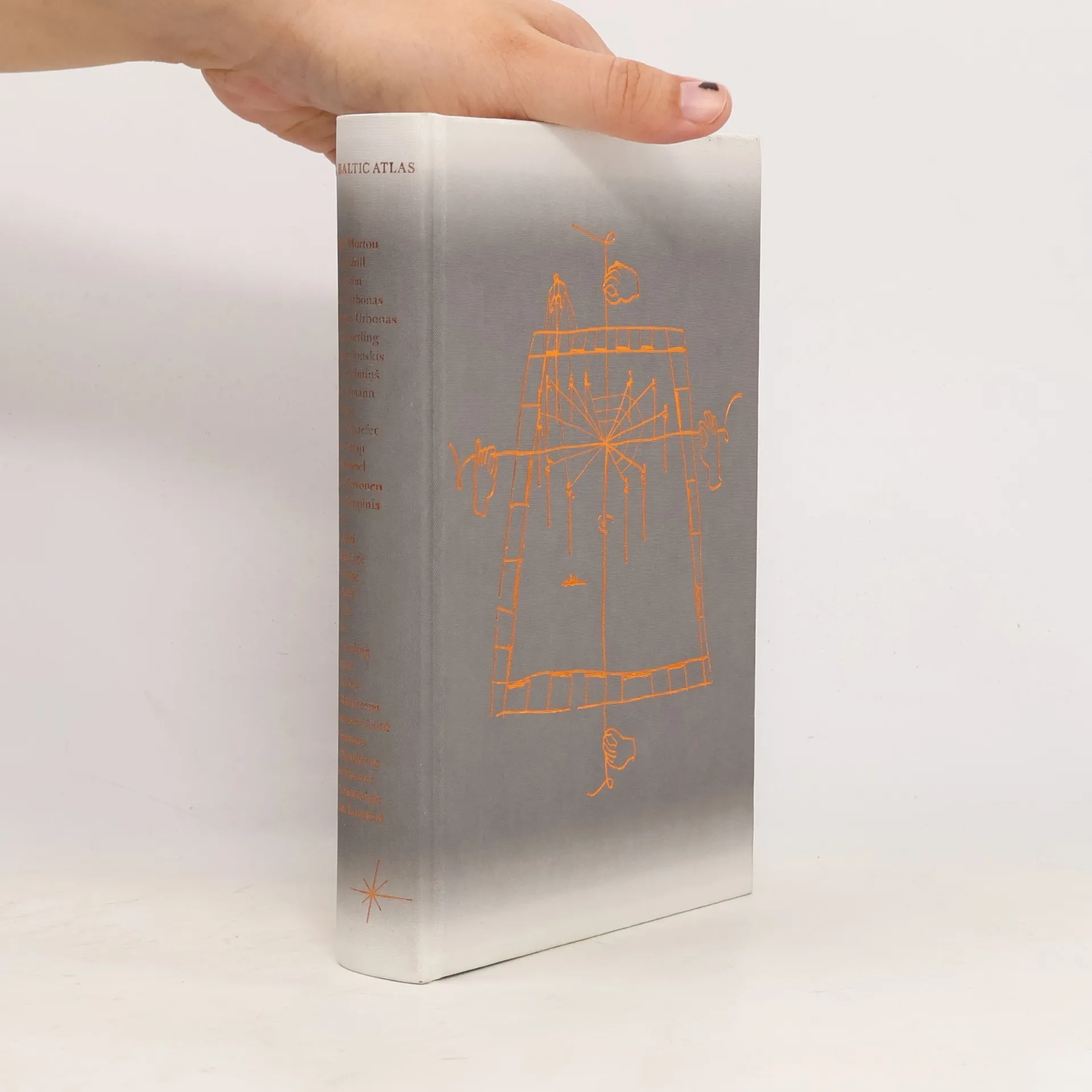
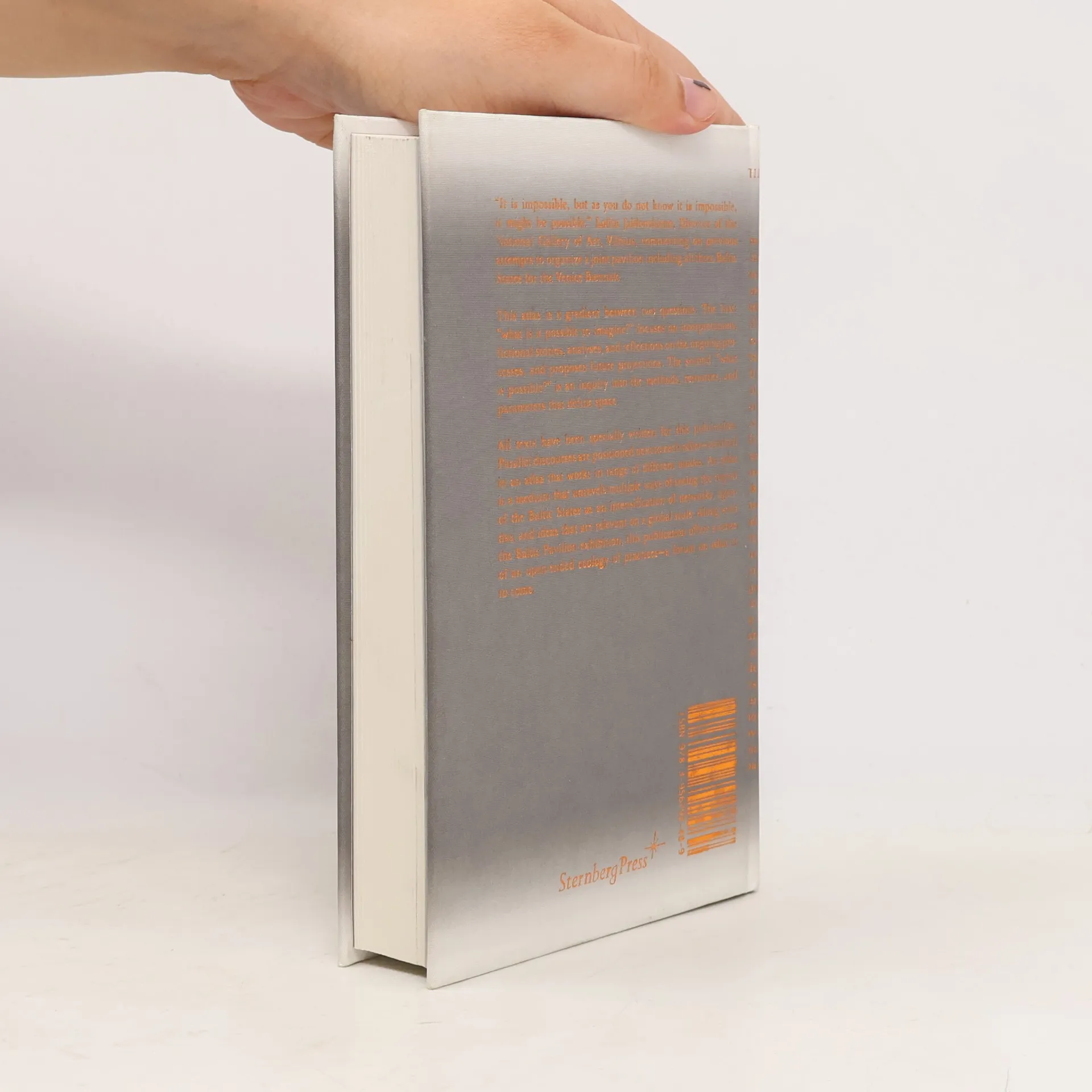
The Baltic Atlas, a handsome in-depth reader published in conjunction with the Baltic States Pavilion at the Venice Architecture Biennale 2016, asks two questions. The first: What is it possible to imagine? focuses on interpretations, fictional stories, analyses and reflections on ongoing processes, and proposals for the future. The second: What is possible? is an inquiry into the methods, resources, and parameters that define space. Over 30 texts explore what lies ahead as countries that have long suffered uncertainty regarding borders break from modernist ideologies. The chapters are configured like an atlas, with writings overlaid and positioned next to each other to illustrate the Baltic states region as an intensification of networks, agendas and ideas. Relevant on a global scale, Baltic Atlas highlights an open-ended ecology of practices, offering a taste of what is to
Acquisto del libro
The Baltic Atlas: Édition Bilingue (Anglais / Allemand), Ona Lozuraitytė, Petras Išora, Jurga Daubaraite, Kārlis Bērziņš, Jennifer Boyd, Morton Hill, Urb Urbonas, Erling Onskis, Imins Ann, Aefer Ell, Onen Pinis, El Re, Ck Ling, Oy Rautio, Lundberg Man, Pud
- Lingua

- Pubblicato
- 2016
- Rilegatura
- (Copertina rigida),
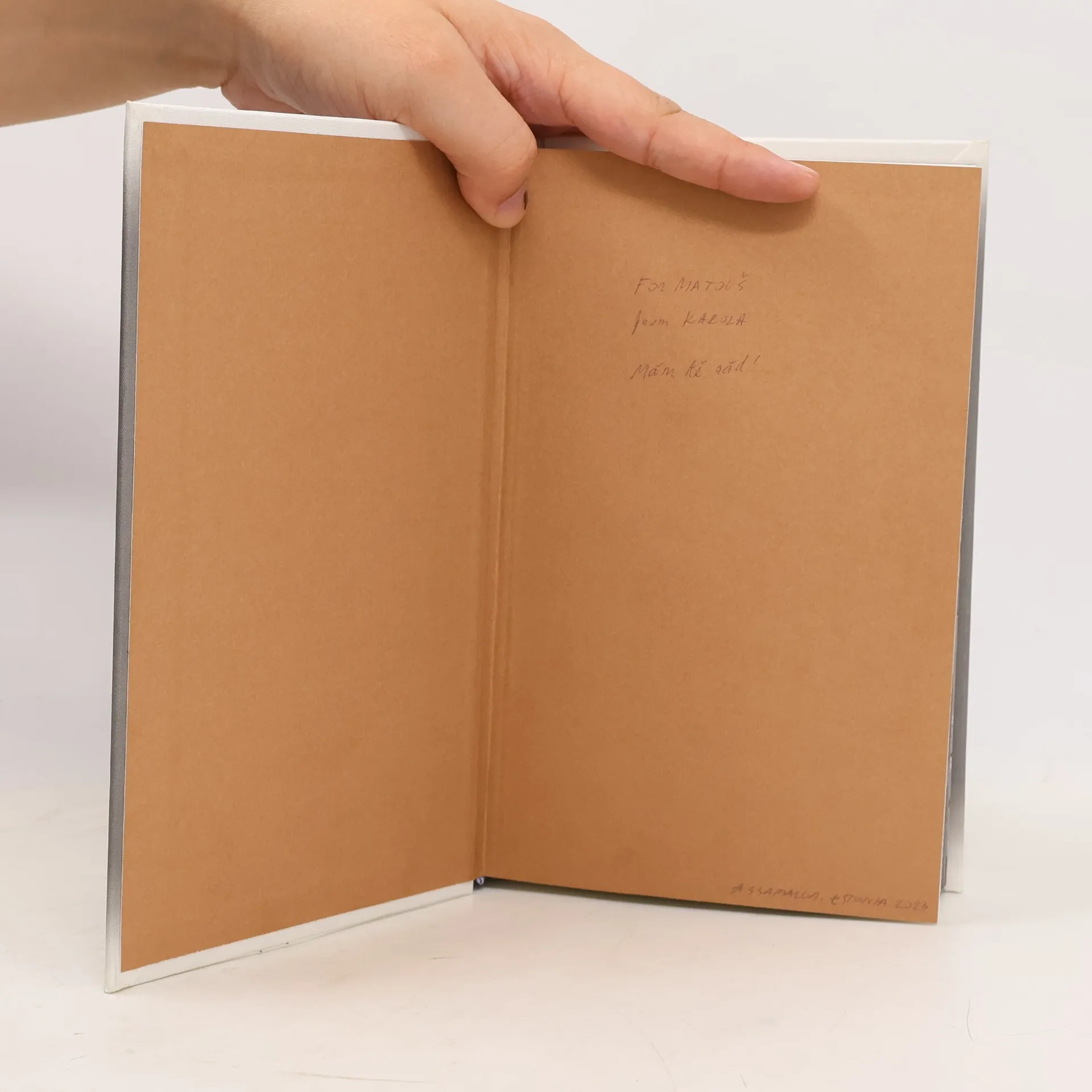
- Condizioni del libro
- Danneggiato
- Prezzo
- 18,99 €
Metodi di pagamento
Ancora nessuna valutazione.
- Titolo
- The Baltic Atlas: Édition Bilingue (Anglais / Allemand)
- Lingua
- Inglese
- Autori
- Ona Lozuraitytė, Petras Išora, Jurga Daubaraite, Kārlis Bērziņš, Jennifer Boyd, Morton Hill, Urb Urbonas, Erling Onskis, Imins Ann, Aefer Ell, Onen Pinis, El Re, Ck Ling, Oy Rautio, Lundberg Man, Pud
- Editore
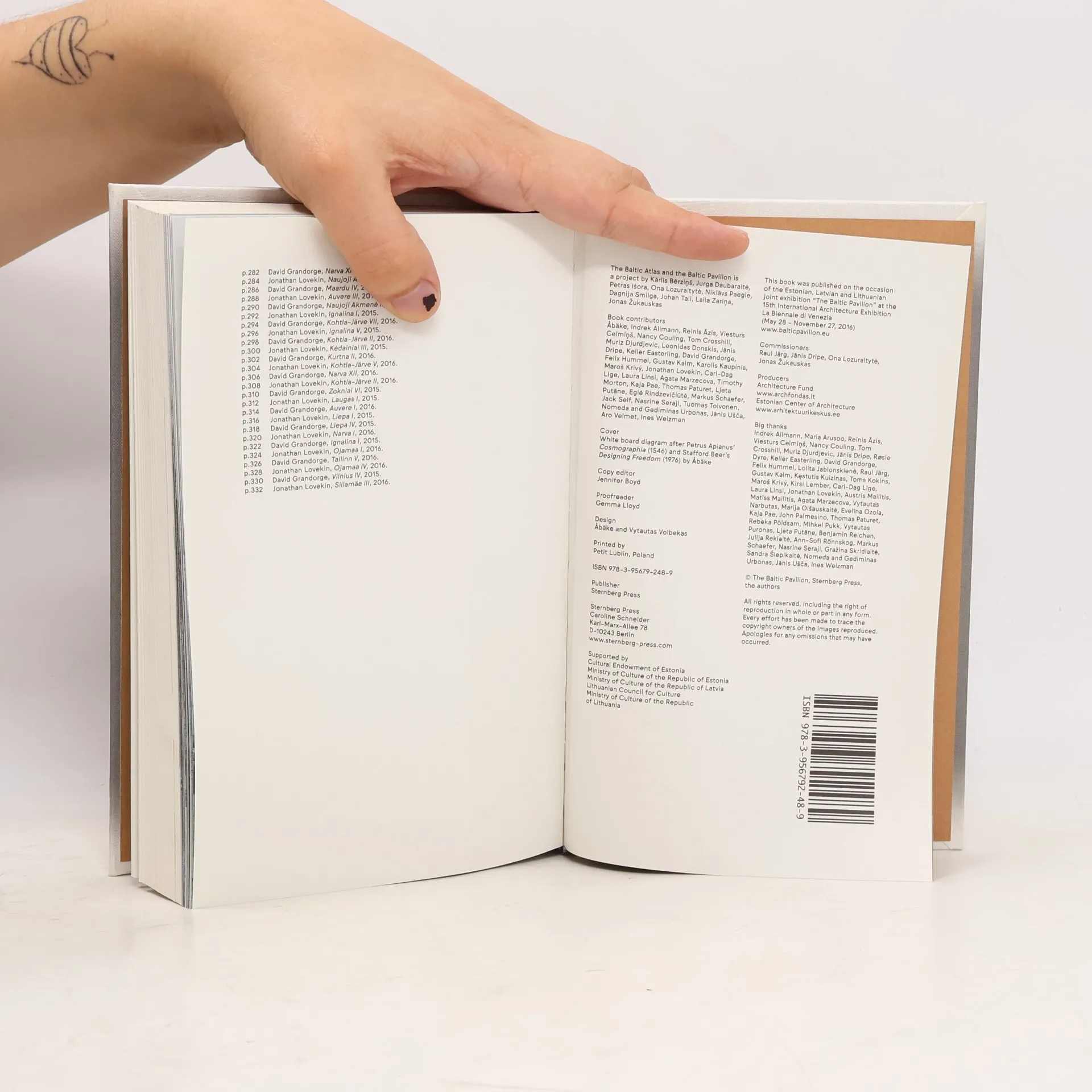
- Sternberg Press
- Pubblicato
- 2016
- Formato
- Copertina rigida
- Pagine
- 336
- ISBN10
- 3956792483
- ISBN13
- 9783956792489
- Serie
- Tag
- Arte, USA, Cataloghi di mostre, Storia dell'architettura, Teoria dell'architettura, Paesi Baltici
- Descrizione
- The Baltic Atlas, a handsome in-depth reader published in conjunction with the Baltic States Pavilion at the Venice Architecture Biennale 2016, asks two questions. The first: What is it possible to imagine? focuses on interpretations, fictional stories, analyses and reflections on ongoing processes, and proposals for the future. The second: What is possible? is an inquiry into the methods, resources, and parameters that define space. Over 30 texts explore what lies ahead as countries that have long suffered uncertainty regarding borders break from modernist ideologies. The chapters are configured like an atlas, with writings overlaid and positioned next to each other to illustrate the Baltic states region as an intensification of networks, agendas and ideas. Relevant on a global scale, Baltic Atlas highlights an open-ended ecology of practices, offering a taste of what is to