

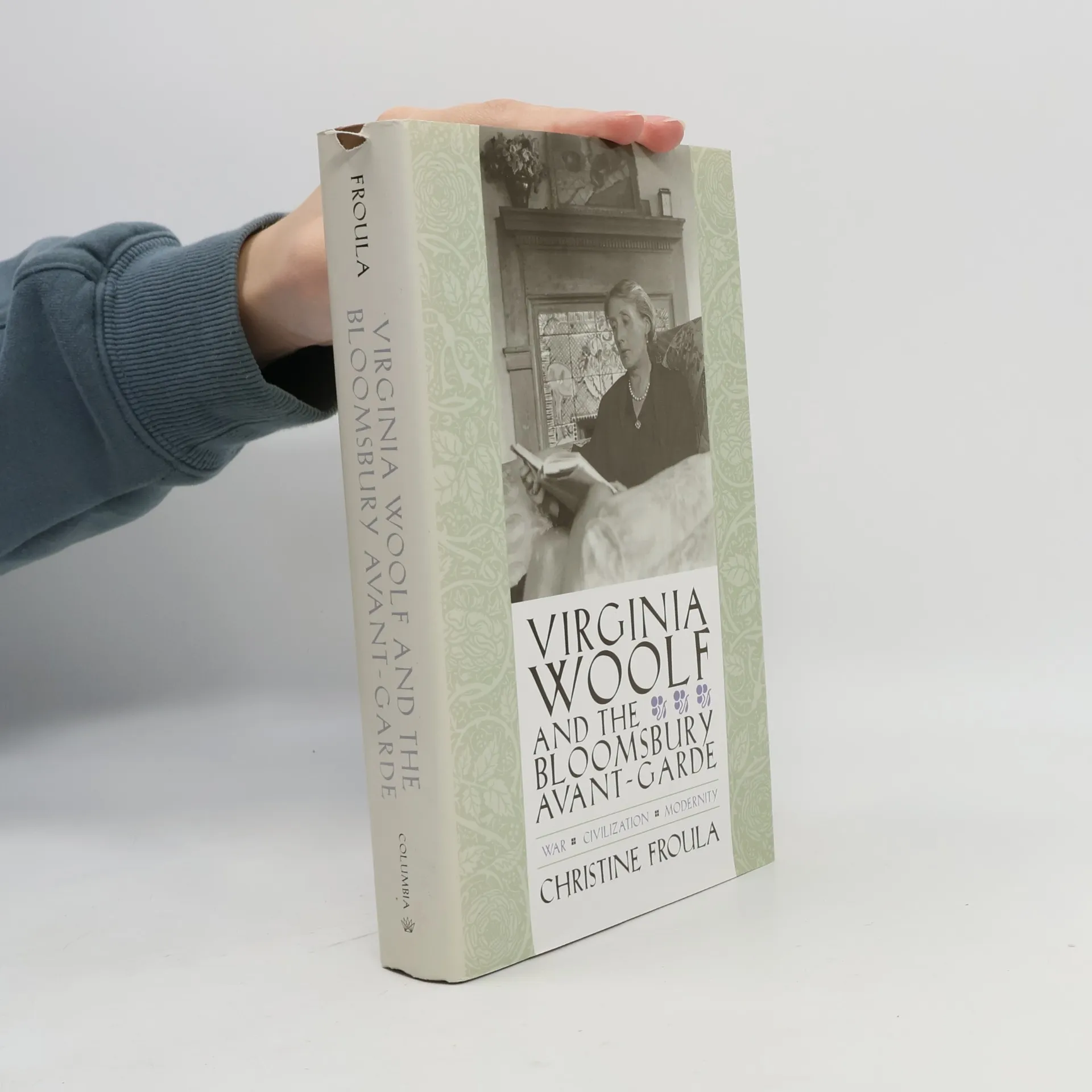


Virginia Woolf and the Bloomsbury Avant-garde
War, Civilization, Modernity
Autori
Parametri
- 432pagine
- 16 ore di lettura
Maggiori informazioni sul libro
Virginia Woolf and the Bloomsbury Avant-Garde examines the development of Woolf's art and ideas within the context of Bloomsbury's engagement with Europe's future during a tumultuous era marked by two world wars and the rise of totalitarianism. Woolf's informal education in her father's library and Bloomsbury's London extension of Cambridge shaped her perspective during the prewar years, a time when progressive movements inspired hope for a more civilized Europe, as noted by Leonard Woolf. The pacifist Bloomsbury group, inheritors of the Enlightenment's ideals of human rights and democratic governance, confronted the brutal realities exposed by the 1914 conflict, including nationalism, economic imperialism, and oppressive social systems. As an avant-garde force in the fight against violence in European civilization, Bloomsbury and Woolf played significant roles in interwar discussions about democracy's survival against fascism and communism. Woolf developed her public voice through interactions with contemporaries like John Maynard Keynes, Sigmund Freud, and T. S. Eliot. Her works reflect the intersection of aesthetics and politics in post-Enlightenment thought. This comprehensive history explores her literary evolution from her debut novel, The Voyage Out, to her final work, Between the Acts.
Acquisto del libro
Virginia Woolf and the Bloomsbury Avant-garde, Christine Froula
- Lingua

- Pubblicato
- 2004
- Rilegatura
- (Copertina rigida),
- Condizioni del libro
- In buone condizioni
- Prezzo
- 17,49 €
Metodi di pagamento
Ancora nessuna valutazione.
- Titolo
- Virginia Woolf and the Bloomsbury Avant-garde
- Sottotitolo
- War, Civilization, Modernity
- Lingua
- Inglese
- Autori
- Christine Froula
- Editore
- Columbia University Press
- Pubblicato
- 2004
- Formato
- Copertina rigida
- Pagine
- 432
- ISBN10
- 0231134444
- ISBN13
- 9780231134446
- Serie
- Categoria
- Tag
- Tema stórico, USA, XX Secolo, Inghilterra, Gran Bretagna, Critica letteraria, Londra, Prima guerra mondiale (1914–1918), Ricerca, Critica, Vita intellettuale
- Descrizione
- Virginia Woolf and the Bloomsbury Avant-Garde examines the development of Woolf's art and ideas within the context of Bloomsbury's engagement with Europe's future during a tumultuous era marked by two world wars and the rise of totalitarianism. Woolf's informal education in her father's library and Bloomsbury's London extension of Cambridge shaped her perspective during the prewar years, a time when progressive movements inspired hope for a more civilized Europe, as noted by Leonard Woolf. The pacifist Bloomsbury group, inheritors of the Enlightenment's ideals of human rights and democratic governance, confronted the brutal realities exposed by the 1914 conflict, including nationalism, economic imperialism, and oppressive social systems. As an avant-garde force in the fight against violence in European civilization, Bloomsbury and Woolf played significant roles in interwar discussions about democracy's survival against fascism and communism. Woolf developed her public voice through interactions with contemporaries like John Maynard Keynes, Sigmund Freud, and T. S. Eliot. Her works reflect the intersection of aesthetics and politics in post-Enlightenment thought. This comprehensive history explores her literary evolution from her debut novel, The Voyage Out, to her final work, Between the Acts.