

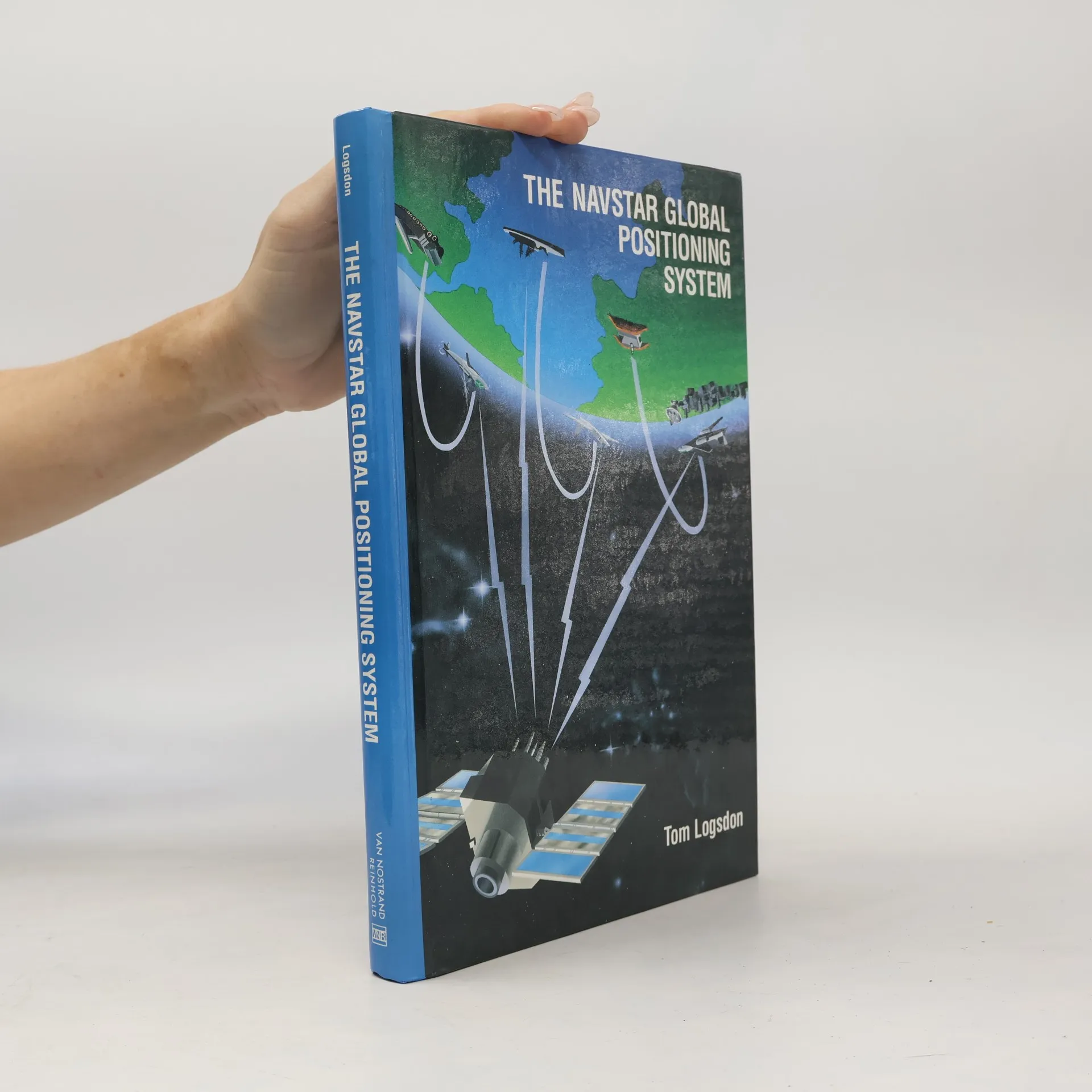

The Navstar Global Positioning System
Autori
Parametri
- 272pagine
- 10 ore di lettura
Maggiori informazioni sul libro
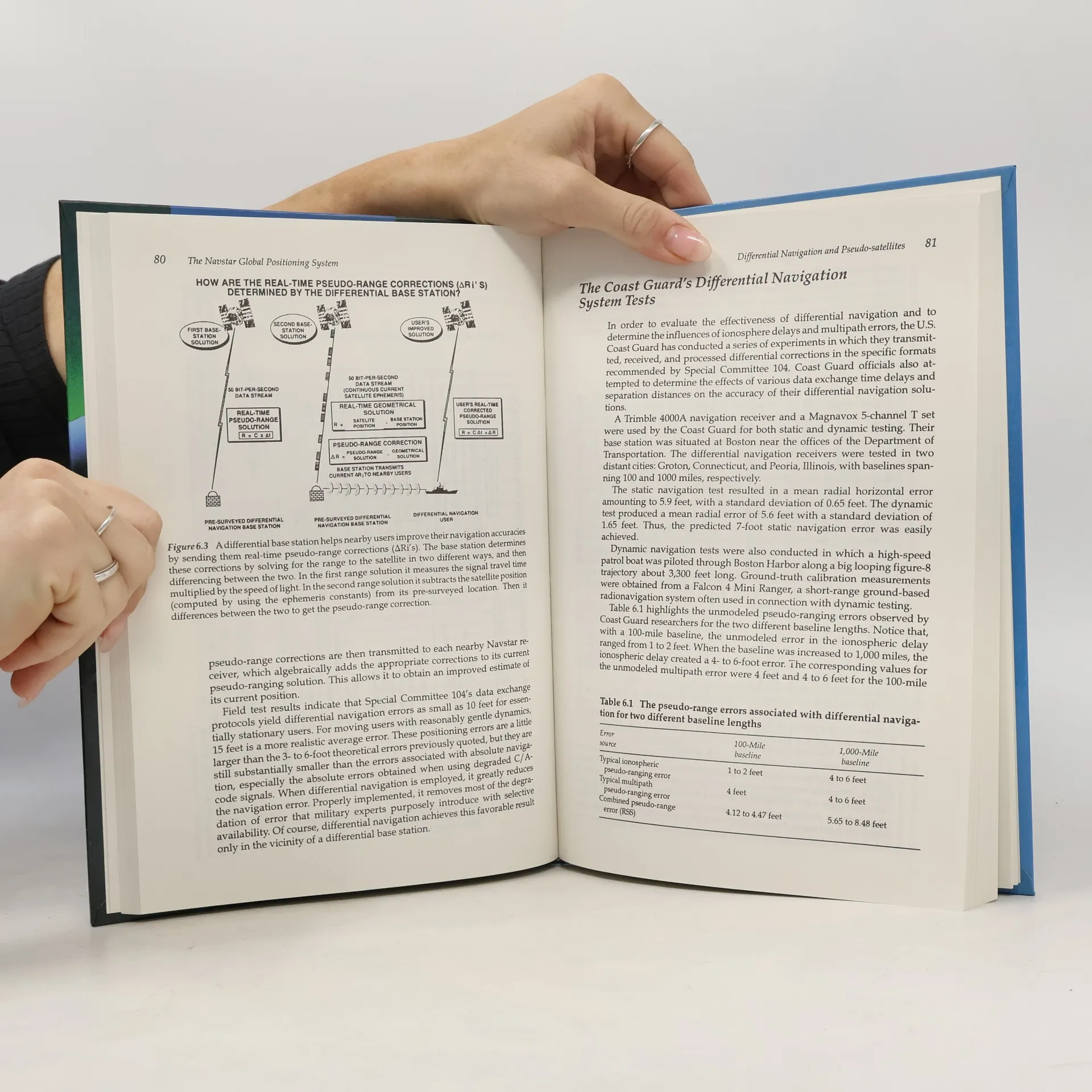
During the Persian Gulf War, a group of American soldiers picked up a new recruit at Rijaid Airport and drove him across miles of desert with blackened headlights. As he stepped out into the darkness, he realized he was just a few feet from his tent. The driver had used a Navstar receiver to pinpoint the tent's coordinates. Many Navstar receivers ended up with coalition forces, as families and friends sent them to loved ones in the Gulf. Some soldiers even ordered them directly from suppliers, receiving units just days later. By the time the ground war began, between 4,000 and 7,000 Navstar receivers were in the hands of American soldiers. These devices were crucial for guiding fuel-starved planes to aerial tankers, directing airstrikes, leading mess trucks to troops, and helping Special Forces navigate behind enemy lines. Additionally, some military engineers creatively used the receivers to track goat trails to locate underground springs, ensuring fresh water supplies for advancing troops. The innovative use of these technologies played a vital role in the success of operations during the conflict.
Acquisto del libro
The Navstar Global Positioning System, Tom Logsdon
- Lingua

- Pubblicato
- 1992
- Rilegatura
- (Copertina rigida),
- Condizioni del libro
- In buone condizioni
- Prezzo
- 9,79 €
Metodi di pagamento
Ancora nessuna valutazione.
- Titolo
- The Navstar Global Positioning System
- Lingua
- Inglese
- Autori
- Tom Logsdon
- Editore
- Springer
- Pubblicato
- 1992
- Formato
- Copertina rigida
- Pagine
- 272
- ISBN10
- 0442010400
- ISBN13
- 9780442010409
- Serie
- Categoria
- Descrizione
- During the Persian Gulf War, a group of American soldiers picked up a new recruit at Rijaid Airport and drove him across miles of desert with blackened headlights. As he stepped out into the darkness, he realized he was just a few feet from his tent. The driver had used a Navstar receiver to pinpoint the tent's coordinates. Many Navstar receivers ended up with coalition forces, as families and friends sent them to loved ones in the Gulf. Some soldiers even ordered them directly from suppliers, receiving units just days later. By the time the ground war began, between 4,000 and 7,000 Navstar receivers were in the hands of American soldiers. These devices were crucial for guiding fuel-starved planes to aerial tankers, directing airstrikes, leading mess trucks to troops, and helping Special Forces navigate behind enemy lines. Additionally, some military engineers creatively used the receivers to track goat trails to locate underground springs, ensuring fresh water supplies for advancing troops. The innovative use of these technologies played a vital role in the success of operations during the conflict.