

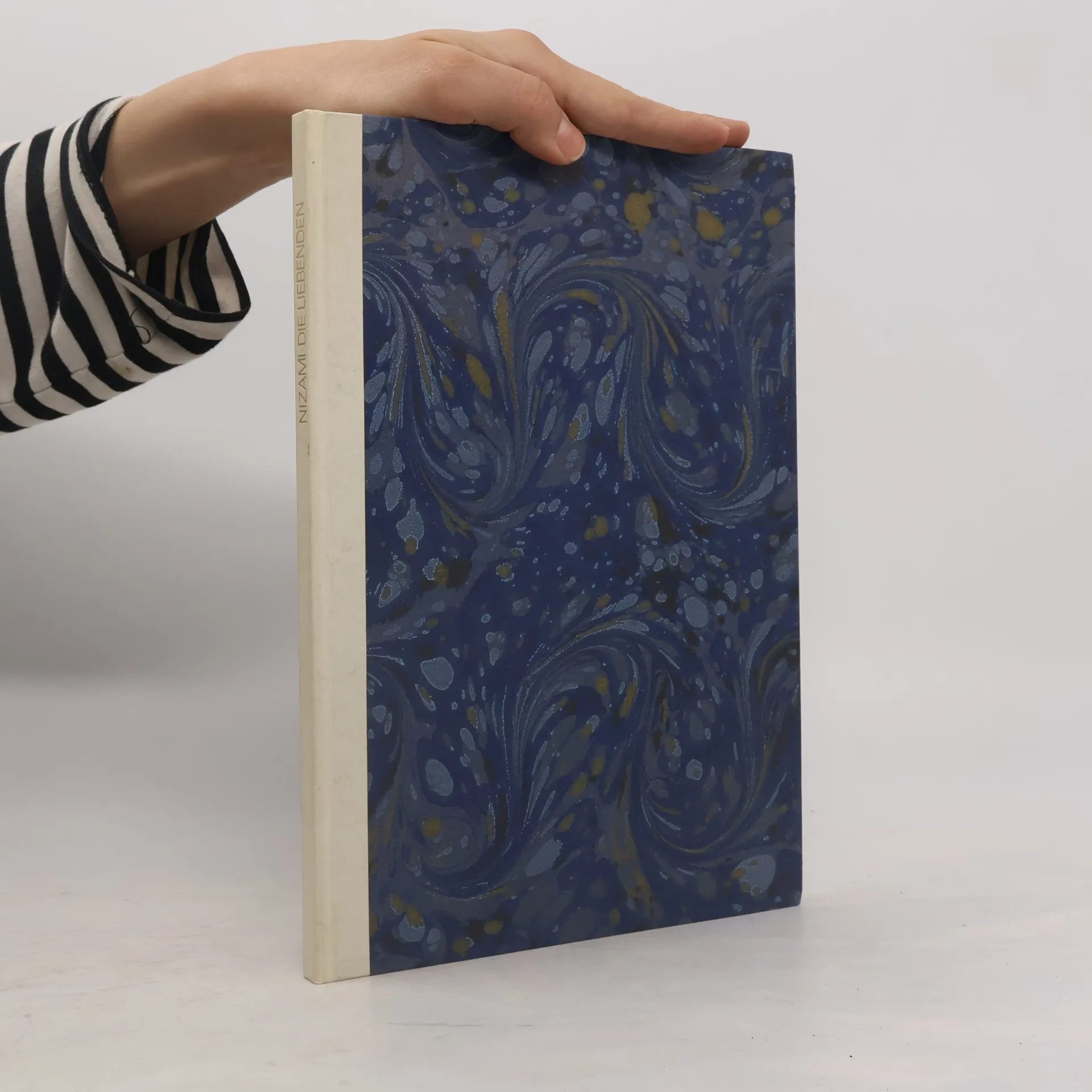
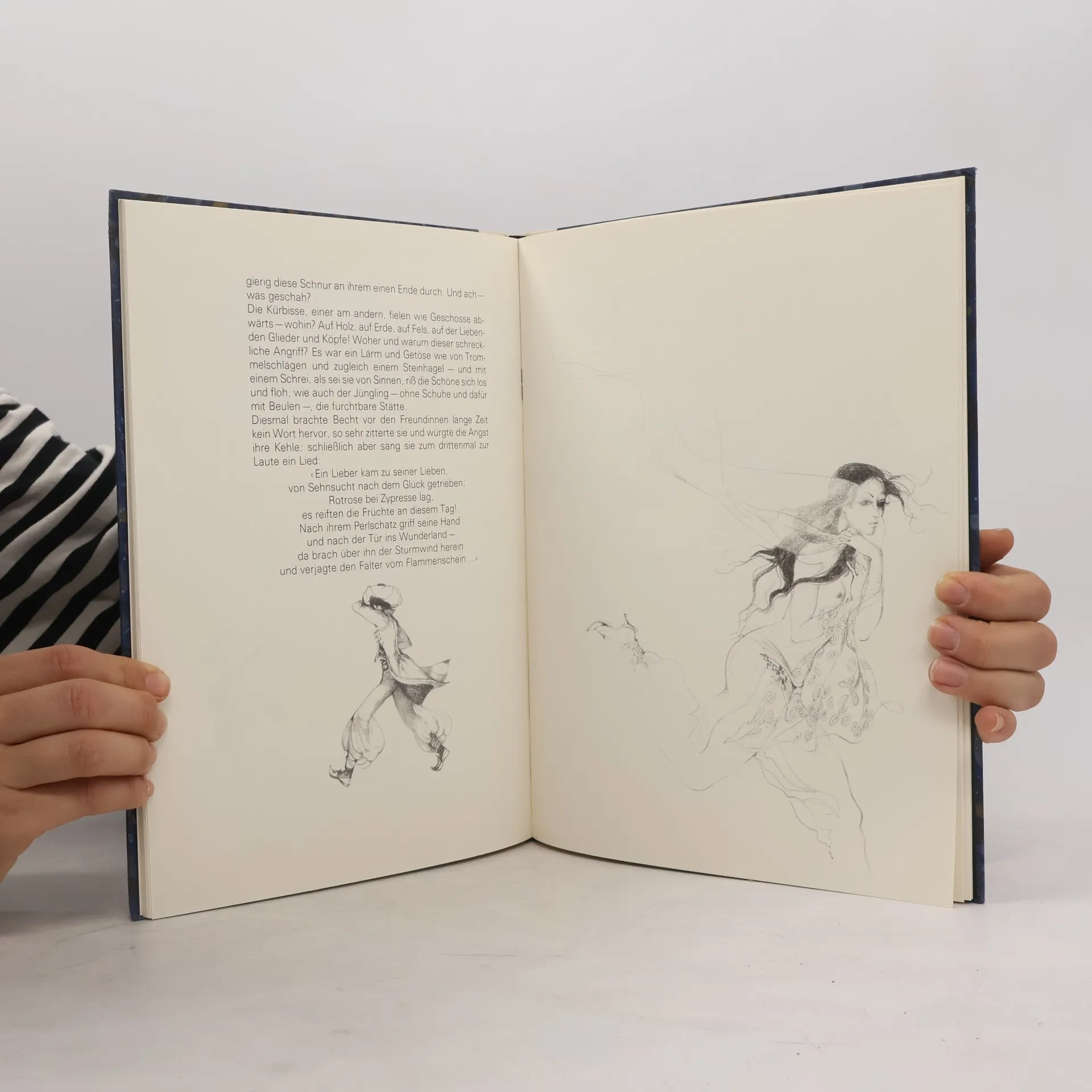
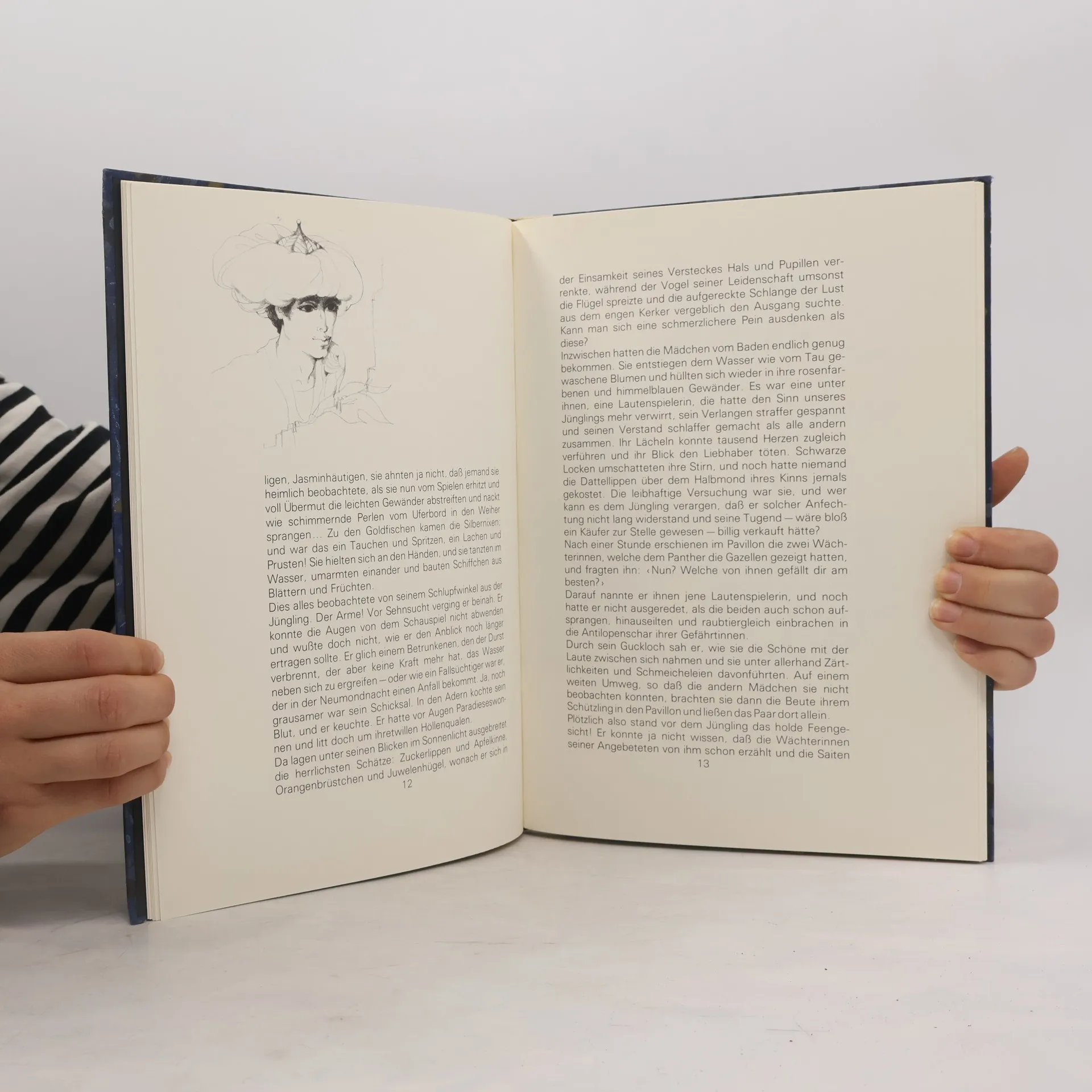
Die Geschichte von den Heimsuchungen der Liebenden
Autori
Parametri
- 33pagine
- 2 ore di lettura
Maggiori informazioni sul libro
The romance of the Haft Paykar ("Seven Beauties") is one of the great works of Persian literature. Completed in 1197 by the poet Nizami of Ganja, it is an allegorical romance of great beauty and depth, and its central theme of self-knowledge as the path to human perfection is conveyed in rich and vivid imagery and complex symbolism. The Haft Paykar tells the story of the Sassanian ruler Prince Bahram V Gur and his progress towards wisdom, and is enlivened by many adventures and by the seven tales--love stories--told to the prince by his brides. This new English verse translation captures the beauty and sophistication of of the original, and makes this masterpiece of twelfth-century Persia accessible to a wide audience.
Acquisto del libro
Die Geschichte von den Heimsuchungen der Liebenden, Niẓāmī Ganjavī
- Lingua

- Pubblicato
- 1977
- Rilegatura
- (Copertina rigida),
- Condizioni del libro
- In buone condizioni
- Prezzo
- 7,29 €
Metodi di pagamento
Ancora nessuna valutazione.
- Titolo
- Die Geschichte von den Heimsuchungen der Liebenden
- Lingua
- Tedesco
- Autori
- Niẓāmī Ganjavī
- Editore
- Springer
- Pubblicato
- 1977
- Formato
- Copertina rigida
- Pagine
- 33
- ISBN10
- 3764309415
- ISBN13
- 9783764309411
- Serie
- Descrizione
- The romance of the Haft Paykar ("Seven Beauties") is one of the great works of Persian literature. Completed in 1197 by the poet Nizami of Ganja, it is an allegorical romance of great beauty and depth, and its central theme of self-knowledge as the path to human perfection is conveyed in rich and vivid imagery and complex symbolism. The Haft Paykar tells the story of the Sassanian ruler Prince Bahram V Gur and his progress towards wisdom, and is enlivened by many adventures and by the seven tales--love stories--told to the prince by his brides. This new English verse translation captures the beauty and sophistication of of the original, and makes this masterpiece of twelfth-century Persia accessible to a wide audience.