



Maggiori informazioni sul libro
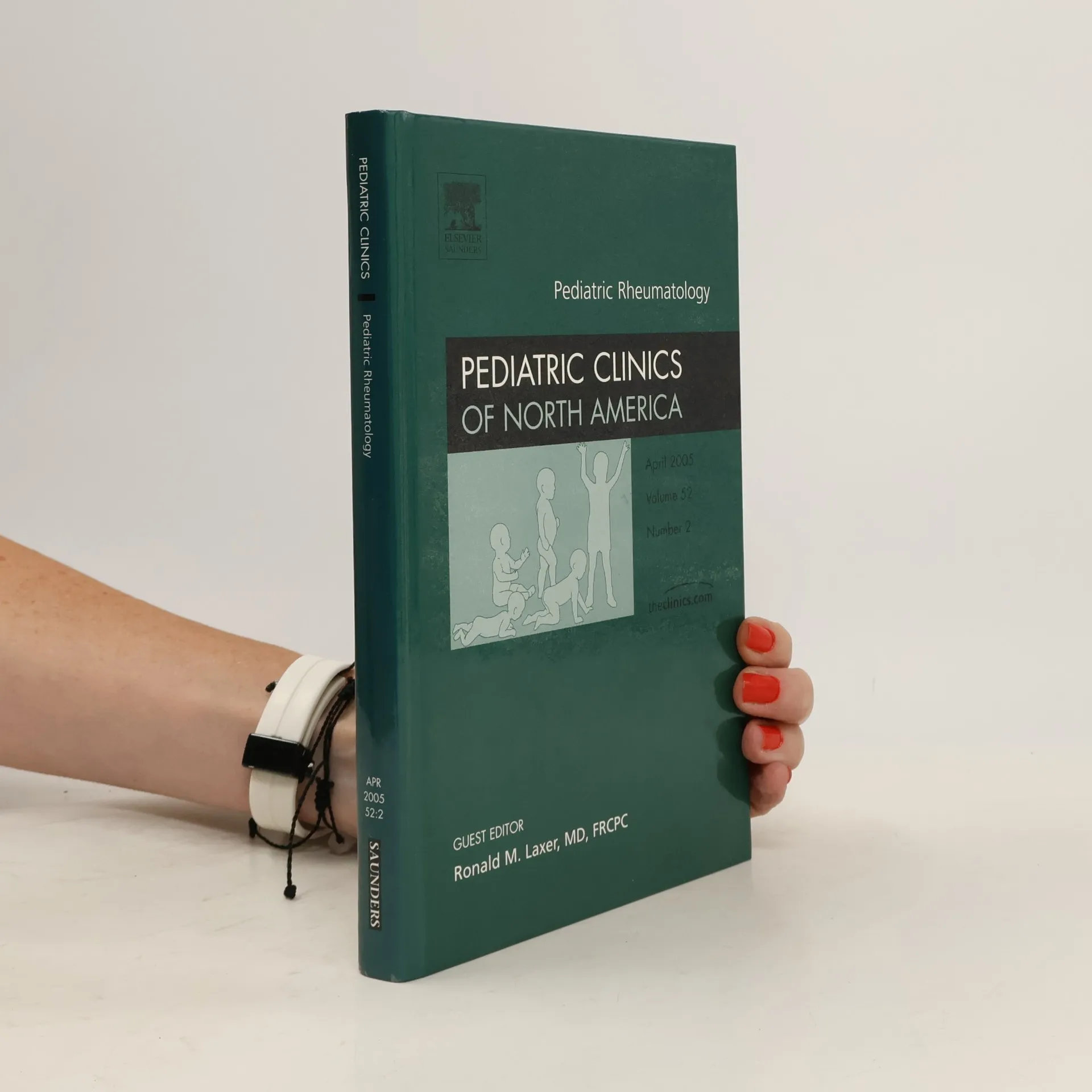
Tremendous progress has been made in the field of rheumatology over the past decade. This issue, with contributions from a group of international experts, will provide clinicians with new knowledge of the basic mechanisms of inflammation that contribute to the rheumatic diseases, as well as many other inflammatory disorders. The tremendous advances in understanding how to measure function and other outcome measures of relevance to patients and families will be reviewed. New modalities in the imaging of rheumatic diseases, as well as new serologic and genetic tests will be critically reviewed to provide the practicing clinician with a better way to diagnose these potentially devastating diseases. Each of the classic pediatric rheumatic diseases will be concisely reviewed to provide the clinician with state of the art knowledge needed to recognize and help manage these patients. Finally, the important topic of transition will assist physicians in preparing their patients for the world of adult medicine.
Acquisto del libro
Pediatric Clinics of North America - 52-2: Pediatric Rheumatology, Ronald M. Laxer
- Lingua

- Pubblicato
- 2005
- Rilegatura
- (Copertina rigida),
- Condizioni del libro
- In buone condizioni
- Prezzo
- 30,99 €
Metodi di pagamento
Ancora nessuna valutazione.
- Titolo
- Pediatric Clinics of North America - 52-2: Pediatric Rheumatology
- Lingua
- Inglese
- Autori
- Ronald M. Laxer
- Editore
- Saunders
- Pubblicato
- 2005
- Formato
- Copertina rigida
- Pagine
- 240
- ISBN10
- 1416027491
- ISBN13
- 9781416027492
- Serie
- Descrizione
- Tremendous progress has been made in the field of rheumatology over the past decade. This issue, with contributions from a group of international experts, will provide clinicians with new knowledge of the basic mechanisms of inflammation that contribute to the rheumatic diseases, as well as many other inflammatory disorders. The tremendous advances in understanding how to measure function and other outcome measures of relevance to patients and families will be reviewed. New modalities in the imaging of rheumatic diseases, as well as new serologic and genetic tests will be critically reviewed to provide the practicing clinician with a better way to diagnose these potentially devastating diseases. Each of the classic pediatric rheumatic diseases will be concisely reviewed to provide the clinician with state of the art knowledge needed to recognize and help manage these patients. Finally, the important topic of transition will assist physicians in preparing their patients for the world of adult medicine.