

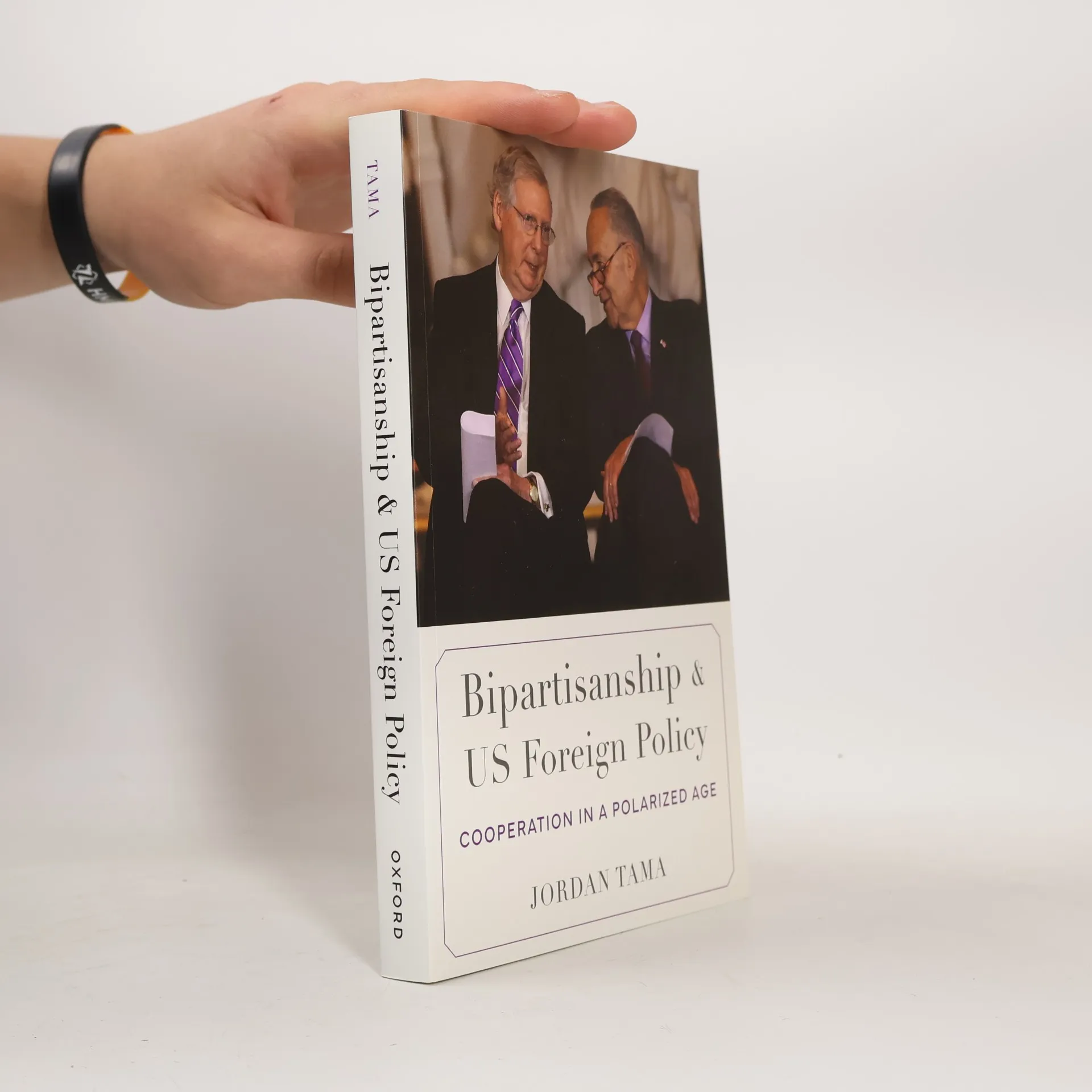
Bipartisanship and US Foreign Policy
Cooperation in a Polarized Age
Autori
Parametri
- 336pagine
- 12 ore di lettura
Maggiori informazioni sul libro
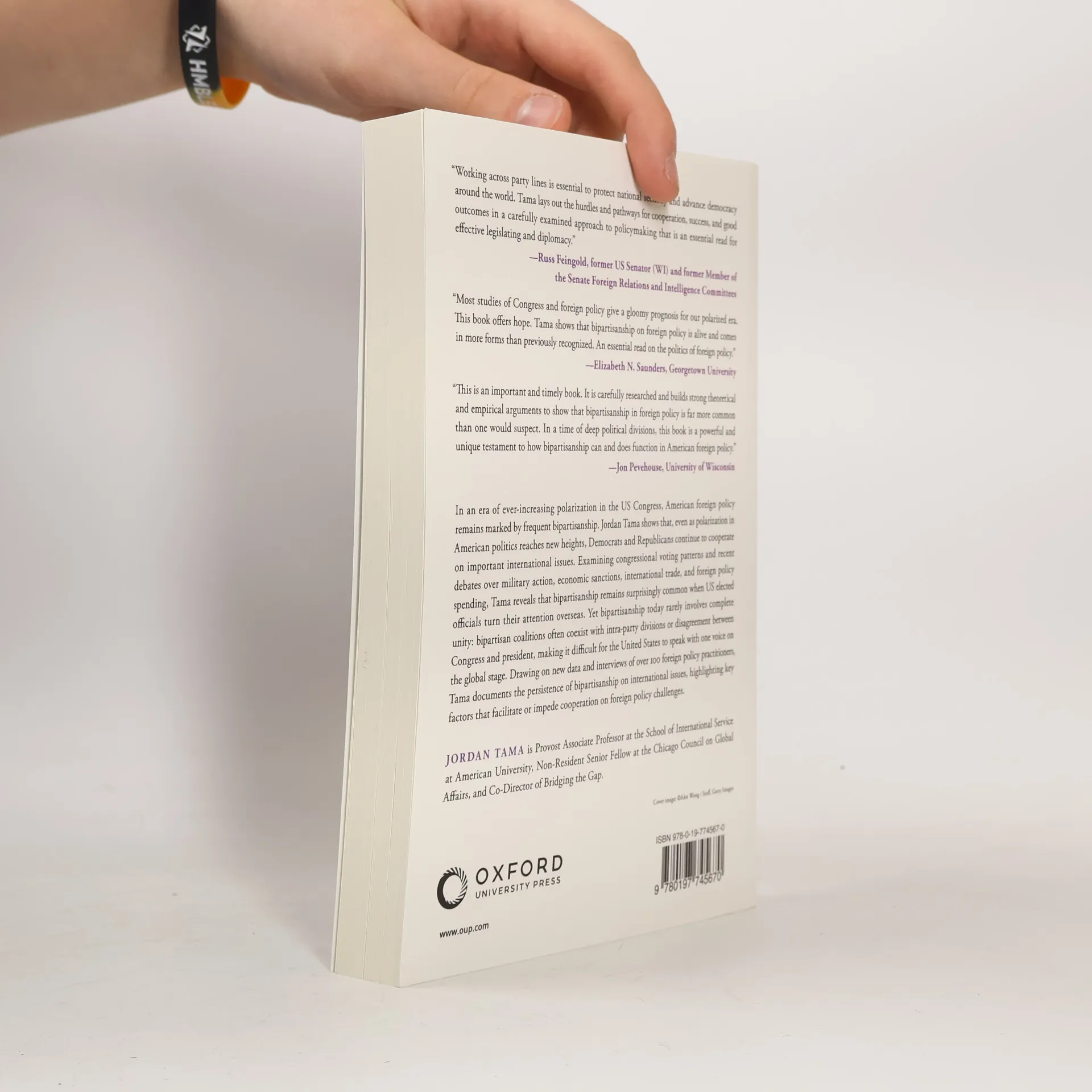
In an era of ever-increasing polarization in the US Congress, American foreign policy remains marked by frequent bipartisanship. In Bipartisanship and US Foreign Policy, Jordan Tama shows that, even as polarization in American politics reaches new heights, Democrats and Republicans in Washington continue to cooperate on important international issues. Looking closely at congressional voting patterns and recent debates over military action, economic sanctions, international trade, and foreign policy spending, Tama reveals that bipartisanship remains surprisingly common when US elected officials turn their attention overseas. Yet bipartisanship today rarely involves complete unity. Instead, bipartisan coalitions spanning members of both parties often coexist with intra-party divisions or disagreement between Congress and the president, making it difficult for the United States to speak with one voice on the global stage. Drawing on new data and interviews of more than 100 foreign policy practitioners, this book documents the persistence of bipartisanship on international issues and highlights key factors that facilitate or impede cooperation on foreign policy challenges.
Acquisto del libro
Bipartisanship and US Foreign Policy, Jordan Tama
- Lingua

- Pubblicato
- 2023
- Rilegatura
- (In brossura),
- Condizioni del libro
- In buone condizioni
- Prezzo
- 13,49 €
Metodi di pagamento
Ancora nessuna valutazione.
- Titolo
- Bipartisanship and US Foreign Policy
- Sottotitolo
- Cooperation in a Polarized Age
- Lingua
- Inglese
- Autori
- Jordan Tama
- Editore
- Oxford University Press
- Pubblicato
- 2023
- Formato
- In brossura
- Pagine
- 336
- ISBN10
- 0197745679
- ISBN13
- 9780197745670
- Serie
- Tag
- Viaggi, Politica, USA, Educazione, istruzione, Teorie Politiche, Relazioni internazionali, Geopolitica, Decisione
- Descrizione
- In an era of ever-increasing polarization in the US Congress, American foreign policy remains marked by frequent bipartisanship. In Bipartisanship and US Foreign Policy, Jordan Tama shows that, even as polarization in American politics reaches new heights, Democrats and Republicans in Washington continue to cooperate on important international issues. Looking closely at congressional voting patterns and recent debates over military action, economic sanctions, international trade, and foreign policy spending, Tama reveals that bipartisanship remains surprisingly common when US elected officials turn their attention overseas. Yet bipartisanship today rarely involves complete unity. Instead, bipartisan coalitions spanning members of both parties often coexist with intra-party divisions or disagreement between Congress and the president, making it difficult for the United States to speak with one voice on the global stage. Drawing on new data and interviews of more than 100 foreign policy practitioners, this book documents the persistence of bipartisanship on international issues and highlights key factors that facilitate or impede cooperation on foreign policy challenges.