

Parametri
- 345pagine
- 13 ore di lettura
Maggiori informazioni sul libro
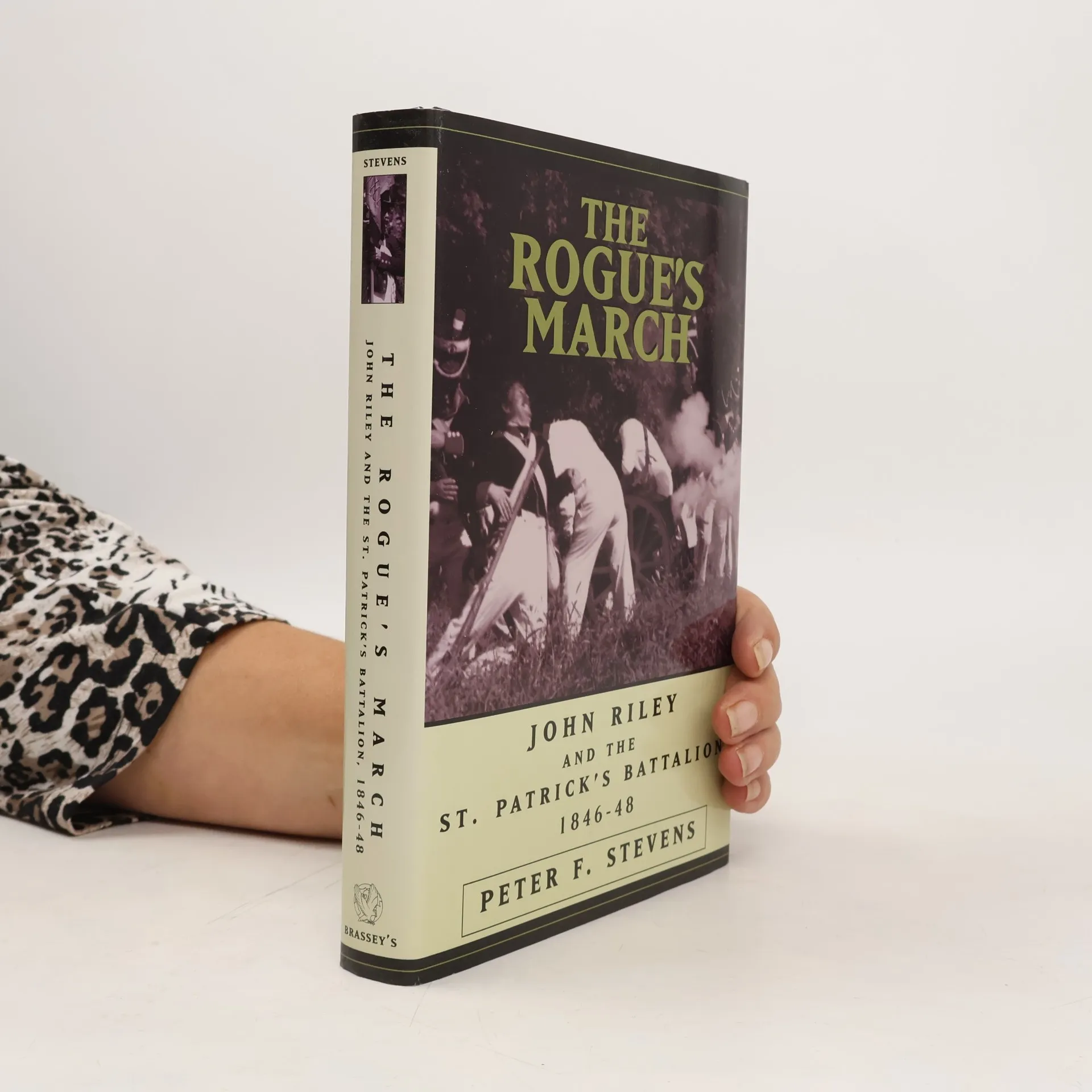
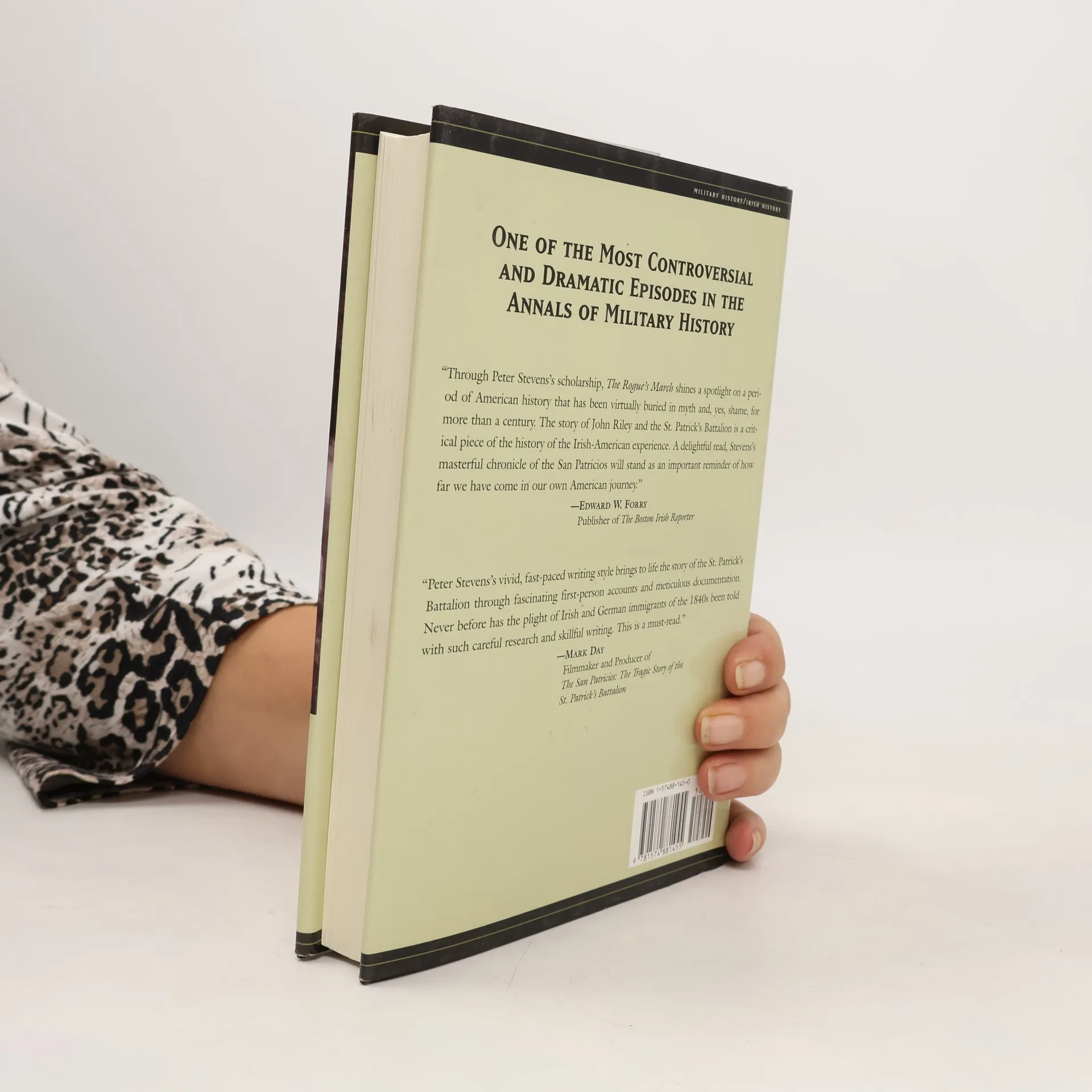
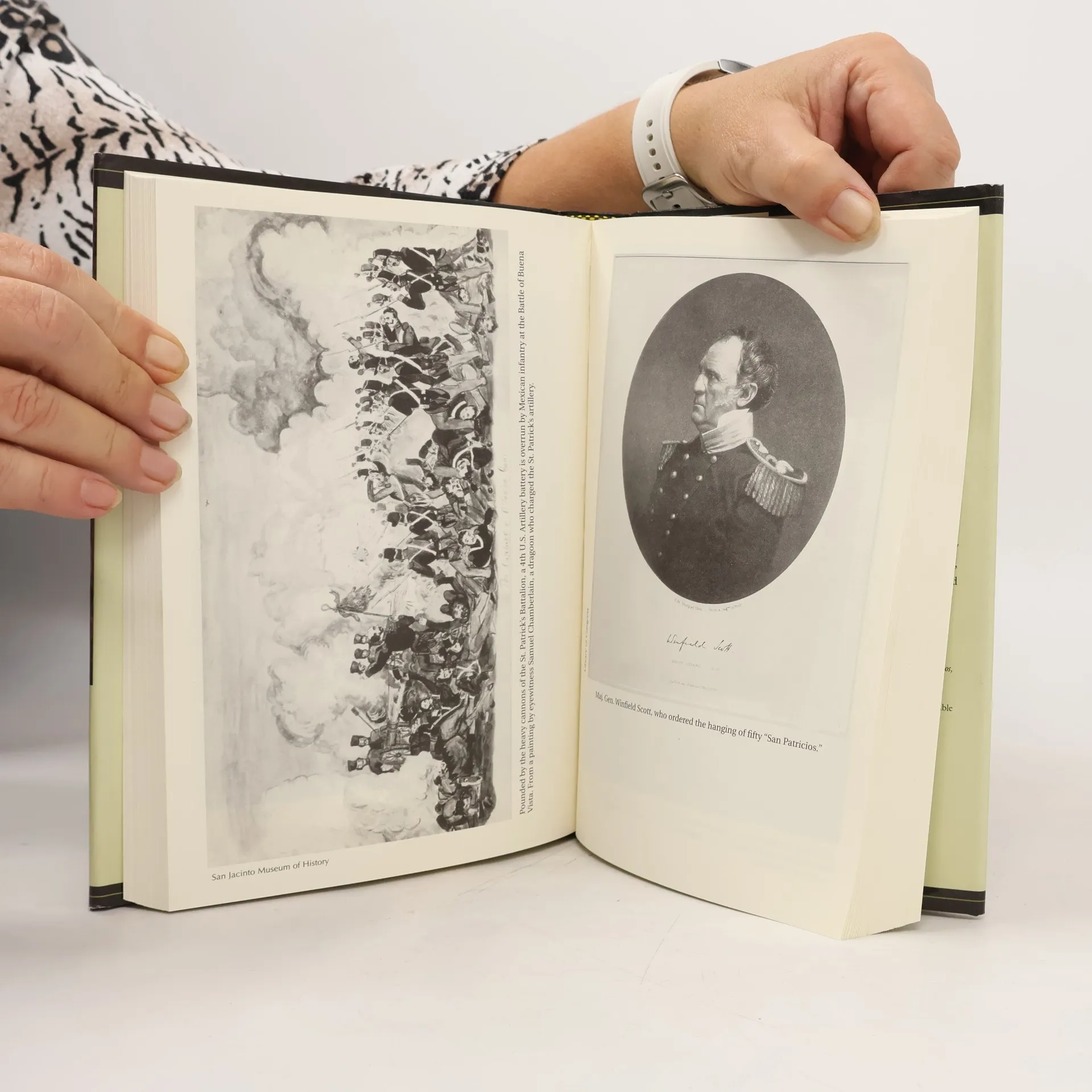
The Rogue's March is the controversial true story of the U.S. Army deserters - the majority of them Irish immigrants - who fought valiantly as a Mexican Army unit during the Mexican War of 1846-48. During the Mexican War, many junior U.S. Army officers such as Robert E. Lee, Ulysses S. Grant, Thomas Jackson, George B. McClellan, and Jefferson Davis were split not only on the issues of slavery and the war's morality, but also on a third volatile element: the organized prejudice against Irish Catholic and German immigrants known as Nativism. Nowhere did this anti-Catholic, anti-foreigner movement rage more harshly than in the U.S. Army, where Irish immigrants alone filled nearly half the ranks. When a tall, charismatic Galwayman named John Riley decided he had suffered enough indignities, he crossed over to the Mexican lines. Others followed. Led by Riley and fighting under a green banner emblazoned with the Celtic harp, the predominantly Irish St. Patrick's Battalion inflicted on the U.S. Army its highest losses in history to that time. But the moment the Stars and Stripes were ultimately raised in triumph, it was the fate of many of the deserters to die on the gallows. For decades, the U.S. Army hid from the American public the embarrassing defection, while Mexico, to this day, celebrates the "San Patricios" as national heroes.
Acquisto del libro
The Rogue's March, Peter F. Stevens
- Lingua

- Pubblicato
- 1999
- Rilegatura
- (Copertina rigida),
- Condizioni del libro
- In buone condizioni
- Prezzo
- 15,99 €
Metodi di pagamento
Ancora nessuna valutazione.
- Titolo
- The Rogue's March
- Sottotitolo
- John Riley and the St. Patrick's Battalion 1846-48
- Lingua
- Inglese
- Autori
- Peter F. Stevens
- Editore
- University of Nebraska Press
- Pubblicato
- 1999
- Formato
- Copertina rigida
- Pagine
- 345
- ISBN10
- 1574881450
- ISBN13
- 9781574881455
- Serie
- Descrizione
- The Rogue's March is the controversial true story of the U.S. Army deserters - the majority of them Irish immigrants - who fought valiantly as a Mexican Army unit during the Mexican War of 1846-48. During the Mexican War, many junior U.S. Army officers such as Robert E. Lee, Ulysses S. Grant, Thomas Jackson, George B. McClellan, and Jefferson Davis were split not only on the issues of slavery and the war's morality, but also on a third volatile element: the organized prejudice against Irish Catholic and German immigrants known as Nativism. Nowhere did this anti-Catholic, anti-foreigner movement rage more harshly than in the U.S. Army, where Irish immigrants alone filled nearly half the ranks. When a tall, charismatic Galwayman named John Riley decided he had suffered enough indignities, he crossed over to the Mexican lines. Others followed. Led by Riley and fighting under a green banner emblazoned with the Celtic harp, the predominantly Irish St. Patrick's Battalion inflicted on the U.S. Army its highest losses in history to that time. But the moment the Stars and Stripes were ultimately raised in triumph, it was the fate of many of the deserters to die on the gallows. For decades, the U.S. Army hid from the American public the embarrassing defection, while Mexico, to this day, celebrates the "San Patricios" as national heroes.