

Maggiori informazioni sul libro
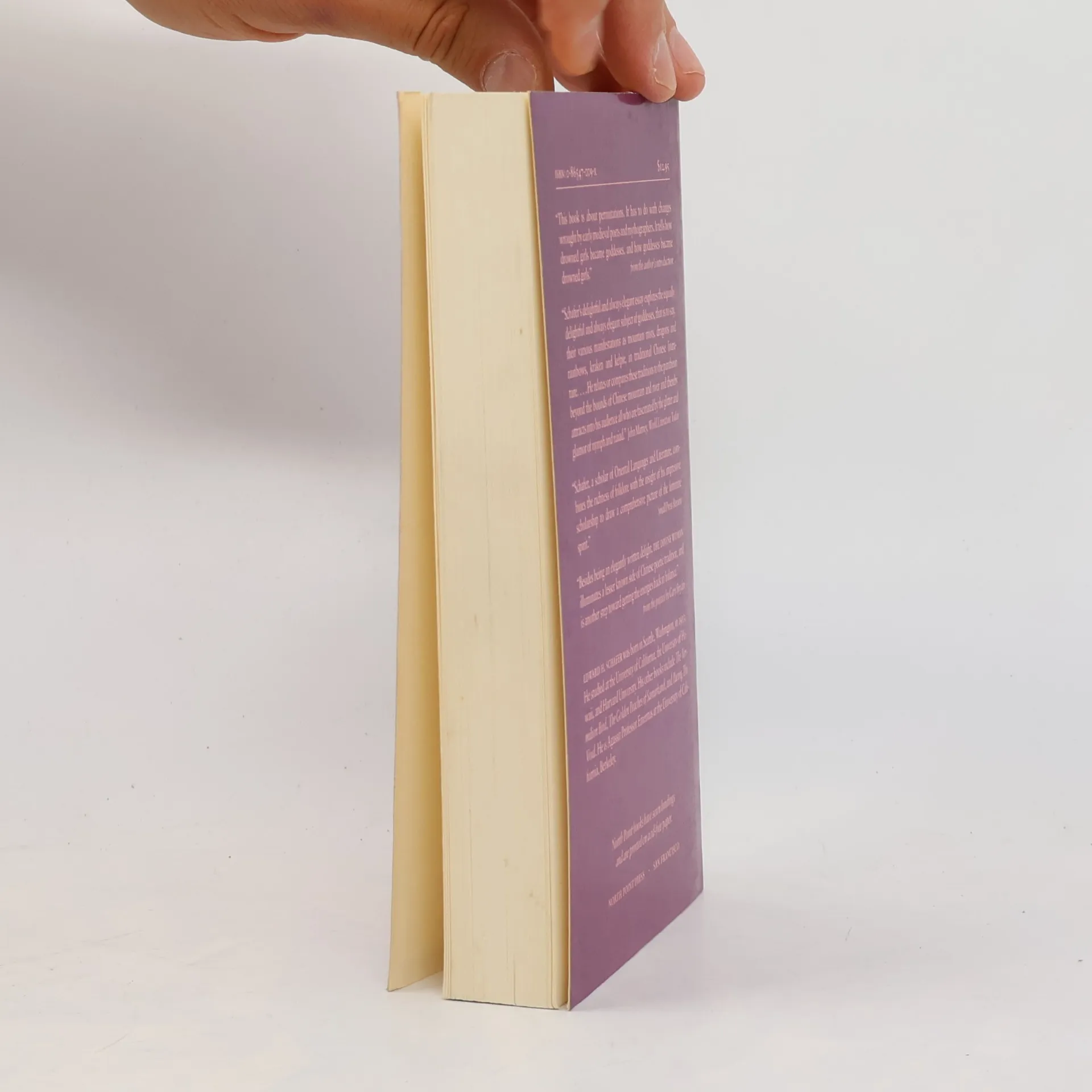
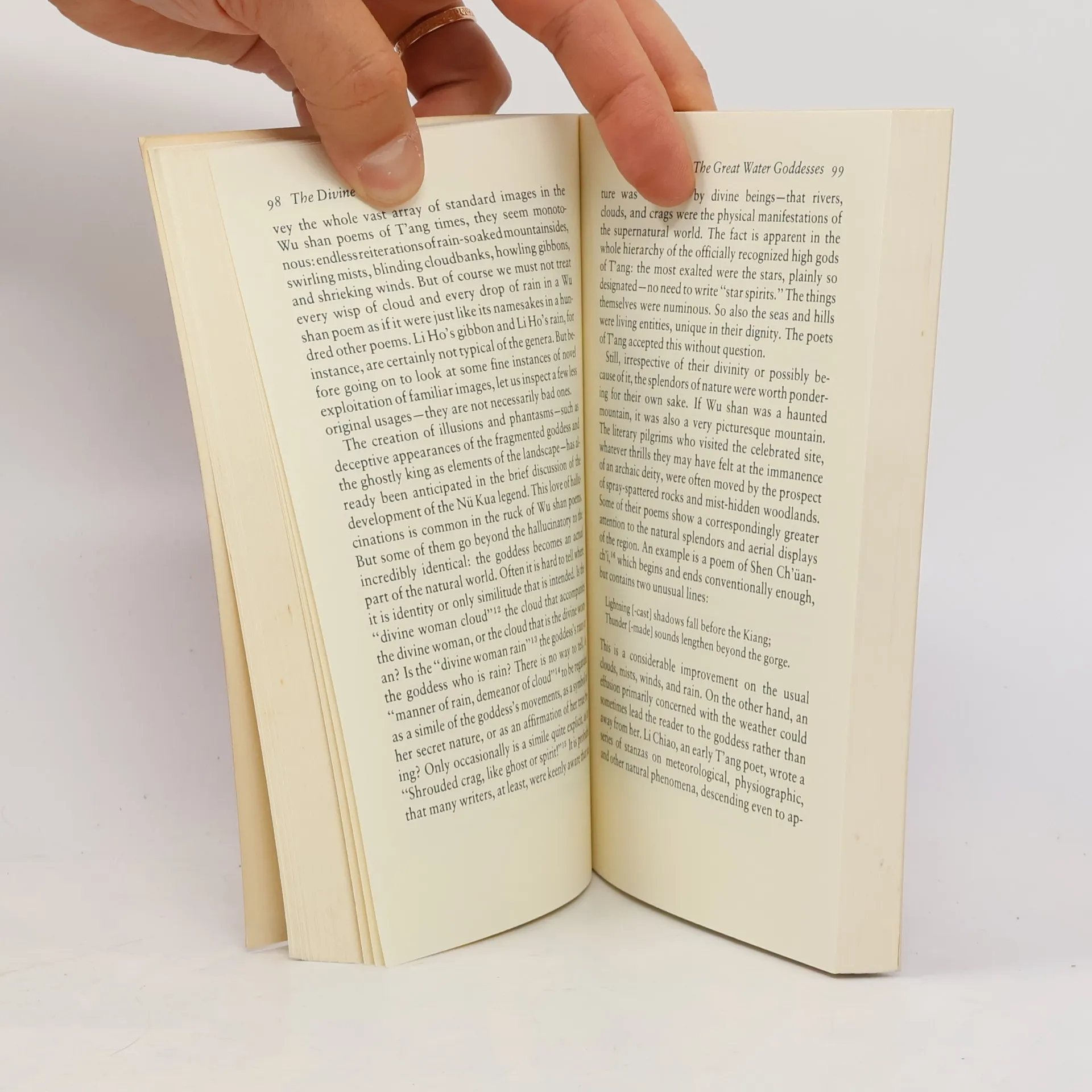
This important exploration of Chinese mythology focuses on the diverse and evocative associations between women and water in the literature of the T'ang dynasty as well as in the enormous classical canon it inherited. By extension, it peers from medieval China back into the mists of ancient days, when snake queens, river goddesses, and dragon ladies ruled over the vast seas, great river courses, and heavenly sources of water, deities who had to be placated by shaman intercessors chanting hymns lost even by the T'ang. As with his other notable works, Professor Schafer's meticulous researches into the material culture of the past, coupled with a delightful writing style, allow us to better appreciate the literature of the T'ang by clarifying important contemporaneous symbols of fertility, mutability, and power, including the wondrous and ubiquitous dragon.
Acquisto del libro
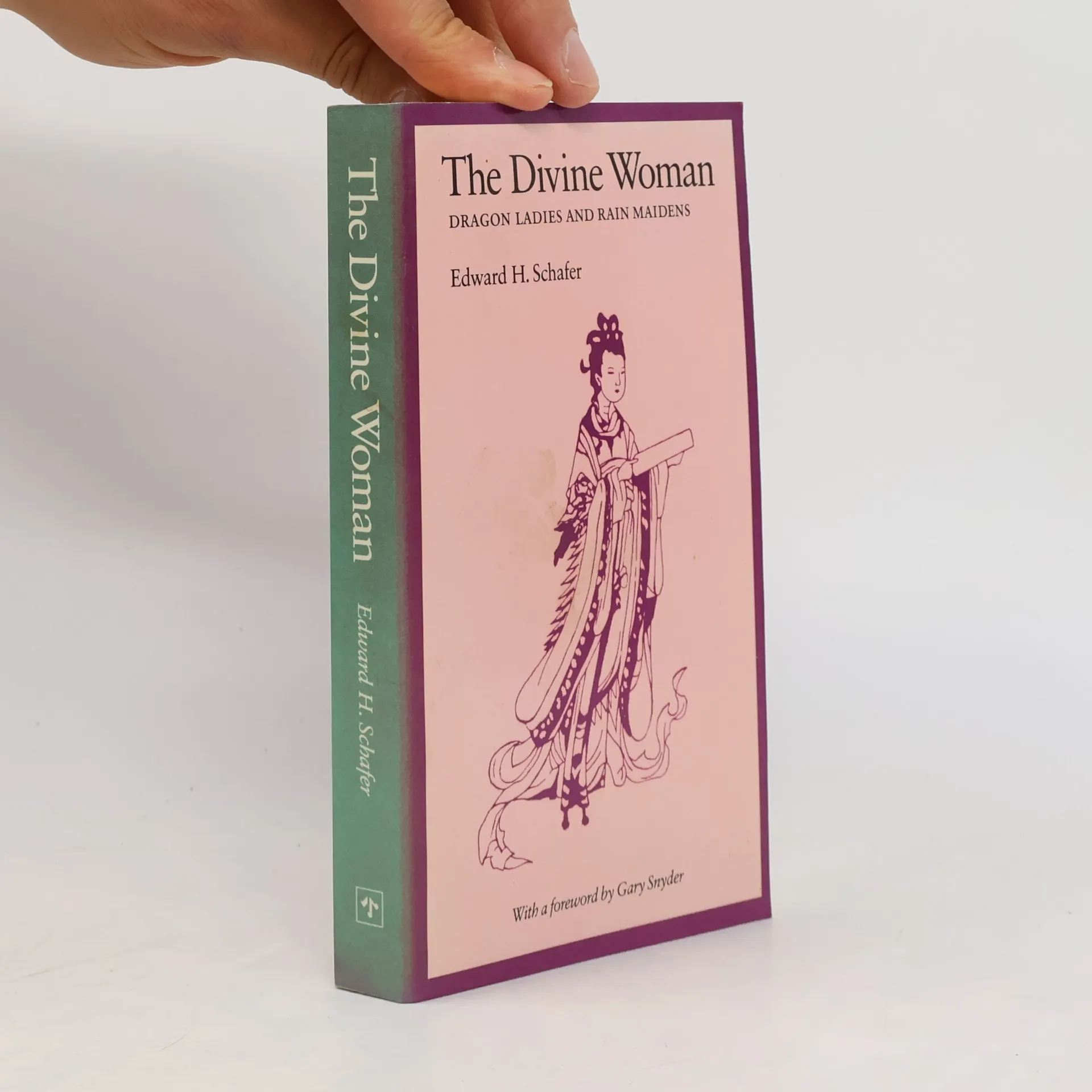
The Divine Woman, Edward H. Schafer, Gary Snyder
- Lingua

- Pubblicato
- 1980
- Rilegatura
- (In brossura),
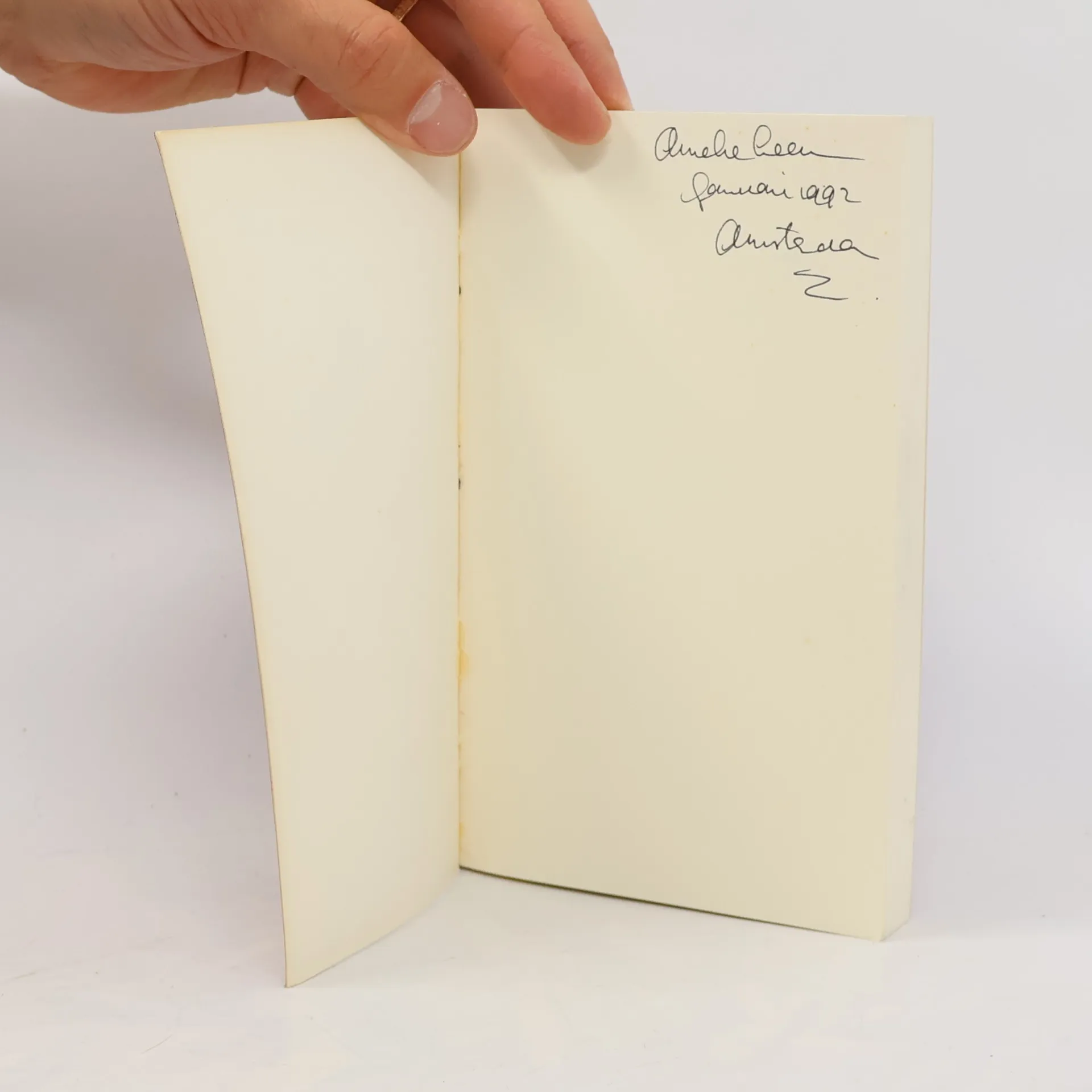
- Condizioni del libro
- Danneggiato
- Prezzo
- 8,59 €
Metodi di pagamento
Ancora nessuna valutazione.
- Titolo
- The Divine Woman
- Sottotitolo
- Dragon Ladies and Rain Maidens in T'ang Literature
- Lingua
- Inglese
- Autori
- Edward H. Schafer, Gary Snyder
- Editore
- North Point Press
- Pubblicato
- 1980
- Formato
- In brossura
- Pagine
- 239
- ISBN10
- 086547009X
- ISBN13
- 9780865470095
- Serie
- Descrizione
- This important exploration of Chinese mythology focuses on the diverse and evocative associations between women and water in the literature of the T'ang dynasty as well as in the enormous classical canon it inherited. By extension, it peers from medieval China back into the mists of ancient days, when snake queens, river goddesses, and dragon ladies ruled over the vast seas, great river courses, and heavenly sources of water, deities who had to be placated by shaman intercessors chanting hymns lost even by the T'ang. As with his other notable works, Professor Schafer's meticulous researches into the material culture of the past, coupled with a delightful writing style, allow us to better appreciate the literature of the T'ang by clarifying important contemporaneous symbols of fertility, mutability, and power, including the wondrous and ubiquitous dragon.