

Maggiori informazioni sul libro
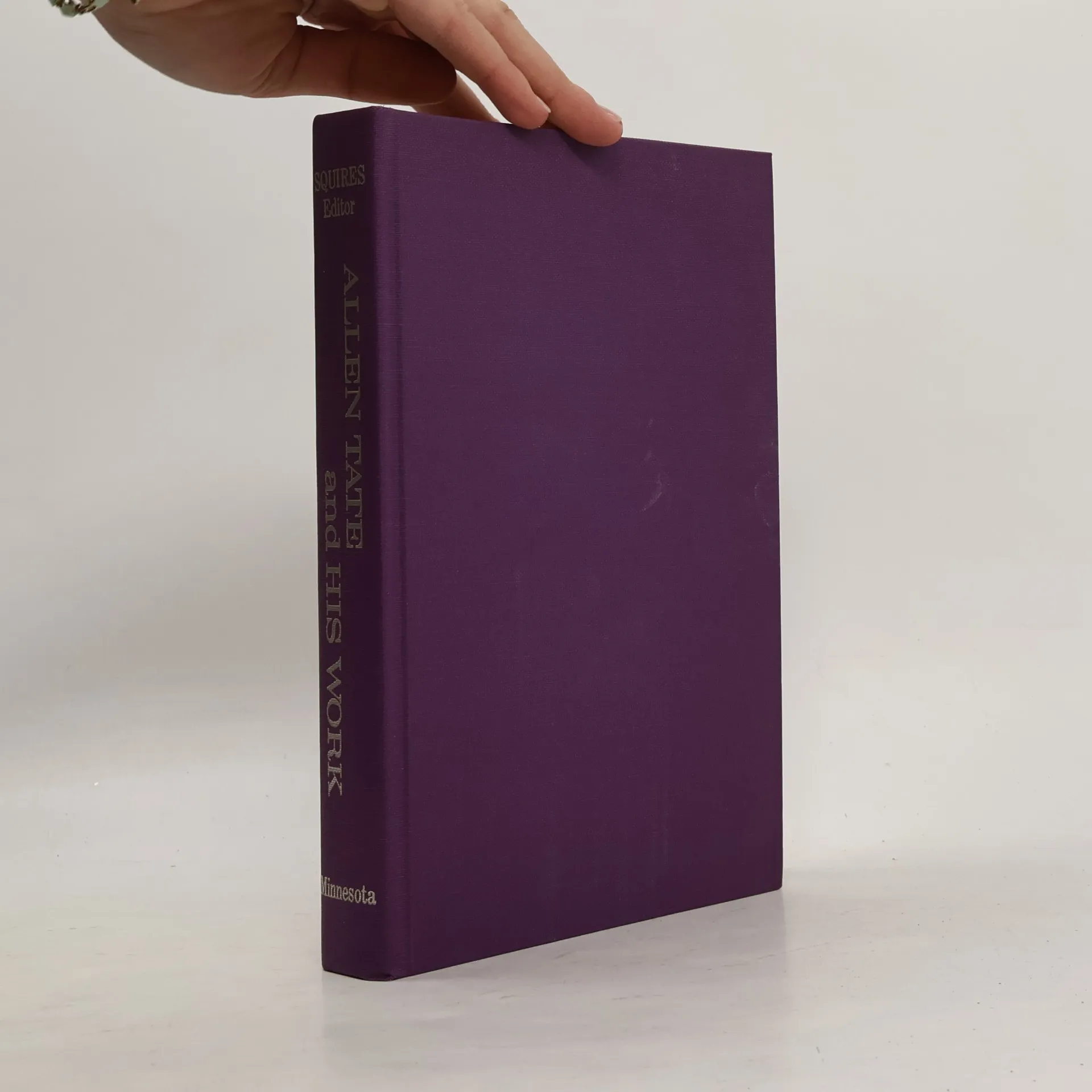
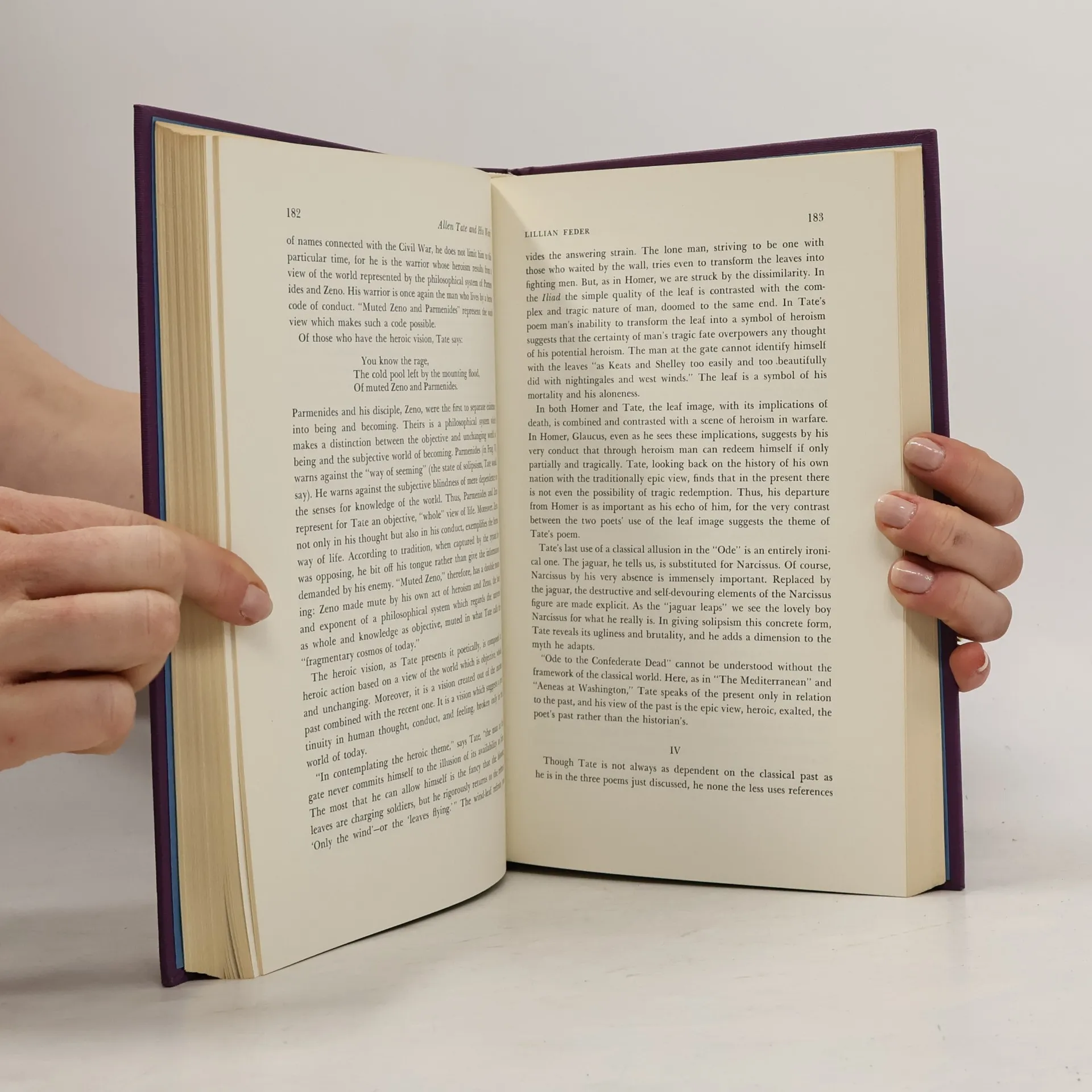
Allen Tate and His Work, first published in 1972, features thirty-five essays and memoirs that provide a multifaceted view of Tate's life and career as a poet, critic, and novelist. The collection, introduced by Radcliffe Squires, is divided into sections titled "The Man," "The Essayist," "The Novelist," and "The Poet," reflecting the diverse nature of Tate's achievements. Squires notes that while these divisions serve as a convenient structure, they ultimately highlight the unity of Tate's work, all stemming from the same energy and insights. He likens Tate's aim to a physics experiment that teaches about pressure, suggesting that Tate's poetry, fiction, and essays apply pressure to reveal a stark portrayal of human flaws and the world's evils, prompting a longing for divine intervention. This endeavor addresses the modern man's struggle against self-absorption and pride, which threaten to engulf him in a fabricated reality. The selections, originally published in various periodicals and books, are accompanied by a substantial bibliography, ensuring a comprehensive understanding of Tate's contributions.
Acquisto del libro
Allen Tate and His Work, Radcliffe Squires
- Lingua

- Pubblicato
- 1972
- Rilegatura
- (Copertina rigida),
- Condizioni del libro
- In buone condizioni
- Prezzo
- 6,09 €
Metodi di pagamento
Ancora nessuna valutazione.
- Titolo
- Allen Tate and His Work
- Sottotitolo
- Critical Evaluations
- Lingua
- Inglese
- Autori
- Radcliffe Squires
- Pubblicato
- 1972
- Formato
- Copertina rigida
- Pagine
- 355
- ISBN10
- 0816606277
- ISBN13
- 9780816606276
- Serie
- Descrizione
- Allen Tate and His Work, first published in 1972, features thirty-five essays and memoirs that provide a multifaceted view of Tate's life and career as a poet, critic, and novelist. The collection, introduced by Radcliffe Squires, is divided into sections titled "The Man," "The Essayist," "The Novelist," and "The Poet," reflecting the diverse nature of Tate's achievements. Squires notes that while these divisions serve as a convenient structure, they ultimately highlight the unity of Tate's work, all stemming from the same energy and insights. He likens Tate's aim to a physics experiment that teaches about pressure, suggesting that Tate's poetry, fiction, and essays apply pressure to reveal a stark portrayal of human flaws and the world's evils, prompting a longing for divine intervention. This endeavor addresses the modern man's struggle against self-absorption and pride, which threaten to engulf him in a fabricated reality. The selections, originally published in various periodicals and books, are accompanied by a substantial bibliography, ensuring a comprehensive understanding of Tate's contributions.