

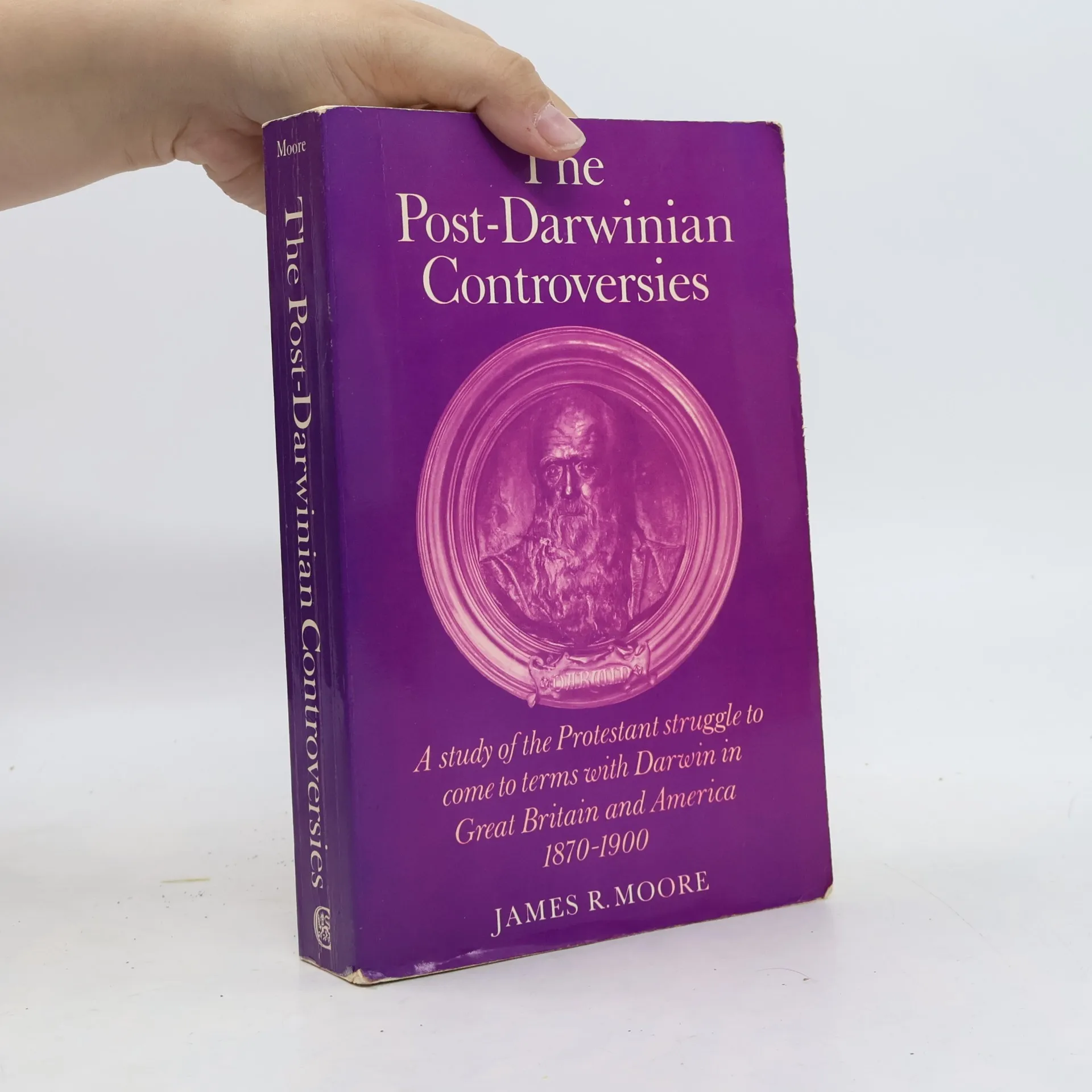


The Post-Darwinian Controversies
A Study of the Protestant Struggle to Come to Terms with Darwin in Great Britain and America, 1870-1900
Autori
Maggiori informazioni sul libro
The Post-Darwinian Controversies offers an original interpretation of Protestant responses to Darwin after 1870, viewing them in a transatlantic perspective and as a constitutive part of the history of post-Darwinian evolutionary thought. The impact of evolutionary theory on the religious consciousness of the nineteenth century has commonly been seen in terms of a 'conflict' or 'warfare' between science and theology. Dr. Moore's account begins by discussing the polemical origins and baneful effects of the 'military metaphor', and this leads to a revised view of the controversies based on an analysis of the underlying intellectual struggle to come to terms with Darwin. The middle section of the book distinguishes the 'Darwinism' of Darwin himself amid the main currents of post-Darwinian evolutionary thought, and is followed by chapters which examine the responses to Darwin of twenty-eight Christian controversialists, tracing the philosophical and theological lineage of their views. The paradox that emerges - that Darwin's theory was accepted in substance only by those whose theology was distinctly orthodox theology and of other evolutionary theories with liberal and romantic theological speculation.
Acquisto del libro
The Post-Darwinian Controversies, James Moore
- Lingua

- Pubblicato
- 1981
- Rilegatura
- (In brossura),
- Condizioni del libro
- In buone condizioni
- Prezzo
- 6,09 €
Metodi di pagamento
Ancora nessuna valutazione.
- Titolo
- The Post-Darwinian Controversies
- Sottotitolo
- A Study of the Protestant Struggle to Come to Terms with Darwin in Great Britain and America, 1870-1900
- Lingua
- Inglese
- Autori
- James Moore
- Editore
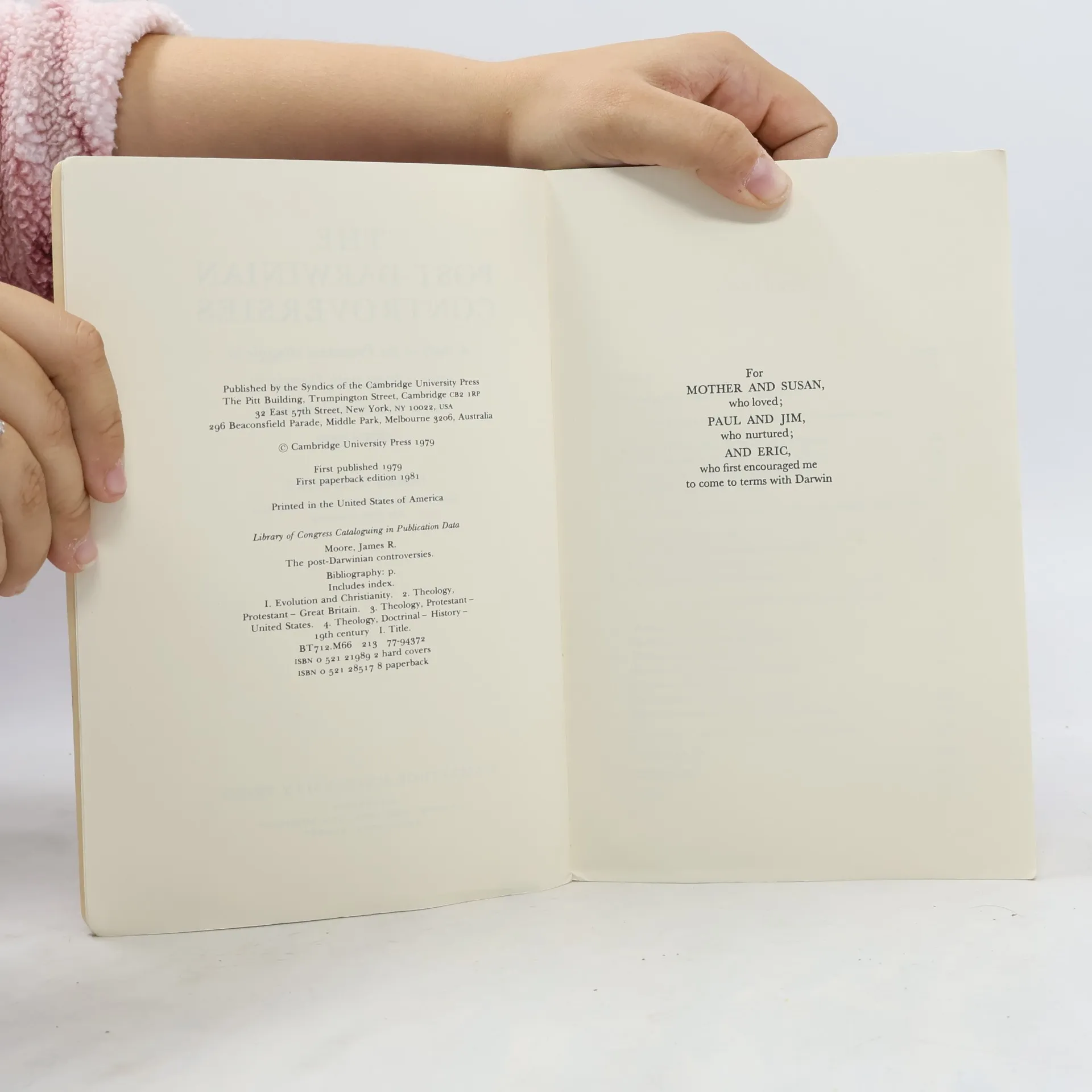
- Cambridge University Press
- Pubblicato
- 1981
- Formato
- In brossura
- Pagine
- 514
- ISBN10
- 0521285178
- ISBN13
- 9780521285179
- Serie
- Categoria
- Tag
- Scienza
- Descrizione
- The Post-Darwinian Controversies offers an original interpretation of Protestant responses to Darwin after 1870, viewing them in a transatlantic perspective and as a constitutive part of the history of post-Darwinian evolutionary thought. The impact of evolutionary theory on the religious consciousness of the nineteenth century has commonly been seen in terms of a 'conflict' or 'warfare' between science and theology. Dr. Moore's account begins by discussing the polemical origins and baneful effects of the 'military metaphor', and this leads to a revised view of the controversies based on an analysis of the underlying intellectual struggle to come to terms with Darwin. The middle section of the book distinguishes the 'Darwinism' of Darwin himself amid the main currents of post-Darwinian evolutionary thought, and is followed by chapters which examine the responses to Darwin of twenty-eight Christian controversialists, tracing the philosophical and theological lineage of their views. The paradox that emerges - that Darwin's theory was accepted in substance only by those whose theology was distinctly orthodox theology and of other evolutionary theories with liberal and romantic theological speculation.