

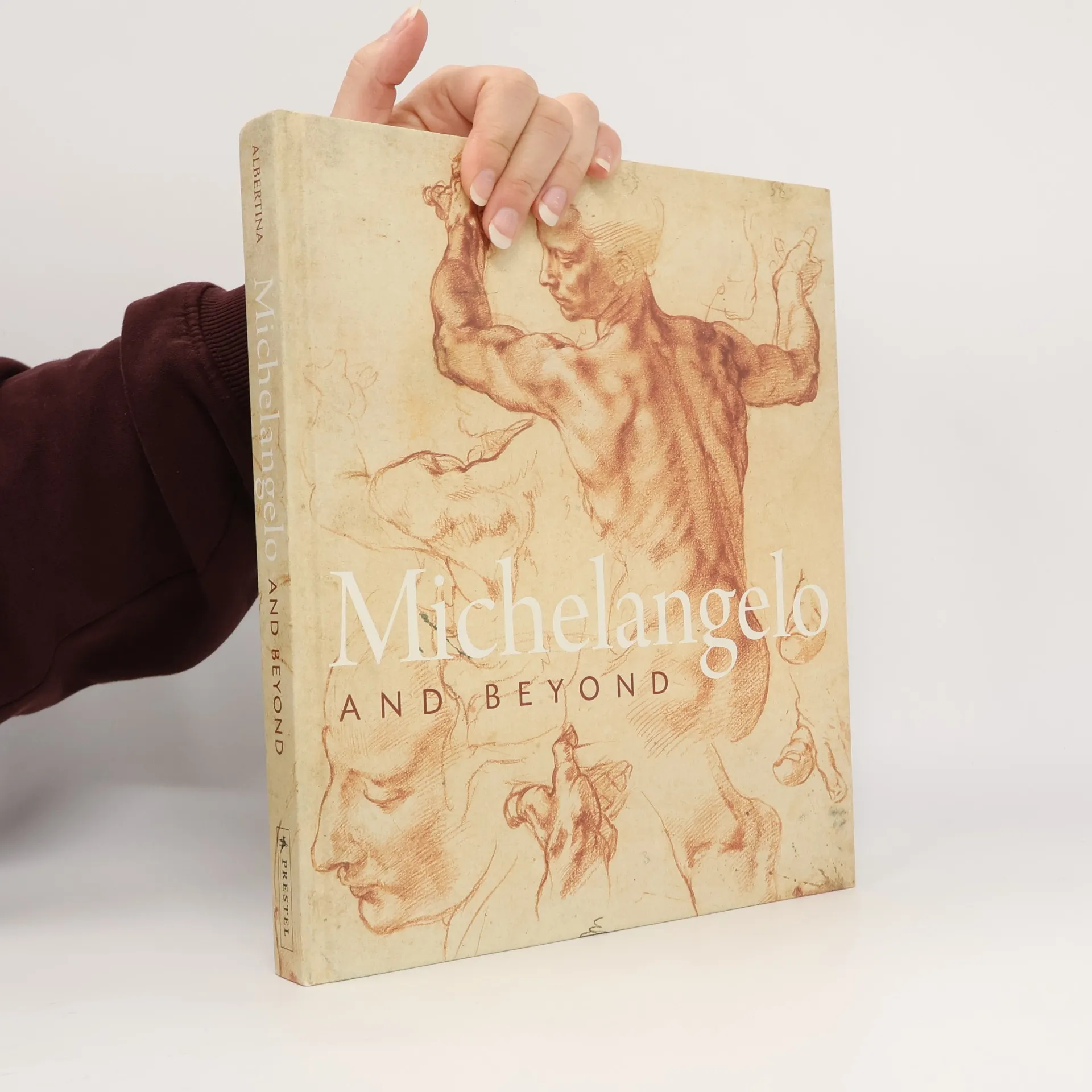
Albertina: Michelangelo and Beyond
Parametri
- 264pagine
- 10 ore di lettura
Maggiori informazioni sul libro
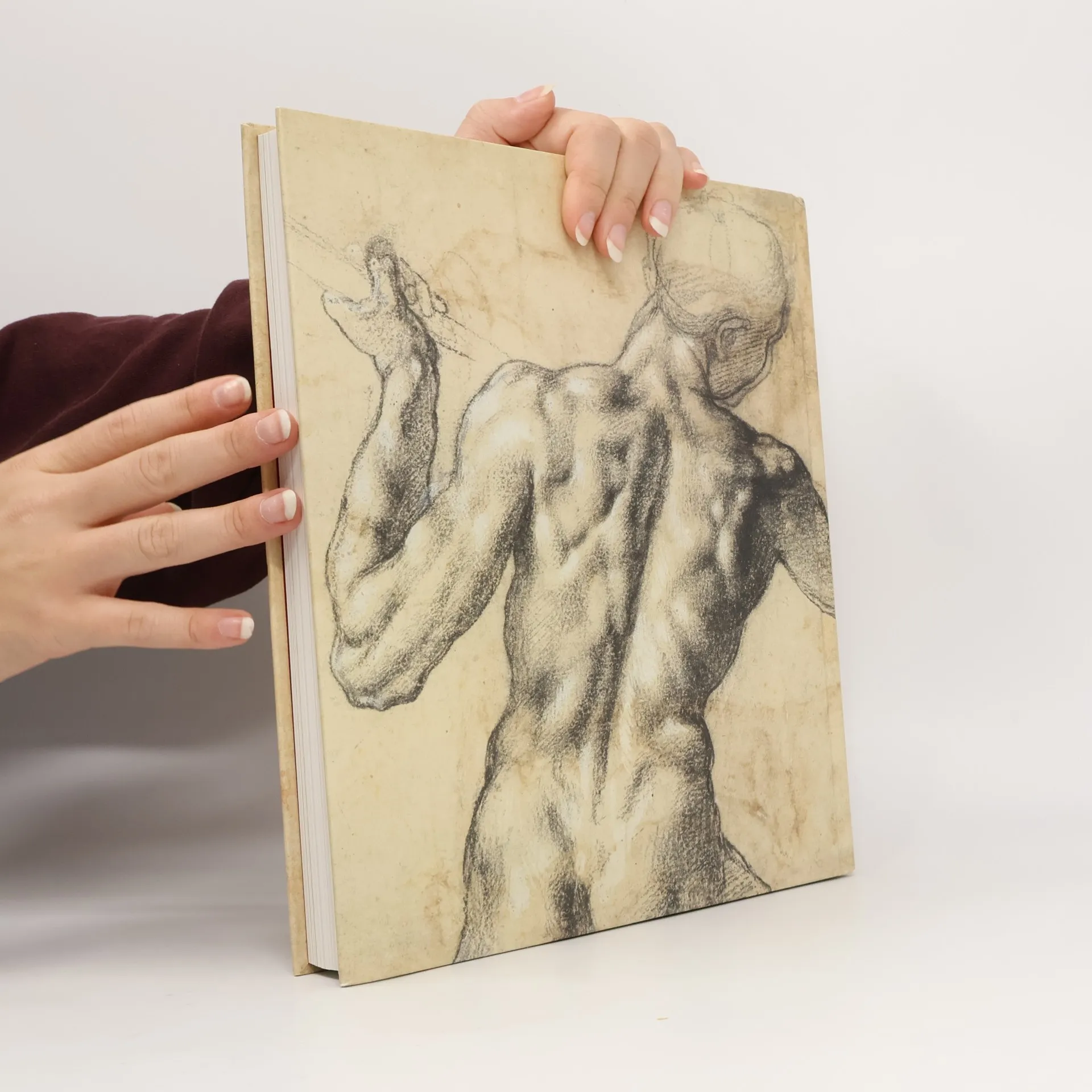
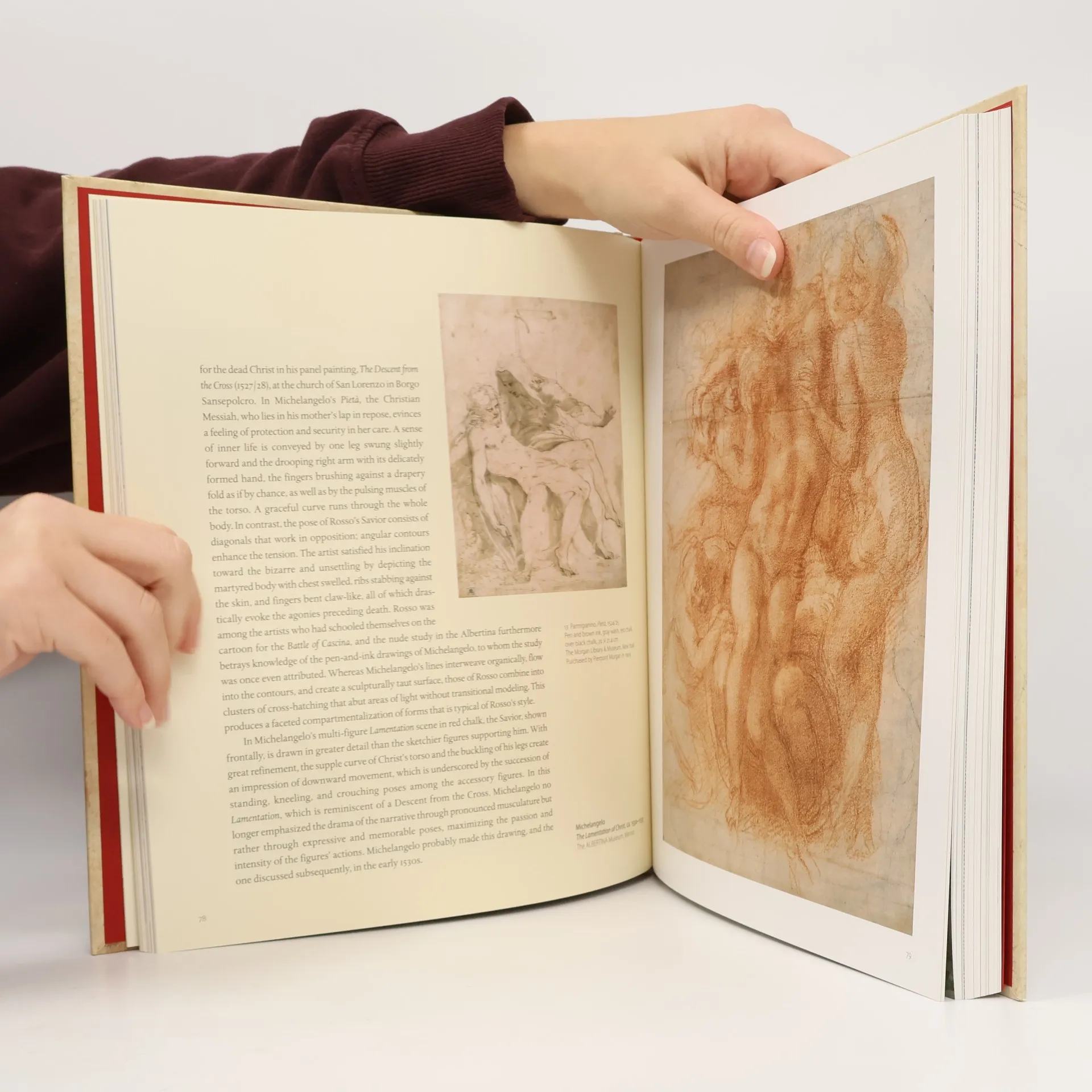
This exhibition catalog charts the evolution of figure drawing in the western world, starting with Michelangelo, and explores his enormous influence over his contemporaries and later generations.Michelangelo’s nude drawings are celebrated for their depiction of the heroic figure. Emanating exceptional strength, monumentality, and vigorous emotions, his nudes became the standard bearers for centuries of figure drawing. This book examines the legacy of that ideal, through highly engaging texts and luminous reproductions of drawings, prints, and sculptures. In addition to key works by Michelangelo—including drawings for the Sistine Chapel, the unfinished fresco of the Battle of Cascina , and the tomb of Pope Julius II—readers will discover works by Raphael, Dürer, Rembrandt, Rubens, Klimt, and Schiele.Each chapter highlights a significant aspect of Michelangelo’s ideal of the human body and investigates its influence and adaptation by his contemporaries and subsequent artists. Topics such as depictions of Adam and Eve, the Crucifixion and the Pietà, and motifs from mythology such as the Labors of Hercules; how Michelangelo’s methods were taught in art schools from the 17th to the 19th century; the emergence of woman as subject; and the decline of the idealized human figure during modernism. These side-by-side comparisons provide generous insights into how artists portrayed the human body—as a model of virtue and heroism, and as a conveyor of vice and fragility. Together these texts and examples provide the perfect resource for students of the human form and of the history of western art.
Acquisto del libro
Albertina: Michelangelo and Beyond, Eva Michel, Albrencht Karl Schröder
- Lingua

- Pubblicato
- 2023
- Rilegatura
- (Copertina rigida),
- Condizioni del libro
- In ottime condizioni
- Prezzo
- 20,89 €
Metodi di pagamento
Ancora nessuna valutazione.
- Titolo
- Albertina: Michelangelo and Beyond
- Lingua
- Inglese
- Editore
- Prestel Verlag GmbH & Co KG.
- Pubblicato
- 2023
- Formato
- Copertina rigida
- Pagine
- 264
- ISBN10
- 3791377167
- ISBN13
- 9783791377162
- Serie
- Categoria
- Tag
- Tema stórico, Tematica filosofica, Arte, Tematica musicale, Architettura, Spiritualità e Religione, Cataloghi di mostre, Festività, Teologia, Inghilterra, Medioevo, Femminismo, Storia dell'arte, Tempi antichi, Storia d'Europa, Matrimonio, Scrittura, Opere Complete, Creatività, Diari, Roma, Genere, Artisti, Gravidanza, Rinascimento, Musica Classica, Scultura, Venezia, Estetica, Opere e Operette, Ceramiche, Balletto, Artista donna, Arte Rinascimentale
- Descrizione
- This exhibition catalog charts the evolution of figure drawing in the western world, starting with Michelangelo, and explores his enormous influence over his contemporaries and later generations.Michelangelo’s nude drawings are celebrated for their depiction of the heroic figure. Emanating exceptional strength, monumentality, and vigorous emotions, his nudes became the standard bearers for centuries of figure drawing. This book examines the legacy of that ideal, through highly engaging texts and luminous reproductions of drawings, prints, and sculptures. In addition to key works by Michelangelo—including drawings for the Sistine Chapel, the unfinished fresco of the Battle of Cascina , and the tomb of Pope Julius II—readers will discover works by Raphael, Dürer, Rembrandt, Rubens, Klimt, and Schiele.Each chapter highlights a significant aspect of Michelangelo’s ideal of the human body and investigates its influence and adaptation by his contemporaries and subsequent artists. Topics such as depictions of Adam and Eve, the Crucifixion and the Pietà, and motifs from mythology such as the Labors of Hercules; how Michelangelo’s methods were taught in art schools from the 17th to the 19th century; the emergence of woman as subject; and the decline of the idealized human figure during modernism. These side-by-side comparisons provide generous insights into how artists portrayed the human body—as a model of virtue and heroism, and as a conveyor of vice and fragility. Together these texts and examples provide the perfect resource for students of the human form and of the history of western art.