

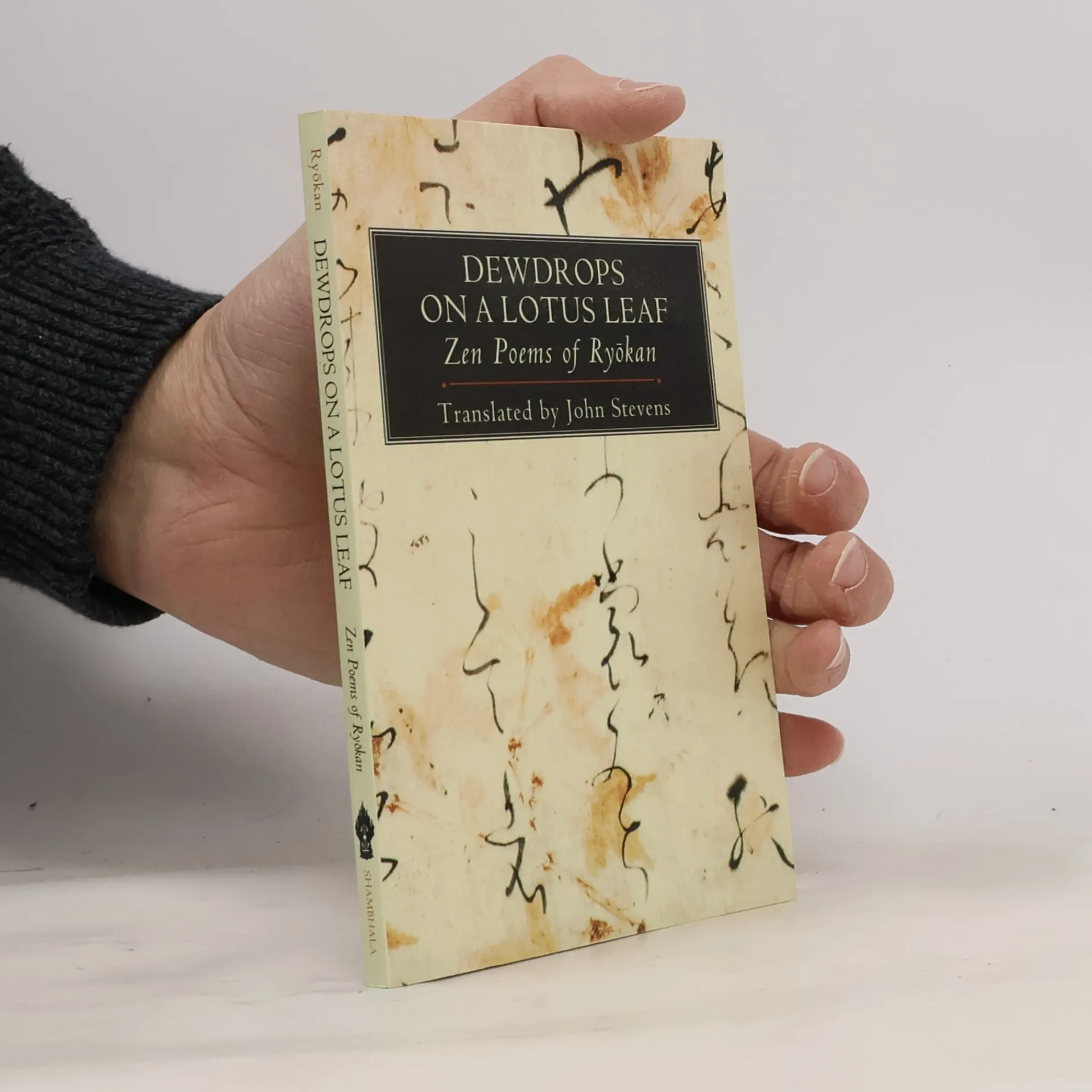
Dewdrops on a Lotus Leaf
Zen Poems of Ryokan
Maggiori informazioni sul libro
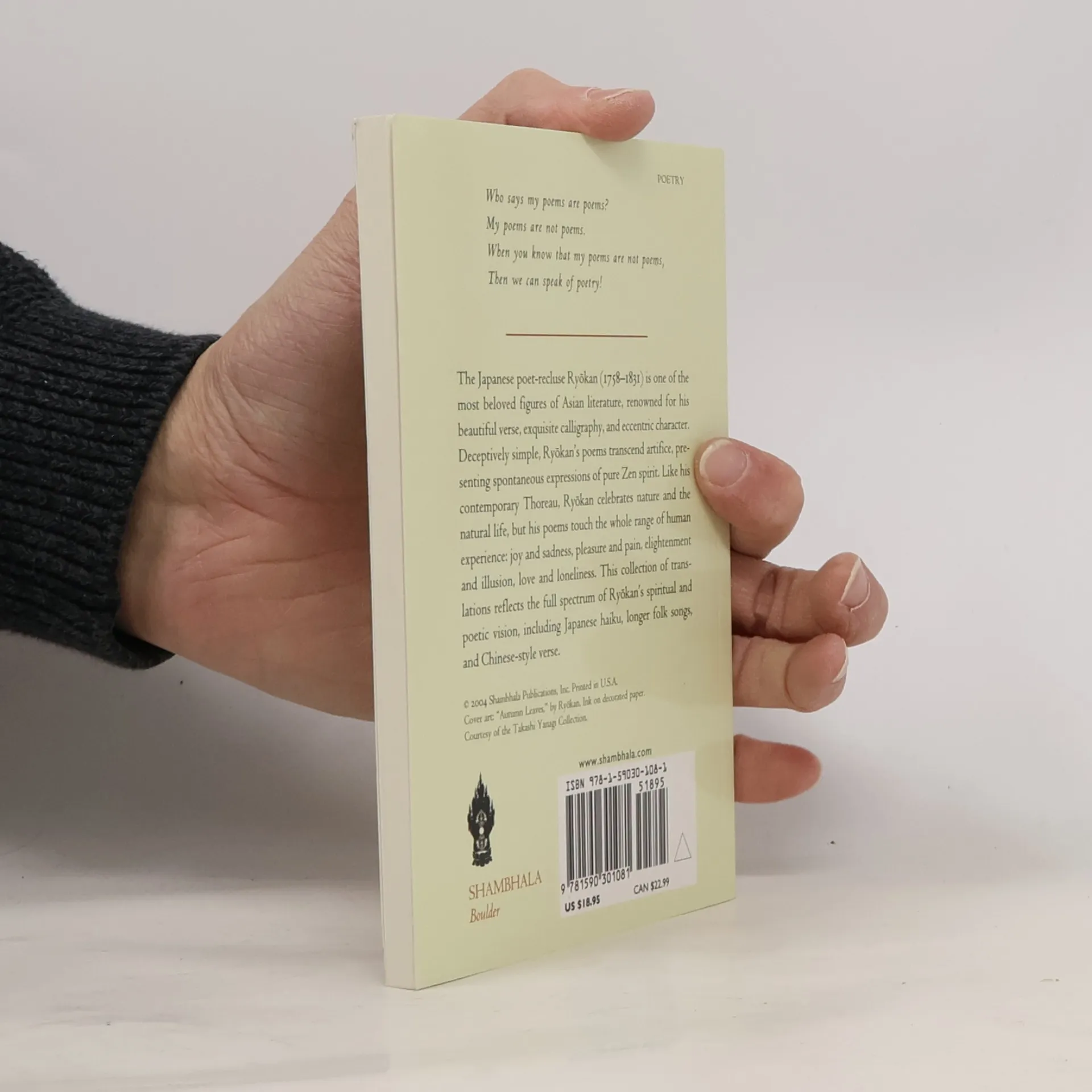
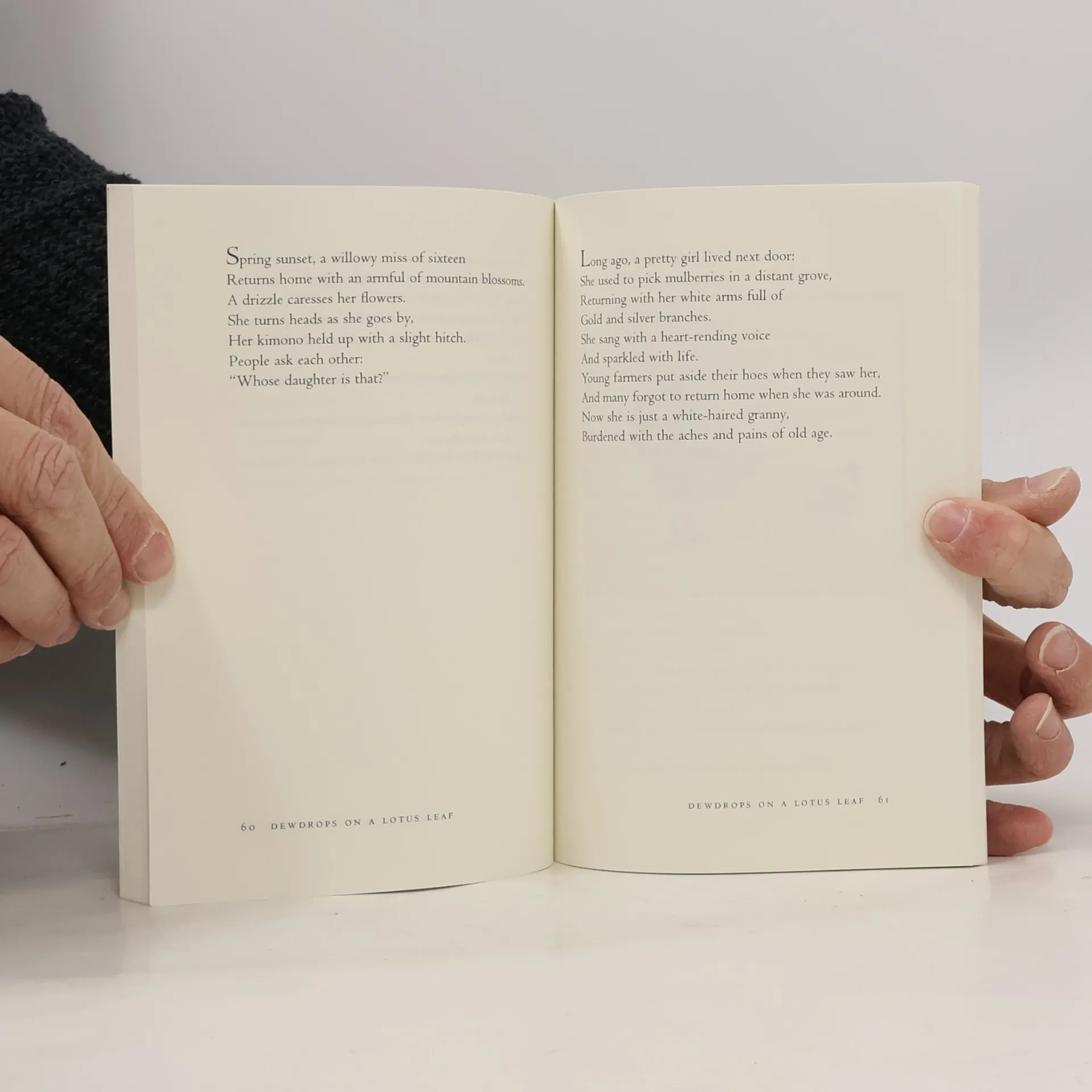
The Japanese poet-recluse Ryōkan (1758–1831) is one of the most beloved figures of Asian literature, renowned for his beautiful verse, exquisite calligraphy, and eccentric character. Deceptively simple, Ryōkan's poems transcend artifice, presenting spontaneous expressions of pure Zen spirit. Like his contemporary Thoreau, Ryōkan celebrates nature and the natural life, but his poems touch the whole range of human experience: joy and sadness, pleasure and pain, enlightenment and illusion, love and loneliness. This collection of translations reflects the full spectrum of Ryōkan's spiritual and poetic vision, including Japanese haiku, longer folk songs, and Chinese-style verse. Fifteen ink paintings by Koshi no Sengai (1895–1958) complement these translations and beautifully depict the spirit of this famous poet.
Acquisto del libro
Dewdrops on a Lotus Leaf, John Stevens, Meister Ryokan, Ryōkan
- Lingua

- Pubblicato
- 2004
- Rilegatura
- (In brossura),
- Condizioni del libro
- In ottime condizioni
- Prezzo
- 8,59 €
Metodi di pagamento
Ancora nessuna valutazione.
- Titolo
- Dewdrops on a Lotus Leaf
- Sottotitolo
- Zen Poems of Ryokan
- Lingua
- Inglese
- Autori
- John Stevens, Meister Ryokan, Ryōkan
- Editore
- Shambhala Publications Inc
- Pubblicato
- 2004
- Formato
- In brossura
- Pagine
- 120
- ISBN10
- 1590301080
- ISBN13
- 9781590301081
- Serie
- Categoria
- Tag
- Temi religiosi, Tematica filosofica, Arte, Amore, Raccolte, antologie, Spiritualità e Religione, Racconti, Giappone, Libri regalo, Ispirazione, Scrittura, Lirica, Fantasmagorie e fantasmi, Letteratura Giapponese, Consapevolezza, Narrativa asiatica, Zen, Giapponese, Buddha, Haiku, Poema, Dharma, Poesia Giapponese
- Descrizione
- The Japanese poet-recluse Ryōkan (1758–1831) is one of the most beloved figures of Asian literature, renowned for his beautiful verse, exquisite calligraphy, and eccentric character. Deceptively simple, Ryōkan's poems transcend artifice, presenting spontaneous expressions of pure Zen spirit. Like his contemporary Thoreau, Ryōkan celebrates nature and the natural life, but his poems touch the whole range of human experience: joy and sadness, pleasure and pain, enlightenment and illusion, love and loneliness. This collection of translations reflects the full spectrum of Ryōkan's spiritual and poetic vision, including Japanese haiku, longer folk songs, and Chinese-style verse. Fifteen ink paintings by Koshi no Sengai (1895–1958) complement these translations and beautifully depict the spirit of this famous poet.