

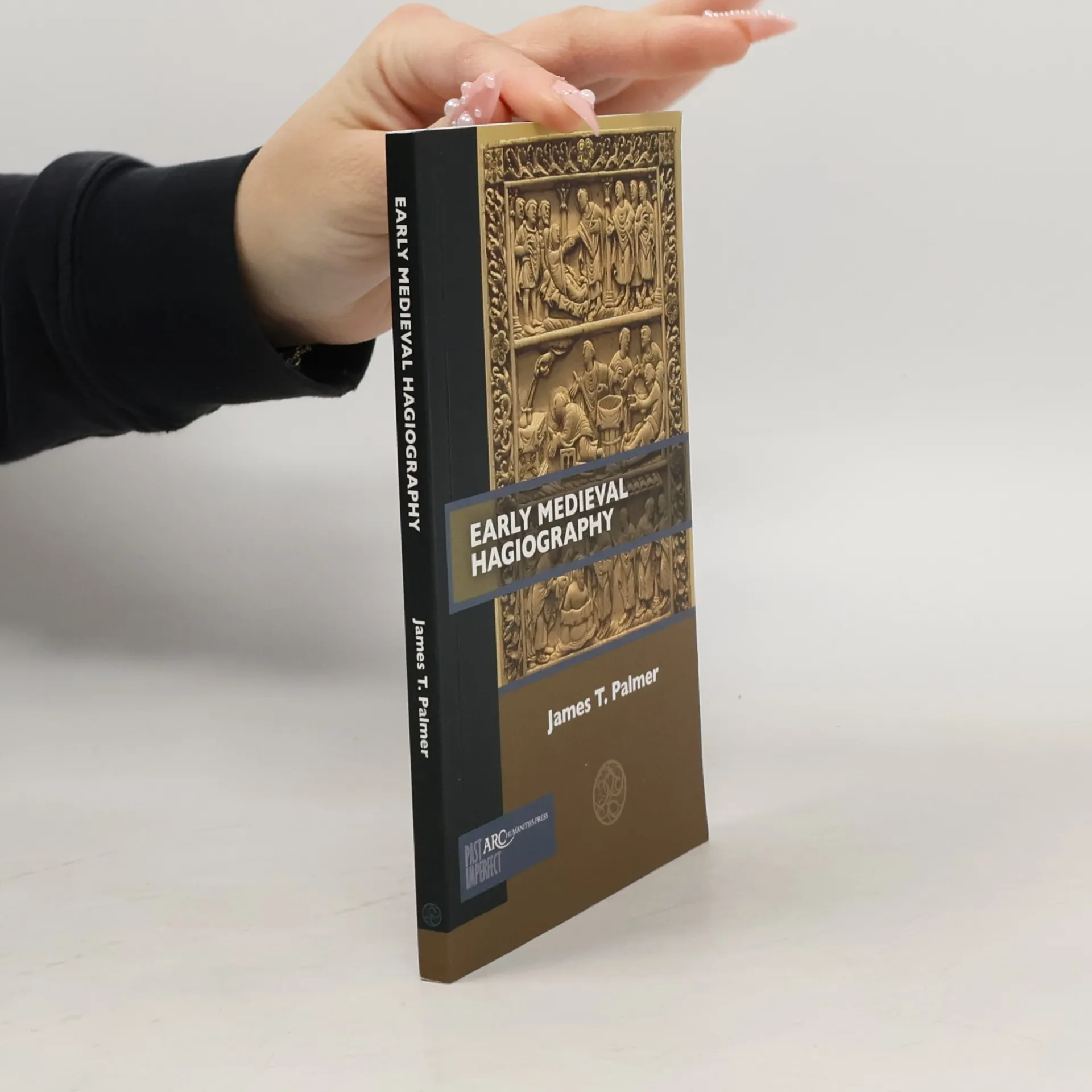
Past Imperfect: Early Medieval Hagiography
Autori
Maggiori informazioni sul libro
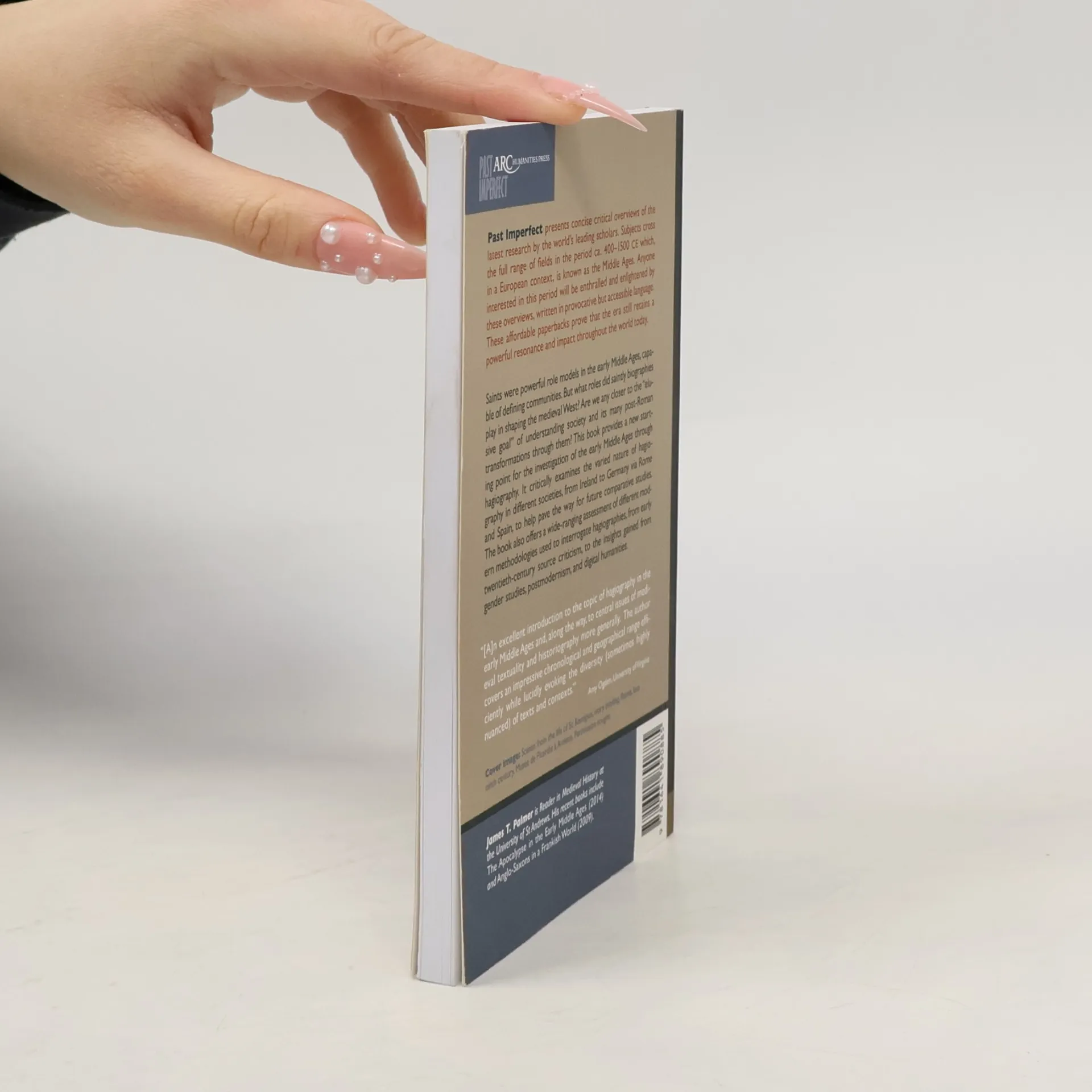
Saints were powerful role models in the early Middle Ages, capable of defining communities. But what roles did saintly biographies play in shaping the medieval West? Are we any closer to the 'elusive goal' of understanding society and its many post-Roman transformations through them? This book provides a new starting point for the investigation of the early Middle Ages through hagiography. It critically examines the varied nature of hagiography in different societies, from Ireland to Germany via Rome and Spain, to help pave the way for future comparative studies. The book also offers a wide-ranging assessment of different modern methodologies used to interrogate hagiographies, from early twentieth-century source criticism, to the insights gained from gender studies, postmodernism and digital humanities.
Acquisto del libro
Past Imperfect: Early Medieval Hagiography, James T. Palmer
- Lingua

- Pubblicato
- 2018
- Rilegatura
- (In brossura),
- Condizioni del libro
- In ottime condizioni
- Prezzo
- 8,19 €
Metodi di pagamento
Ancora nessuna valutazione.
- Titolo
- Past Imperfect: Early Medieval Hagiography
- Lingua
- Inglese
- Autori
- James T. Palmer
- Editore
- Arc Humanities Press
- Pubblicato
- 2018
- Formato
- In brossura
- Pagine
- 134
- ISBN10
- 1641890886
- ISBN13
- 9781641890885
- Serie
- Categoria
- Tag
- Tema stórico, Temi religiosi, Temi cristiani, Europa, Teologia, Medioevo, Ispirazione, Europa Occidentale, Storia delle religioni, Santi e sante, Agiografia
- Descrizione
- Saints were powerful role models in the early Middle Ages, capable of defining communities. But what roles did saintly biographies play in shaping the medieval West? Are we any closer to the 'elusive goal' of understanding society and its many post-Roman transformations through them? This book provides a new starting point for the investigation of the early Middle Ages through hagiography. It critically examines the varied nature of hagiography in different societies, from Ireland to Germany via Rome and Spain, to help pave the way for future comparative studies. The book also offers a wide-ranging assessment of different modern methodologies used to interrogate hagiographies, from early twentieth-century source criticism, to the insights gained from gender studies, postmodernism and digital humanities.