

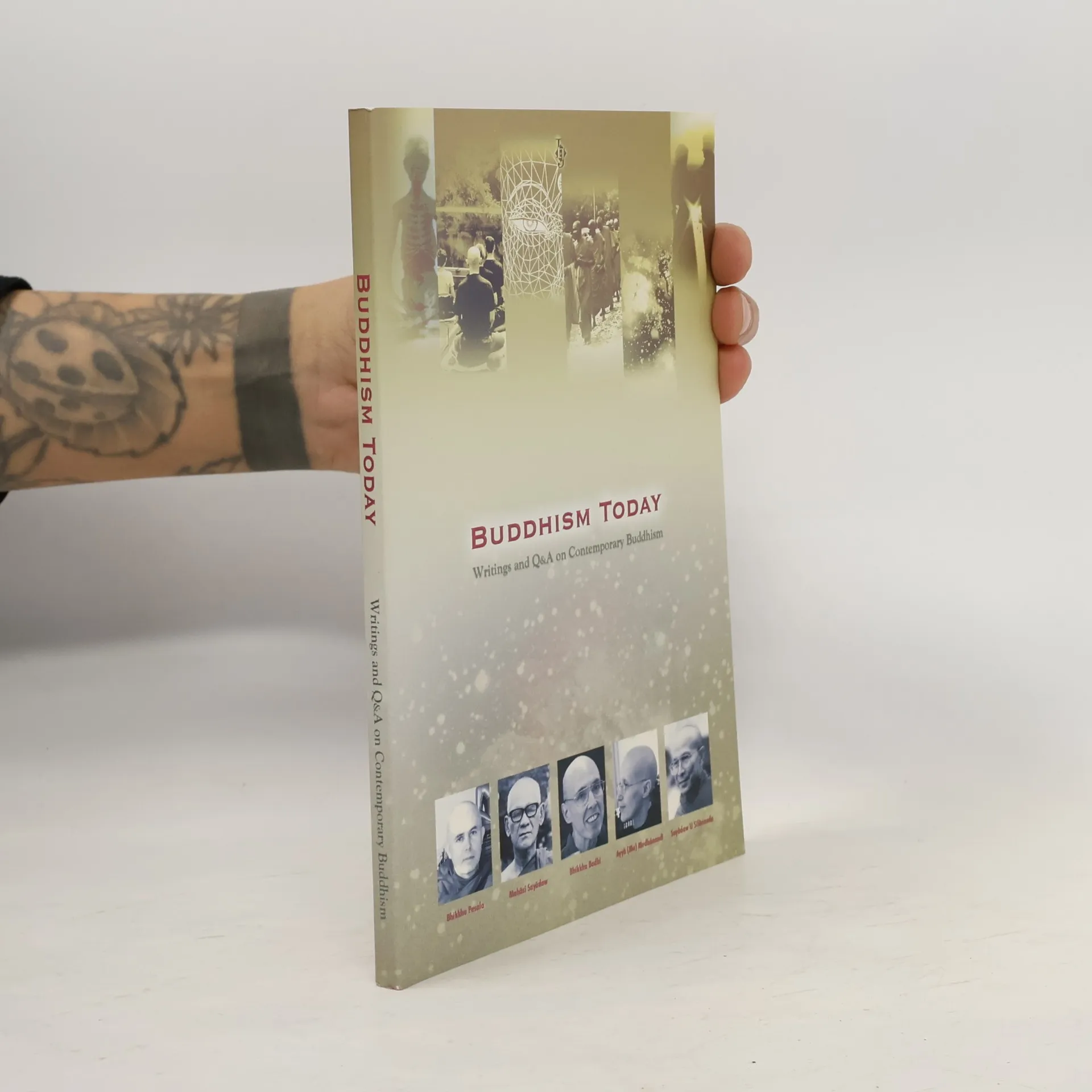
Buddhism Today
Writings and Q&A on Contemporary Buddhism
Parametri
Maggiori informazioni sul libro
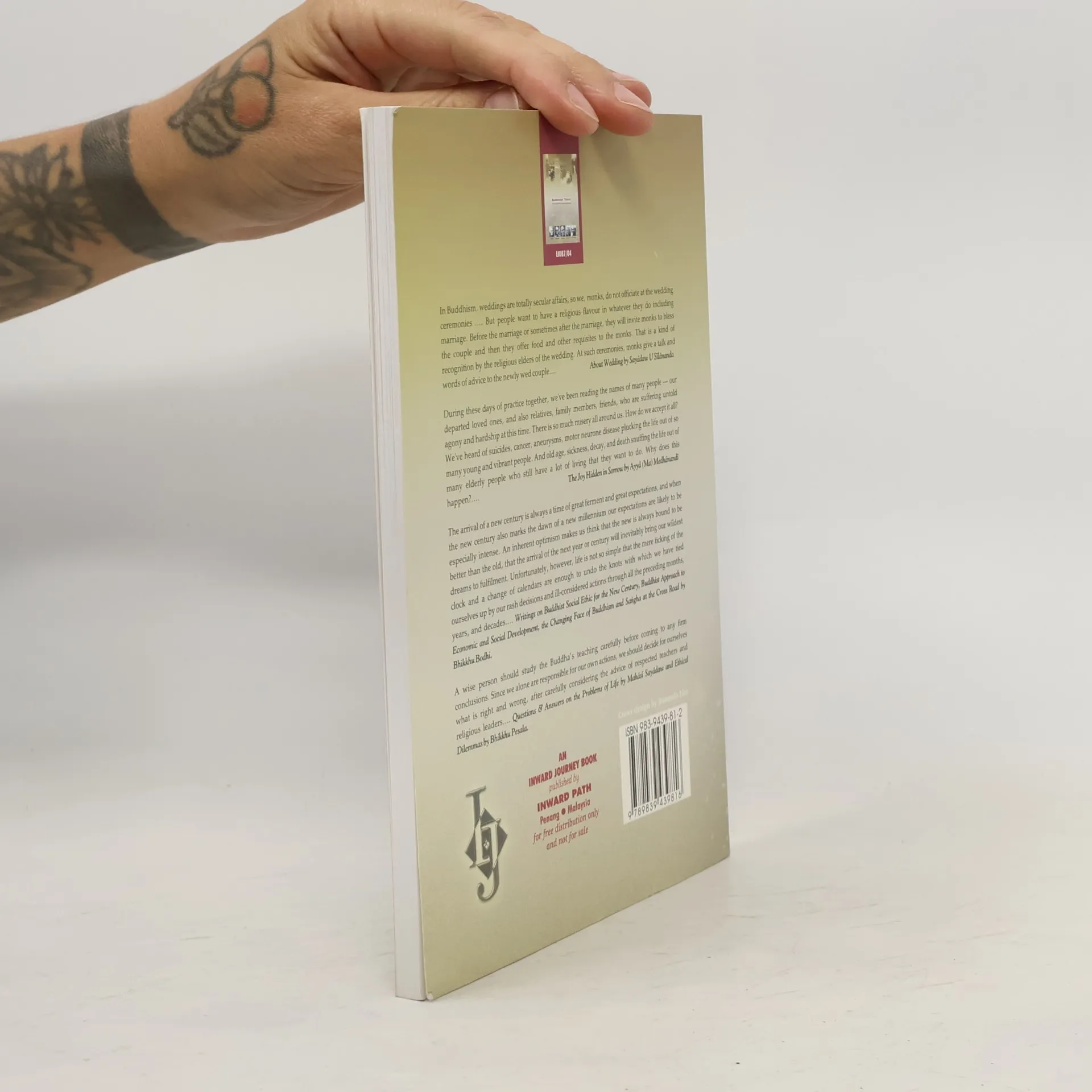
In Buddhism, weddings are secular events, and monks do not officiate ceremonies. However, many seek a religious touch in their marriage, often inviting monks to bless the couple and offer food in recognition of the occasion. During these blessings, monks provide guidance to the newlyweds. In our practice, we remember those suffering around us—departed loved ones, friends, and family enduring immense hardship. The prevalence of illness, death, and despair raises questions about the nature of suffering. As we enter a new century, expectations run high, often accompanied by an inherent optimism that the future will be better. Yet, life is complex; simply marking the passage of time does not resolve the challenges we face from past decisions and actions. This period calls for reflection on Buddhist teachings regarding social ethics, economic development, and the evolving nature of Buddhism. It emphasizes the importance of studying the Buddha's teachings thoughtfully before forming conclusions. Ultimately, we are accountable for our actions and must discern right from wrong by considering the wisdom of respected teachers and leaders while addressing life's ethical dilemmas.
Acquisto del libro
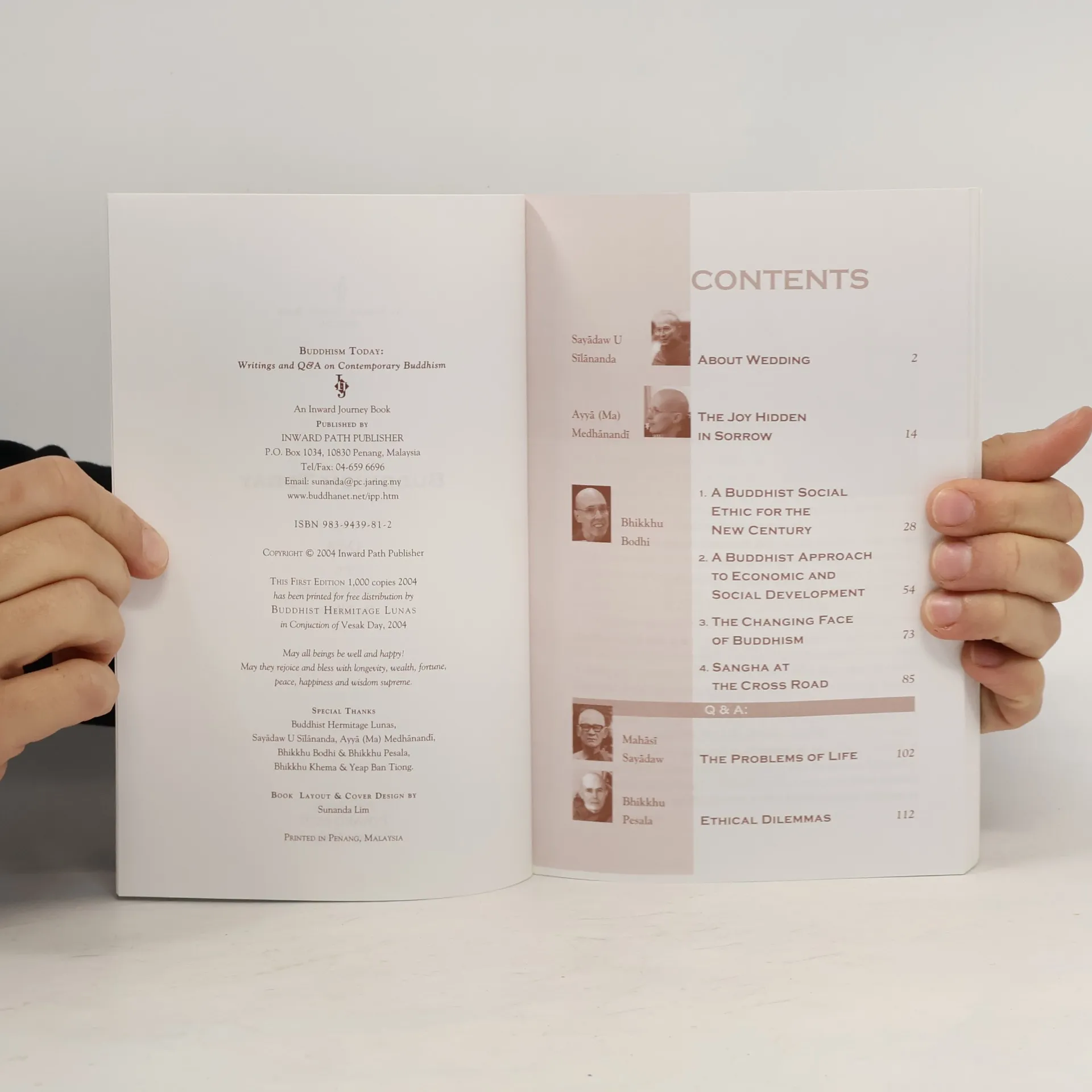
Buddhism Today, Bhikkhu Bodhi, Mahāsi Sayādaw, Bhikkhu Pesala, Ayyā Medhānandī, Sayadaw U Sīlānanda
- Lingua

- Pubblicato
- 2004
- Rilegatura
- (In brossura),
- Condizioni del libro
- In ottime condizioni
- Prezzo
- 8,59 €
Metodi di pagamento
Ancora nessuna valutazione.
- Titolo
- Buddhism Today
- Sottotitolo
- Writings and Q&A on Contemporary Buddhism
- Lingua
- Inglese
- Editore
- Inward Path
- Pubblicato
- 2004
- Formato
- In brossura
- ISBN10
- 9839439812
- ISBN13
- 9789839439816
- Serie
- Tag
- Descrizione
- In Buddhism, weddings are secular events, and monks do not officiate ceremonies. However, many seek a religious touch in their marriage, often inviting monks to bless the couple and offer food in recognition of the occasion. During these blessings, monks provide guidance to the newlyweds. In our practice, we remember those suffering around us—departed loved ones, friends, and family enduring immense hardship. The prevalence of illness, death, and despair raises questions about the nature of suffering. As we enter a new century, expectations run high, often accompanied by an inherent optimism that the future will be better. Yet, life is complex; simply marking the passage of time does not resolve the challenges we face from past decisions and actions. This period calls for reflection on Buddhist teachings regarding social ethics, economic development, and the evolving nature of Buddhism. It emphasizes the importance of studying the Buddha's teachings thoughtfully before forming conclusions. Ultimately, we are accountable for our actions and must discern right from wrong by considering the wisdom of respected teachers and leaders while addressing life's ethical dilemmas.