

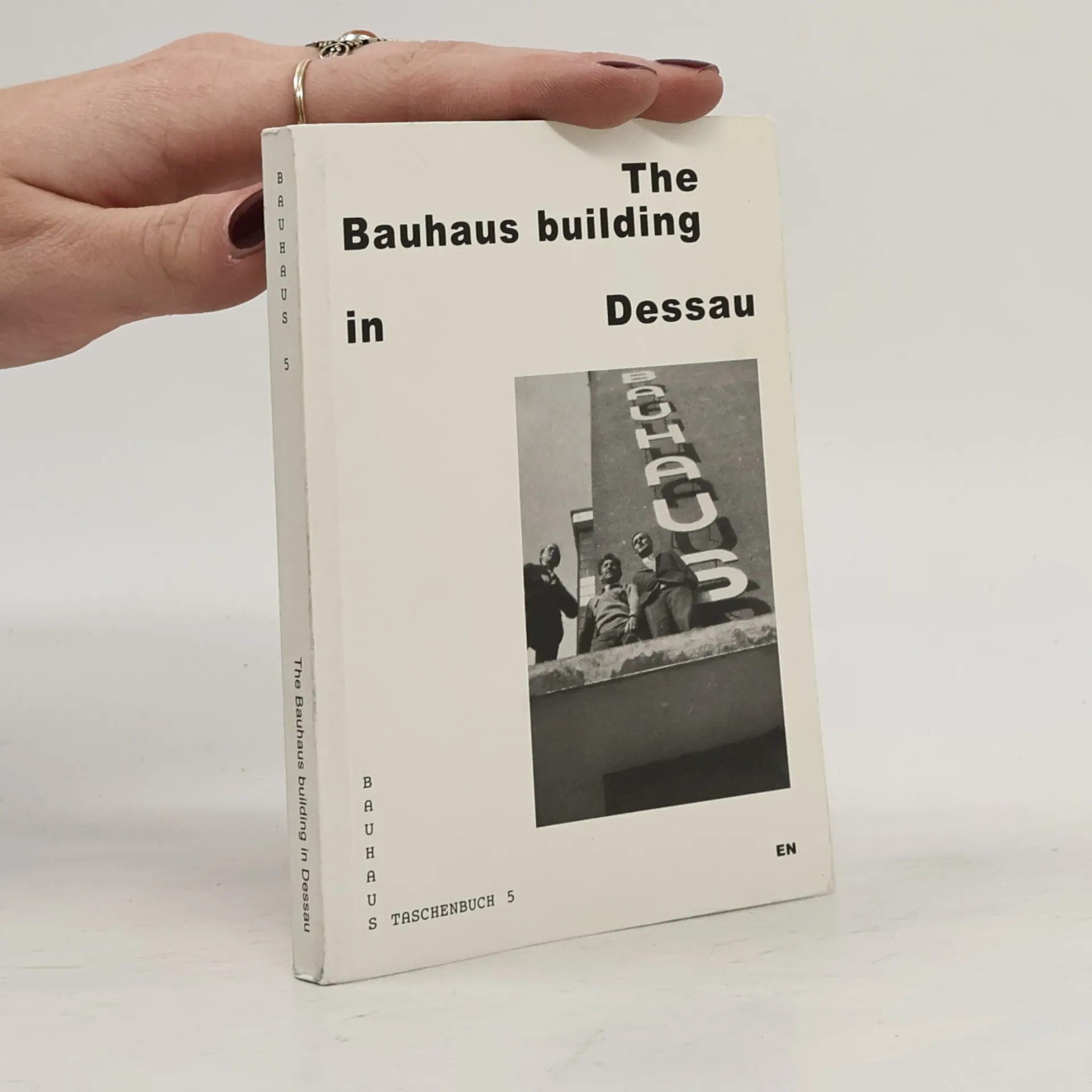
Bauhaus Taschenbuch - 5: The Bauhaus Building in Dessau
Parametri
- 176pagine
- 7 ore di lettura
Maggiori informazioni sul libro
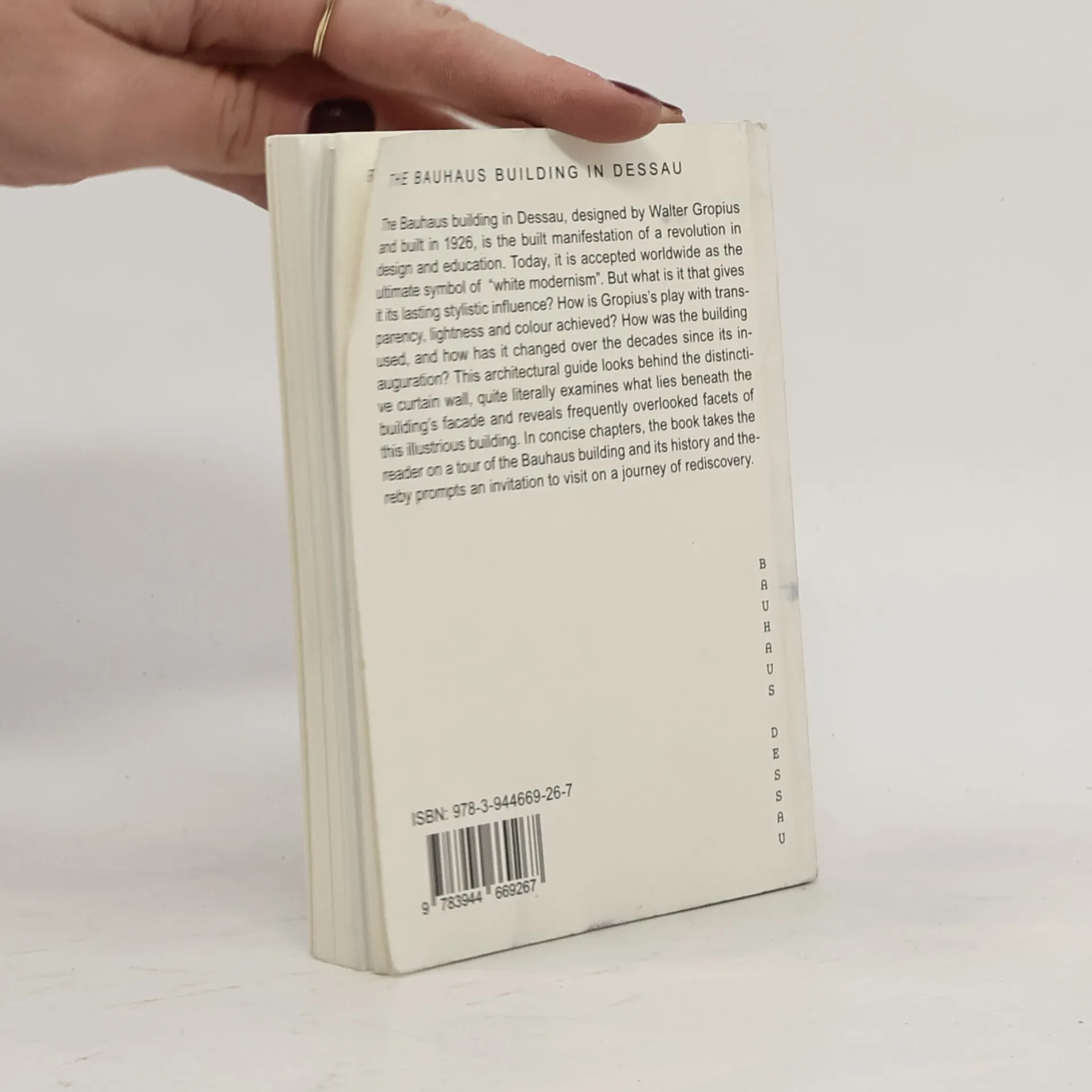
The Bauhaus building in Dessau, designed by Walter Gropius and built in 1926, is the built manifestation of a revolution in design and education. Today, it is accepted worldwide as the ultimate symbol of 'white modernism'. But what is it that gives it its lasting stylistic influence? How is Gropius's play with transparency, lightness and colour achieved? How was the building used, and how has it changed over the decades since its inauguration? This architectural guide looks behind the distinctive curtain wall, quite literally examines what lies beneath the building's facade and reveals frequently overlooked facets of this illustrious building. In concise chapters, the book takes the reader on a tour of the Bauhaus building and its history and thereby prompts an invitation ot visit on a journey of rediscovery.
Acquisto del libro
Bauhaus Taschenbuch - 5: The Bauhaus Building in Dessau, Christina Irrgang, Ingolf Kern, OSWALT
- Lingua

- Pubblicato
- 2014
- Rilegatura
- (In brossura),
- Condizioni del libro
- In buone condizioni
- Prezzo
- 28,99 €
Metodi di pagamento
Ancora nessuna valutazione.
- Titolo
- Bauhaus Taschenbuch - 5: The Bauhaus Building in Dessau
- Lingua
- Inglese
- Autori
- Christina Irrgang, Ingolf Kern, OSWALT
- Editore
- Spector Books
- Pubblicato
- 2014
- Formato
- In brossura
- Pagine
- 176
- ISBN10
- 3944669266
- ISBN13
- 9783944669267
- Serie
- Tag
- Tema stórico, Arte, Architettura, Germania, XX Secolo, Storia dell'arte, Europa Occidentale, Critica, Modernismo, Bauhaus
- Descrizione
- The Bauhaus building in Dessau, designed by Walter Gropius and built in 1926, is the built manifestation of a revolution in design and education. Today, it is accepted worldwide as the ultimate symbol of 'white modernism'. But what is it that gives it its lasting stylistic influence? How is Gropius's play with transparency, lightness and colour achieved? How was the building used, and how has it changed over the decades since its inauguration? This architectural guide looks behind the distinctive curtain wall, quite literally examines what lies beneath the building's facade and reveals frequently overlooked facets of this illustrious building. In concise chapters, the book takes the reader on a tour of the Bauhaus building and its history and thereby prompts an invitation ot visit on a journey of rediscovery.