

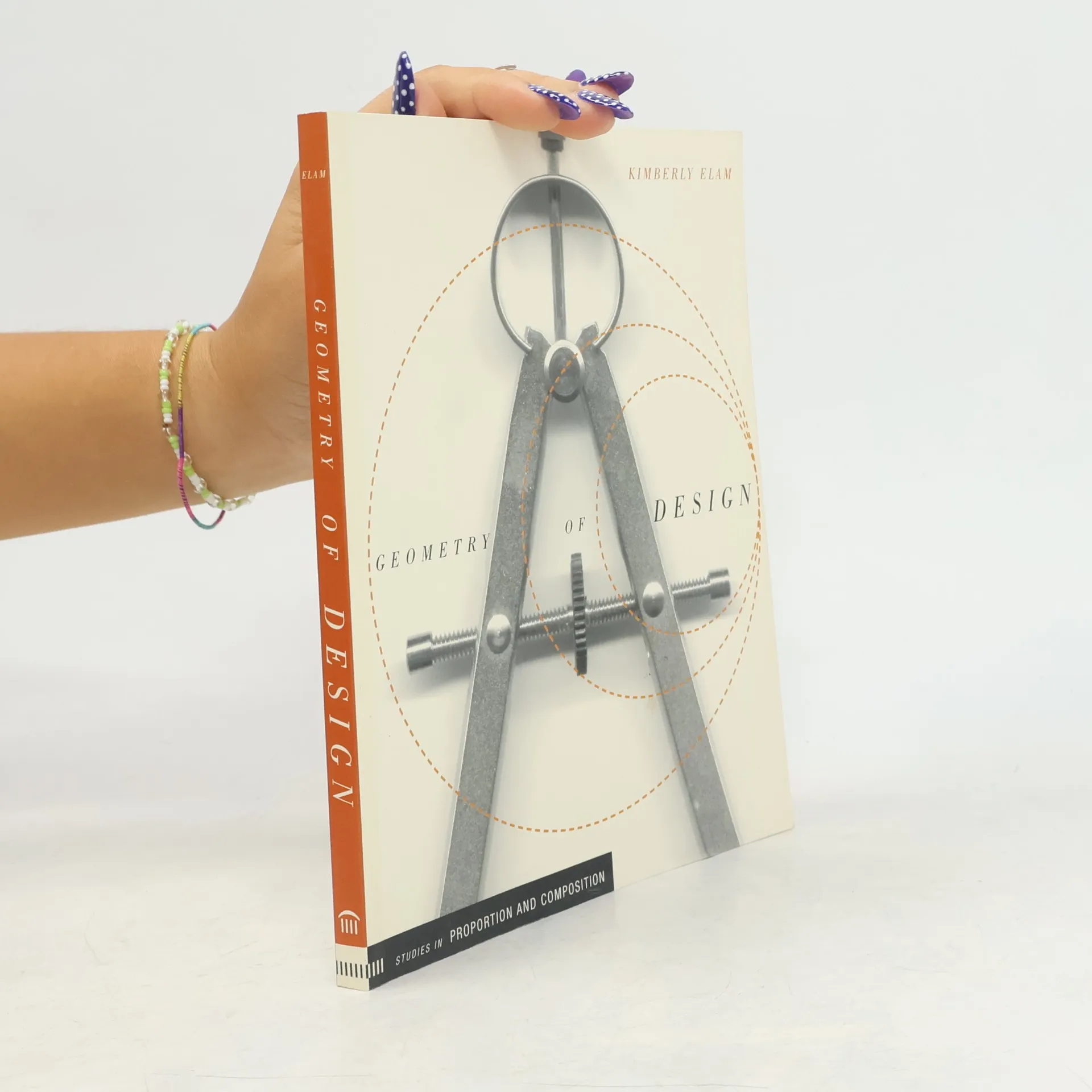
At last, a mathematical explanation of how art works presented in a manner we can all understand. Kimberly Elam takes the reader on a geometrical journey, lending insight and coherence to the design process by exploring the visual relationships that have foundations in mathematics as well as the essential qualities of life. Geometry of Design-the first book in our new Design Briefs Series-takes a close look at a broad range of twentieth-century examples of design, architecture, and illustration (from the Barcelona chair to the Musica Viva poster, from the Braun handblender to the Conico kettle), revealing underlying geometric structures in their compositions. Explanations and techniques of visual analysis make the inherent mathematical relationships evident and a must-have for anyone involved in graphic arts. The book focuses not only on the classic systems of proportioning, such as the golden section and root rectangles, but also on less well known proportioning systems such as the Fibonacci Series. Through detailed diagrams these geometric systems are brought to life giving an effective insight into the design process.
Kimberly Elam Ordine dei libri (cronologico)
Kimberly Elam è un'autrice ed educatrice il cui lavoro approfondisce i settori del graphic design e dell'educazione al design. Esplora metodi attraverso i quali le parole possono trascendere il loro significato didattico per diventare immagini, e illustra visivamente i collegamenti tra i sistemi di proporzione classici e le discipline del design contemporaneo. Gli scritti di Elam enfatizzano i principi di organizzazione e la creazione di linguaggi visivi, in particolare nella tipografia e nella composizione, offrendo approcci innovativi per comprendere e apprendere questi sistemi. Le sue pubblicazioni mirano a rendere accessibili concetti di design complessi attraverso metodologie chiare e illustrazioni visive.
Typographic systems
- 159pagine
- 6 ore di lettura
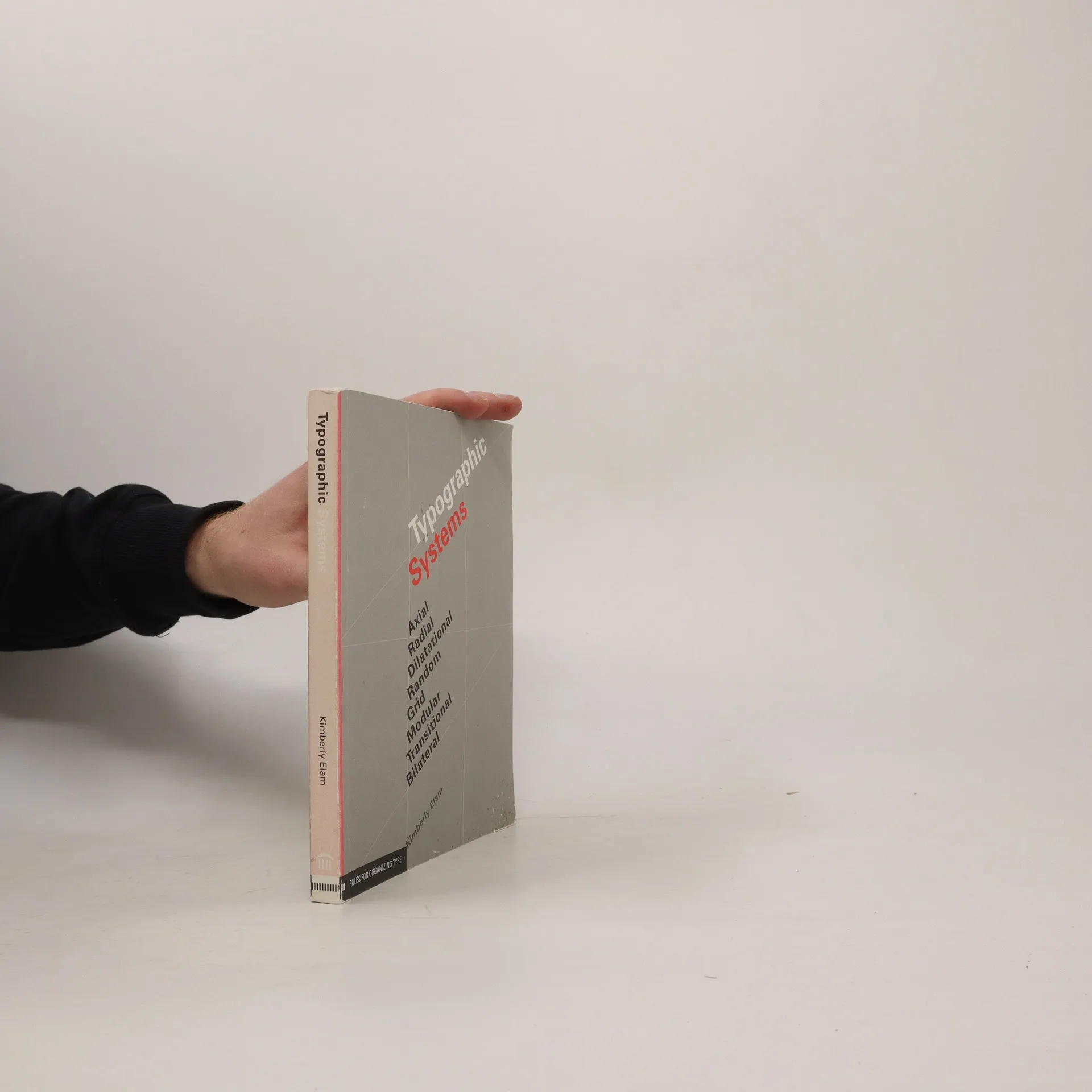
Typographic organization has always been a complex system in that there are so many elements at play, such as hierarchy, order of reading, legibility, and contrast. In Typographic Systems , Kim Elam, author of our bestselling books, Geometry of Design and Grid Systems , explores eight major structural frameworks beyond the grid including random, radial, modular, and bilateral systems. By taking the reader through exercises, student work, and professional examples, Elam offers a broad range of design solutions. Once essential visual organization systems are understood the designer can fluidly organize words or images within a structure, combination of structures, or a variation of a structure. With clarity and substance, each system from the structured axis to the nonhierarchical radial array is explained and explored so that the reader comes away with a better understanding of these intricate complex arrangements. Typographic Systems is the seventh title in our bestselling Design Briefs series, which has sold more than 100,000 copies worldwide.
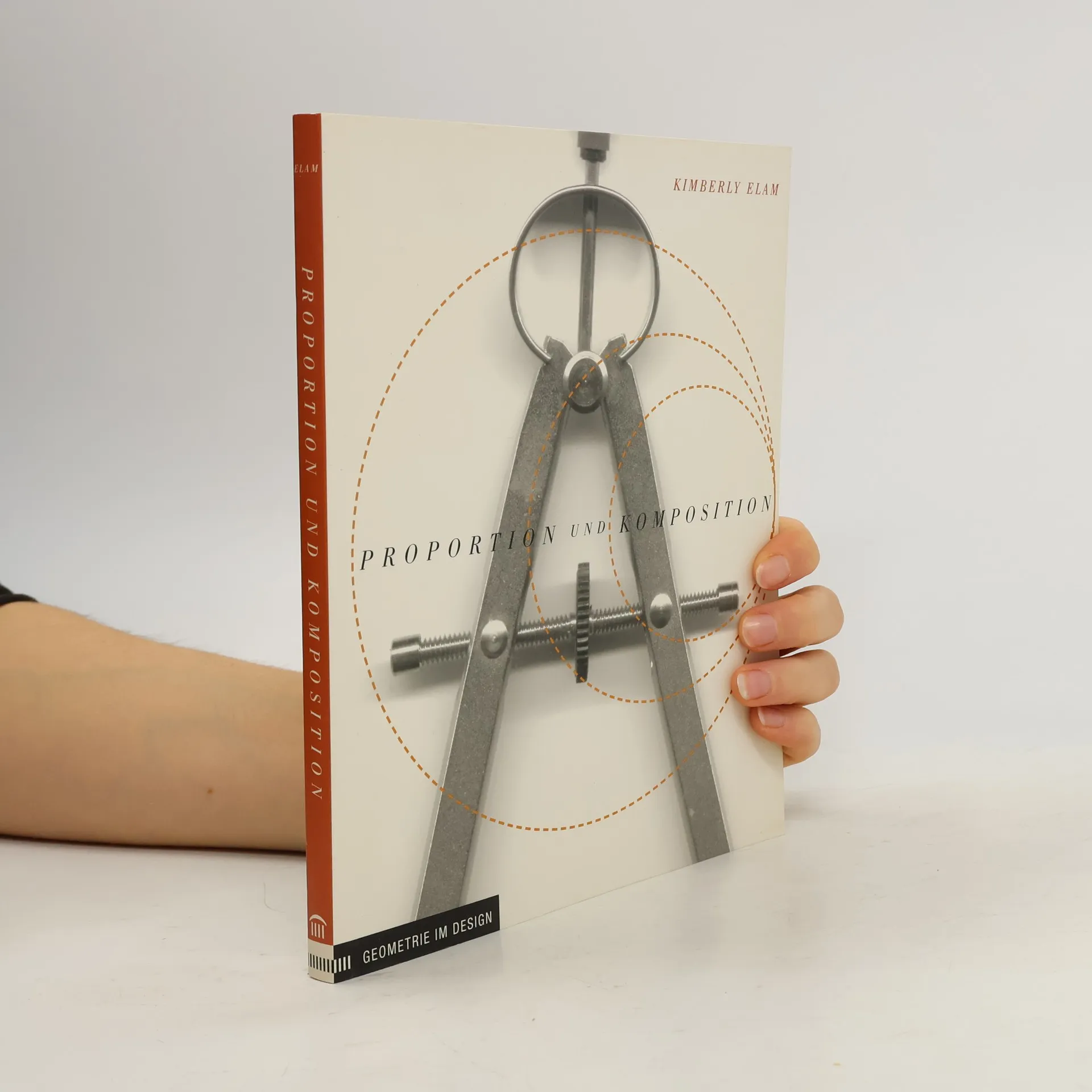
Kimberly Elam führt den Leser auf eine geometrische Reise und gibt Einsicht in den Designprozess, indem sie visuelle Beziehungen untersucht, die sowohl auf mathematischen Prinzipien als auch auf grundlegenden Eigenschaften des Lebens basieren. Elams Erklärungen machen die mathematischen Beziehungen, die sich hinter diesen Designs verbergen, offensichtlich, und ihre Einführung in die Technik der visuellen Analyse macht dieses Buch zu einer unerlässlichen Hilfe für jeden, der grafisch arbeitet. Die Autorin behandelt dabei nicht nur die klassischen Proportionierungssysteme wie den Goldenen Schnitt und wurzelbasierte Rechtecke, sondern auch weniger bekannte Systeme wie z.B. die Fibonaccifolge.
Grid Systems
- 112pagine
- 4 ore di lettura
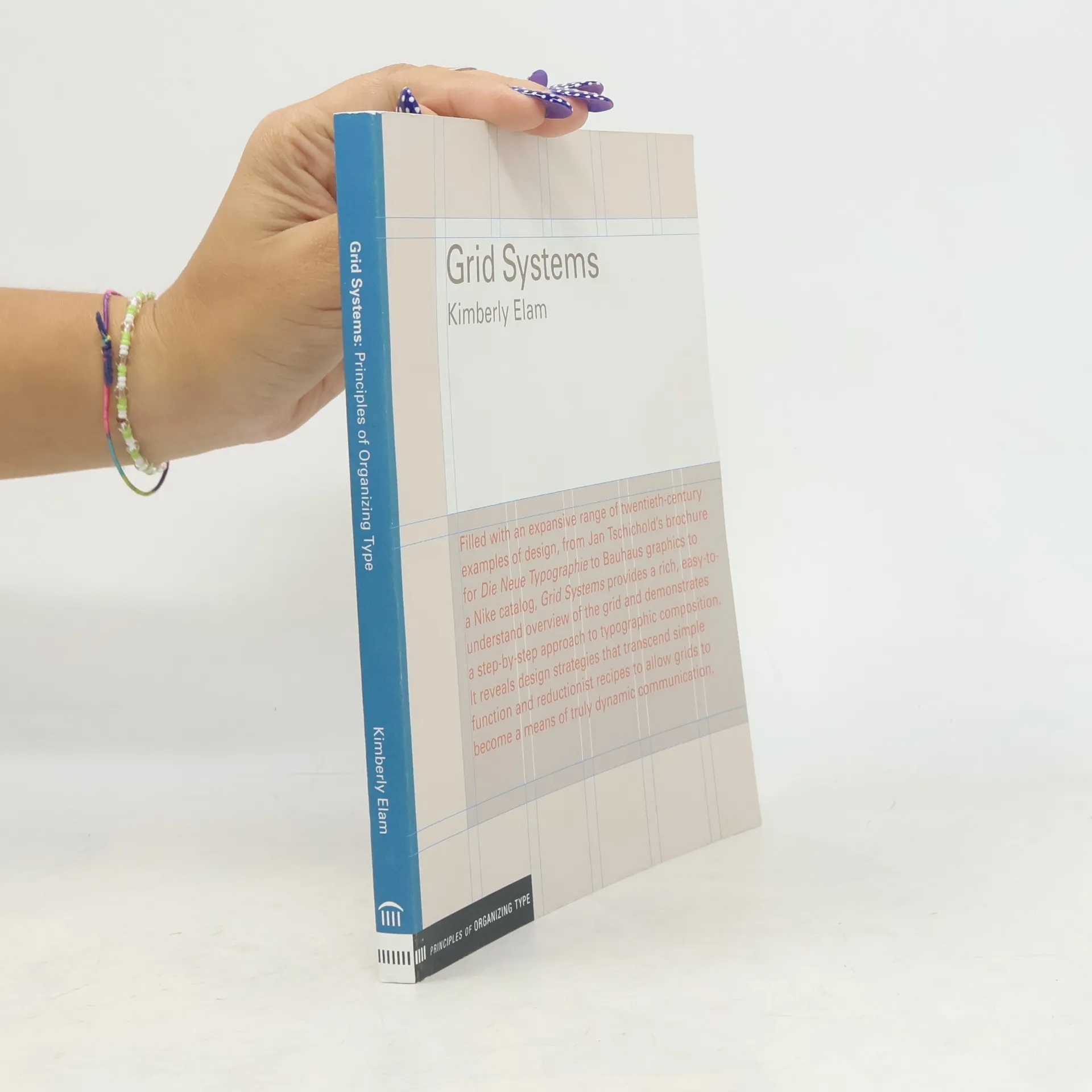
Kimberly Elam argues that all great graphic design is based on a grid, even if only to subvert it. Illustrated with over 100 examples, this text explores the potential of grid based design and demonstrates how grids can underlay truely creative typography.