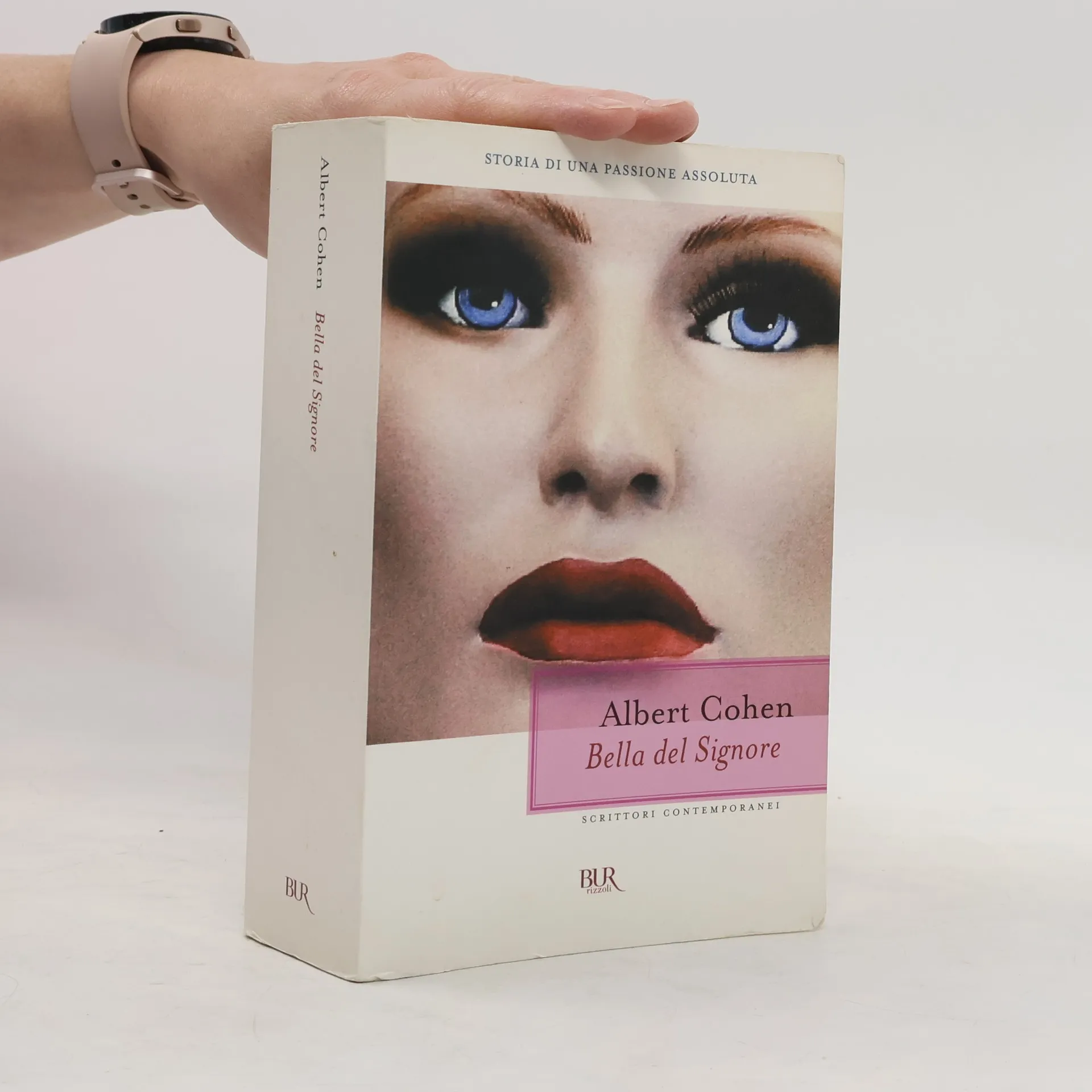
[An alternate cover edition for this ISBN can be found here] Ariane e Solal, lei nobile di nascita, lui altissimo dirigente della Società delle Nazioni, entrambi alteri ma irrequieti, si incontrano, si amano e fuggono via alla ricerca di una passione assoluta ed esteticamente perfetta. La perfezione formale, però, non esiste, l'amore a poco a poco si illanguidisce e viene sostituito dalla noia, fino alle estreme conseguenze. Un romanzo libero, svincolato dai dettami delle scuole e delle mode, capace di regalare l'emozione esaltante della lettura.
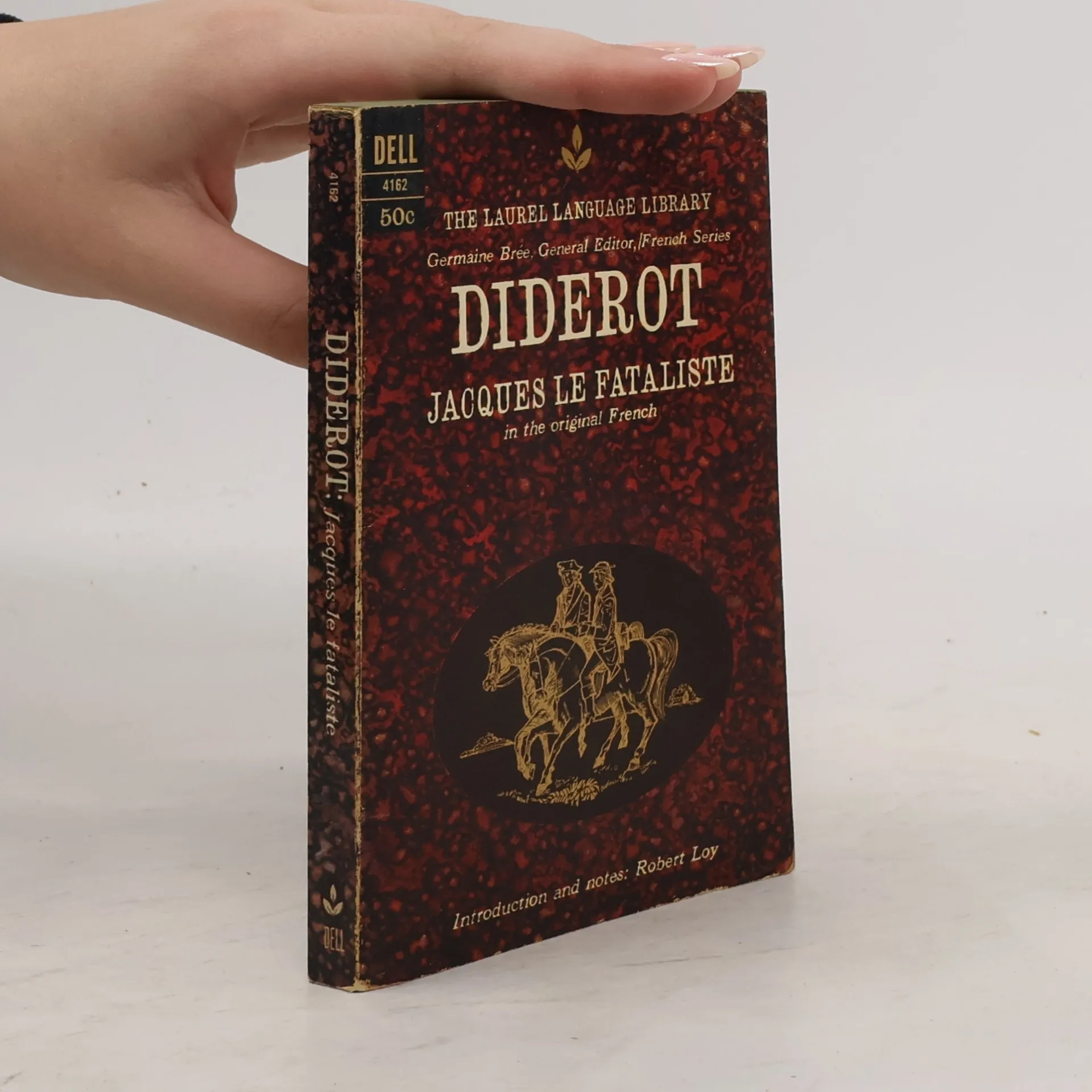
Everything that happens to us in the world, both good and bad, is written in the heavens. This is claimed by the titular character of the philosophical tale by the French writer and philosopher Denis Diderot. Not without reason, he has earned the nickname fatalist. However, despite his unwavering belief in the inevitability of fate, he stands against evil and believes that good must prevail. During countless wanderings, the characters discuss many fundamental issues, including the problem of individual freedom, friendship, and social relations. A significant portion of their humorous dialogues is dedicated to male-female relationships—mainly through the character of Kubuś, readers learn a number of love stories. The colorful conversations between Kubuś and his master entertained a few holders of Diderot's manuscript for two decades, and they were published only after the author's death in 1796. Even today, despite the fact that the world has undergone a true revolution, they still provoke reflection.
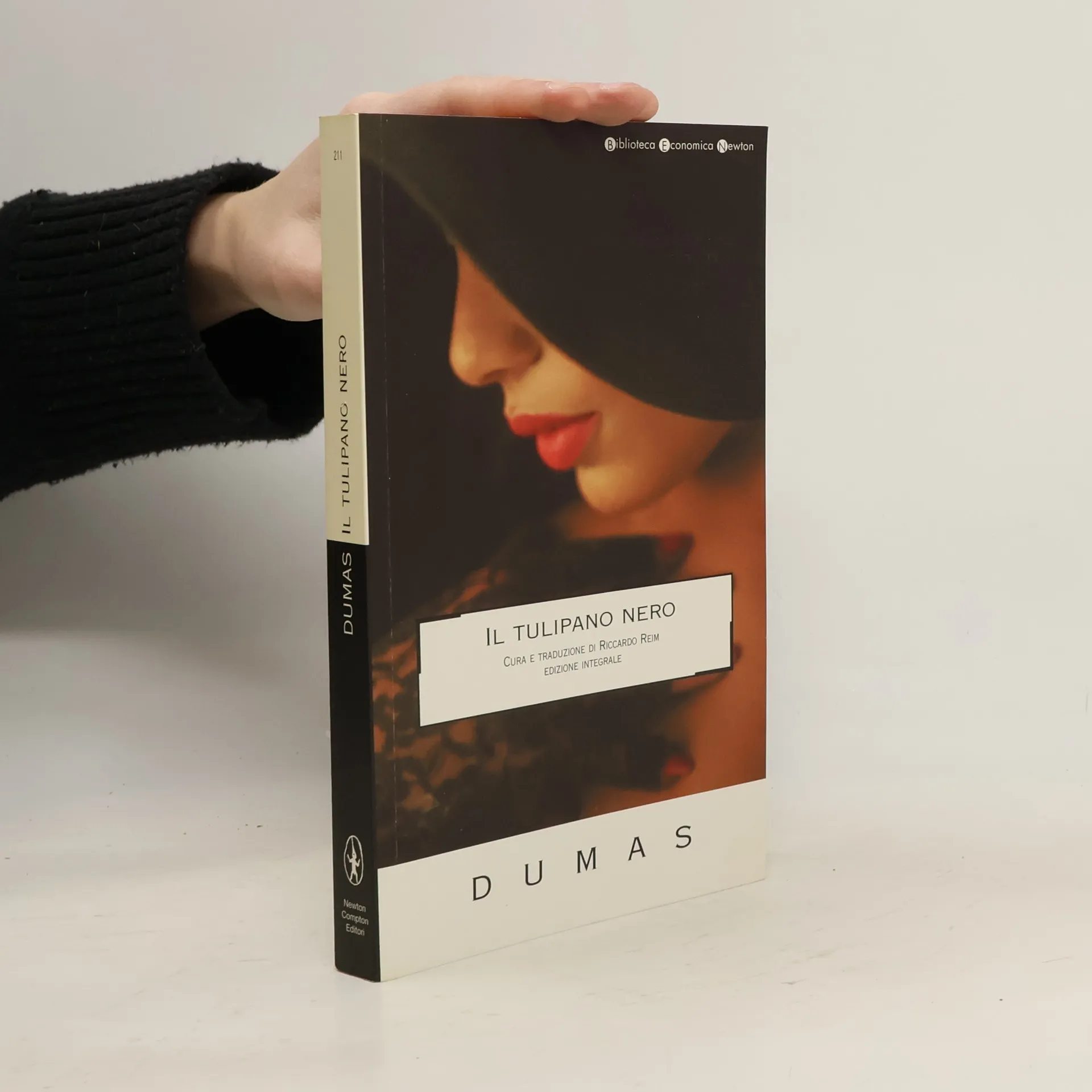
"La tulipe noire" viene pubblicato da Alexandre Dumas nel 1850, sei anni dopo l'enorme successo dei "Trois Mosquetaires" (seguito dagli altri due romanzi della trilogia, "Vingt ans après" e "Le Vicomte de Bragelonne") e del "Comte de Monte-Cristo", quando lo scrittore è ormai divenuto un beniamino del grande pubblico francese. Ambientato negli anni della cosiddetta "bolla dei tulipani", nella laboriosa Olanda repubblicana del Seicento che vide l'ascesa di quella prospera e raffinata borghesia tramandataci dai dipinti di Rembrandt e di Vermeer, il romanzo narra un vero e proprio caso di spionaggio industriale e al tempo stesso una delicata, insolita storia d'amore. Intorno al favoloso "tulipano nero", il fiore perfetto e impossibile, ruota una folla di personaggi sia storici che fantastici, che l'autore riesce a rendere vivi e veri con la consueta abilità: i due giovani innamorati Cornelius e Rosa, il brutale carceriere Grifus, il machiavellico Boxtel...
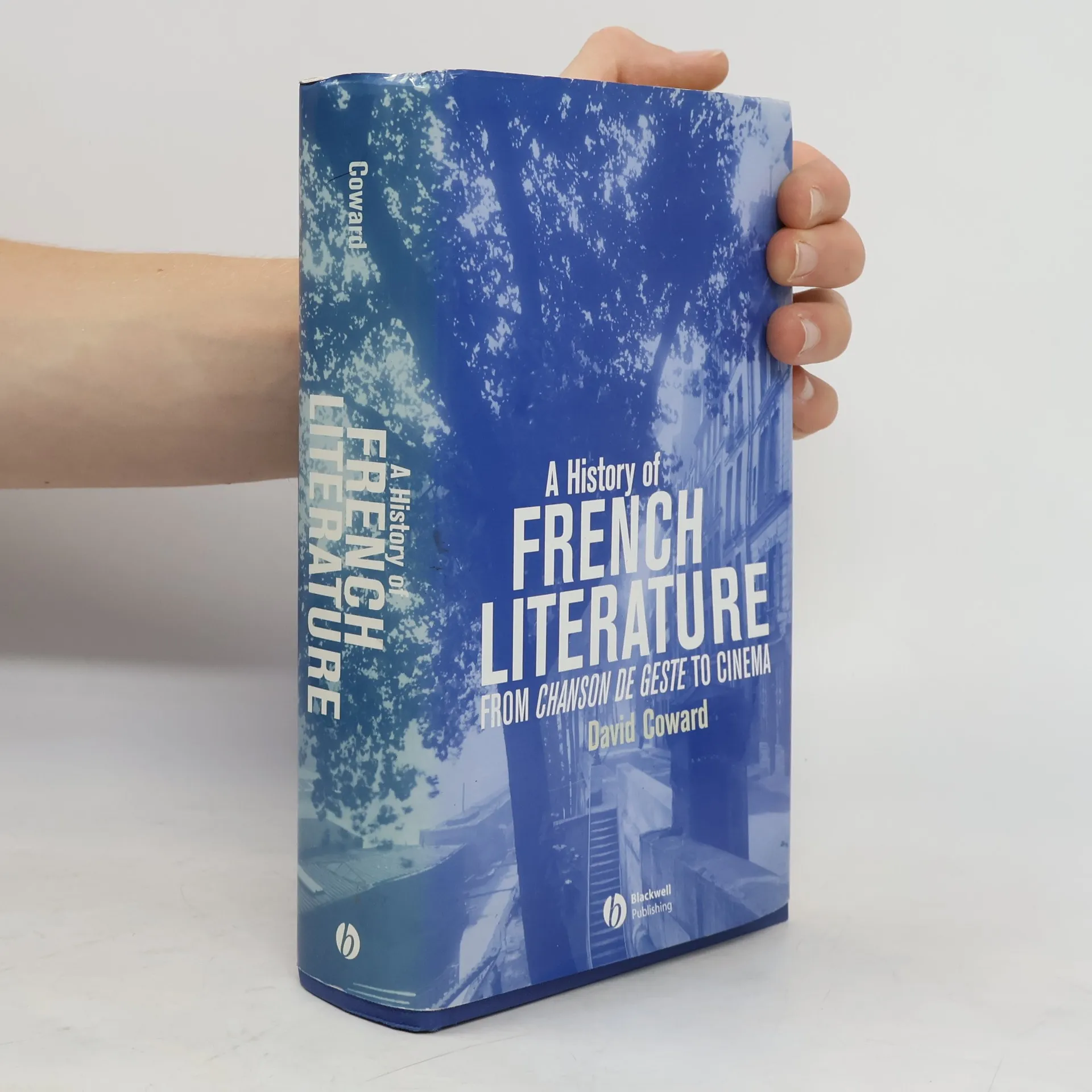
This ambitious volume is more than a history of French literature; it explores the profound impact of post-modern thought on our understanding of 'literature' itself. David Coward presents the rich diversity of French literature, enhanced by new Francophone contributions from Europe, Canada, the West Indies, and Africa. His narrative situates literary development within broader cultural contexts, linking it to the social conditions and mentalities that shaped it.
Coward transcends traditional notions of 'literature' by delving into best-sellers, graphic fiction, and cinema. He traces the evolution of the intellectual from the Dreyfus Affair through the divisions of the 1930s, from Existentialists to Post-Structuralists, mapping a journey from literary doctrine to critical theory.
Covering a wide range of topics—from medieval feminism to contemporary issues, and from 15th-century modernism to Proust—Coward serves as an engaging guide. He clearly outlines themes and genres, enabling readers to follow the evolution of theatre, poetry, and fiction, as well as broader issues like censorship and writers' rewards. The text is further enhanced by a comprehensive and user-friendly index, making it accessible for readers seeking to navigate this expansive literary landscape.