

Bookbot

Alexander Monro

    Alexander Monro primus fu un chirurgo e anatomista scozzese che divenne il professore fondatore di anatomia all'Università di Edimburgo. Le sue lezioni, tenute in inglese anziché nel convenzionale latino, si rivelarono molto popolari tra gli studenti. Le sue qualità didattiche contribuirono in modo significativo al successo e alla reputazione della scuola di medicina di Edimburgo. La sua eredità è notevole non solo per il progresso dell'anatomia, ma anche per aver reso popolare l'inglese come lingua di istruzione in medicina.

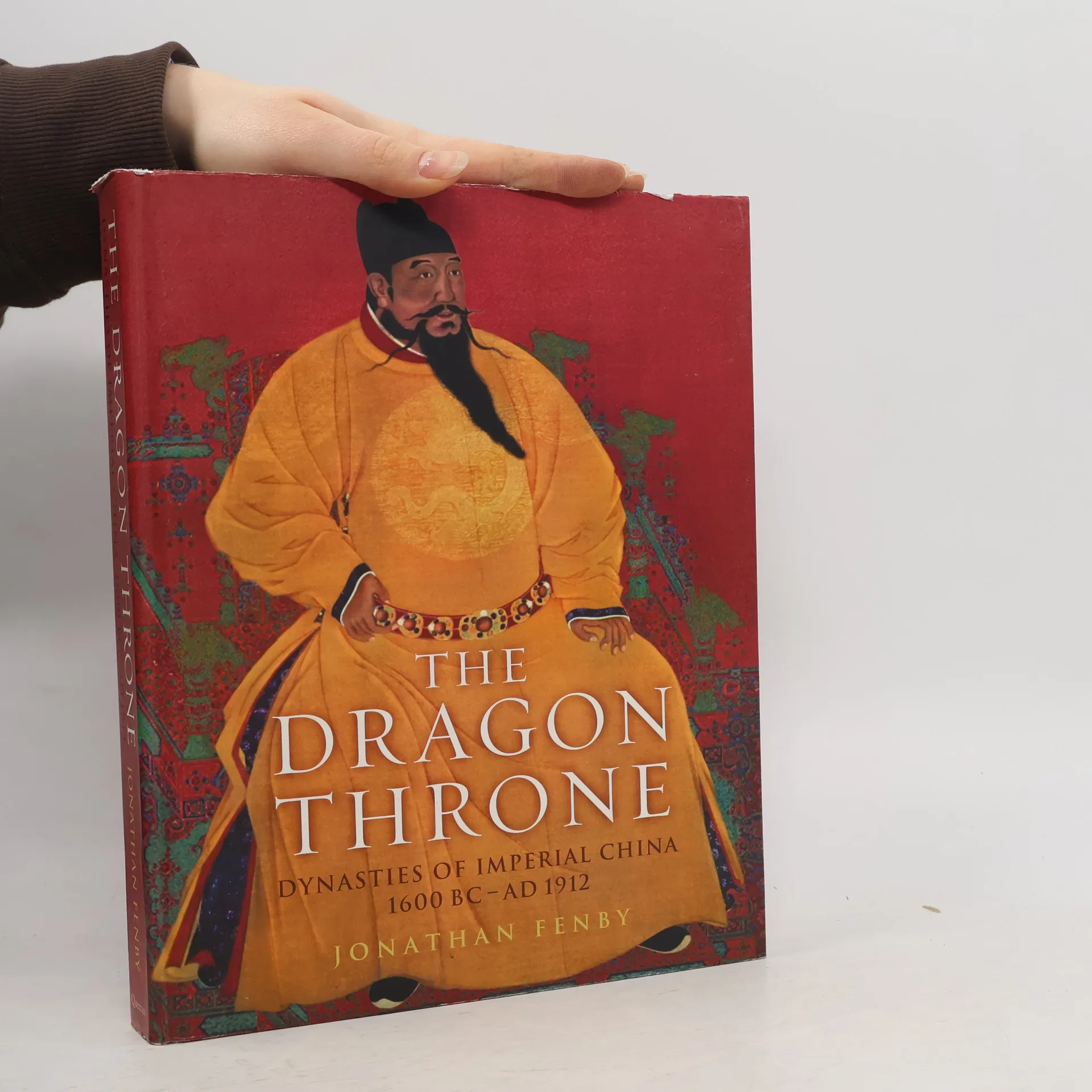
    Dragon Throne
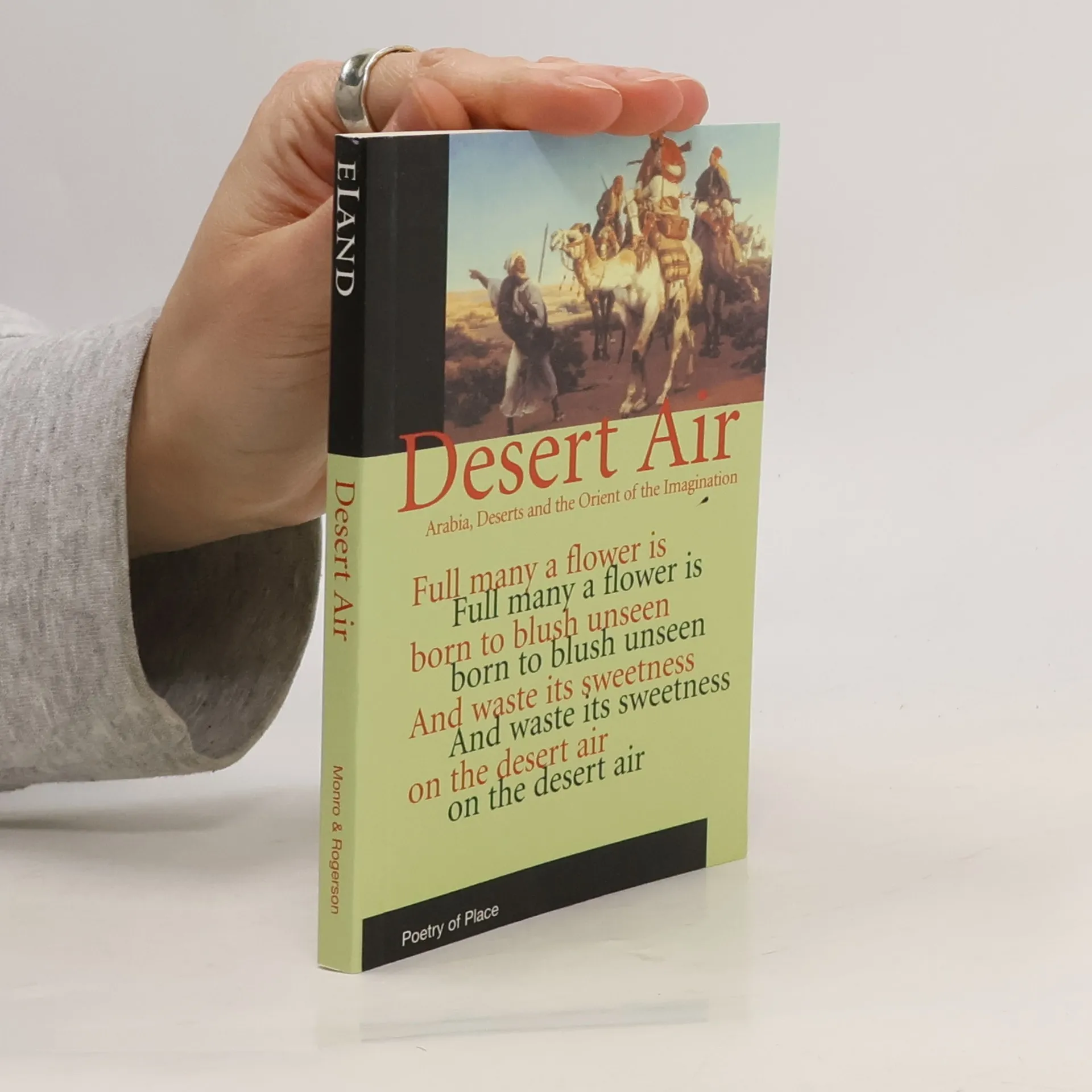
    Poetry of Place: Desert Air
    The Paper Trail - Papier, englische Ausgabe
    • The Paper Trail tells the story of how a simple Chinese product has for two millennia allowed knowledge, ideas and religions to spread at an unprecedented rate around the world. Alexander Monro traces this groundbreaking invention's voyage, beginning with the Buddhist translators responsible for its spread across China and Japan, and follows it westward along the Silk Road, where it eventually became the surface of the Quran. Once paper reached Europe, it became indispensable to the scholars who manufactured the Renaissance and Reformation from their desks. As Monro uncovers, paper created a world in which free thinking could flourish, and brought disciplines from science to music into a new age.

      The Paper Trail - Papier, englische Ausgabe
      4,0
    • Poetry of Place: Desert Air

      • 144pagine
      • 6 ore di lettura

      One in a series of pocket-sized books for travellers, this book presents the poetry of Arabia, deserts and the orient of the imagination.

      Poetry of Place: Desert Air
      3,6
    • Dragon Throne

      • 256pagine
      • 9 ore di lettura

      From 221 BC - when Shi Huangdi, First Emperor and founding father of Chinese imperial history, unified a large part of the Han Chinese homeland - until 1911, when imperial China collapsed in revolutionary chaos, China was ruled by a succession of powerful imperial dynasties. The Dragon Throne tells their rich, complex and often turbulent story, from the inception of the Qin dynasty to the fall of the Manchu in the early 20th century. China's imperial dynasties display a recurring pattern of birth, growth, prosperity and collapse due to external pressures. A number of powerful emperors left a particularly strong imprint on this troubled history, whether as conquerors, consolidators, tyrants, reformers or reactionaries. At the heart of The Dragon Throne are vivid profiles of such emperors as Shi Huangdi, who began the construction of the Great Wall; Han Wudi, the Han emperor who developed China as a centralized Confucian state; Kublai Khan, the first emperor of the Mongol Yuan dynasty, and Hongwu, the founder of the Ming dynasty

      Dragon Throne
      3,6