

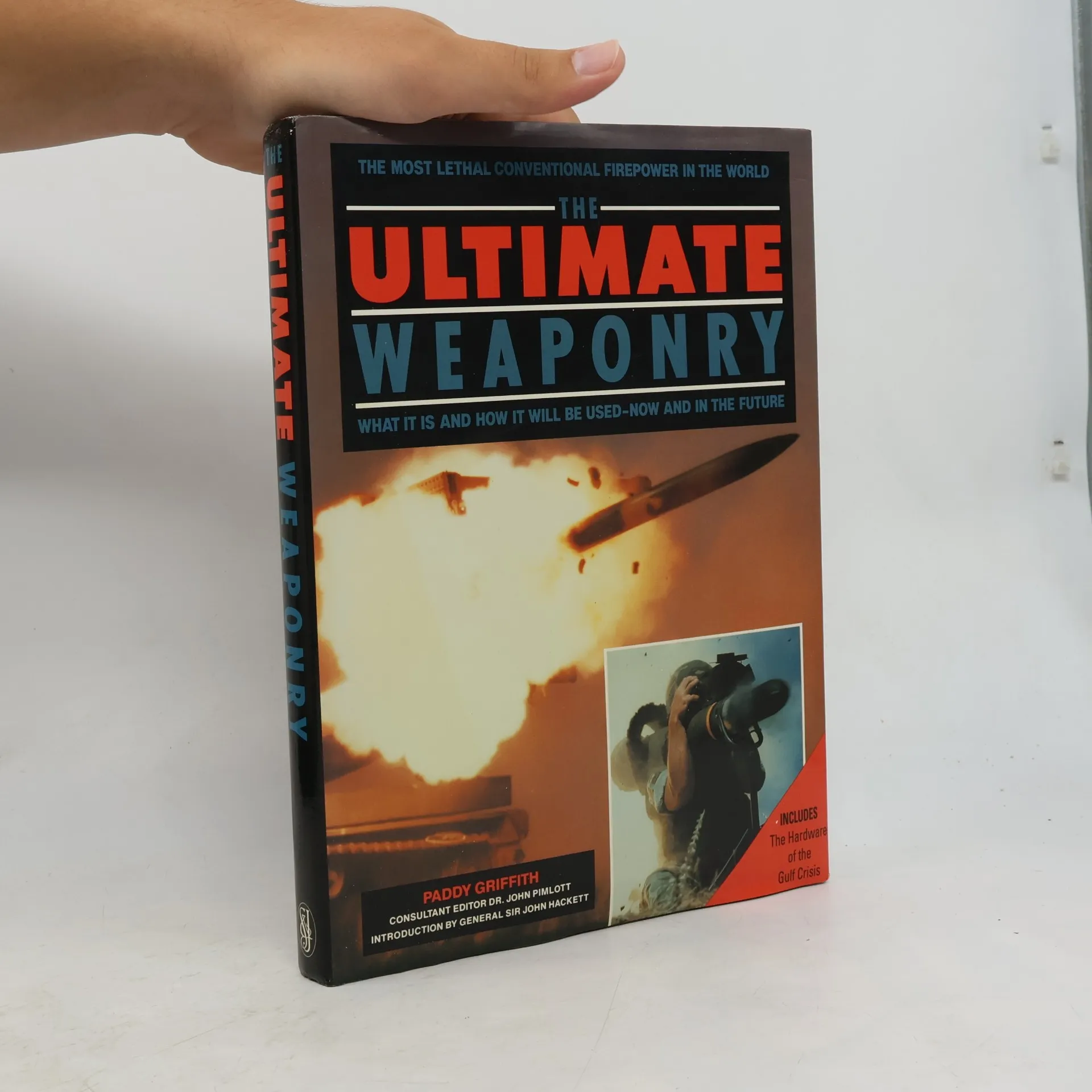
This book explores the most lethal conventional firepower available today and its future applications. As the Cold War fades, the threat of nuclear conflict diminishes, yet the likelihood of large-scale conventional warfare remains evident, particularly highlighted by recent events in Iraq. Warfare is expected to persist over the next decade, with potential conflicts emerging globally. The evolving weapons and technologies may significantly change the dynamics of battle. Key questions arise: How will wars be fought in various flashpoints, such as Mongolia, Hong Kong, and the Middle East? Will traditional tactics involving tanks and fighter bombers be replaced by advanced long-range indirect fire weapons and short-range directed energy systems? What is the true potential of chemical weapons? Additionally, how will military training adapt to new technologies and tactics, and how might soldiers' expectations affect weapon effectiveness? In scenarios where electronic communications are disrupted, what implications will that have? Featuring vivid color illustrations, this work examines the sophisticated arms and military hardware that define modern warfare, presenting a chilling look at the non-nuclear arsenal of destruction that shapes the future of conventional conflict.
Paddy Griffith Ordine dei libri (cronologico)
Paddy Griffith è stato un distinto storico militare britannico, rinomato per le sue analisi approfondite di strategie e tattiche militari attraverso i secoli. La sua opera si concentra sulla meticolosa dissezione delle manovre di battaglia e sull'arte della guerra, esaminando spesso momenti cruciali della storia militare. L'approccio di Griffith è caratterizzato dalla sua precisione e dal suo desiderio di comprendere come i leader militari di epoche diverse abbiano affrontato le sfide del campo di battaglia. Le sue opere offrono ai lettori una visione avvincente dell'evoluzione della scienza militare e del suo impatto sul corso della storia.
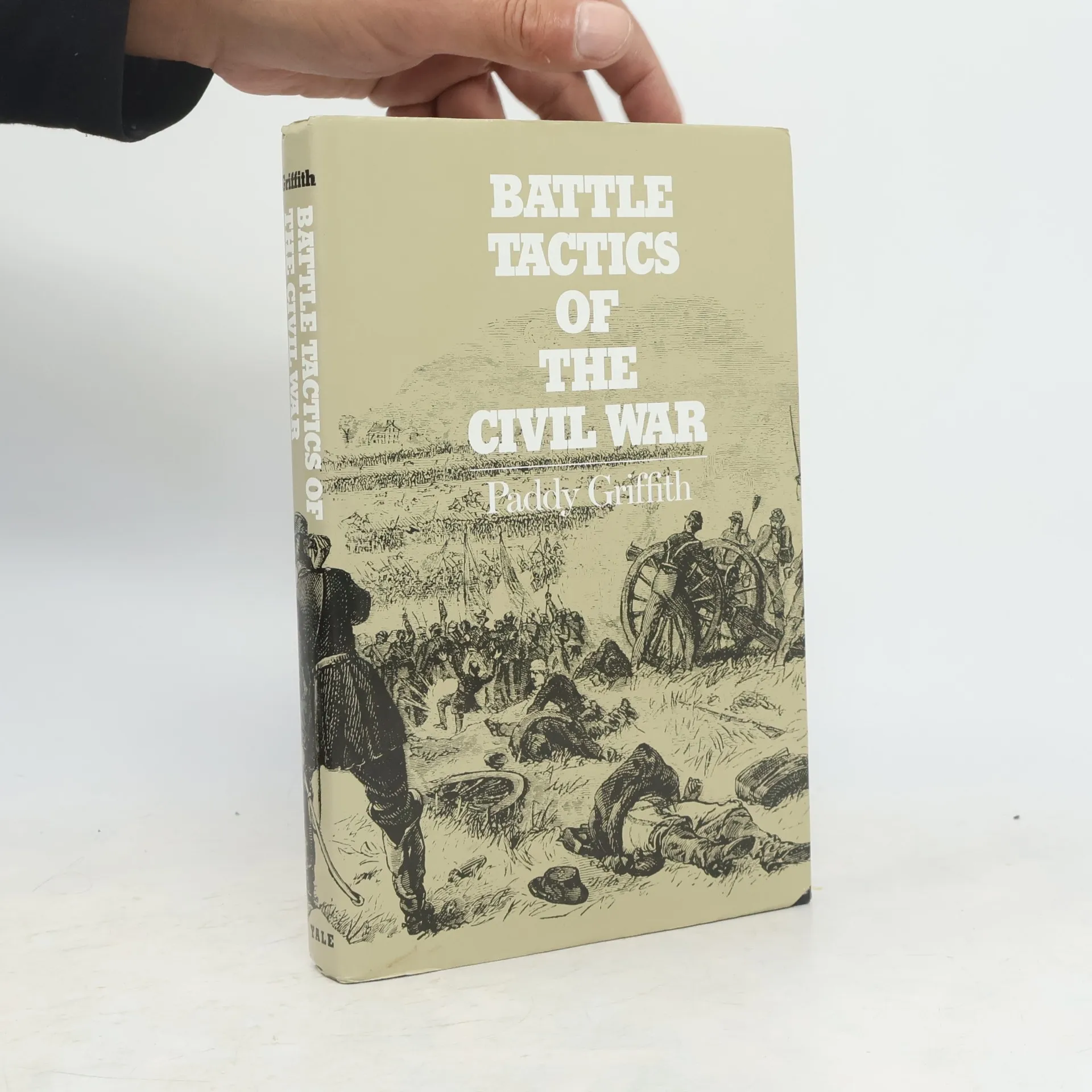
Battle Tactics of the Civil War
- 240pagine
- 9 ore di lettura
In Battle Tactics of the Civil War , Paddy Griffith argues that, far from being the first 'modern' war, it was the last 'Napoleonic' war, and that none of the innovations of industrialized warfare had any significant effect on the outcome.