Van Gogh, Gauguin and the Impressionist circle
- 310pagine
- 11 ore di lettura


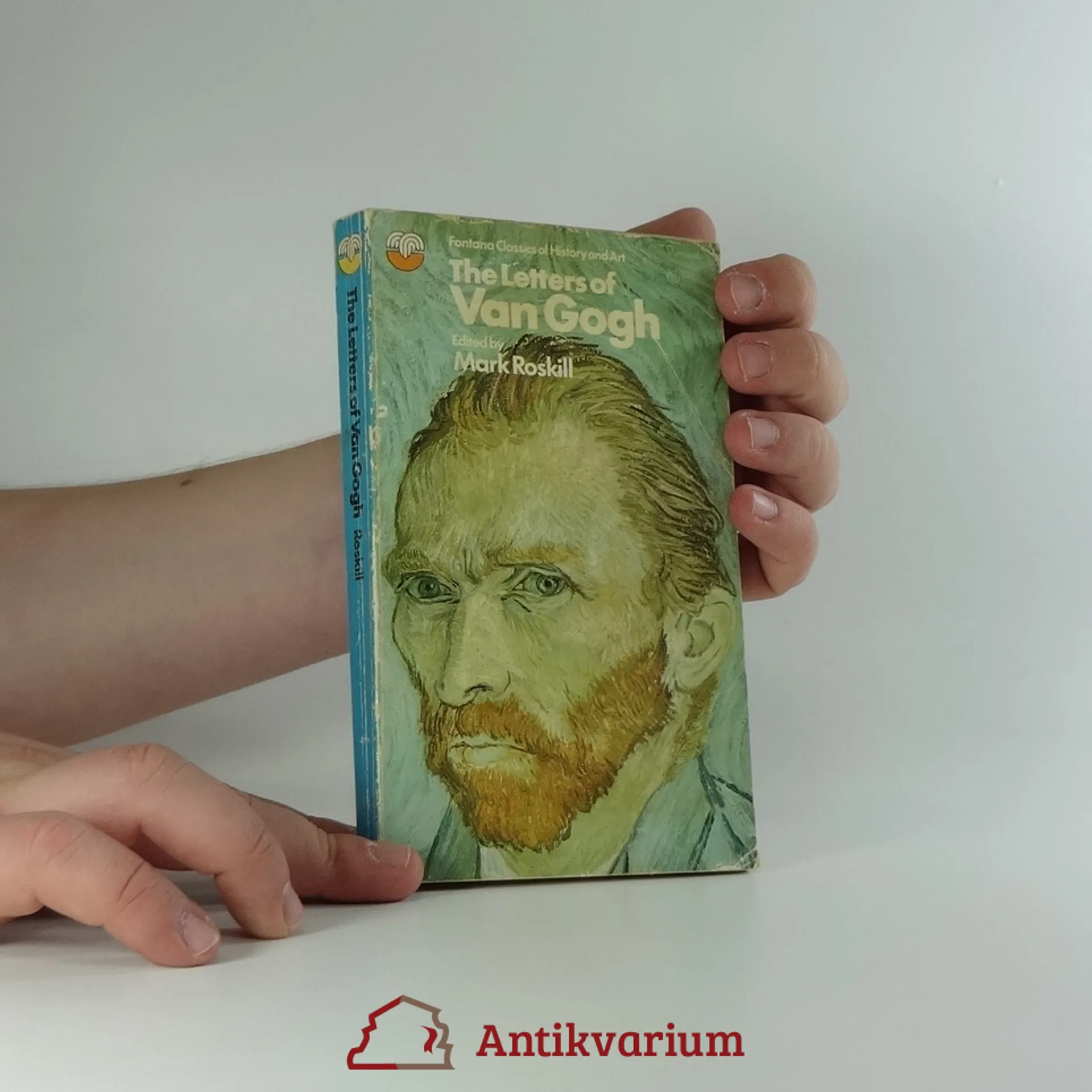


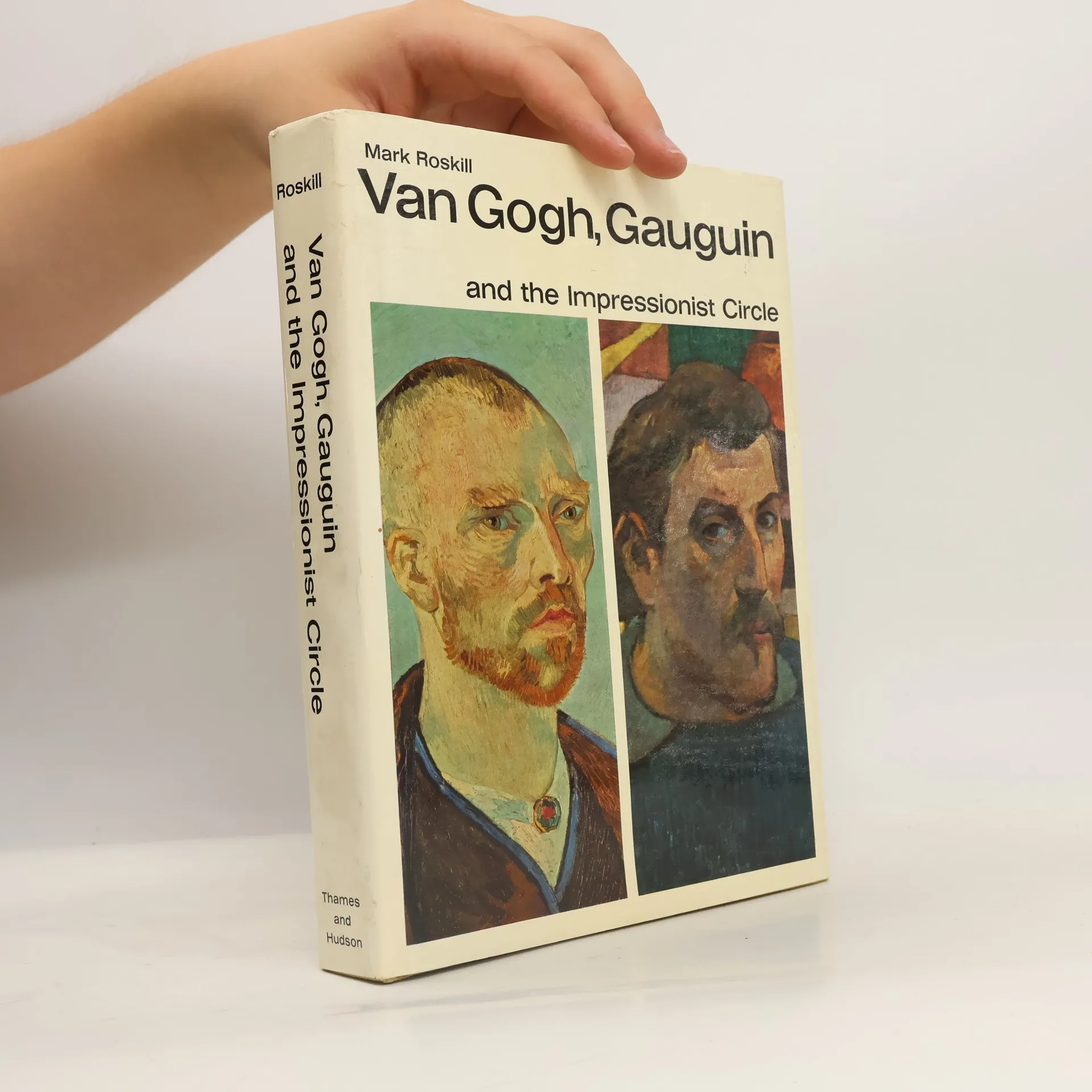
Designed to demolish some of the myths surrounding Van Gogh, this book provides not only a unique self-portrait of the man, but a vivid picture of the contemporary cultural scene.
In an original and broad-ranging study, Mark Roskill shows how social, cultural, and political events in Europe during the first forty years of the twentieth century provide a context for understanding the work of Paul Klee and Wassily Kandinsky. The two artists, who knew each other well and taught together for some time, responded to philosophical ideas, literature, music, and world events by producing some of the most intriguing and at times perplexing art of their time.Roskill's interpretation considers Klee and Kandinsky in relation to the artistic climate of the Munich Academy, the Bauhaus in both Weimar and Dessau, and other major cultural centers, including Paris. He examines their links with avant-garde groups and movements such as Der Blaue Reiter, Dada, Surrealism, and German Expressionism, and chronicles their struggles against Nazi censors who labeled them degenerate.
Ludovico Dolce's Dialogo della pittura first appeared in Venice in 1557. L'Aretino, by which the work is known today, consists of a three-part dialogue between two Venetians, Aretino and Fabrini, on the particular merits of works of art and artists, including Michaelangelo, Raphael, and Donatello. It is based largely on Aretino's letters. The edition is presented in the original Italian with English facing-page translation. This study of early art criticism serves to reveal something of how aesthetics were judged based on classical sources (especially Aristotle) and contemporary writers like Vasari.