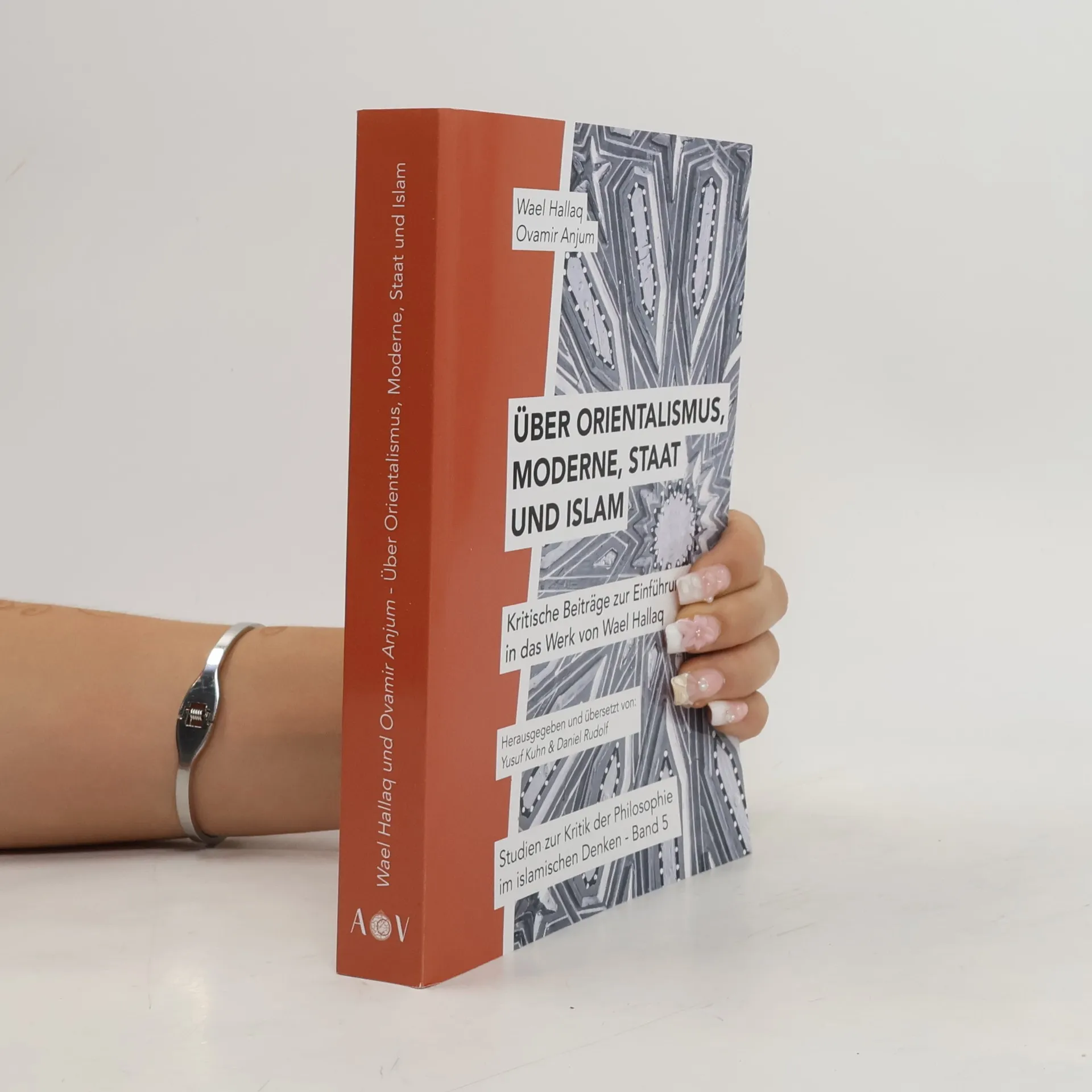
Edward Saids "Orientalismus"-Buch, das bereits vor über 40 Jahren den europäischen Blick auf den Orient als "Stil der Herrschaft und Umstrukturierung" zu entlarven suchte, gilt als eines der Gründungsdokumente der postkolonialen Theorie. Der in New York Islamwissenschaften und politische Theorie lehrende Wael B. Hallaq unterwirft Saids Thesen einer grundlegenden Kritik und Neubewertung. Dabei nimmt er zentrale Gedankenfiguren westlichen Denkens wie Souveränität, Subjekt oder Selbst in den Blick und analysiert, welche Rolle sie für das Aufkommen des Kolonialismus spielten. Hallaq diagnostiziert auf faszinierende Weise den europäischen Herrschaftsdiskurs und dessen problematische Verbindung von Wissen und Macht als Ergebnis einer "psychoepistemischen Störung", die für die Auswüchse des Kolonialismus, aber auch für die von Europa ausgehenden Genozide und die systematische Naturzerstörung verantwortlich ist. Quelle: Verlag
Wael B. Hallaq Libri
1 gennaio 1955
Wael B. Hallaq è un eminente studioso del diritto islamico e della storia intellettuale islamica. Il suo lavoro approfondisce le rotture epistemiche introdotte dalla modernità e dalle sue forze socio-politico-storiche associate, esaminando criticamente la storia intellettuale dell'orientalismo e il suo impatto duraturo sulla successiva erudizione. Hallaq analizza meticolosamente lo sviluppo e i sistemi interconnessi delle tradizioni islamiche nella logica, nella teoria giuridica e nel diritto sostanziale, esplorando le dinamiche strutturali del cambiamento legale all'interno dei quadri giuridici pre-moderni.