

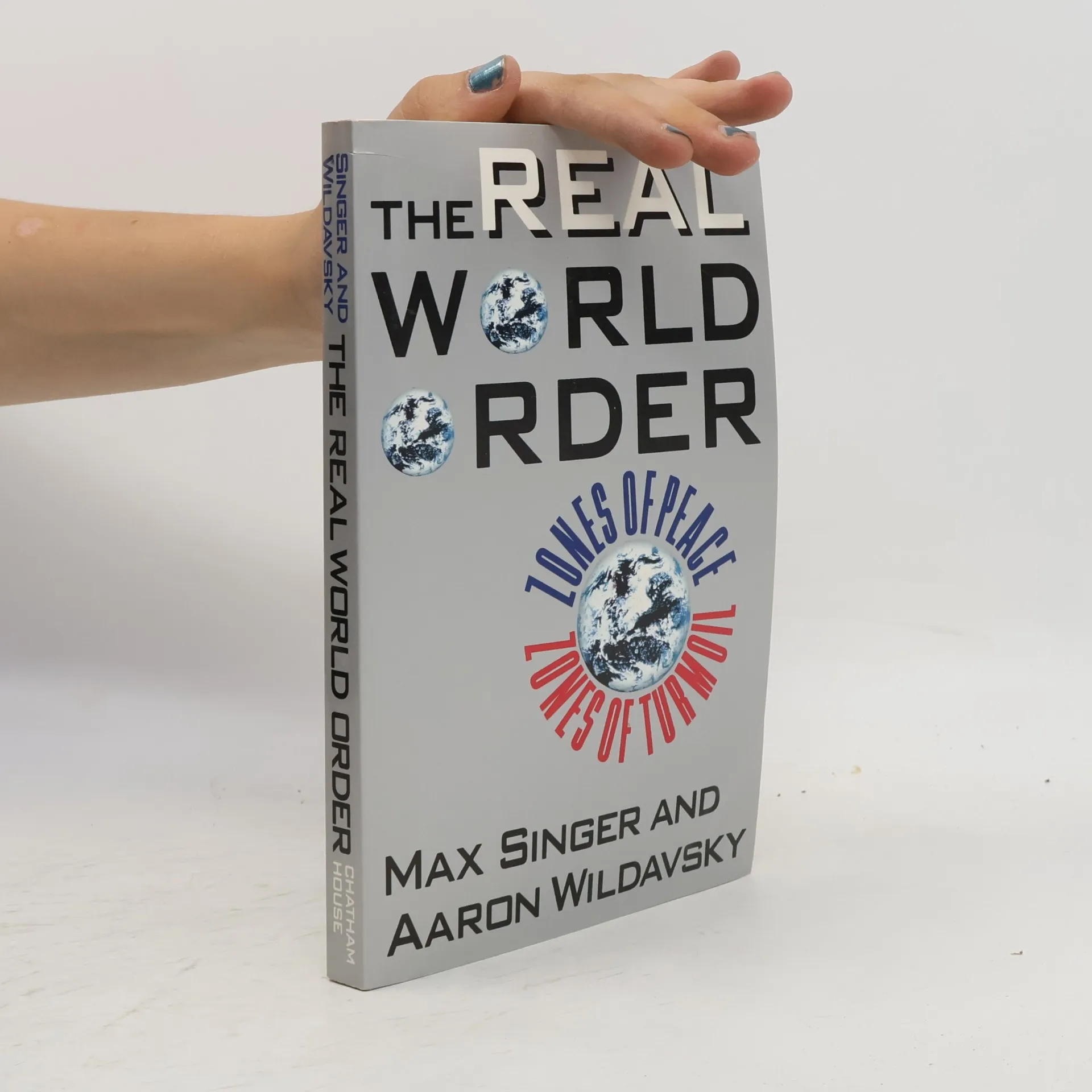
Updated and revised, this volume offers a forward-looking analysis of the international political scene in the post-Cold War era. With a new preface, the argument is strengthened and restated that no prior attempt to describe the post-Cold War world order has succeeded because none has divided the apparent disarray into its two parts: zones of peace and democracy, in which the authors discern a new basis for international relations; and zones of turmoil and development, where the future will be be like the past. This edition examines how the democracies should respond to the challenge of events in the former Yugoslavia.
Max Singer Libri
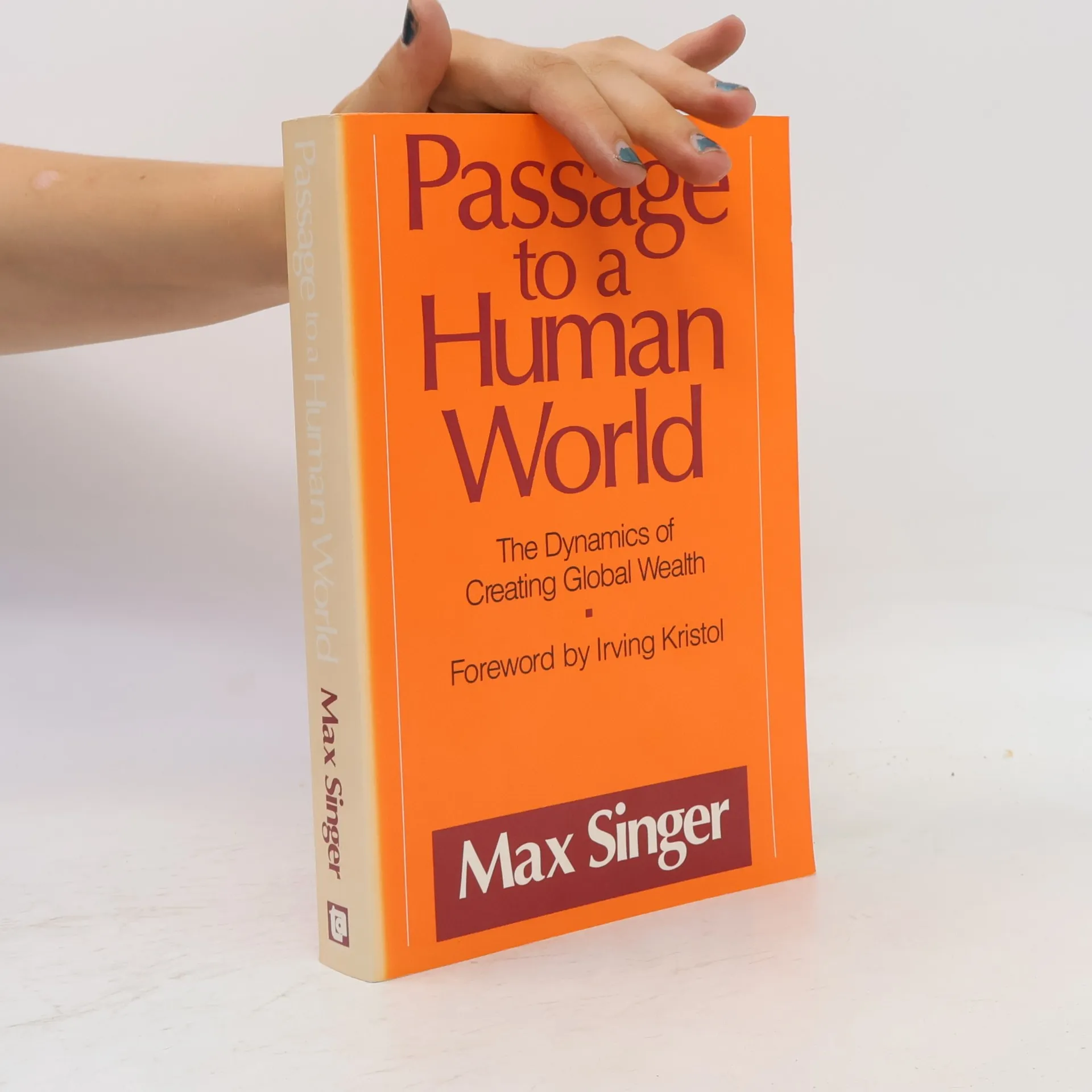
Passage to a Human World
- 390pagine
- 14 ore di lettura
"Singer convincingly demonstrates that econ-omic growth is the central reality of the modern era... His arguments are sometimes subtle, but he walks the reader through them with schematized subheadings, summaries, and relentless patience." --Peter Brimelow, The Wall Street Journal Responding to the Club of Rome's Limit to Growth and its successors, Singer argues that the dominant characteristic of the modern era is almost completely the world's passage, in the few centuries surrounding our own, from poverty to wealth. This rapid transformation in the condition of human life--from poor to wealthy, from nature-dominated to human--dominated is described here, as are the reasons why it has been largely ignored.