

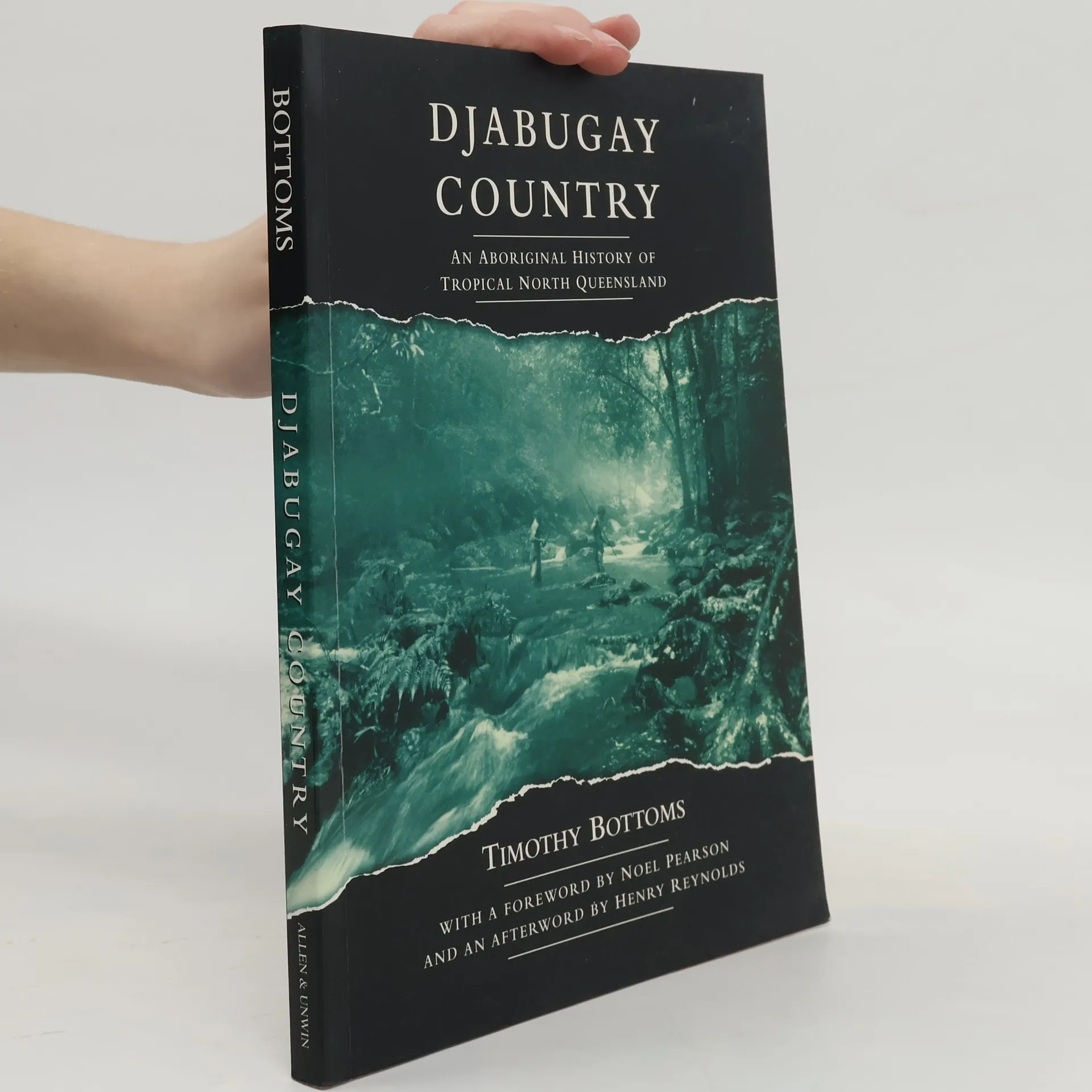
From time immemorial, a people called the Djabugay lived in the rainforests behind Cairns in Tropical Far North Queensland. Trade routes from the coast to the lush tablelands and beyond linked established settlements; outrigger canoes voyaged along the coast and out into the Great Barrier Reef.Today, 130 years after the coming of the white man, the Djabugay are a remnant - their lands taken away from them, their Storywaters partially lost. But they are a remnant determined to make their way in a transformed world.Djabugay Country is the story of this people and their struggle - what happened to them and how it happened. It takes us from first contact between the rainforest dwellers and the newcomers to the present day. Through accounts of the lives of families and individuals, it shows how out of dispossession and tragedy has come strength and hope.
Henry Reynolds Ordine dei libri (cronologico)
Henry Reynolds è un eminente storico australiano il cui lavoro illumina le complesse relazioni tra gli indigeni australiani e i coloni bianchi. La sua scrittura approfondisce le ramificazioni legali, sociali e politiche della colonizzazione, esplorando frequentemente temi di violenza, proprietà terriera e resistenza. Lo stile di Reynolds è caratterizzato da una meticolosa ricerca e dalla sua capacità di scoprire le narrazioni e le prospettive nascoste che hanno plasmato la storia australiana. I suoi contributi alla comprensione del passato coloniale dell'Australia sono significativi, e i suoi libri offrono spunti essenziali su questo periodo formativo.


Book by Reynolds, Henry
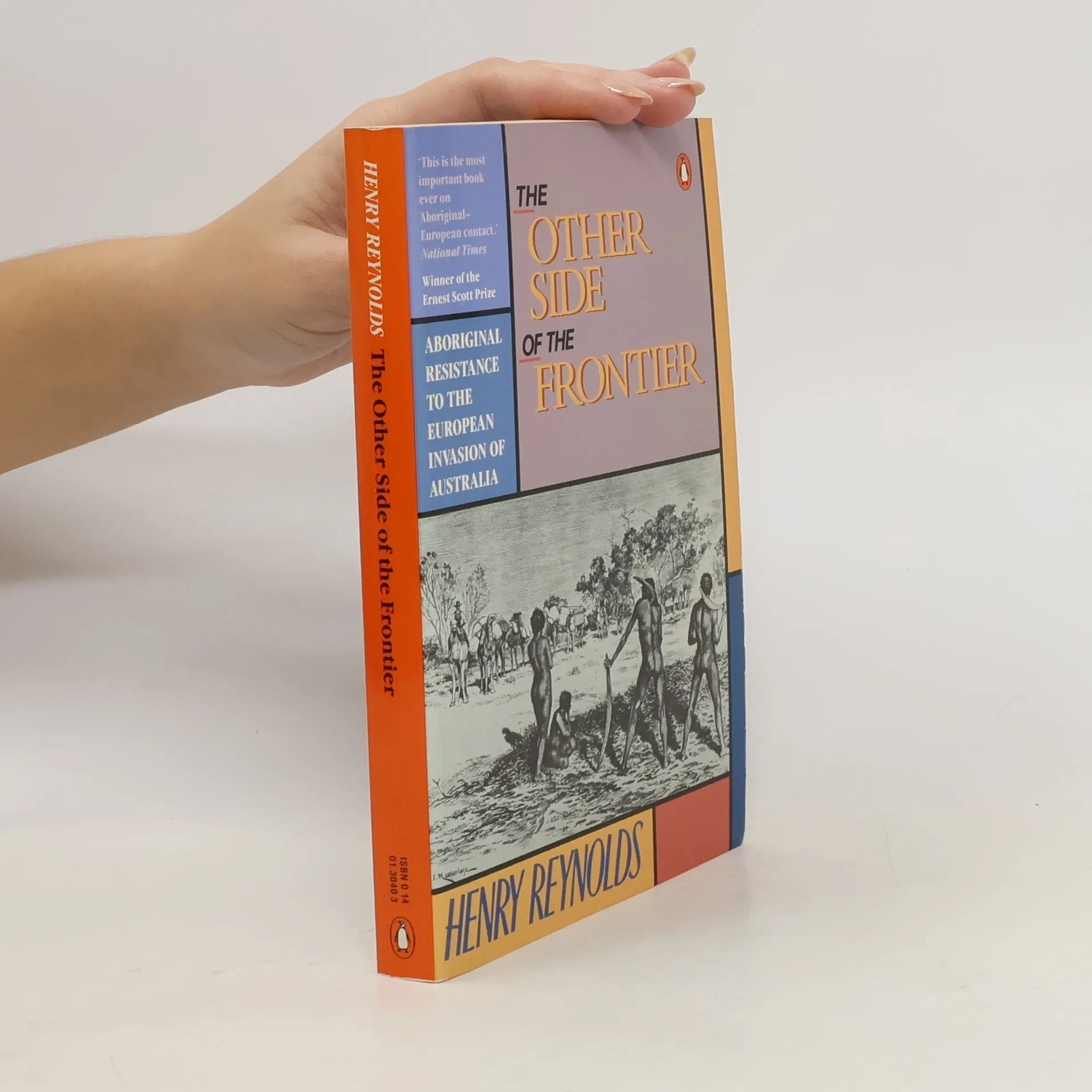
Harry Reynolds presents a different history of Australia through the eyes of remarkable and largely forgotten people. This story begins with Australia's first punitive expedition in December 1790 and the first clash of conscience about the use of violence which took place between Governor Arthur Phillip and Lieutenant William Dawes. It ends on the eve of World War II with Harry Bennett still expressing deep anger about the condition of the Aboriginies and the attitudes of whites Australia.
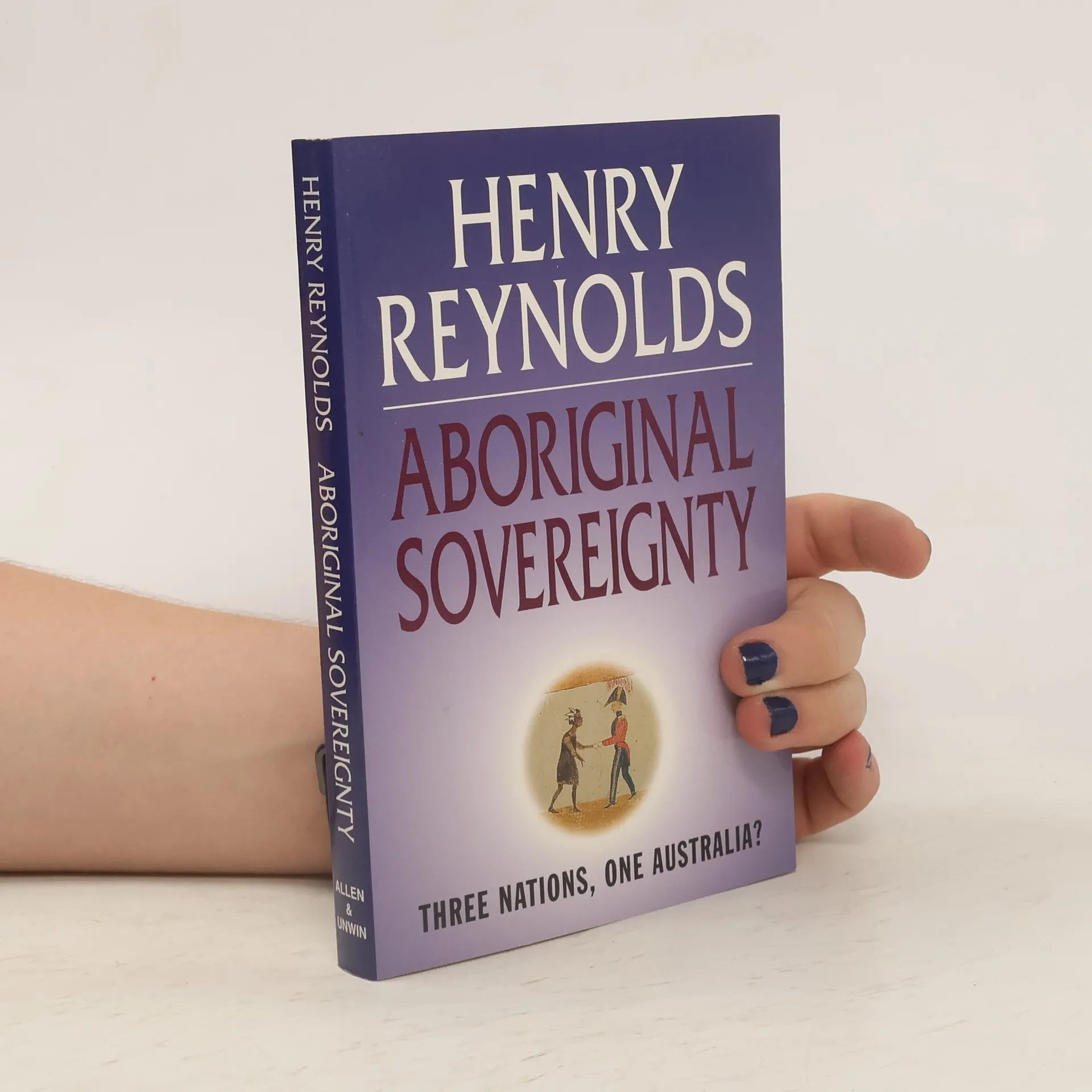
Aboriginal Sovereignty
- 240pagine
- 9 ore di lettura
Aboriginal Sovereignty is a provocative study of the relations between indigenous Australians and mainstream society. It presents a bold new interpretation of Aboriginal political development. It challenges us to consider that the Mabo decision is not the boundary at which the recognition of indigenous rights must cease.Aboriginal Sovereignty confronts the question of whether Aboriginal society exercised a form of sovereignty before 1788, whether the 'tribes' were actually small 'nations'. It considers legal interpretations of what happened when the Britons arrived. It looks at customary law and then considers current political and constitutional discussion, in Australia and overseas.What are the lessons from North America? Can there be self-determination for the 'nations within' a nation state?
The Other Side of the Frontier
- 255pagine
- 9 ore di lettura
Aboriginal Australians. Effects of colonisation of Australia by Great Britain, to 1910.