AI in the Wild
- 272pagine
- 10 ore di lettura
The first book to analyze the consequences of the political economy of artificial intelligence for global sustainability--


Peter Dauvergne è una voce di spicco nelle relazioni internazionali, il cui lavoro approfondisce le intricate connessioni tra politica globale, ambiente e società dei consumi. Dauvergne indaga come i sistemi economici e il consumo umano modellano gli impatti planetari, scoprendo le conseguenze nascoste delle nostre scelte. La sua ricerca si concentra sull'esame critico di come emergono le sfide ambientali in un contesto globale e di come rispondono le strutture politiche ed economiche. Gli scritti di Dauvergne offrono una profonda esplorazione delle questioni urgenti che il nostro mondo si trova ad affrontare.
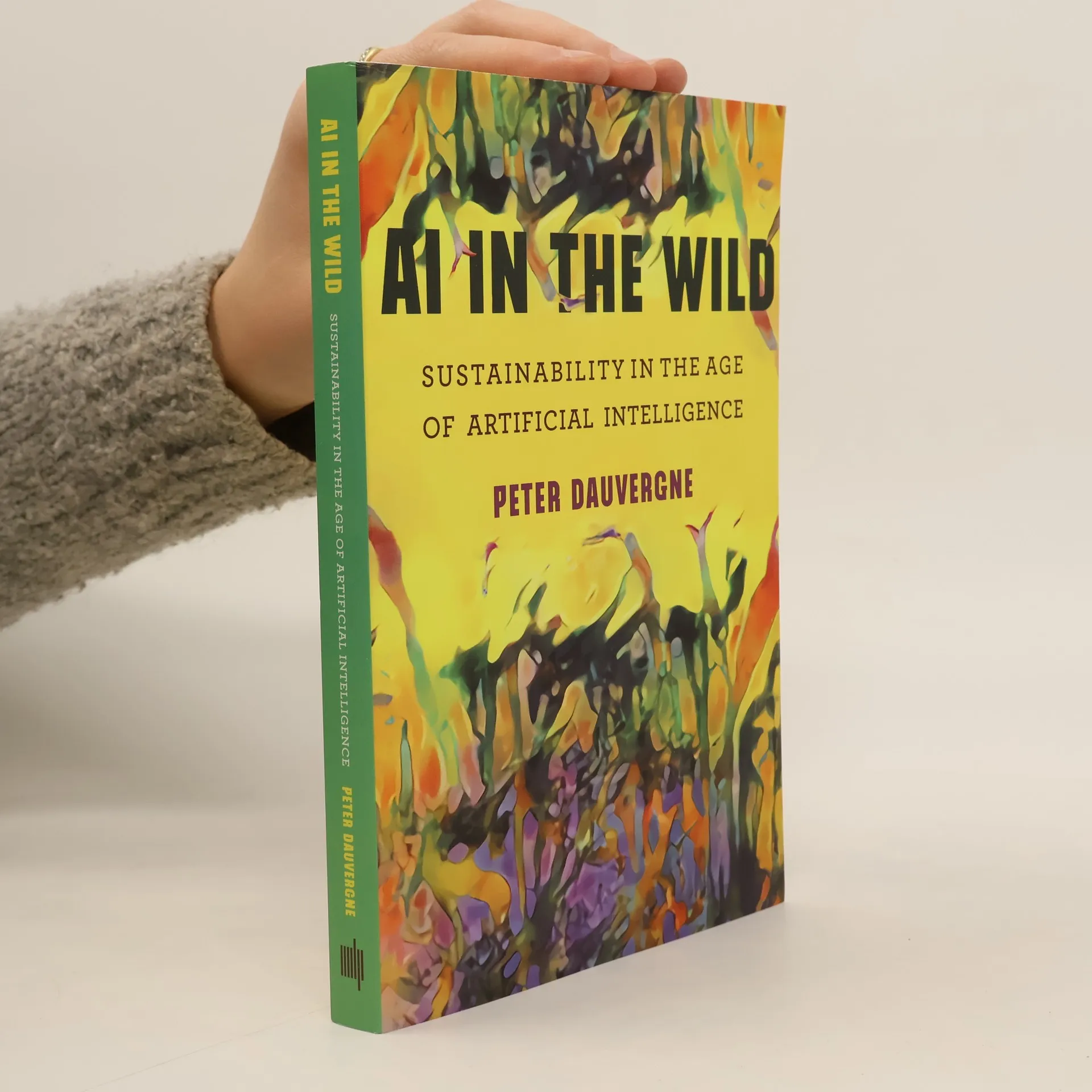
The first book to analyze the consequences of the political economy of artificial intelligence for global sustainability--
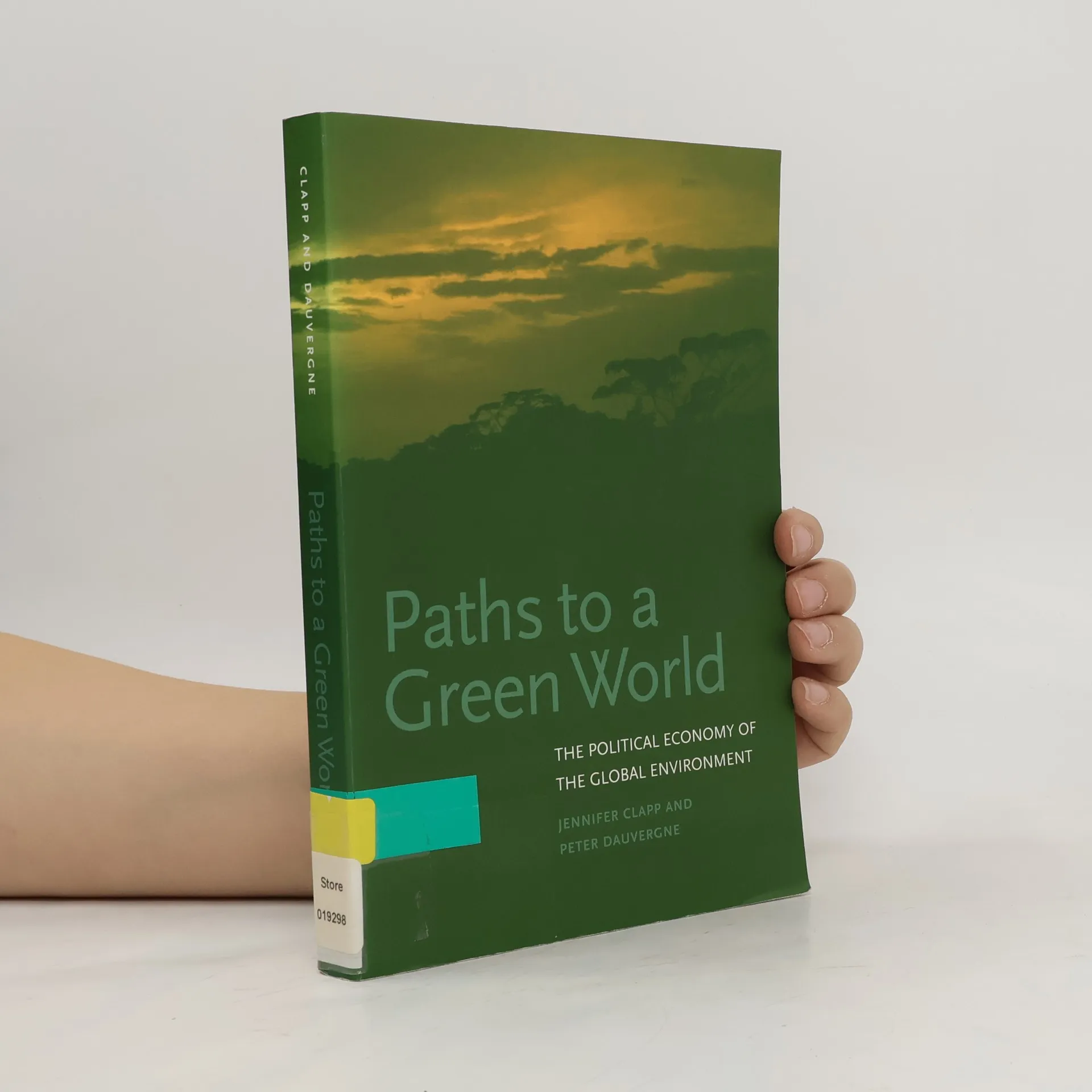
Examines the debates over the causes and consequences of environmental change from economic, political, ecological, and social perspectives.
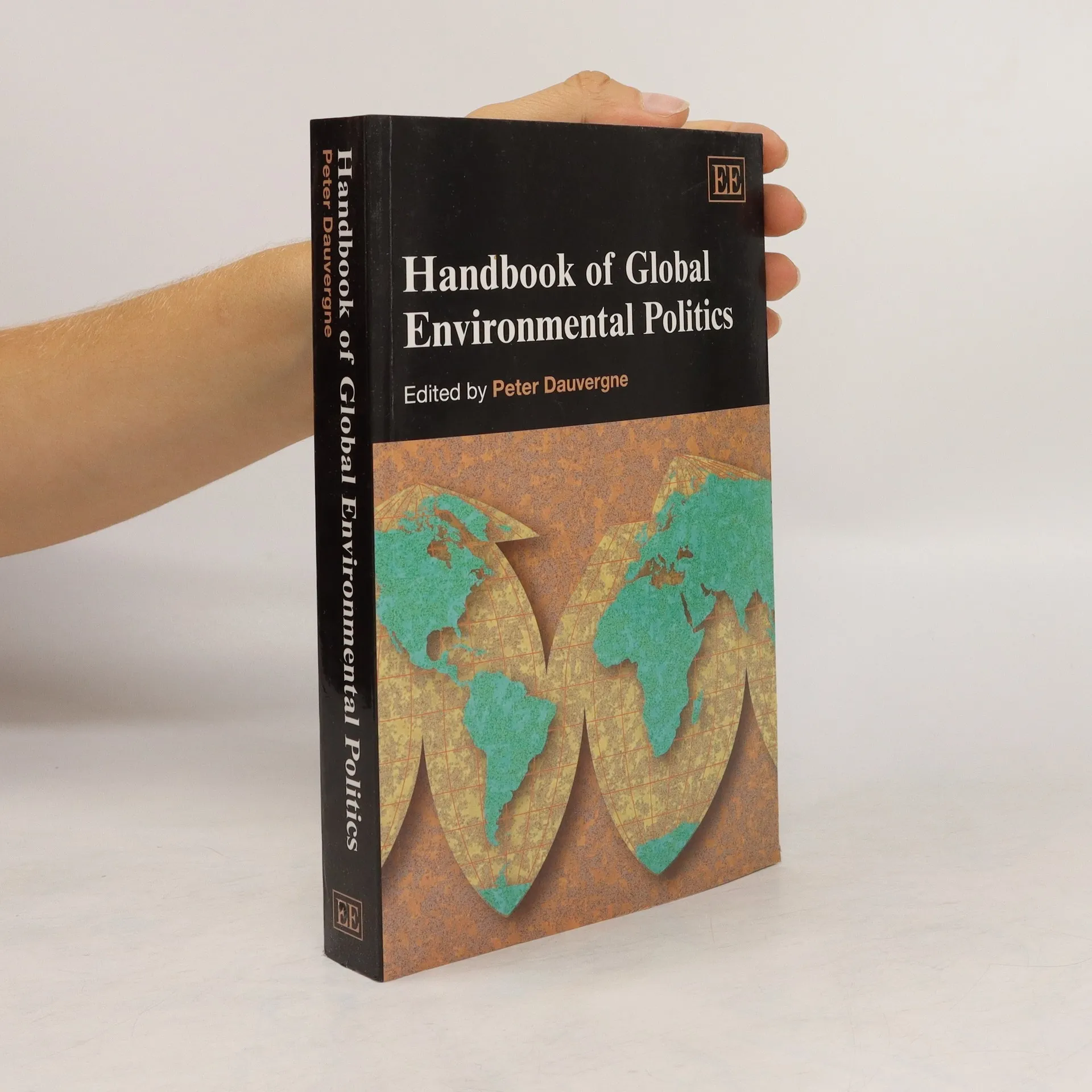
The first Handbook of original articles by leading scholars of global environmental politics, this landmark volume maps the latest theoretical and empirical research in this young and growing field. Captured here are the dynamic and energetic debates over concerns for the health of the planet and how they might best be addressed. The introductory chapters explore the intellectual trends and evolving parameters in the field of global environmental politics. They make a case for an expansive definition of the field, one that embraces an interdisciplinary literature on the connections between global politics and environmental change. The remaining chapters are divided into three broad themes - states, governance and security; capitalism, trade and corporations; and knowledge, civil societies and ethics - with each section providing a cohesive discussion of current issues. In-depth explorations are given to topics such as: global commons, renewable energy, the effectiveness of environmental cooperation, regulations and corporate standards, trade liberalization and global environmental governance, and science and environmental citizenship.A comprehensive survey of the latest research, the Handbook is a necessary reference for scholars, students and policymakers in the field of global environmental politics.