Manuel DeLanda è un filosofo, artista dei media e designer di software il cui lavoro unisce i regni dell'arte, della tecnologia e della filosofia. Iniziando la sua carriera come cineasta indipendente ispirato dalla teoria critica, ha poi spostato la sua attenzione sulla programmazione e sull'arte informatica. Dopo aver incontrato l'opera di Gilles Deleuze, ha trovato un nuovo potenziale creativo nei testi filosofici, emergendo come una figura chiave del 'nuovo materialismo'. Il suo approccio approfondisce la dinamica dei sistemi, la formazione e la dissoluzione delle strutture, offrendo una lente unica attraverso cui osservare la natura della realtà.
More than a simple expository history, A Thousand Years of Nonlinear History
sketches the outlines of a renewed materialist philosophy of history in the
tradition of Fernand Braudel, Gilles Deleuze, and Felix Guattari, while also
engaging the critical new understanding of material processes derived from the
sciences of dynamics. schovat popis
First published 10 years ago, Manuel DeLanda's Intensive Science and Virtual Philosophy rapidly established itself as a landmark text in contemporary continental thought. DeLanda here draws on the realist philosophy of Gilles Deleuze to the domain of philosophy of science. As well as contemporary philosophical insights, the book also tackles new developments in geometry, complexity theory and chaos theory to bring new insights to our understanding of a scientific knowledge liberated from traditional ideas of essence.
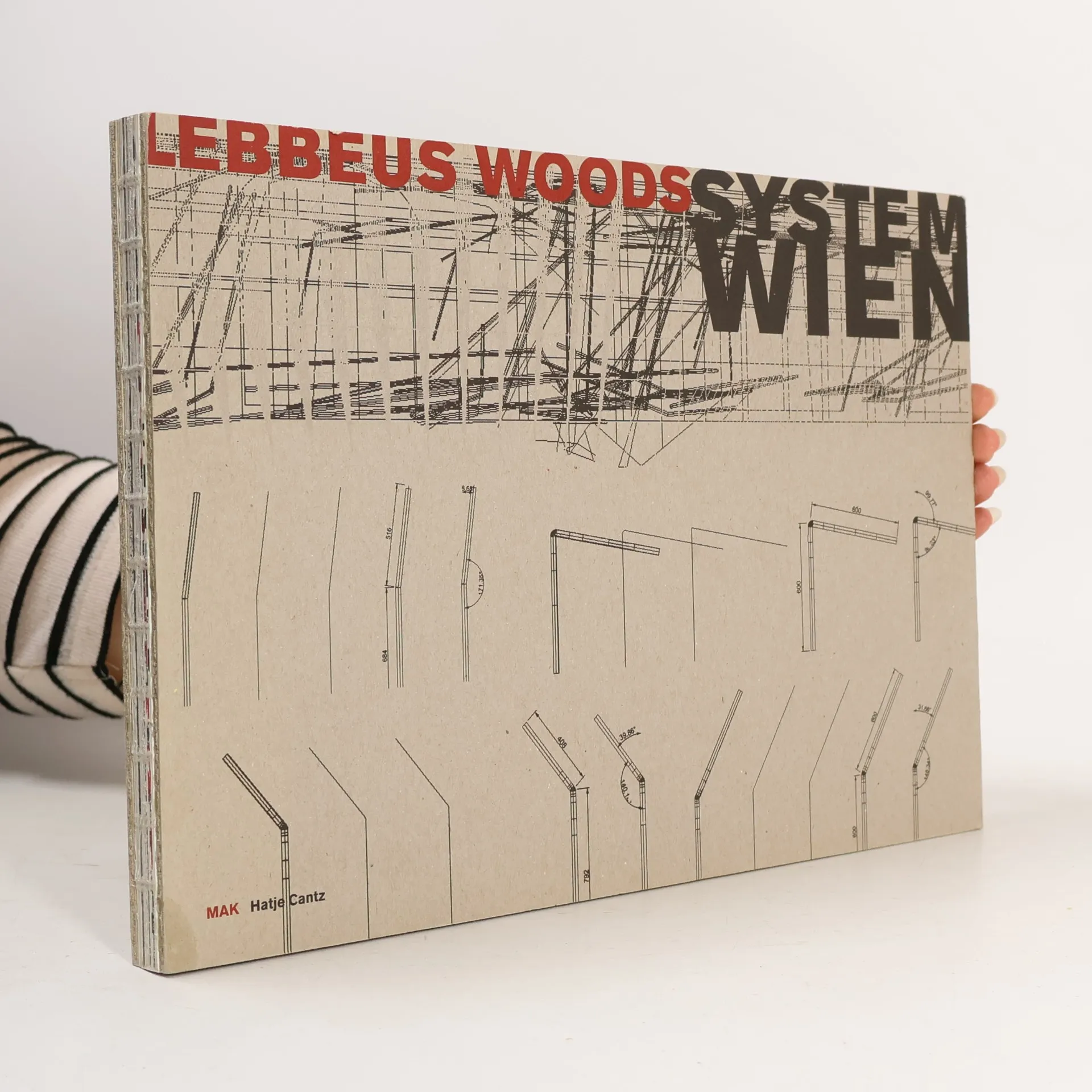
Der New Yorker Architekt Lebbeus Woods - Gründer des Research Institute for Experimental Architecture (RIEA) - beschäftigt sich intensiv mit Architekturtheorie und experimenteller Architektur. Seine Ansätze sind weit entfernt von konkreten, zweckgebundenen Bauvorhaben. Vielmehr entwickeln sie sich hin zu visionären Projekten, die Wissenschaft, Philosophie und Kunst mit einbeziehen. Seine Entwurfspraxis, ein komplexes Denkmodell, das sich auch von Science-Fiction-Ikonen inspirieren lässt, hat Generationen von Architekten beeinflusst. Lebbeus Woods (*1940) siedelt seine Projekte an Orten an, an denen die Widersprüche der Realität krisenhaft und gewalttätig aufbrechen - sieht er die Aufgabe des Architekten doch vor allem im Entwerfen von Räumen und urbanen Strukturen, die auf die Gesamtheit menschlicher Lebensbedingungen reagieren. Ausgangspunkt dieser systemtheoretischen Abhandlung ist eine speziell für das MAK konzipierte Arbeit Lebbeus Woods' über die urbane Struktur der Stadt Wien, in die er konkrete architektonische Eingriffe vornehmen wird. Die begleitenden Essays stellen diese Interventionen in einen erweiterten Kontext und verweisen dabei auf grundlegende Aspekte in Werk und Denken eines der bedeutendsten Architekten unserer Zeit. Ausstellung: MAK, Wien 29.6.-16.10.2005
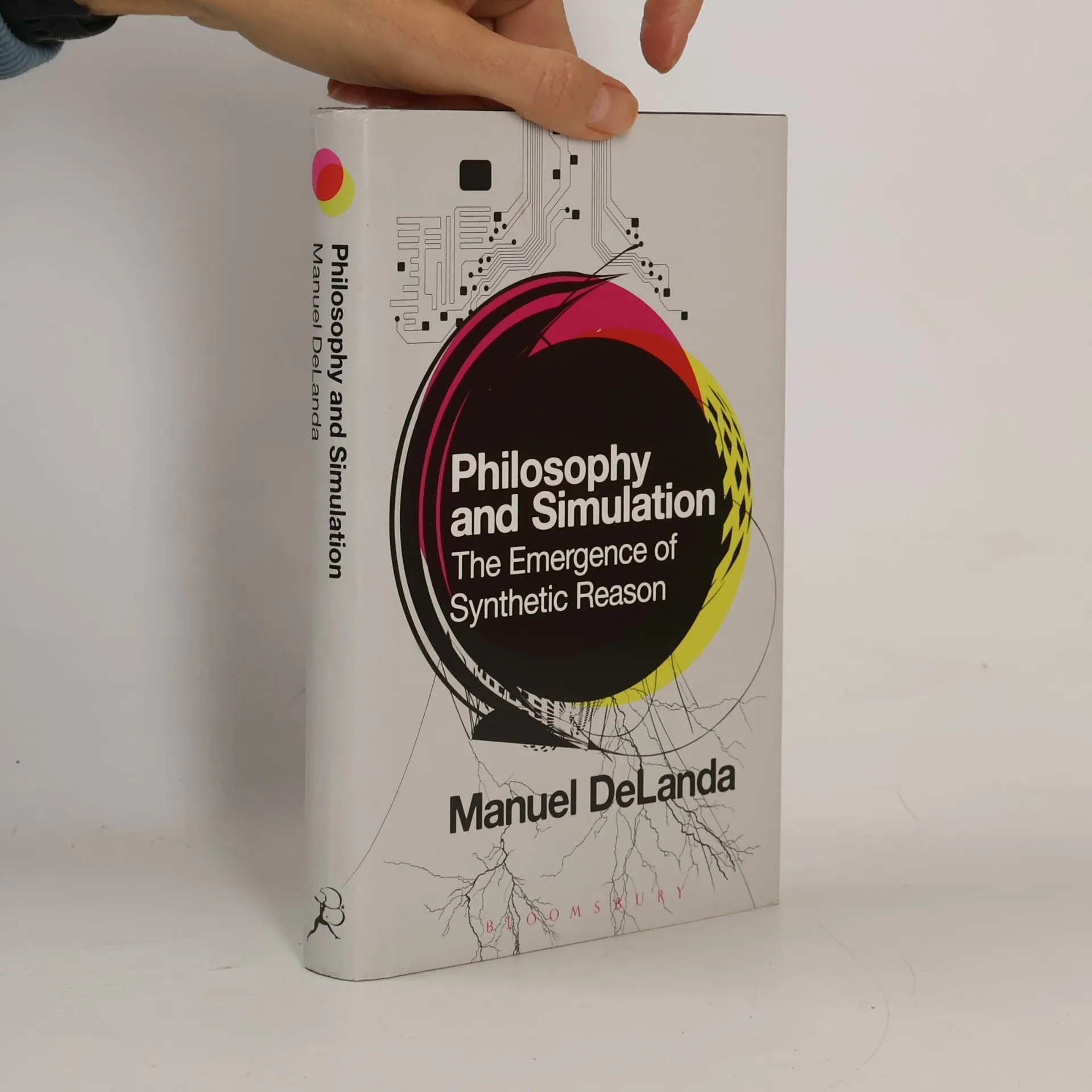
In this groundbreaking new book, Manuel Delanda analyzes all the different genres of simulation (from cellular automata and genetic algorithms to neural nets and multi-agent systems) as a means to conceptualize the possibility spaces associated with causal (and other) capacities. Simulations allow us to stage actual interactions among a population of agents and to observe the emergent wholes that result from those interactions. Simulations have become as important as mathematical models in theoretical science. As computer power and memory have become cheaper they have migrated to the desktop, where they now play the role that small-scale experiments used to play. A philosophical examination of the epistemology of simulations is needed to cement this new role, underlining the consequences that simulations may have for materialist philosophy itself. This remarkably clear philosophical discussion of a rapidly growing field, from a thinker at the forefront of research at the interface of science and the humanities, is a must-read for anyone interested in the philosophy of technology and the philosophy of science at all levels.
Until quite recently, almost no philosophers trained in the continental
tradition saw anything of value in realism. The situation in analytic
philosophy was always different, but in continental philosophy realism was
usually treated as a pseudo-problem. That is no longer the case.
Manuel DeLanda provides the first detailed overview of the assemblage theory found in germ in Deleuze and Guattari's writings. Through a series of case studies, DeLanda shows how the concept can be applied to economic, linguistic, and military history as well as to metaphysics, science, and mathematics. DeLanda then presents the real power of assemblage theory by advancing it beyond its original formulation - allowing for the integration of communities, institutional organizations, cities and urban regions. And he challenges Marxist orthodoxy with a Leftist politics of assemblages.
"Philosophical Chemistry: Genealogy of a Scientific Field" by Manuel DeLanda explores the evolution of Chemistry through a historicized lens, highlighting divergence and hybridization. The book examines three subfields across centuries, proposing a model of scientific practice that includes phenomena, practitioners, and techniques. It is essential for those studying Philosophy of Science and Chemistry.
"Manuel DeLanda is a distinguished writer, artist and philosopher. In his new book, he offers a fascinating look at how the contemporary world is characterized by an extraordinary social complexity. Since most social entities, from small communities to large nation-states, would disappear altogether if human minds ceased to exist, Delanda proposes a novel approach to social ontology that asserts the autonomy of social entities from the conceptions we have of them." Editorial