

HarperCollins is proud to present its incredible range of best-loved, essential classics... Despite dating from the 4th century BC, The Art of Rhetoric continues to be regarded by many as the single most important work on the art of persuasion. As democracy began emerging in 5th-century Athens, public speaking and debate became an increasingly important tool to garner influence in the assemblies, councils, and law courts of ancient Greece. In response to this, both politicians and ordinary citizens became desperate to learn greater skills in this area, as well as the philosophy behind it. This treatise was one of the first to provide just that, establishing methods and observations of informal reasoning and style, and has continued to be hugely influential on public speaking and philosophy today. Aristotle, the grandfather of philosophy, student of Plato, and teacher of Alexander the Great, was one of the first people to create a comprehensive system of philosophy, encompassing logic, morality, aesthetics, politics, ethics, and science. Although written over 2,000 years ago, The Art of Rhetoric remains a comprehensive introduction for philosophy students into the subject of rhetoric, as well as a useful manual for anyone today looking to improve their oratory skills of persuasion.
Jacob Aristotle Ordine dei libri (cronologico)
Aristotele si colloca tra i più grandi filosofi di tutti i tempi, le cui opere hanno plasmato il pensiero occidentale per secoli. La sua ricerca si estese a una vasta gamma di discipline, dalla logica e metafisica all'etica, alla teoria politica e all'estetica. Il suo approccio basato sull'osservazione e sulla ricerca empirica, specialmente in biologia, fu pionieristico. La filosofia di Aristotele, complessa e oggetto di continui dibattiti interpretativi, stimola ancora oggi l'interesse accademico, testimoniando la sua duratura importanza.

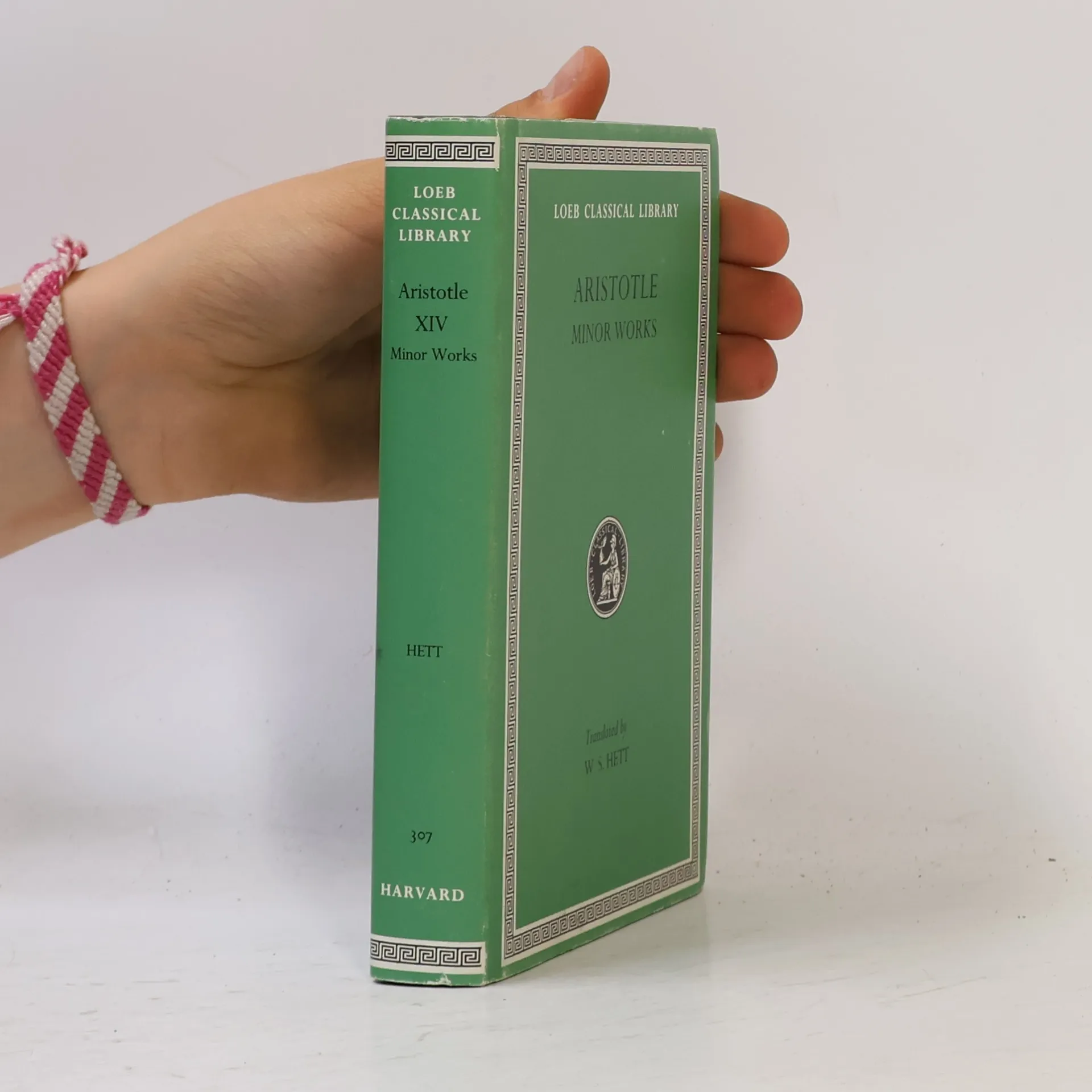


Loeb Classical Library - 14: Minor Works
- 528pagine
- 19 ore di lettura
Nearly all the works Aristotle (384 322 BCE) prepared for publication are lost; the priceless ones extant are lecture-materials, notes, and memoranda (some are spurious). They can be categorized as practical; logical; physical; metaphysical; on art; other; fragments.
Aristotle XI. History of Animals. Books VII-X
Edited and Translated by D.M. Balme
A new translation of one of the most important philosophical works of all time A Penguin Classic Aristotle’s classic treatise is based on his famous doctrine of the golden mean, which advocates taking the middle course between excess and deficiency. Reacting against Plato’s absolutism, Aristotle insisted that there are no definitive moral standards and that ethical philosophy must be based on human nature and experience. Treating such topics as moral worth, intellectual virtue, pleasure, friendship, and happiness, The Nicomachean Ethics asks above all: What is the good life, and how can we live it?
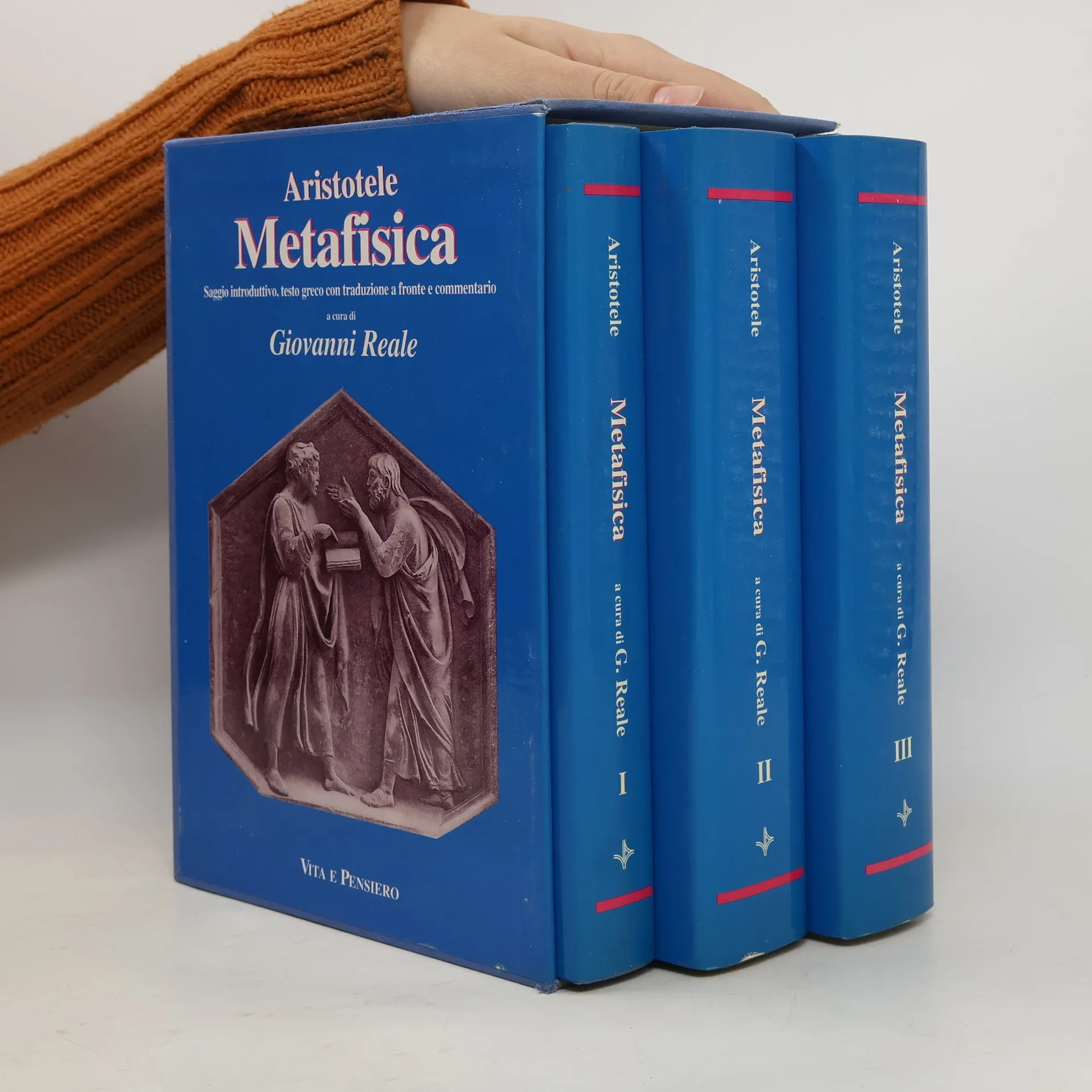
Metafisica I.-III.
- 1854pagine
- 65 ore di lettura
L'opera conosciuta come "Metafisica di Aristotele" è considerata uno dei testi più influenti nella storia del pensiero occidentale. La sua portata ha plasmato il pensiero filosofico dal Neoplatonismo attraverso il Medioevo fino all'età moderna, influenzando pensatori come Cartesio e Hegel. Tuttavia, la questione se si tratti effettivamente di un'opera di Aristotele rimane aperta. Nei manoscritti greci, il titolo Ta meta ta physika significa "Le (scritture) dopo le scritture scientifiche", suggerendo che potrebbe trattarsi di un titolo collettivo la cui unità è discutibile. Le scritture non si collocano chiaramente nelle discipline logiche, fisiche o etiche, portando a considerare che potrebbero non avere una connessione evidente. Potrebbero affrontare problemi che possono essere trattati solo dopo aver compreso la realtà sensibile. In questo contesto, il termine "Metafisica" potrebbe essere interpretato come una designazione bibliotecaria, il cui origine si trova nell'edizione di Aristotele di Andronico di Rodi.