
he level 4 student's book comprises 6 units (each of which are divided into 3 lessons). Furthermore, each unit also includes the following 3 sections: - 'Vivir en sociedad': This explores different topics with a view to helping students develop an appreciation of values. - 'Área de...': This interdisciplinary section will help students to link the contents covered in the Spanish classroom with other subjects. - 'Magacín': A journal that will allow students to familiarise themselves with different cultural aspects of Spain and Latin America.
David A. Sousa Ordine dei libri (cronologico)

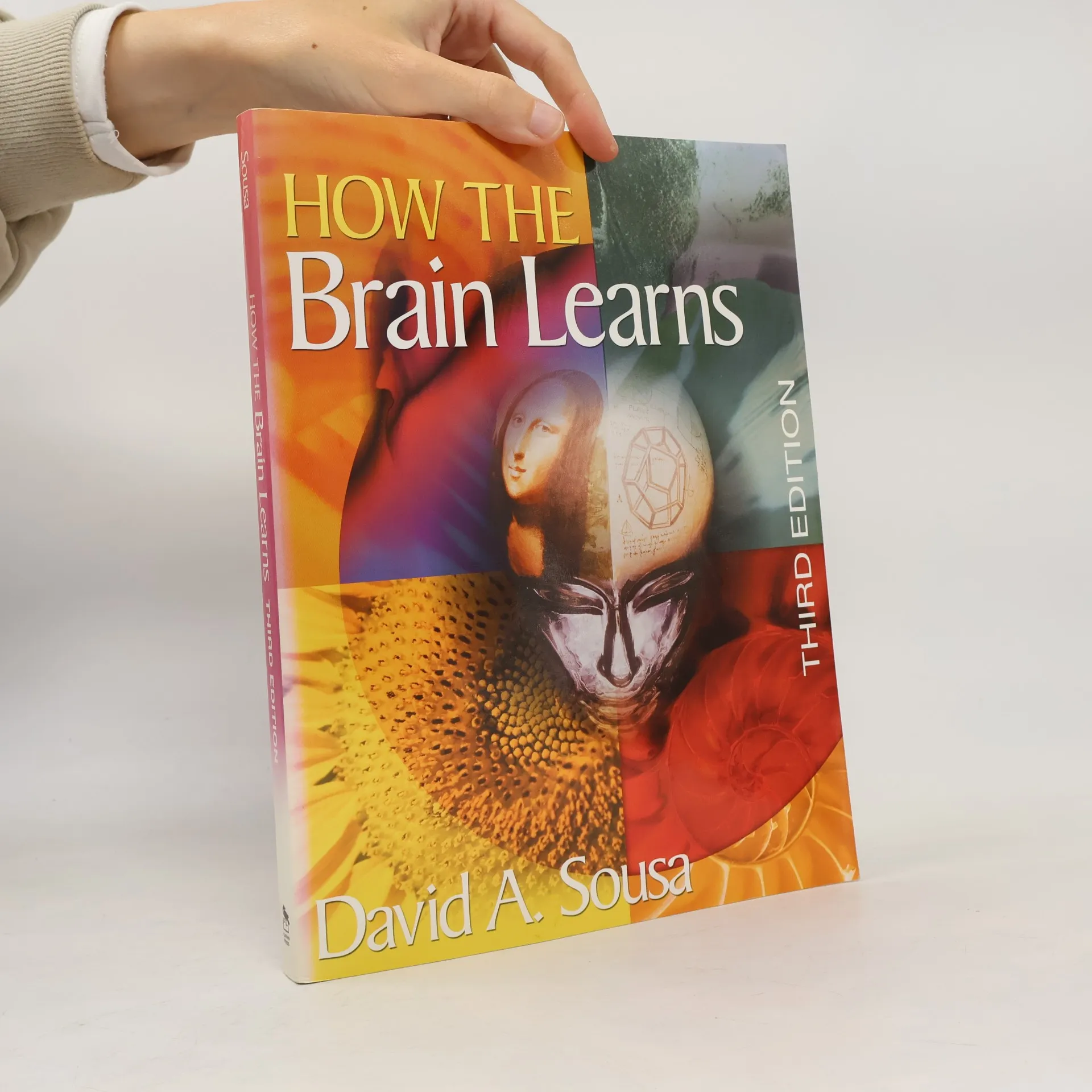
How the Brain Learns
- 321pagine
- 12 ore di lettura
One major development since the third edition of this text is the birth of a new academic discipline. Called educational neuroscience or mind, brain, and education science, this field explores how research findings from neuroscience, education, and psychology can inform our understandings about teaching and learning, and whether they have implications for educational practice. This new edition includes updated information on memory systems, especially the changes in working memory capacity; new research findings on how the explosion of technology may be affecting the brain; new information on brain organization and learning, and revised sections on hemispheric specialization;ánew research on how learning the arts enhances cognitive processing and creativity; an expanded Resources section that includes more Internet sites selected for their reliable information on the brain; and more than 150 new oráupdated references, most of which are primary sources for those who wish to explore the actual research studies. This book opens the door to educational neuroscience in the hopes that educators will experience the joy of seeing more students reach their full potential.