

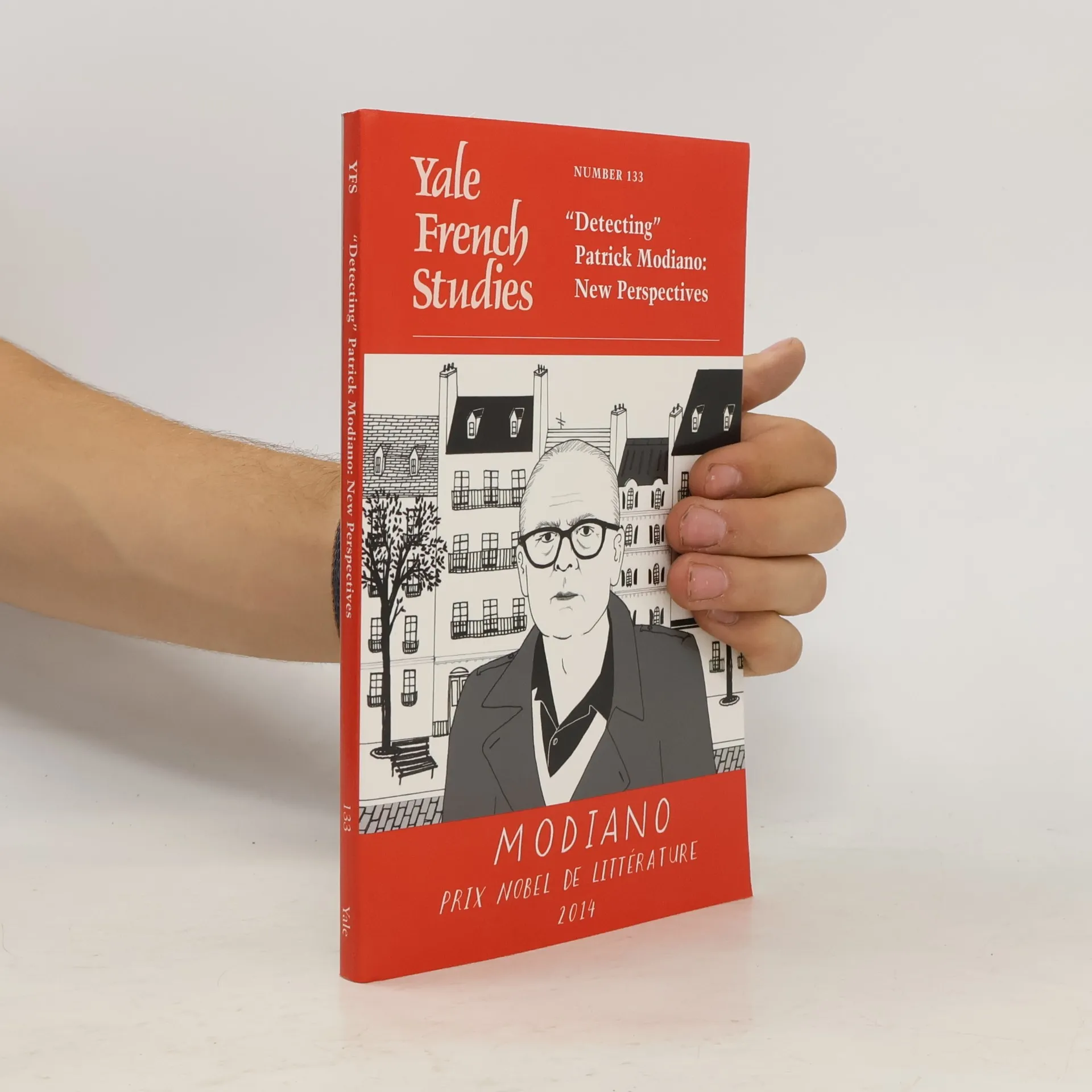
Number 133 in Yale French Studies takes a new look at the themes in Nobel laureate Patrick Modiano's work This volume of Yale French Studies offers new perspectives on the work of the 2014 Nobel laureate in literature, Patrick Modiano. Including critical reassessments of themes that have informed, indeed haunted, Modiano’s fiction from the outset, this collection of essays places the writer in a variety of new contexts. Topics include explorations of literary and cinematic traditions such as surrealism and film noir, situating Modiano’s work among other literatures, the author’s fascination with the dark years of the German Occupation, and his troubled relations with his parents.
Richard J. Golsan Ordine dei libri (cronologico)
18 ottobre 1952
Richard J. Golsan è un distinto professore la cui ricerca approfondisce le eredità letterarie, cinematografiche e legali della Seconda Guerra Mondiale in Francia, insieme a temi come il fascismo e il coinvolgimento politico di scrittori e intellettuali. Il suo lavoro esamina criticamente come i creatori hanno affrontato la complicità e l'intricata interazione tra politica ed espressione artistica. L'approccio di Golsan è caratterizzato da un'acuta analisi, offrendo profonde intuizioni sulle complesse relazioni tra arte, storia e cambiamenti sociali. Attraverso le sue pubblicazioni e il suo insegnamento del cinema francese, fornisce a lettori e studenti una ricca comprensione di momenti cruciali della storia culturale e intellettuale francese.
The Paradox of Love
- 272pagine
- 10 ore di lettura
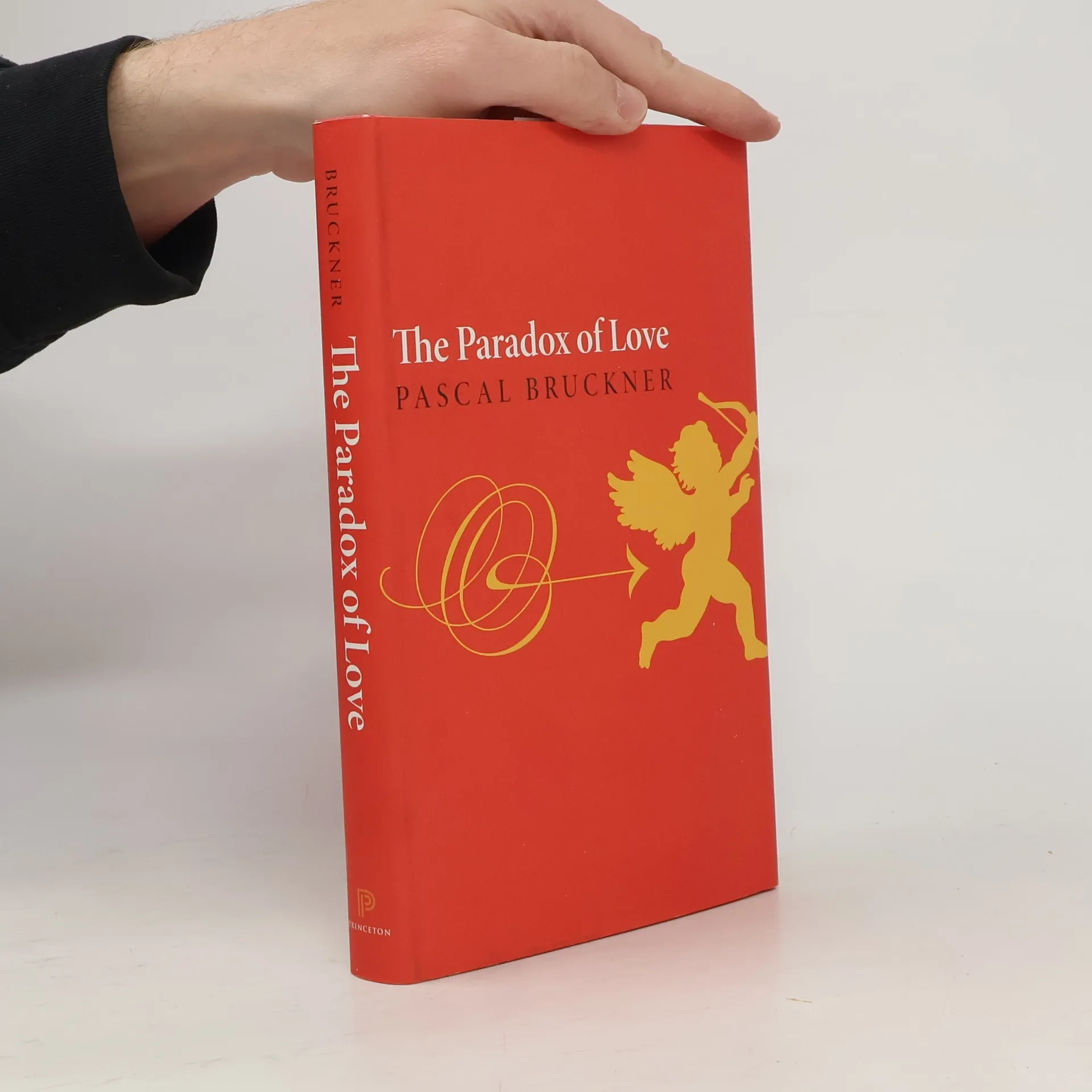
The sexual revolution is celebrated for its freedoms, including birth control, decriminalized abortion, and greater gender equality. However, Pascal Bruckner, a prominent French writer, argues that these new freedoms have introduced additional burdens and rules, without eliminating the old ones—such as marriage, jealousy, and fidelity. This complexity makes love, sex, and relationships today confusing and paradoxical. Drawing from history, politics, psychology, literature, and current events, Bruckner dissects these contradictions, tracing the roots of sexual liberation back to the Enlightenment. He highlights the paradox of "free love," which embodies the tension between freedom and attachment. As we grapple with the inadequacies of our sex lives compared to liberated ideals, we shift from neuroses of repression to those of inadequacy, leading to a culture of dishonesty about our desires. Bruckner mixes irony with optimism, suggesting that we should not align strictly with revolutionaries or reactionaries. Instead, he encourages embracing love as it is, recognizing that its messiness and surprises are sources of both pain and joy, ultimately revealing the enduring complexities of human relationships.