
Bookbot

Pablo Servigne Libri

    Pablo Servigne è un autore e relatore francese il cui lavoro approfondisce la transizione ecologica, l'agroecologia, la colapsologia e la resilienza collettiva. La sua scrittura esplora le intricate connessioni tra i sistemi naturali e la società umana, cercando percorsi verso un futuro più sostenibile. L'approccio di Servigne è profondamente radicato nella comprensione dell'interdipendenza delle sfide ecologiche e sociali. Offre ai lettori spunti di riflessione su come possiamo affrontare le crisi attuali e promuovere comunità più resilienti.

    Comment tout peut s'effondrer
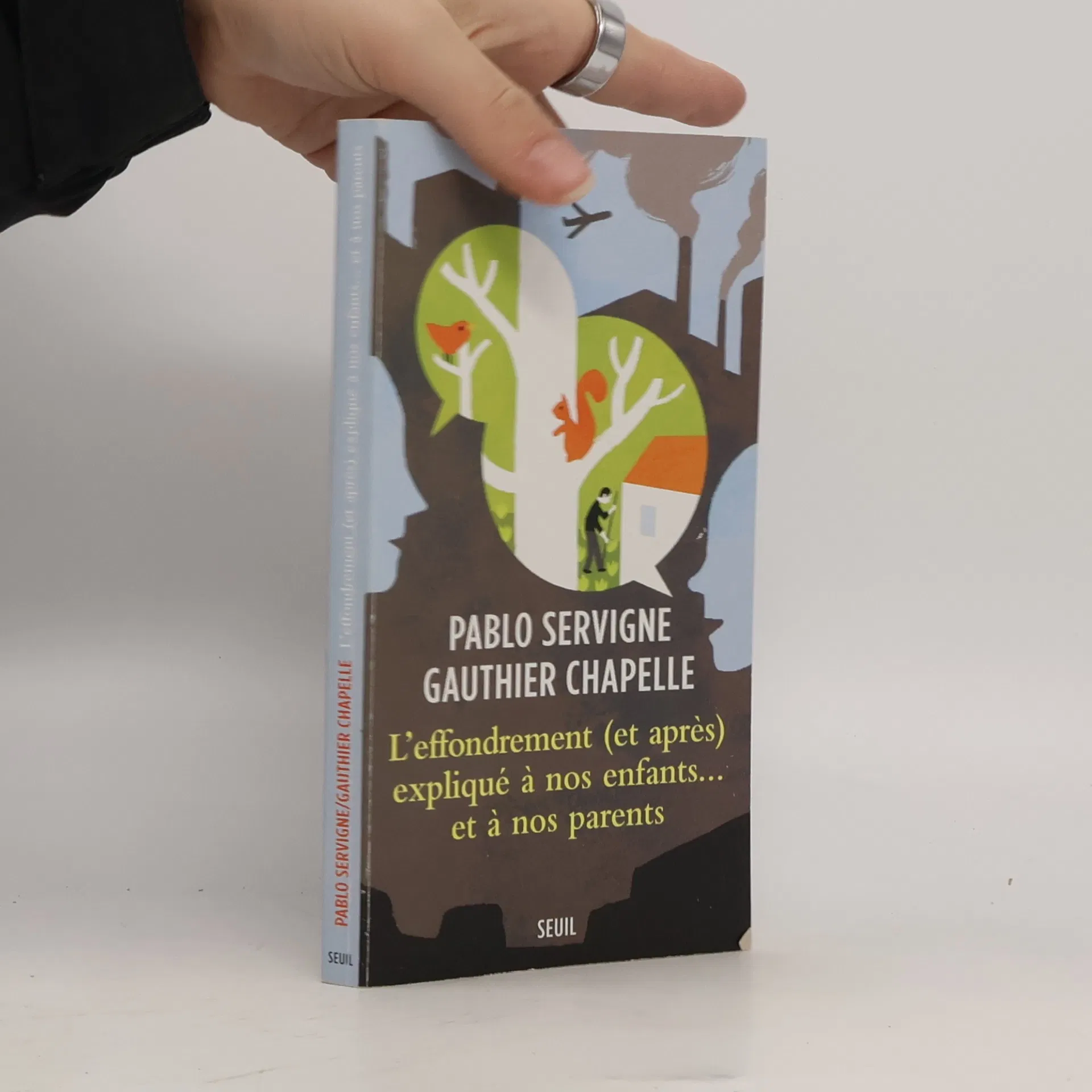
    L'Effondrement (et après) expliqué à nos enfants... et à nos parents
    Wie alles zusammenbrechen kann
    L'entraide
    Un'altra fine del mondo è possibile. Vivere il collasso
    • La situazione critica in cui si trova il pianeta è ormai chiara: i cambiamenti a cui stiamo assistendo a ogni livello (economico, sociale, ambientale) lasciano prefigurare un mondo diverso da come lo conosciamo. Facile quindi lasciarsi attrarre da immaginari distopici e catastrofisti. Ma deve per forza andare così? Dobbiamo davvero accontentarci di sopravvivere e lasciarci sopraffare da questo diluvio di cattive notizie? Servigne, Stevens e Chapelle dimostrano in questo libro che la consapevolezza del crollo della società termoindustriale non esclude la possibilità di proiettare lo sguardo oltre l'orizzonte cupo che ci attende, e indicano un cambiamento di rotta non solo credibile ma necessario.
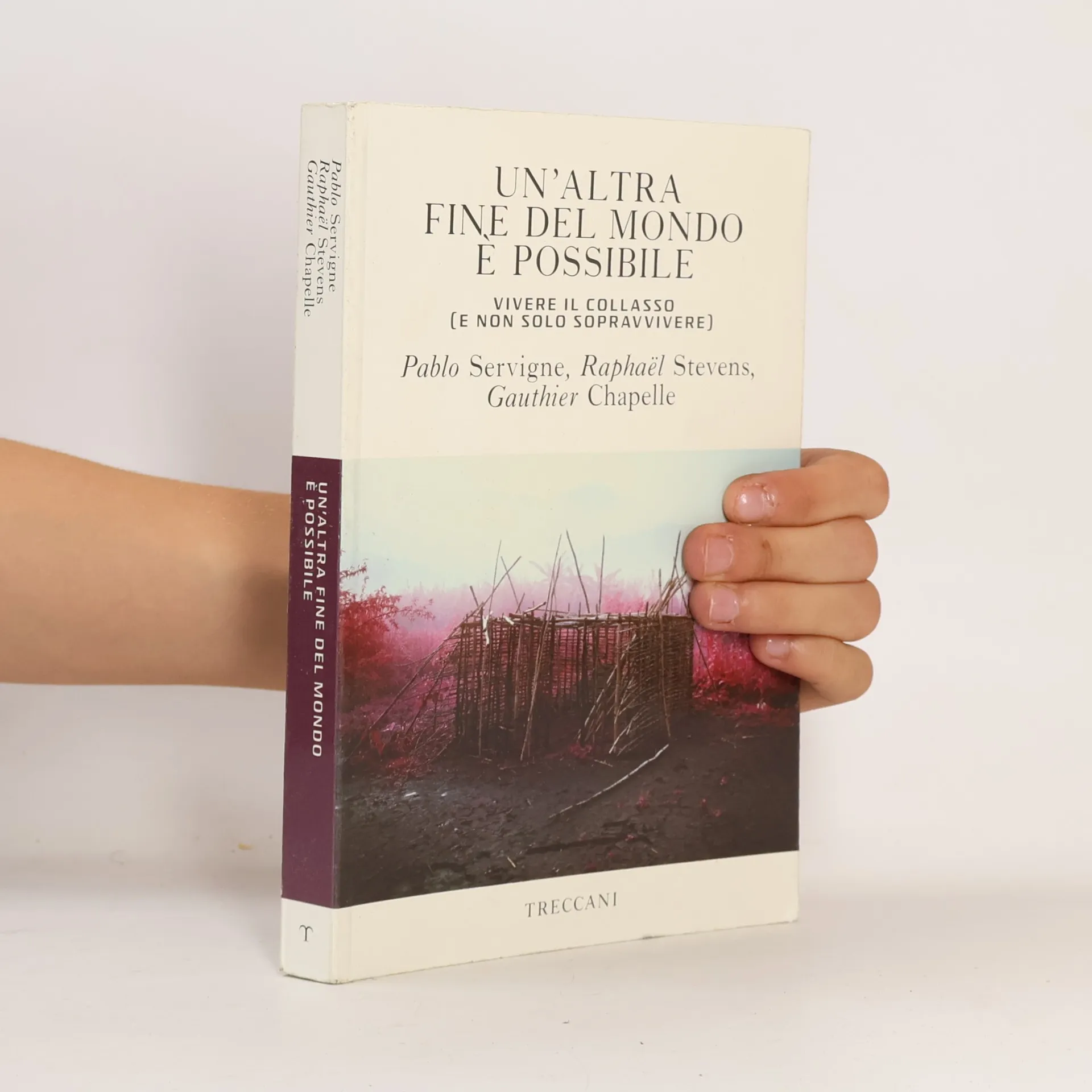
      Un'altra fine del mondo è possibile. Vivere il collasso
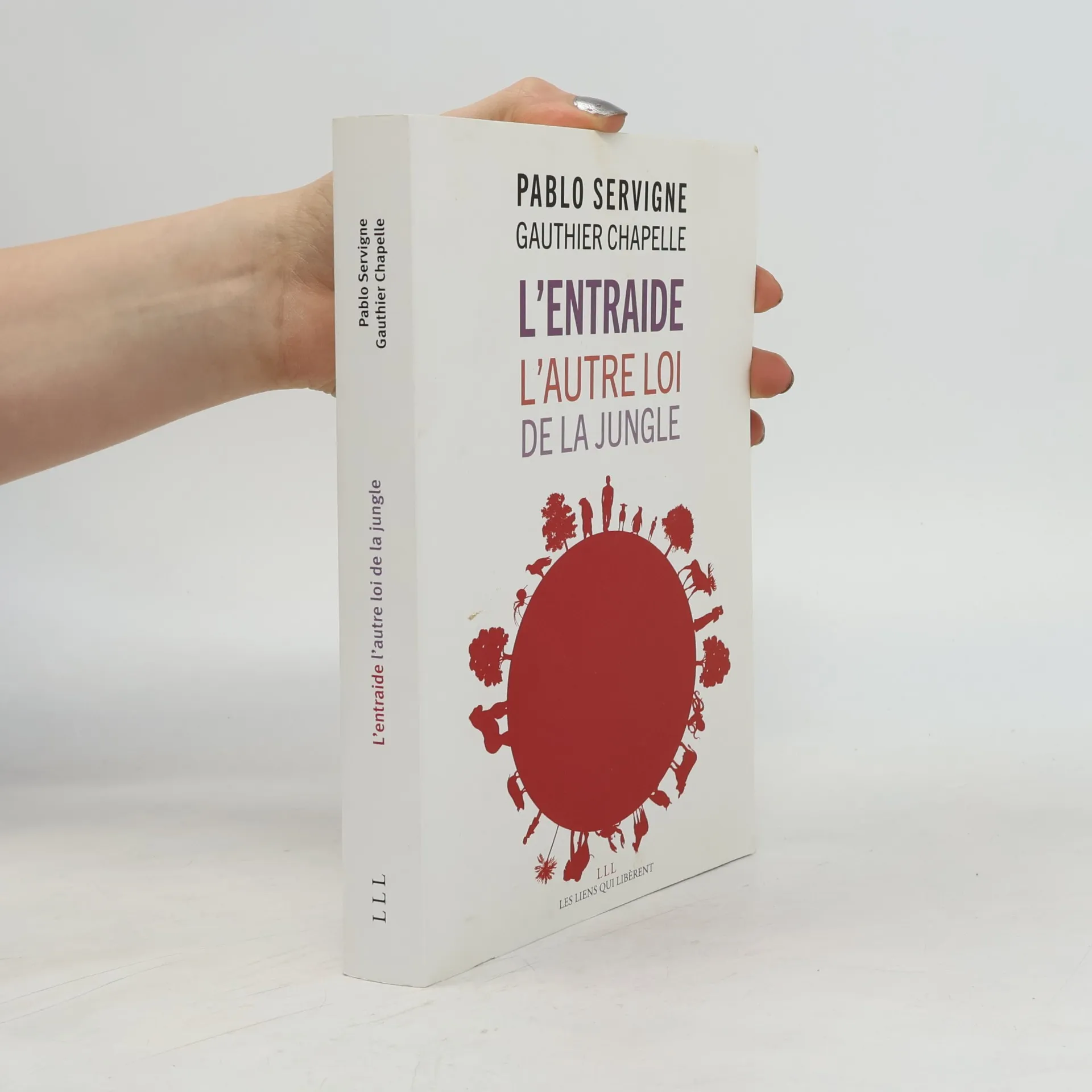
    • L'entraide

      L'autre loi de la jungle

      • 384pagine
      • 14 ore di lettura

      Alors que nos sociétés libérales sont fondées sur des valeurs qui ne trouvent trop souvent du sens qu’à travers la compétition, Gauthier Chapelle et Pablo Servigne – l’auteur du succès de librairie Comment tout peut s’effondrer – commettent ici un ouvrage majeur. Au modèle de « la guerre de tous contre tous », ils proposent de substituer une vision du vivre-ensemble basée sur l’entraide. Car en balayant l’éventail du vivant – des bactéries aux sociétés humaines en passant par les plantes et les animaux –, il apparaît clairement que les organismes qui survivent le mieux aux conditions difficiles ne sont pas les plus forts, mais ceux qui s’entraident le plus…

      L'entraide
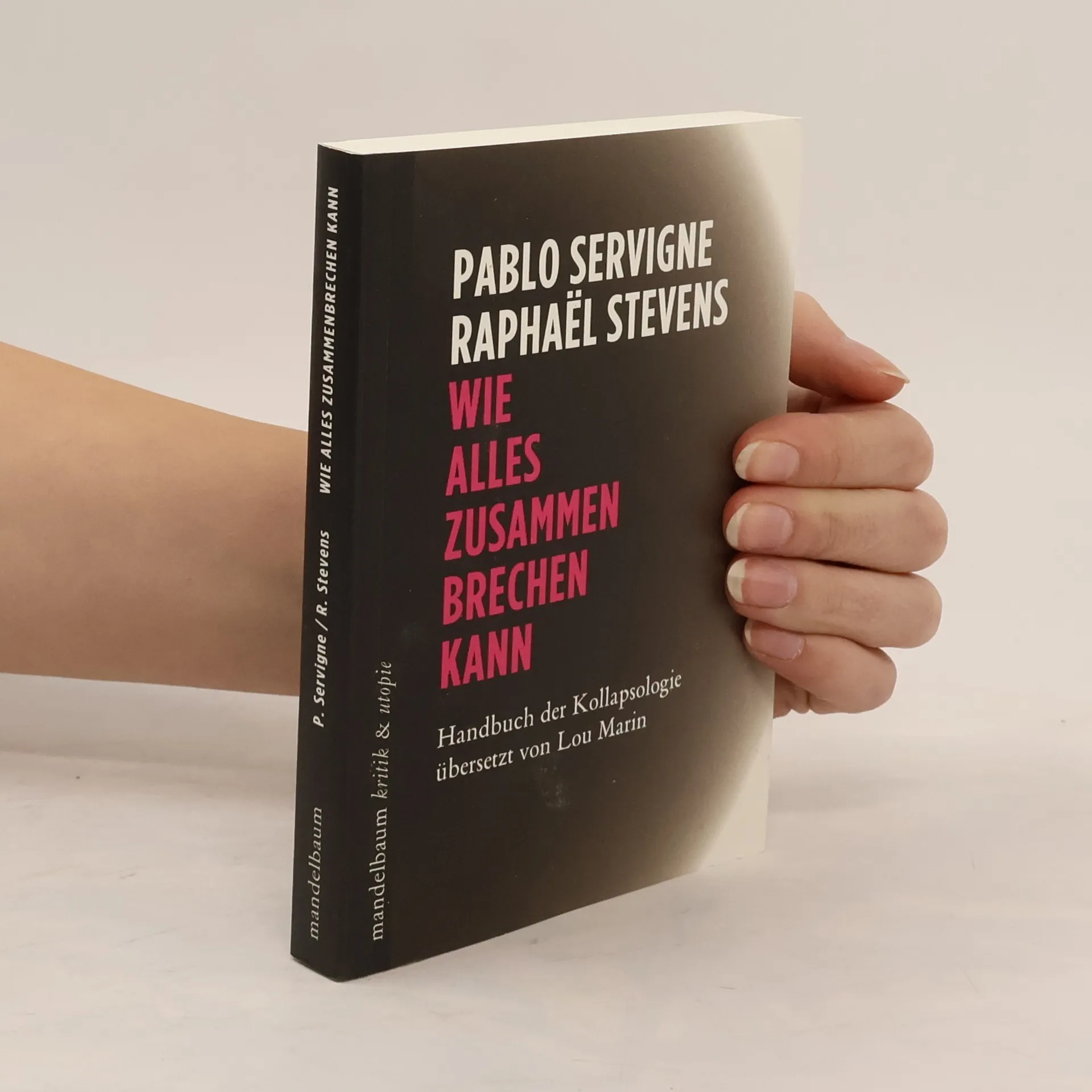
    • Wie alles zusammenbrechen kann

      Handbuch der Kollapsologie

      • 320pagine
      • 12 ore di lettura

      Und wenn unsere Zivilisation zusammenbrechen würde? Nicht etwa in einigen Jahrhunderten, sondern noch zu unseren Lebzeiten? Weit entfernt von den Voraussagen der Maya und anderer millenaristischer Eschatologien kündigt eine größer werdende Anzahl von Autor:innen, Wissenschaftler:innen und Institutionen das Ende der industriellen Zivilisation an, das heißt das Ende der Bedingungen für ein Leben, wie wir es bis jetzt gekannt haben. Pablo Servigne und Raphaël Stevens erläutern die Ursachen für einen möglichen Zusammenbruch und geben uns einen multidisziplinären Überblick zu einer Forschungsrichtung, die sie »Kollapsologie« nennen. Heutzutage hat die Utopie die Seiten gewechselt: Utopisch ist von nun an diejenige Person, die glaubt, alles könne so weitergehen wie bisher. Der Zusammenbruch steht am Horizont unserer Generation, er ist der Beginn ihrer Zukunft. Was wird danach kommen? Über all das muss nachgedacht und eine Vorstellung entwickelt werden – und wir müssen unser Leben danach ausrichten … Mit einer Einleitung von Fabian Scheidler

      Wie alles zusammenbrechen kann
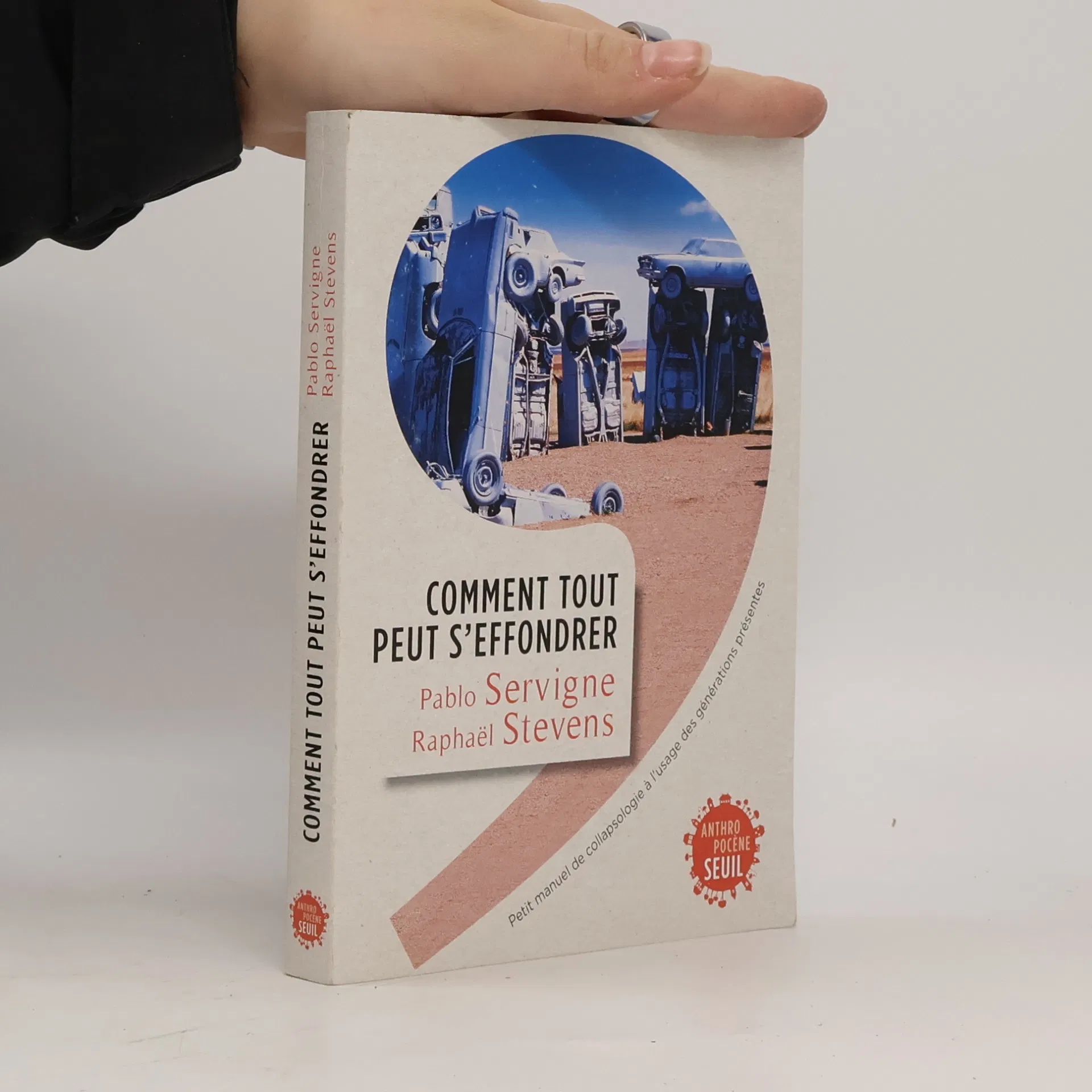
    • Comment tout peut s'effondrer

      Petit manuel de collapsologie à l'usage des générations présentes

      • 304pagine
      • 11 ore di lettura

      What if our civilization were to collapse in our own lifetimes? While many recognize the significant challenges we face today, from climate change to socio-political issues, few confront the possibility that these crises could lead to a total collapse. Evidence suggests we are dealing with systemic instabilities that threaten humanity's ability to sustain itself. In this insightful work, the authors tackle these pressing issues, examining scientific evidence and connecting it to everyday experiences. They bridge the gap between the Anthropocene and our daily lives, offering a guide to understanding the potentially catastrophic situation we find ourselves in. The narrative shifts the notion of utopia; it is now the utopians who believe that everything can remain unchanged, while realists focus on transition and building local resilience. Collapse represents the horizon of our generation, but it is not the end—rather, it marks the beginning of a new future. We will discover innovative ways of living, fostering attentiveness to ourselves, to others, and to all living beings.

      Comment tout peut s'effondrer