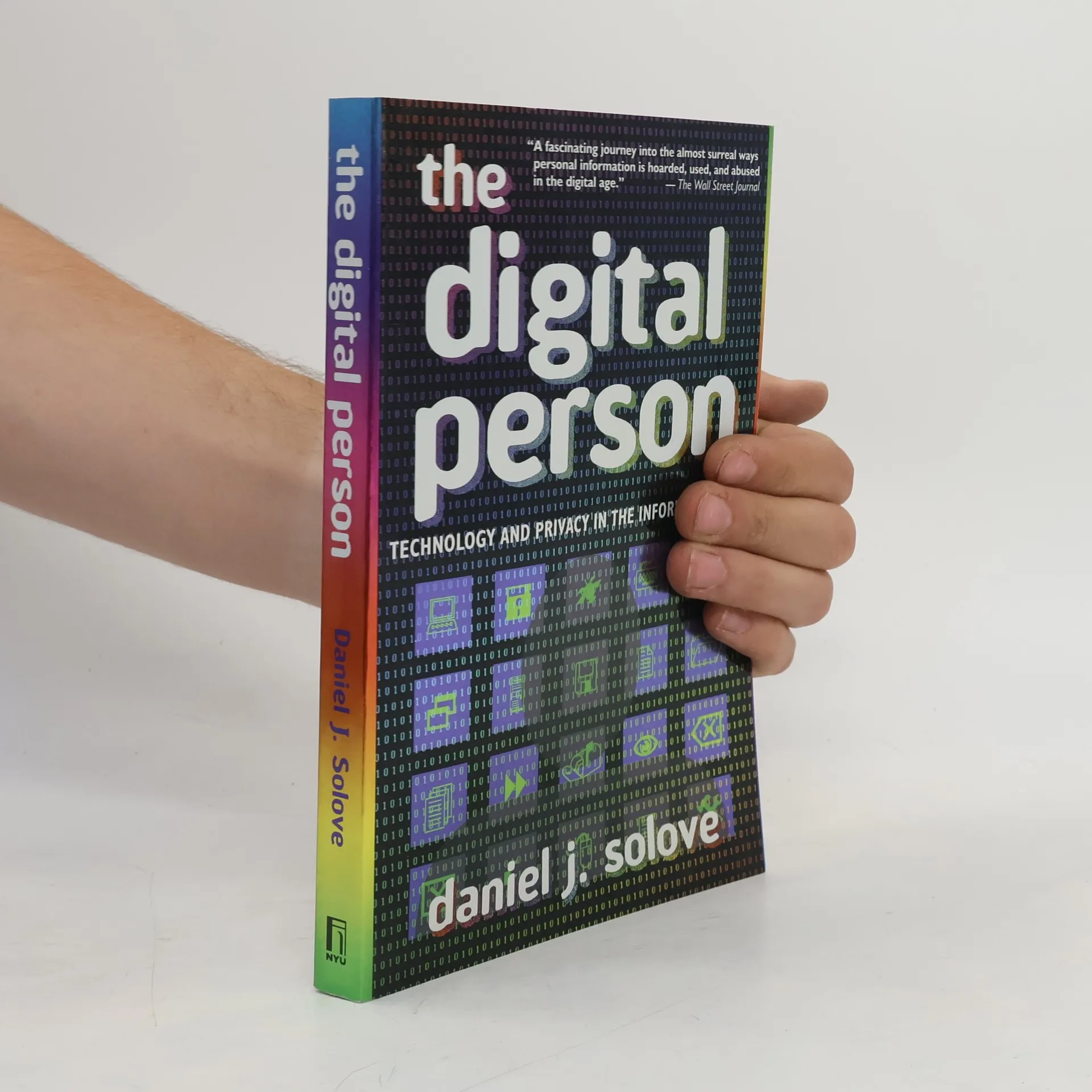
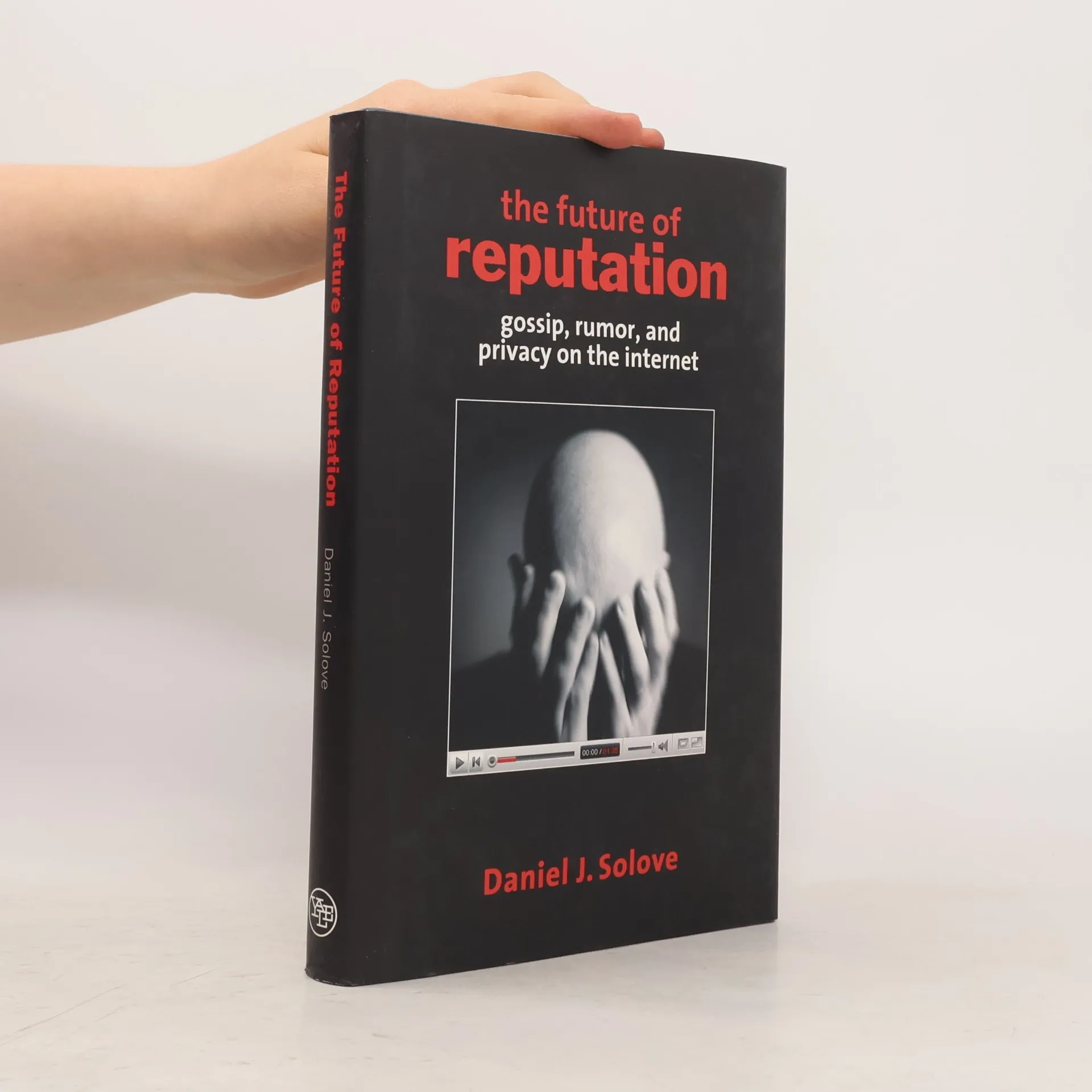
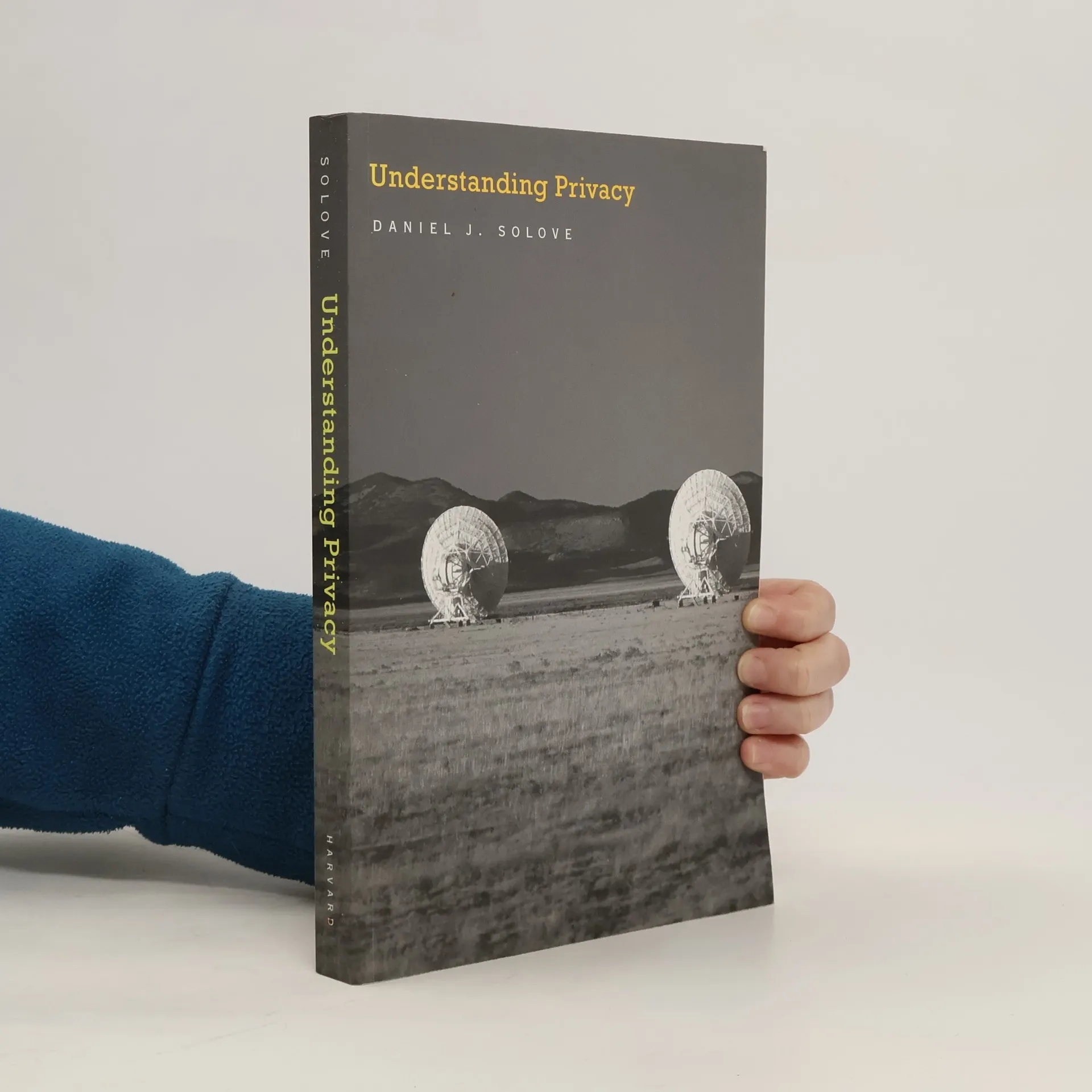
Daniel J. Solove è professore associato presso la George Washington University Law School ed esperto riconosciuto a livello internazionale nel campo del diritto alla privacy. Le sue analisi sono frequentemente richieste dai media, portando a numerose interviste e articoli. Contribuisce con la sua competenza al popolare blog legale Concurring Opinions.
Privacy is one of the most important concepts of our time, yet it is also one
of the most elusive. This book offers an overview of the difficulties involved
in discussions of privacy and also provides a provocative resolution. It
argues that no single definition can be workable, but rather that there are
multiple forms of privacy.
Teeming with chatrooms, online discussion groups, and blogs, the Internet offers previously unimagined opportunities for personal expression and communication. But there’s a dark side to the story. A trail of information fragments about us is forever preserved on the Internet, instantly available in a Google search. A permanent chronicle of our private lives—often of dubious reliability and sometimes totally false—will follow us wherever we go, accessible to friends, strangers, dates, employers, neighbors, relatives, and anyone else who cares to look. This engrossing book, brimming with amazing examples of gossip, slander, and rumor on the Internet, explores the profound implications of the online collision between free speech and privacy. Daniel Solove, an authority on information privacy law, offers a fascinating account of how the Internet is transforming gossip, the way we shame others, and our ability to protect our own reputations. Focusing on blogs, Internet communities, cybermobs, and other current trends, he shows that, ironically, the unconstrained flow of information on the Internet may impede opportunities for self-development and freedom. Long-standing notions of privacy need review, the author unless we establish a balance between privacy and free speech, we may discover that the freedom of the Internet makes us less free.
Explains why digital dossiers pose a grave threat to our privacy. This book sets forth a different understanding of what privacy is. It recommends how the law can be reformed to simultaneously protect our privacy and allow us to enjoy the benefits of our digital world.