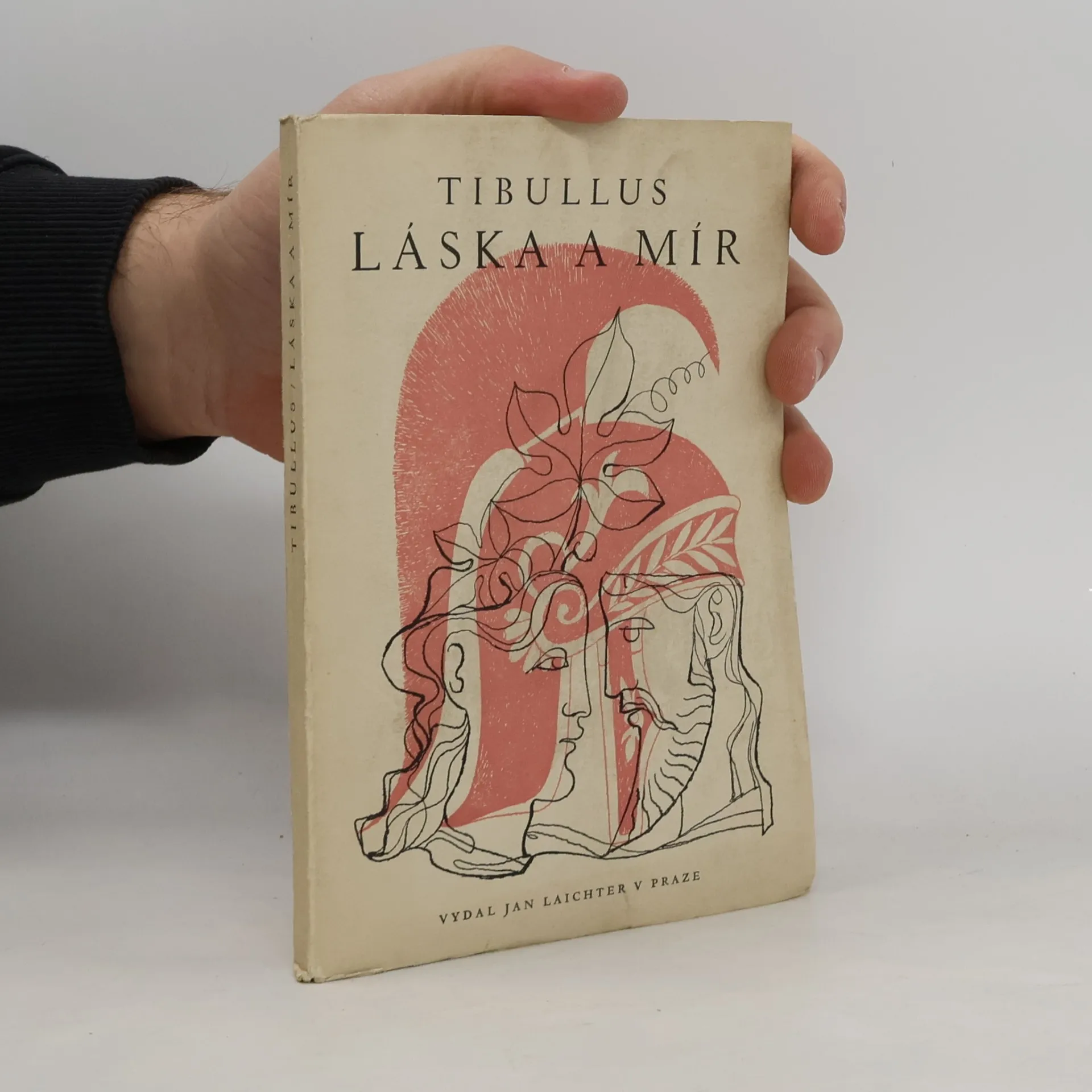
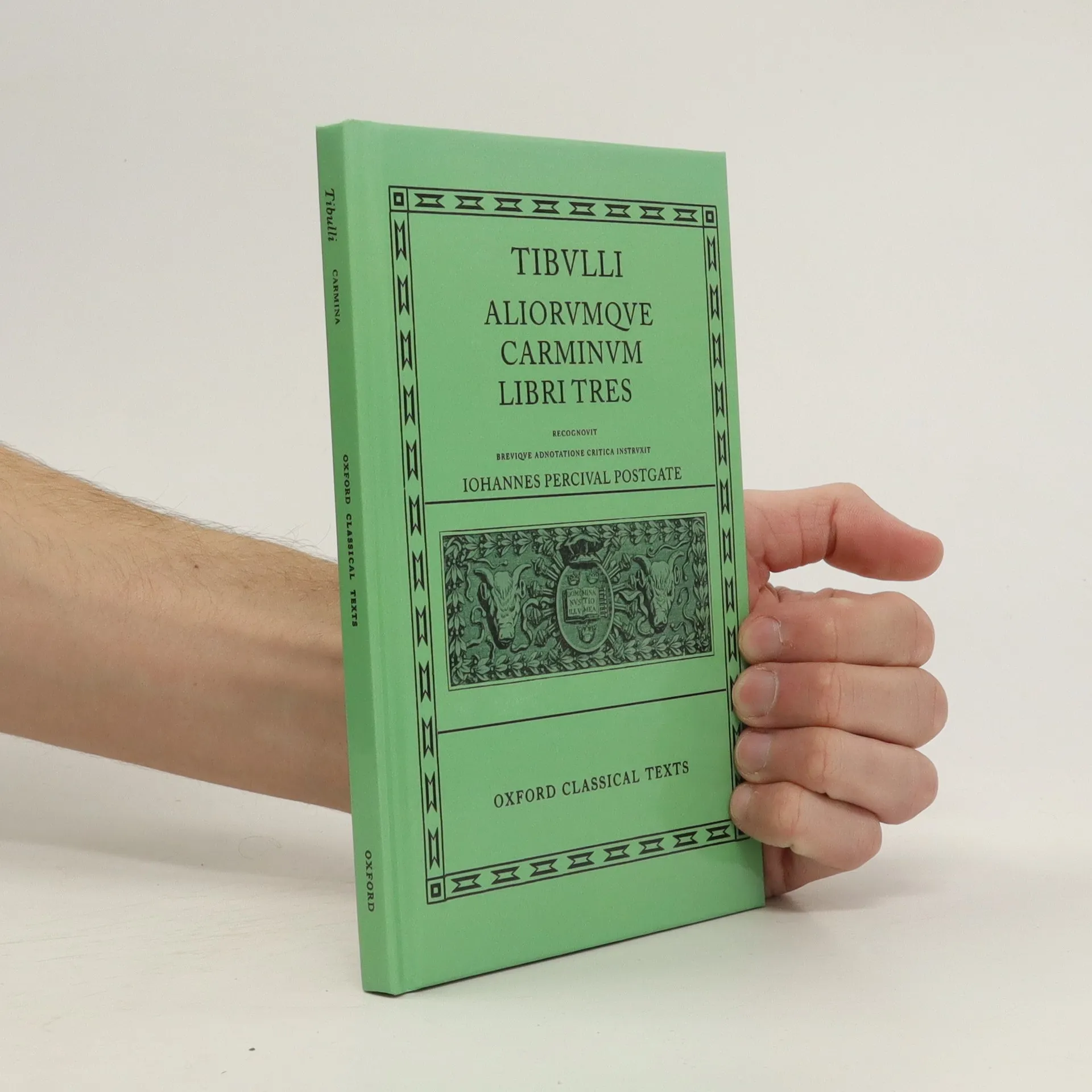
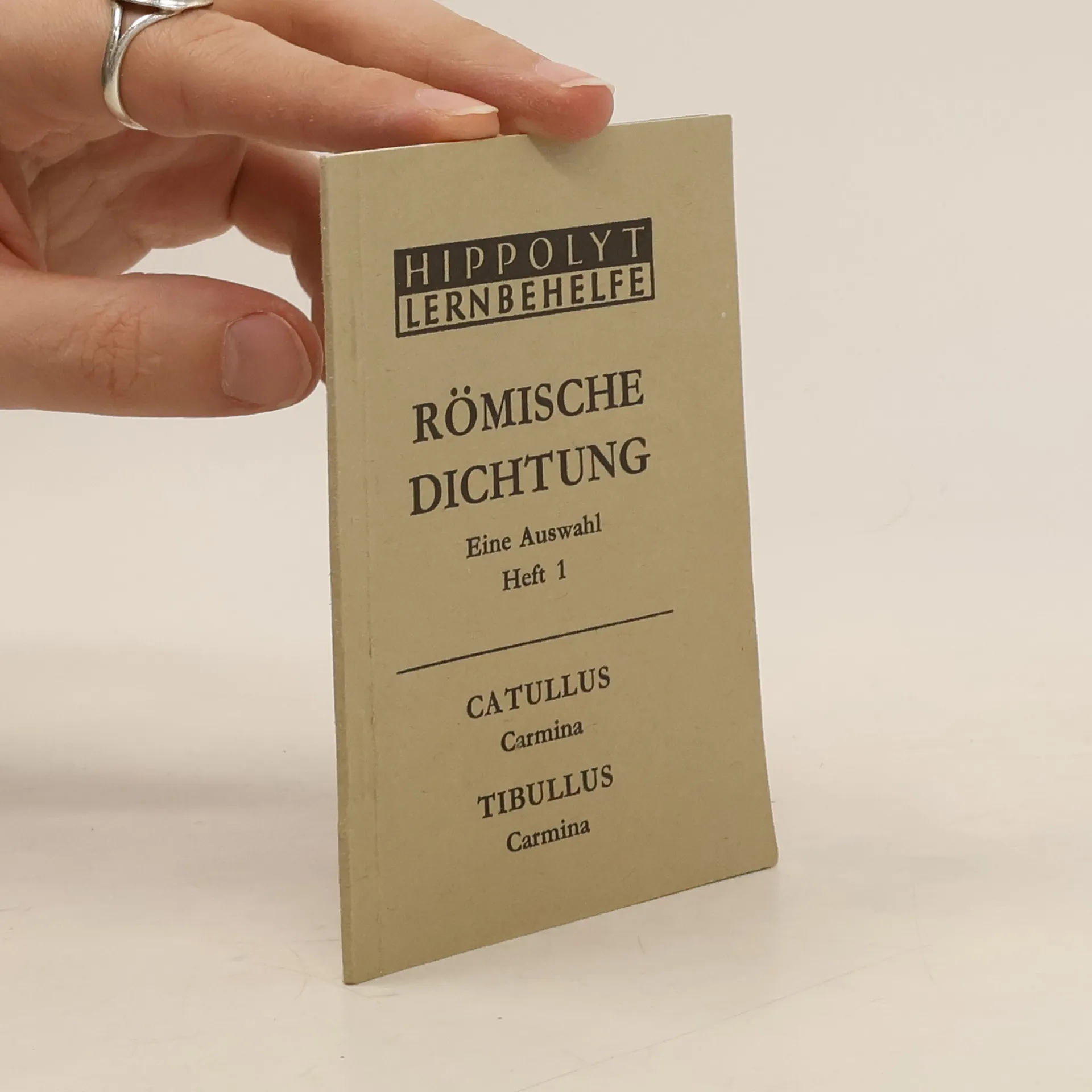
Albio Tibullo fu un poeta romano celebrato per le sue elegie. La sua opera, spesso incentrata sulla vita rurale e sulle esperienze personali, è caratterizzata da un sentimento delicato e da una profonda visione delle emozioni umane. Sebbene Tibullo evitasse i conflitti militari e la violenza bellica, la sua poesia cattura sia la profonda malinconia che la gioia di vivere. I suoi scritti sono apprezzati per la loro bellezza lirica ed eleganza, che continuano a risuonare nei lettori di oggi.
The publishing house Megali focuses on reproducing historical works in large print, catering specifically to readers with impaired vision. This initiative aims to enhance accessibility and provide a more enjoyable reading experience for those who may struggle with standard print sizes.
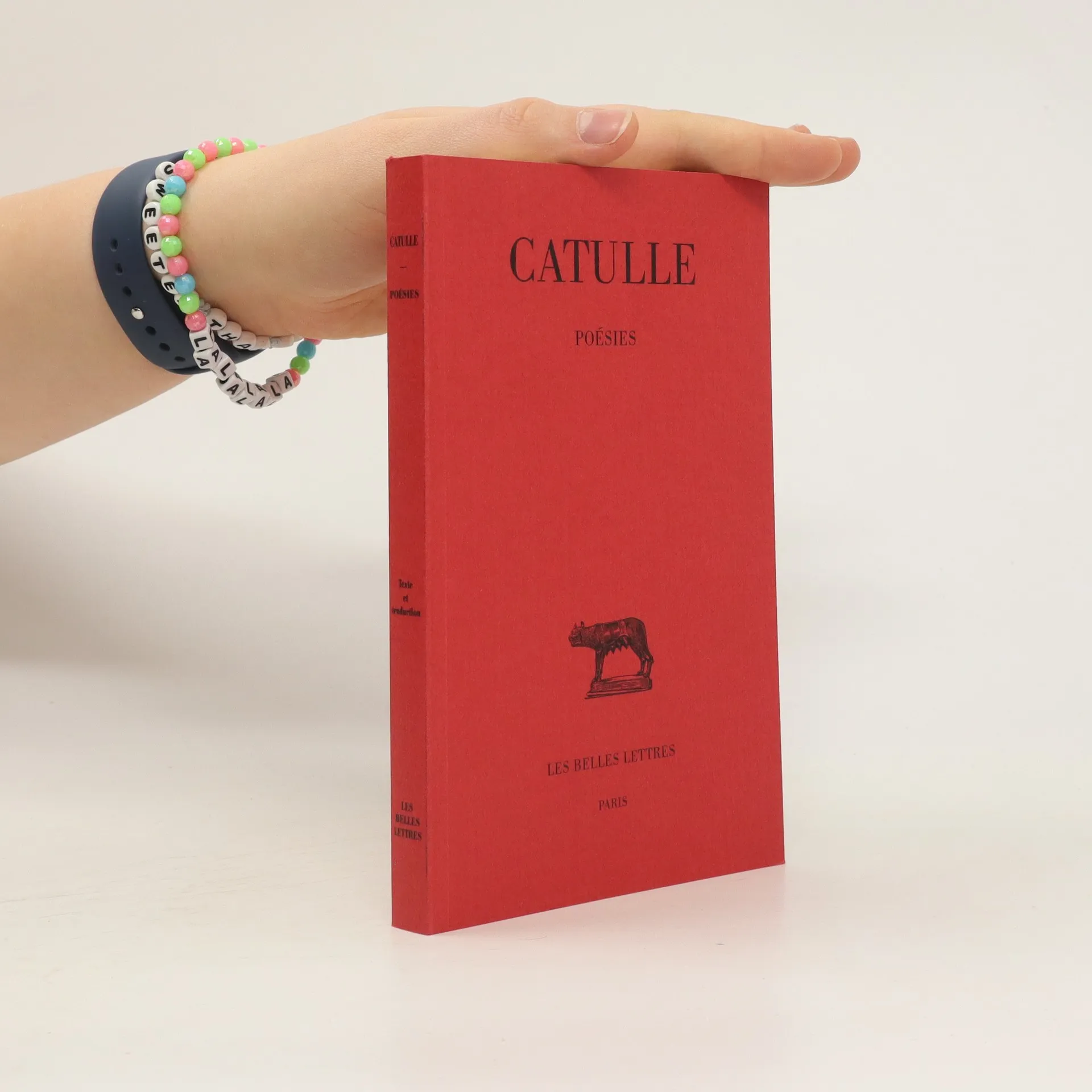
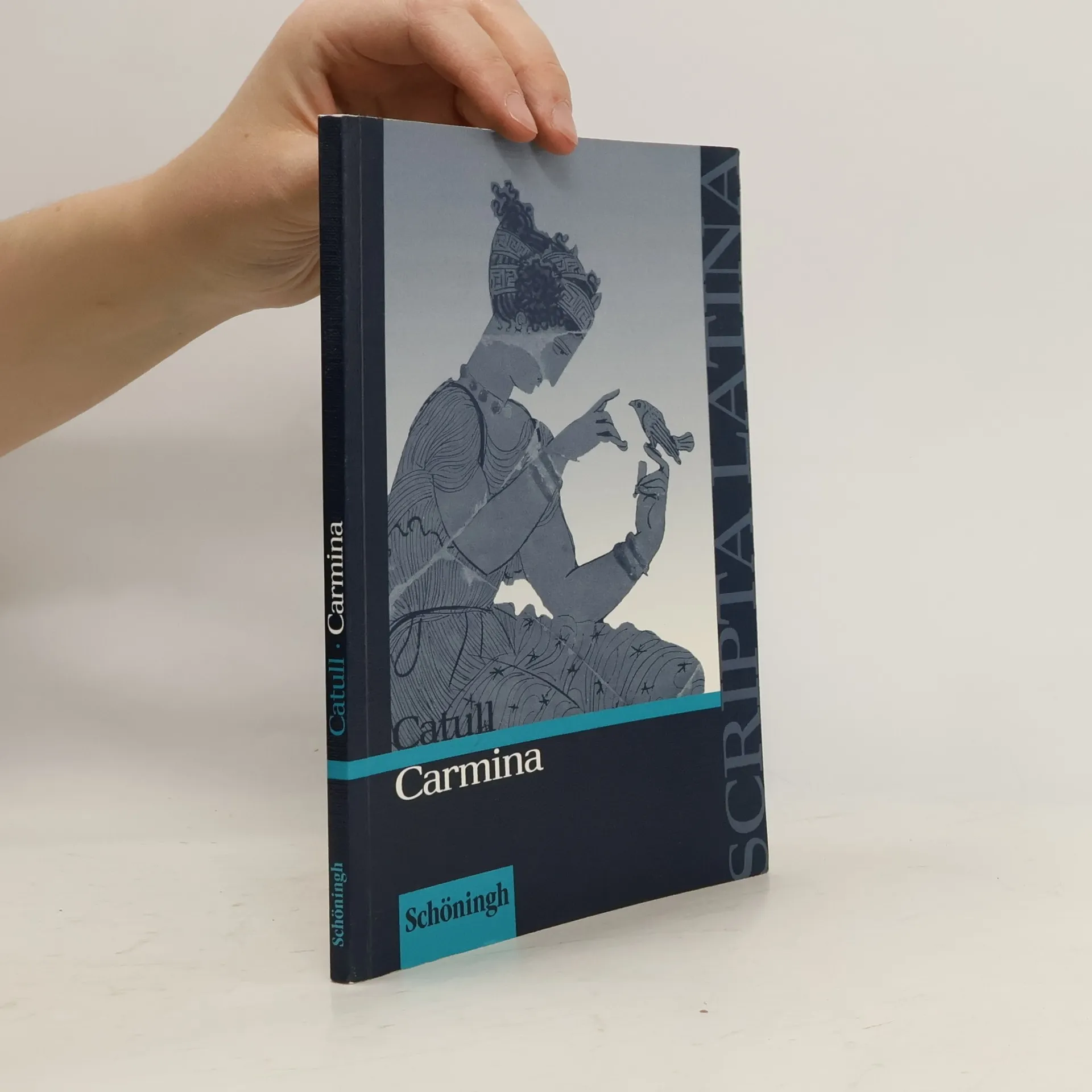
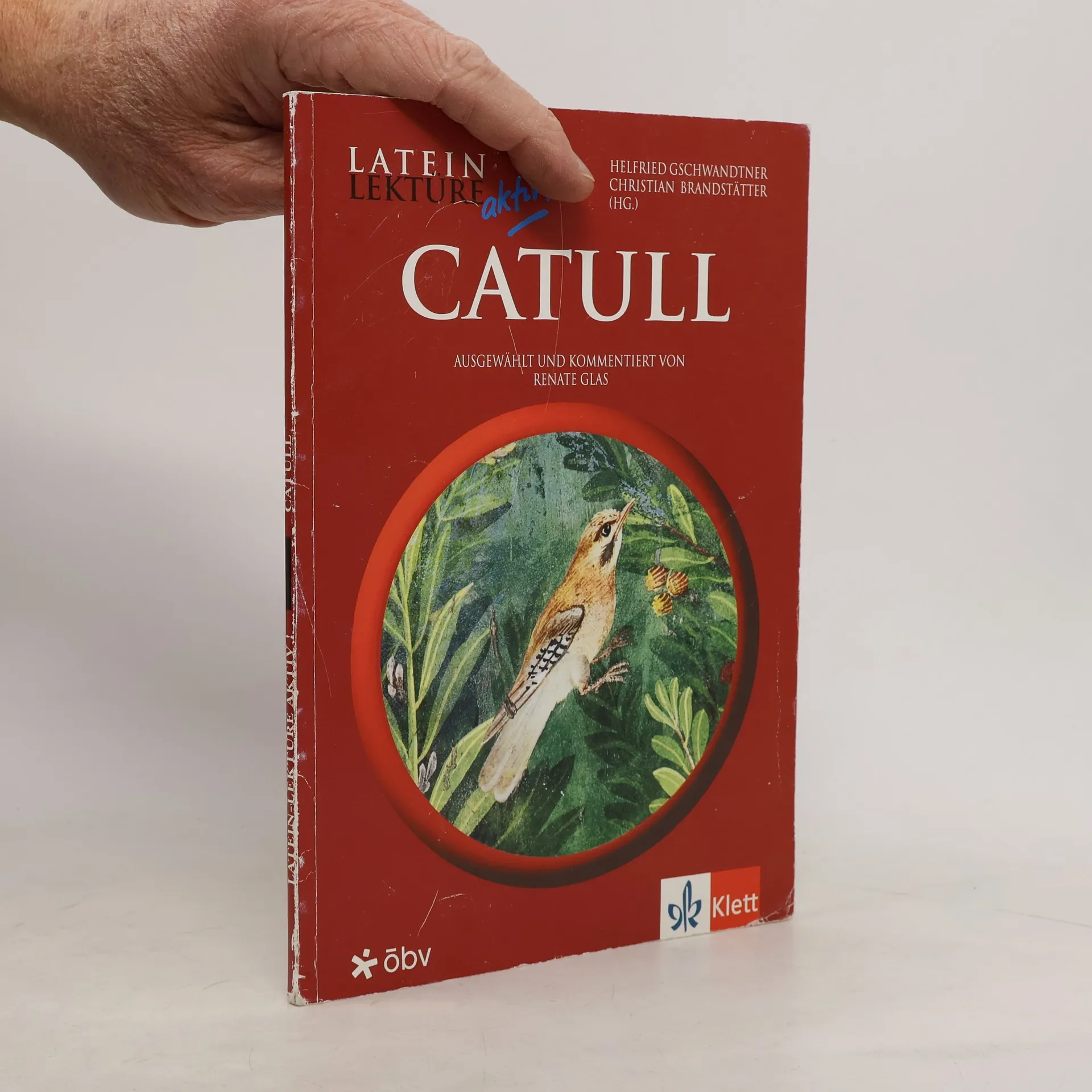
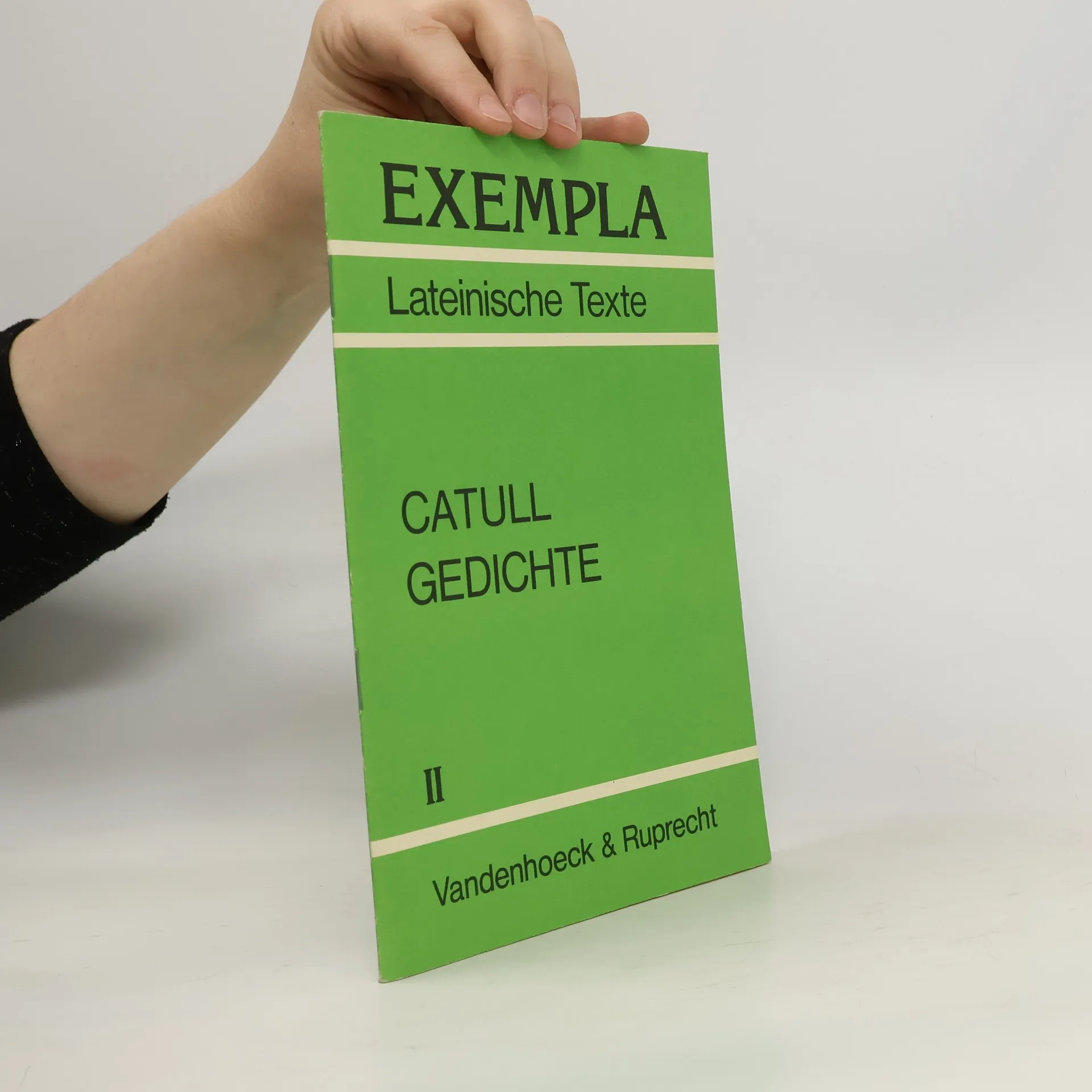
Catulle, qui a vécu pendant les années les plus intéressantes et tumultueuses de la fin de la République romaine, a passé sa courte mais intense vie (?84-54 av. J.-C.) dans la haute société romaine, côtoyant divers personnages culturels et politiques, dont César, Cicéron et Pompée. La poésie de Catulle est tour à tour grivoise, lyrique, romantique, satirique ; parfois obscène et toujours intelligente, elle nous offre des portraits vivants des amis, ennemis et amants du poète. Les vers à ses amis sont piquants, drôles et affectueux ; ceux à ses ennemis sont souvent merveilleusement méchants. De nombreux poèmes évoquent brillamment sa passion pour Lesbie, souvent identifiée comme Clodia Metelli, une femme fatale de dix ans son aînée et l'épouse intelligente et adultère d'un aristocrate arrogant. Cicéron a plus tard affirmé qu'elle avait empoisonné son mari.
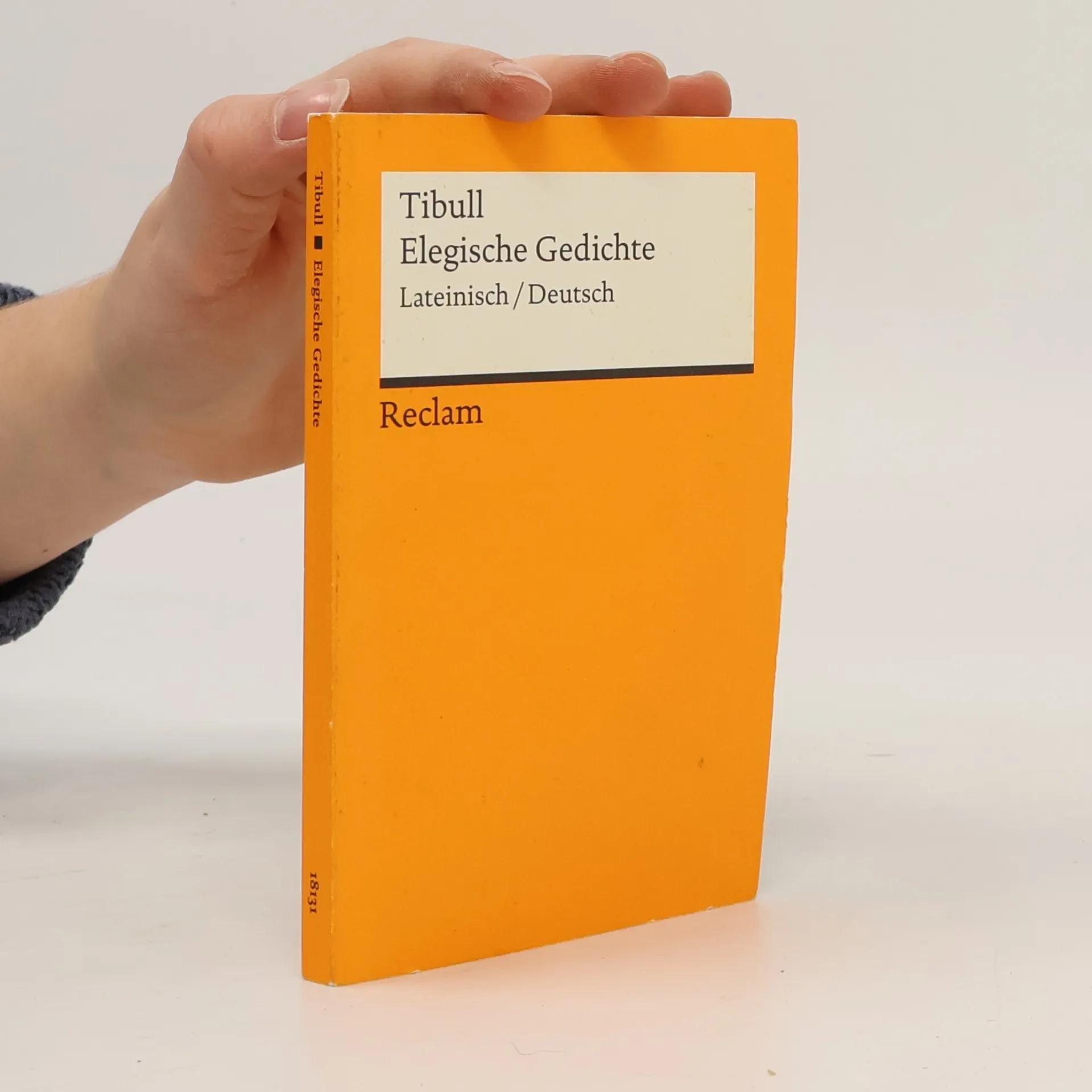
Tibull (54–19/18 v.Chr.) bildet mit Properz und Ovid die Trias der römischen Elegiker. Dabei steht Tibull in seiner bewussten Schlichtheit den »Eklogen« Vergils nahe. Auch Tibull pflegt die für die Elegie typische Verkehrung der traditionellen Geschlechterverhältnisse – die Geliebte (Delia) ist die Herrin –, jedoch strebt er eine Harmonie der beiderseitigen Gefühle an. Darin scheitert er am Ende, seine Liebe wird nicht erwidert, der Dichter leidet. Die Ausgabe bietet die ersten zwei Bücher des »Corpus Tibullianum«, eben die, für welche die Autorschaft Tibulls gesichert ist.
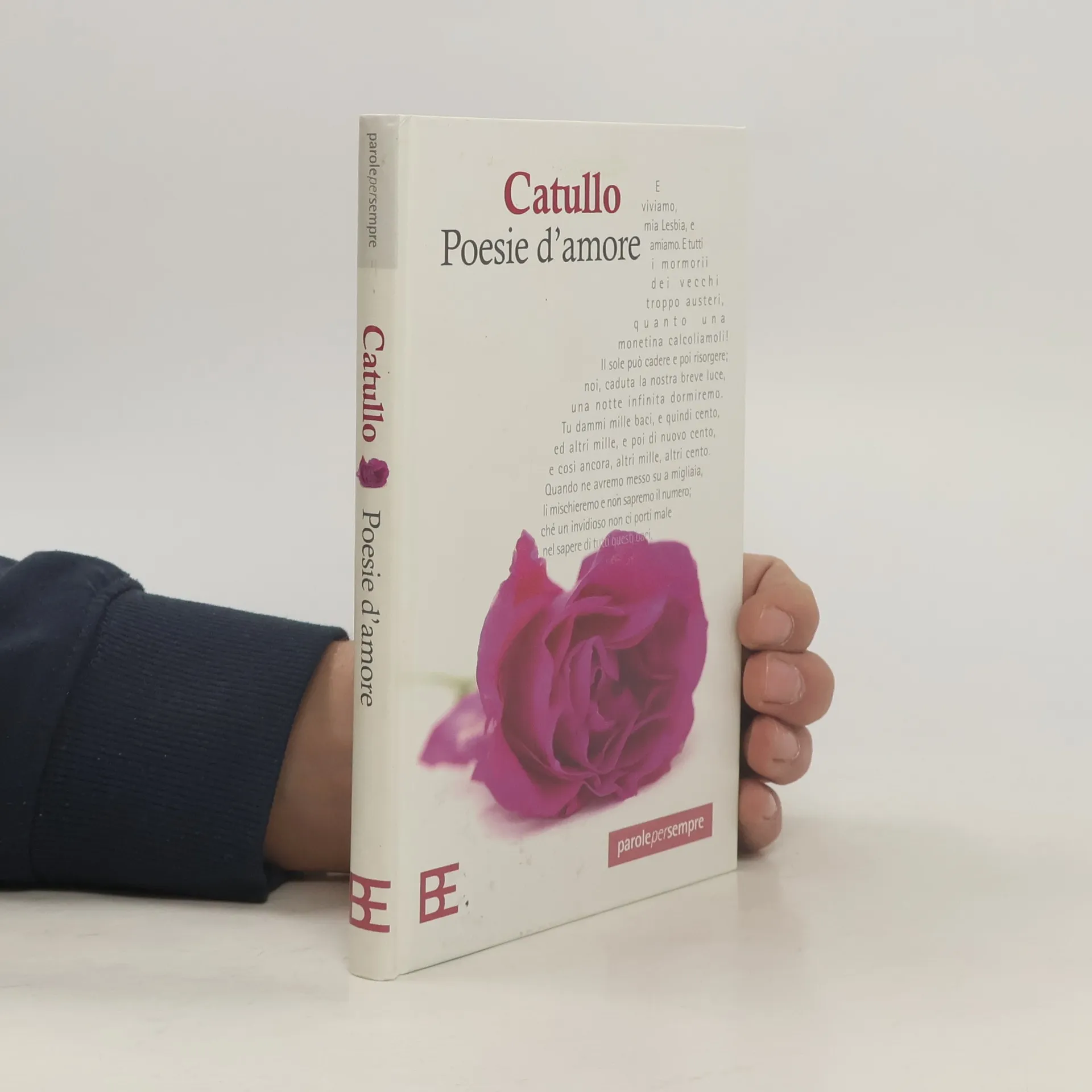
Giovane amante della matura, bellissima Lesbia (alter ego della patrizia romana Clodia), Catullo (87-54 a.C.) ancor oggi famoso per l'eleganza deliziosa ed essenziale delle sue composizioni che raccontano gli alti e i bassi della sua storia d'amore. Passione, gelosia, sofferenza, rabbia, e ancora desiderio, estasi: il poeta descrive l'altalenarsi dei sentimenti sconvolti dall'incostanza della sua donna. Con uno stile essenziale e attualissimo, erede della raffinata civiltà letteraria alessandrina, Catullo ci apre una finestra emozionante sulla società romana di fine repubblica, sui suoi amori e sulla sua sensualità.
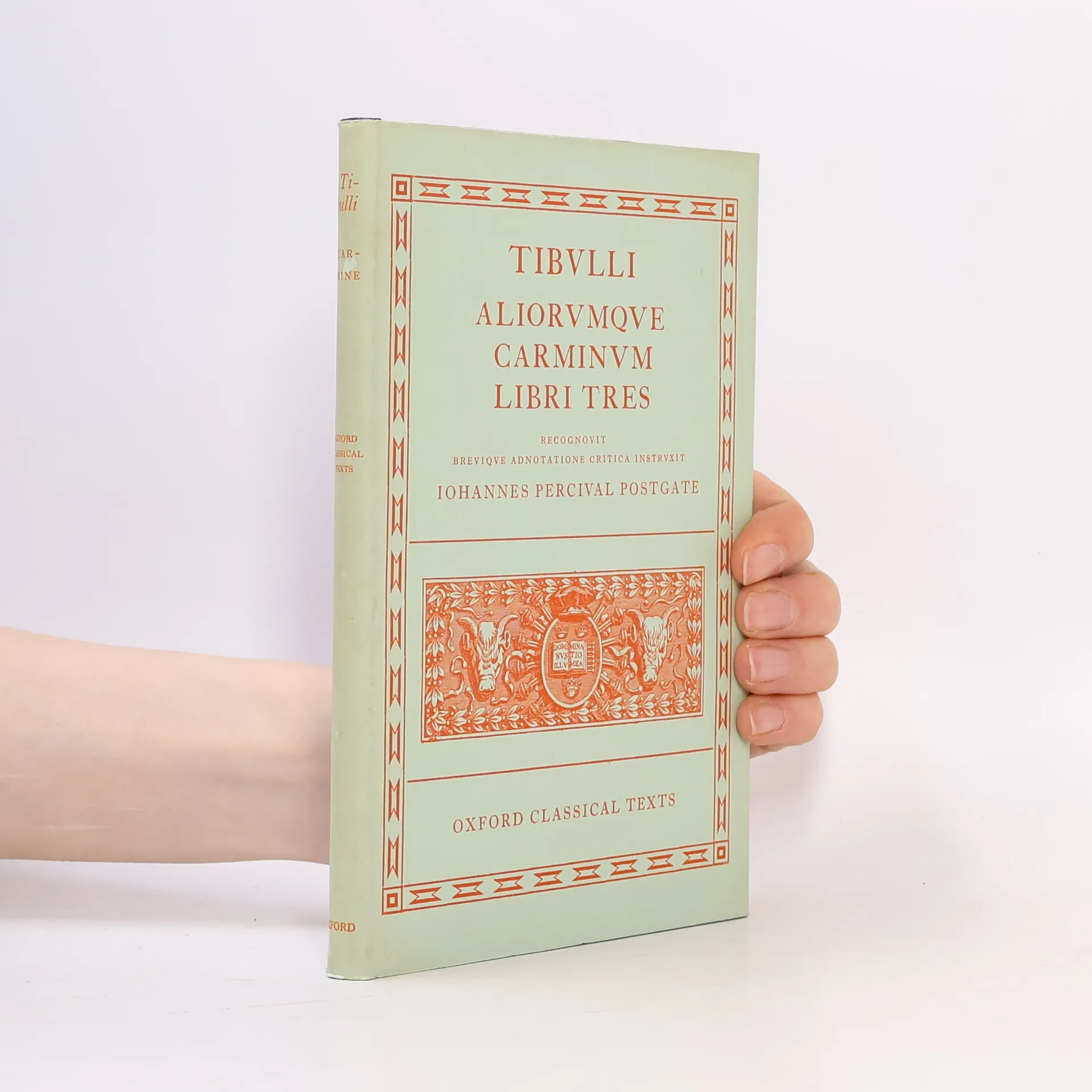
The Oxford Classical Texts, or Scriptorum Classicorum Bibliotheca Oxoniensis, are renowned for their reliability and presentation. The series consists of a text without commentary but with a brief apparatus criticus at the front of each page. There are now over 100 volumes, representing the greater part of classical Greek and Latin literature. The aim of the series remains that of including the works of all the principal classical authors. Although this has been largely accomplished, new volumes are still being published to fill the remaining gaps, and old editions are being revised in the light of recent research or replaced.
Le poesie di Albio Tibullo esplorano temi di amore, desiderio e malinconia, riflettendo la complessità delle relazioni umane. Attraverso il personaggio di Lesbia, il poeta esprime la gioia e il dolore dell'amore, affrontando la gelosia, la separazione e la nostalgia. Le liriche si alternano tra momenti di intimità e riflessioni più ampie sulla vita e la morte, il destino e la bellezza. Tibullo utilizza un linguaggio ricco e evocativo per descrivere le sue esperienze personali e le sue osservazioni sul mondo che lo circonda. Le sue poesie sono caratterizzate da un tono confidenziale e da un profondo senso di vulnerabilità, rendendo il lettore partecipe delle sue emozioni. La figura di Lesbia diventa simbolo di un amore ideale, ma anche fonte di sofferenza, mentre il poeta naviga tra le gioie e le delusioni dell'esistenza. La raccolta offre un affresco poetico della vita romana, con riferimenti a figure storiche e mitologiche, creando un dialogo tra il personale e l'universale.
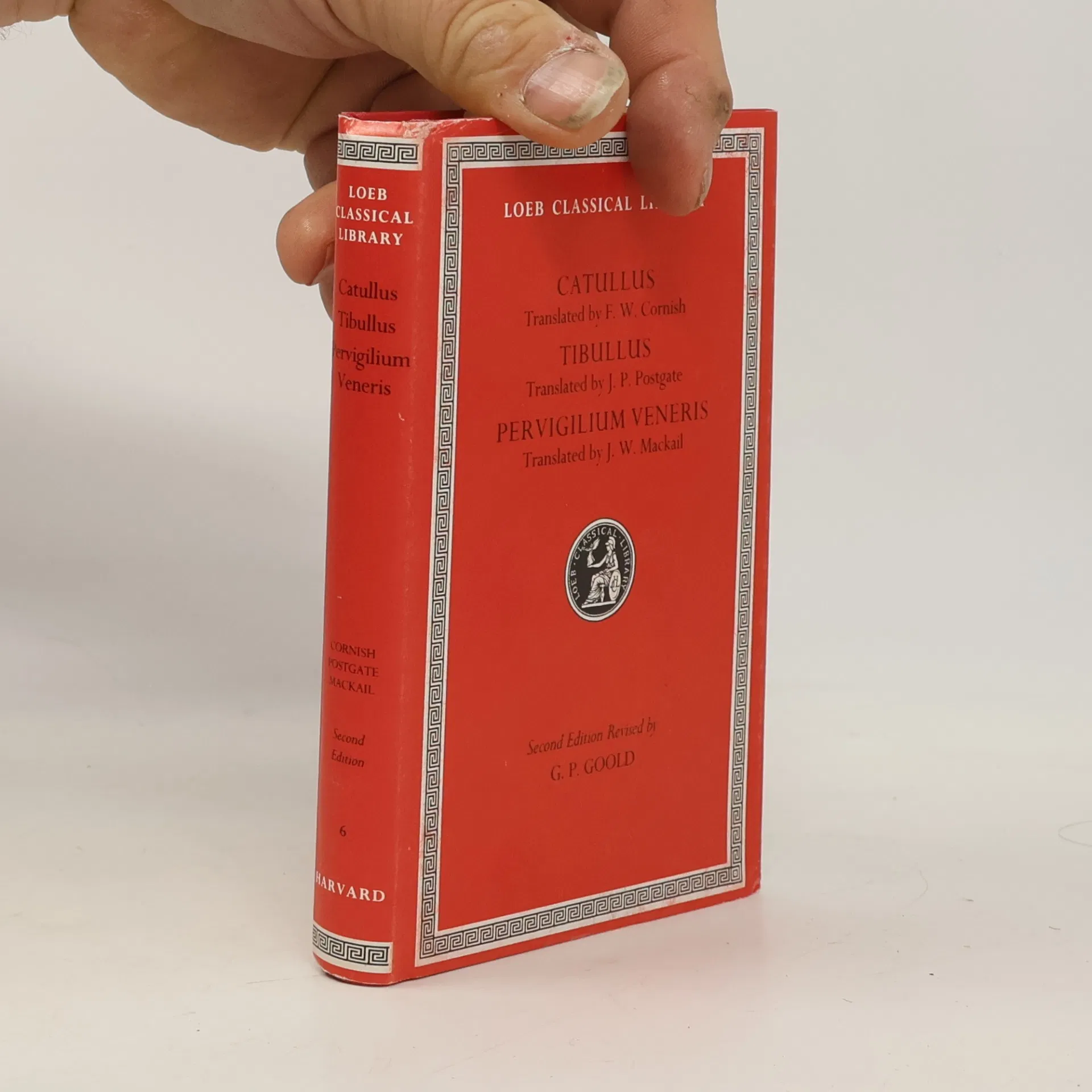
Catullus (Gaius Valerius, 84–54 BCE) from Verona moved to Rome, mingling with literary figures like Cicero and Hortensius. His surviving works include nearly sixty short lyrics, eight longer poems, and almost fifty epigrams, showcasing a meticulous style influenced by early Greek lyricism and Alexandrian poets. His poetry reveals his tumultuous love for a woman named Lesbia, the grief over his brother's death, his travels to Bithynia, and his complex relationships in Rome. Catullus's masterful artistry and emotional depth set his poems apart in Latin literature.
Tibullus (Albius, ca. 54–19 BCE), an equestrian and friend of Horace, was supported by Marcus Valerius Messalla Corvinus, whom he frequently addresses. Three books of elegies are attributed to him, with the first two being authentic. Book 1 expresses his love for 'Delia', while Book 2 focuses on 'Nemesis'. The third book is a collection of miscellaneous poems, with uncertain authorship, including works related to Sulpicia, featuring contributions from her lover Cerinthus and possibly her own writings.
The Pervigilium Veneris, a poem of nearly a hundred lines celebrating a spring festival for the goddess of love, stands out for its beauty and marks a significant shift towards romanticism in literature. Although the author remains unidentified, recent scholarship suggests it may be attributed to the early fourth-century poet Tiberianus.
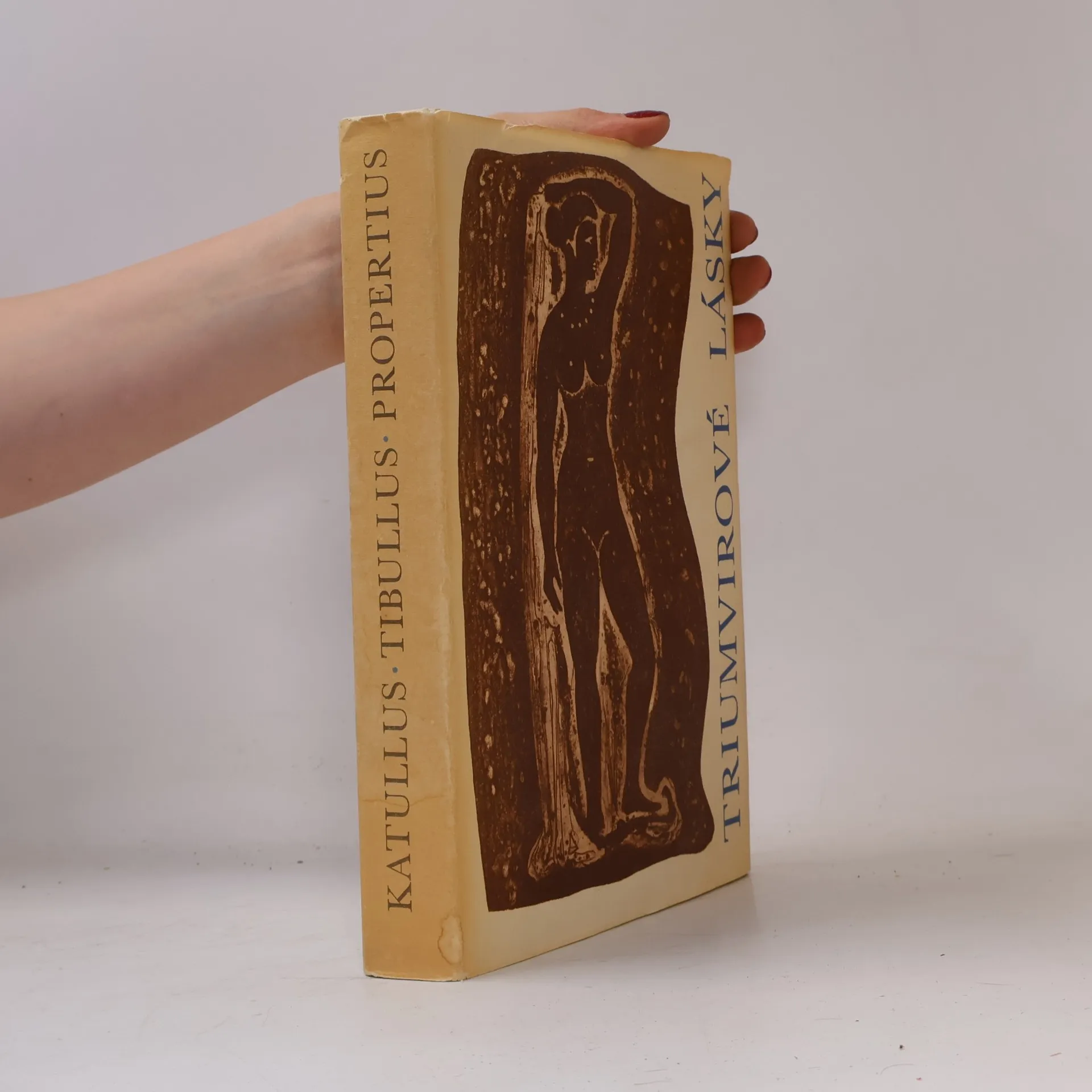
Poprvé u nás v celistvosti přeložený soubor Tibullových elegií po nábězích jdoucích od 18. stol. přes Kočího, Douchu, Vondráčka, Krska, k Hrubému, Vaňornému, Stolovskému a Fr. Douchovi. Hlavním námětem této ještě živé poesie je láska a touha po štěstí a míru. Porozumění pro práci rolníků, odpor proti bažení po statcích a proti moci, vedoucí k válce.
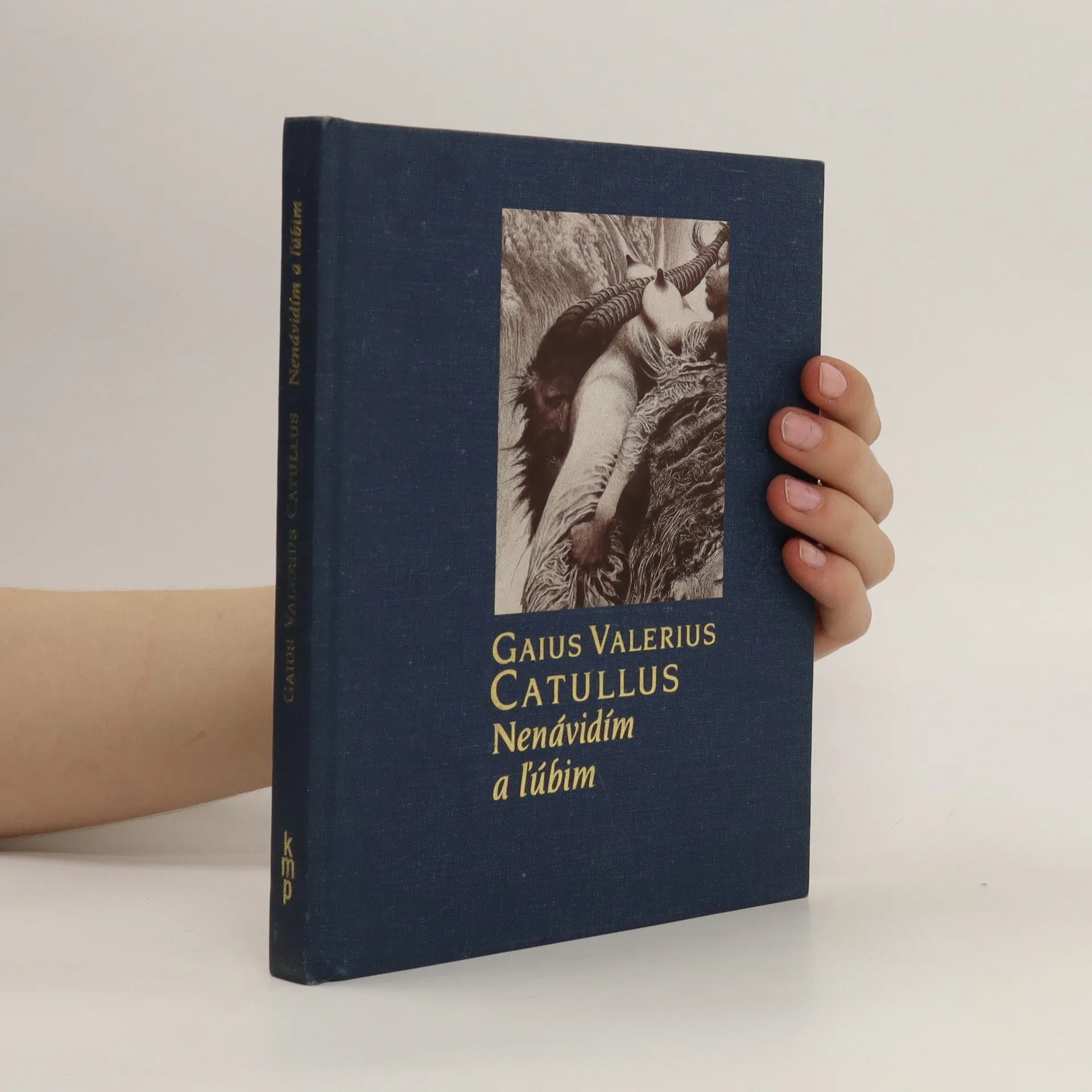
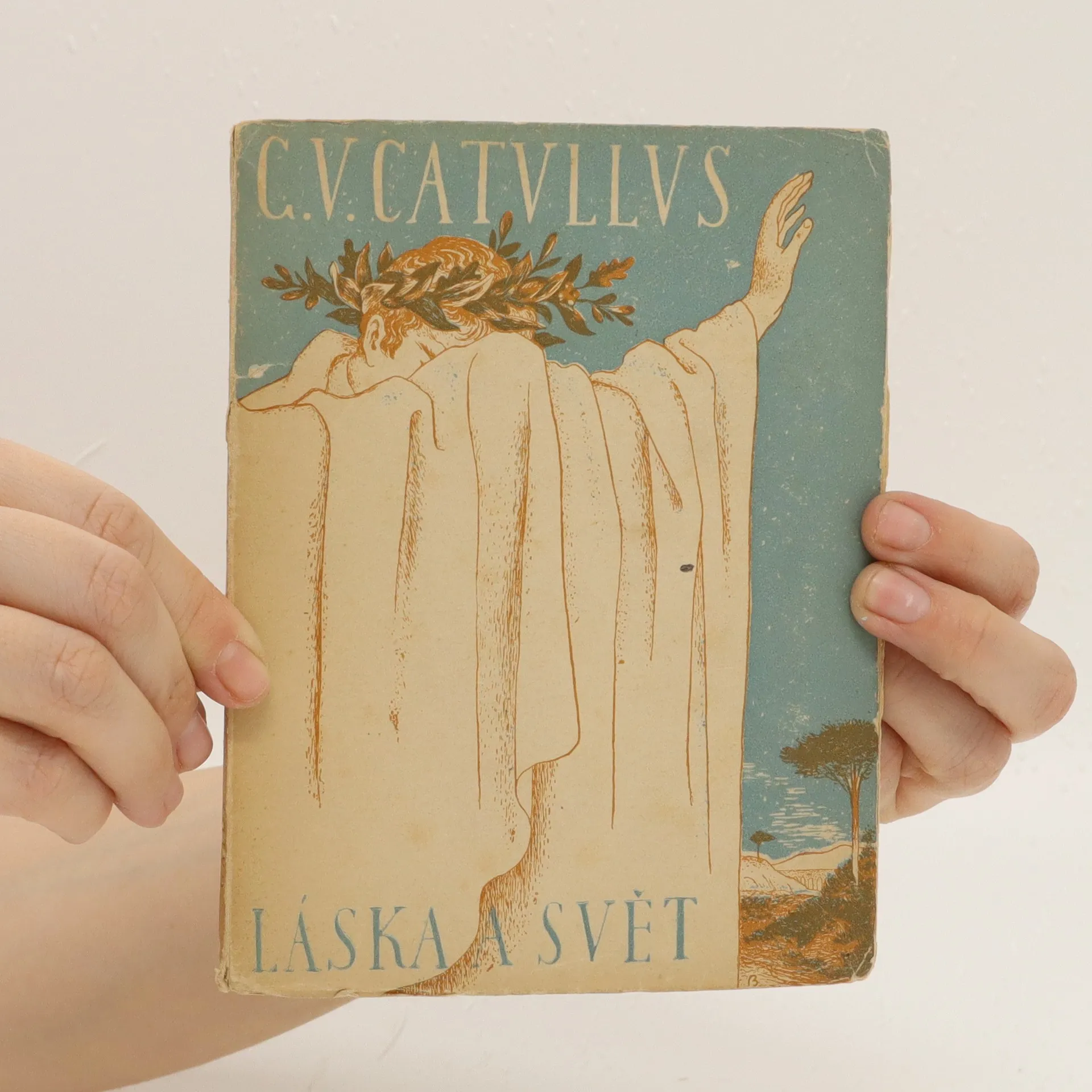
Lyrika G. Valeria Catulla vyrůstá z lyriky řecké a zprvu v ní cele tkví. Má její charakteristickou linii: vroucnost hloubky a čistotu formy i slova. Záhy však autor proniká touto první fází formální i obsahové závislosti a dává růst své vlastní umělecké osobnosti. Je básník kladu i negace: lásky a nenávisti, víry a zoufalství, radosti a bolesti, štvaný rozporem vlastního nitra.