
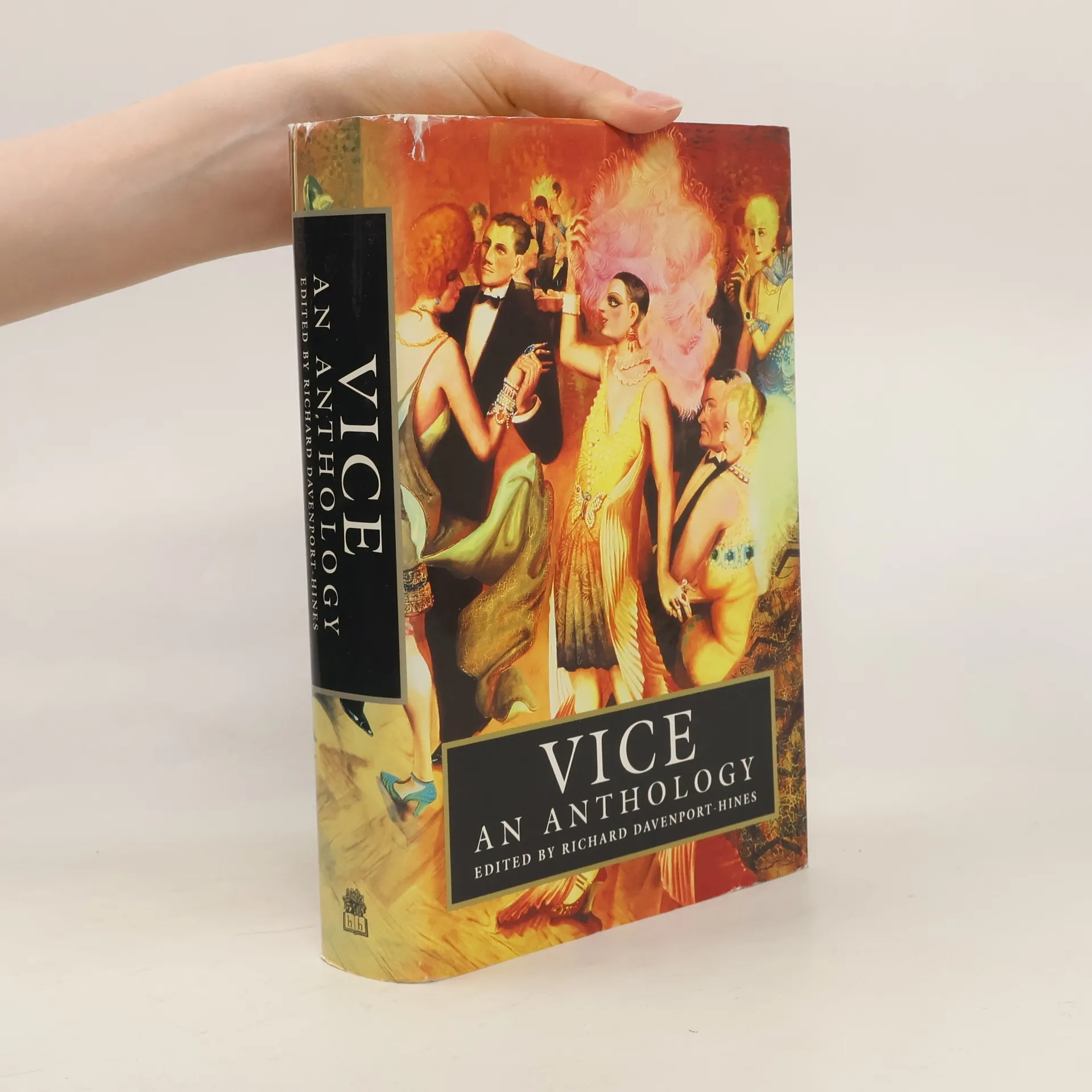
The chapter headings in this wonderful collection of prose and poetry says it Adultery, Alfresco Sex, Cruelty, Dancing, Dressing, Drink, Drugs, Flirting, Food, Gambling, Gossip, Heavenly Vices, Hedonism, Lust, Motoring, Orgies, Prostitution, Reading, Schadenfreude, Scuzzy People, Seduction, Shopping, Short Views on Mean Vices, Snobbery, Solitary Vice, Theatricals, Tobacco, Le Vice Anglais, Vice and Virtue, Voyeurism. A truly wonderful collection of on the pros and cons of vice.
A masterful biography of one of the greatest English poets and most compelling literary figures of the 20th century, Auden is the first to take the full measure of the poet's achievements, his insatiable thirst for experience, his navigation between the needs of discipline and the lure of his addictions and lusts. of photos.
Like his mother Queen Victoria, Edward VII defined an era. Both reflected the
personalties of their central figures: hers grand, imperial and pretty stiff;
his no less grand, but much more relaxed and enjoyable. This book conveys
Edward's distinct personality and significant influences.
Some Remarkable Dons and the Teaching of Politics, Character and Statecraft
432pagine
16 ore di lettura
History in the House pulls back the curtains on Christ Church, Oxford and reveals its great and lasting historical significance.This is an exciting new historiographical study from the much-acclaimed historian Richard Davenport-Hines. It shows the evolution of historical ideas, purposes and methods in a clerisy that has enjoyed conspicuous influence in England for six centuries. There was growing recognition, in Tudor England, that the study of history especially improved the minds, enlarged the imaginations and broadened the vicarious experience of princes, noblemen and administrators. History showed, by precept and example, good government and bad, virtue and vice in rulers, and the reasons for the success or failure of states.History in the House looks at the temperaments, ideas, imagination, prejudices, intentions and influence of a select and self-regulated group of men who taught modern history at Christ Frederick York Powell, Arthur Hassall, Keith Feiling, J. C. Masterman, Roy Harrod, Patrick Gordon Walker, and Hugh Trevor-Roper (a Victorian radical, a staunch legitimist of the protestant settlement, a conservative, a Whig, a Keynesian, a socialist, and a contrarian).
The book delves into the historical foundations of conservative ideology while addressing the significant shifts that have led to the Conservative party's evolution into a populist force championing English nationalism. It critically analyzes how these changes reflect broader societal transformations and explores the implications for the party's future direction.
The author views the Titanic as a paradigm of Edwardian society. At the bottom of the ship was the steerage class, filled with emigrants hoping for a better life in the New World. Above them were the second class citizens buoyed-up by their prosperous respectability. And on the upper decks were the rich.
Attitudes to Sex and Sexuality in Britain since the Renaissance
456pagine
16 ore di lettura
A history of sexual repression which traces the ways in which illicit sexuality has been defined, curtailed and punished over the last five centuries in Britain, focusing particularly on how British society has treated and mistreated homosexuals and the sexually diseased.