

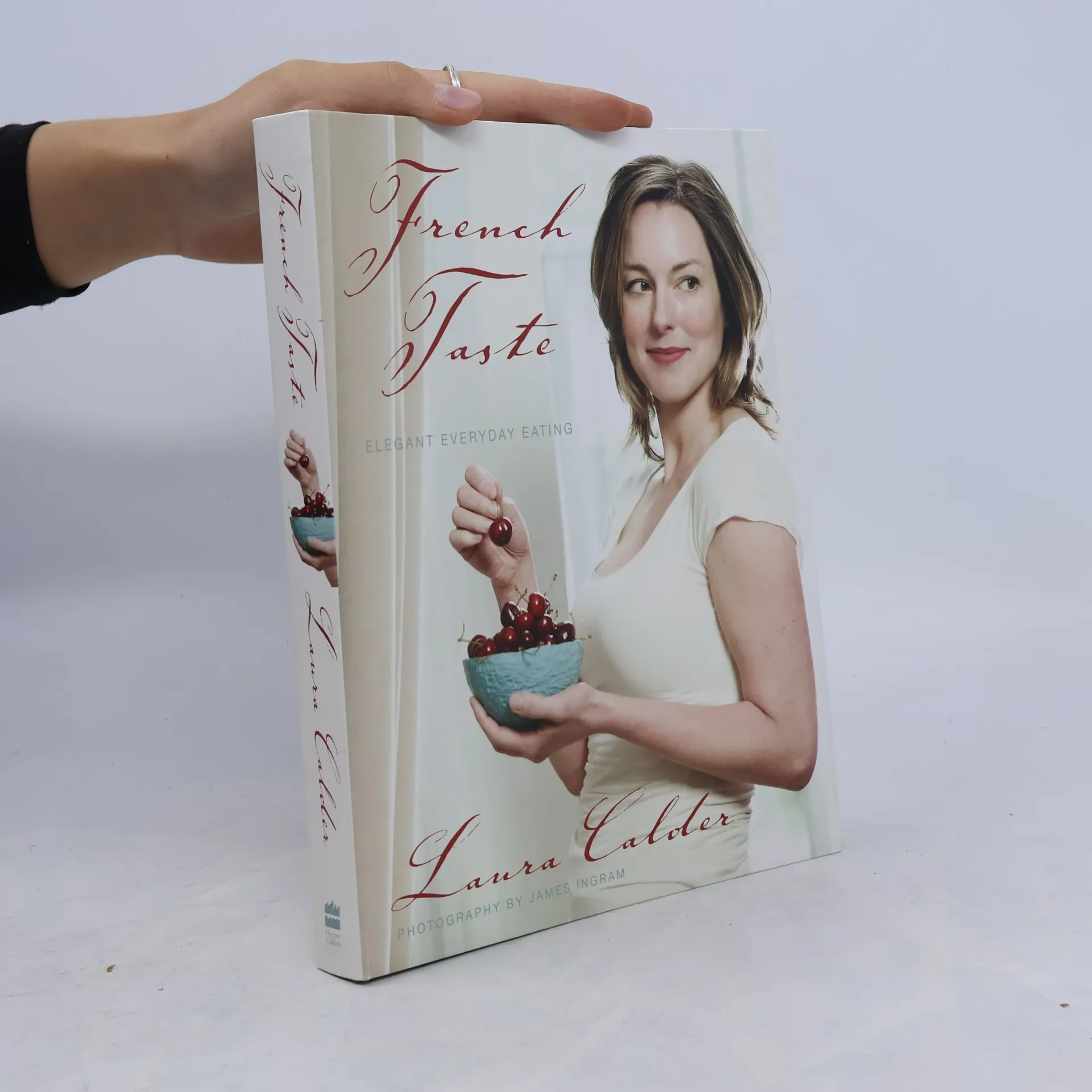
The time is right for getting back to French home cooking and discovering how it has evolved, how easy it is for anyone to make, and how appropriate it is for the moment. Laura Calder reminds us that we don’t have to commit to mastering the entire canon of French cuisine to make a delectable chocolate mousse or a sole amandine. And just because we’re in the mood for coq au vin doesn’t mean we have to start dinner with a foie gras terrine and end with Grand Marnier soufflé. We can integrate a French dish into the menus already in our repertoire -- serve coq au vin as a main course, with gingerbread or ice-cream sundaes for dessert. Why not? French Taste is all about simplicity. If we get too caught up in the “how to” of French cooking, we miss the point. Yes, French cuisine has given the world impressive recipes and techniques, but the most valuable things the French have to offer when it comes to food are a sense of how to eat with joyful abandon, how to make food look as beautiful as it tastes and how to take time to enjoy good food in good company.
James C. Ingram Ordine dei libri (cronologico)

The Anglo Saxon Chronicle
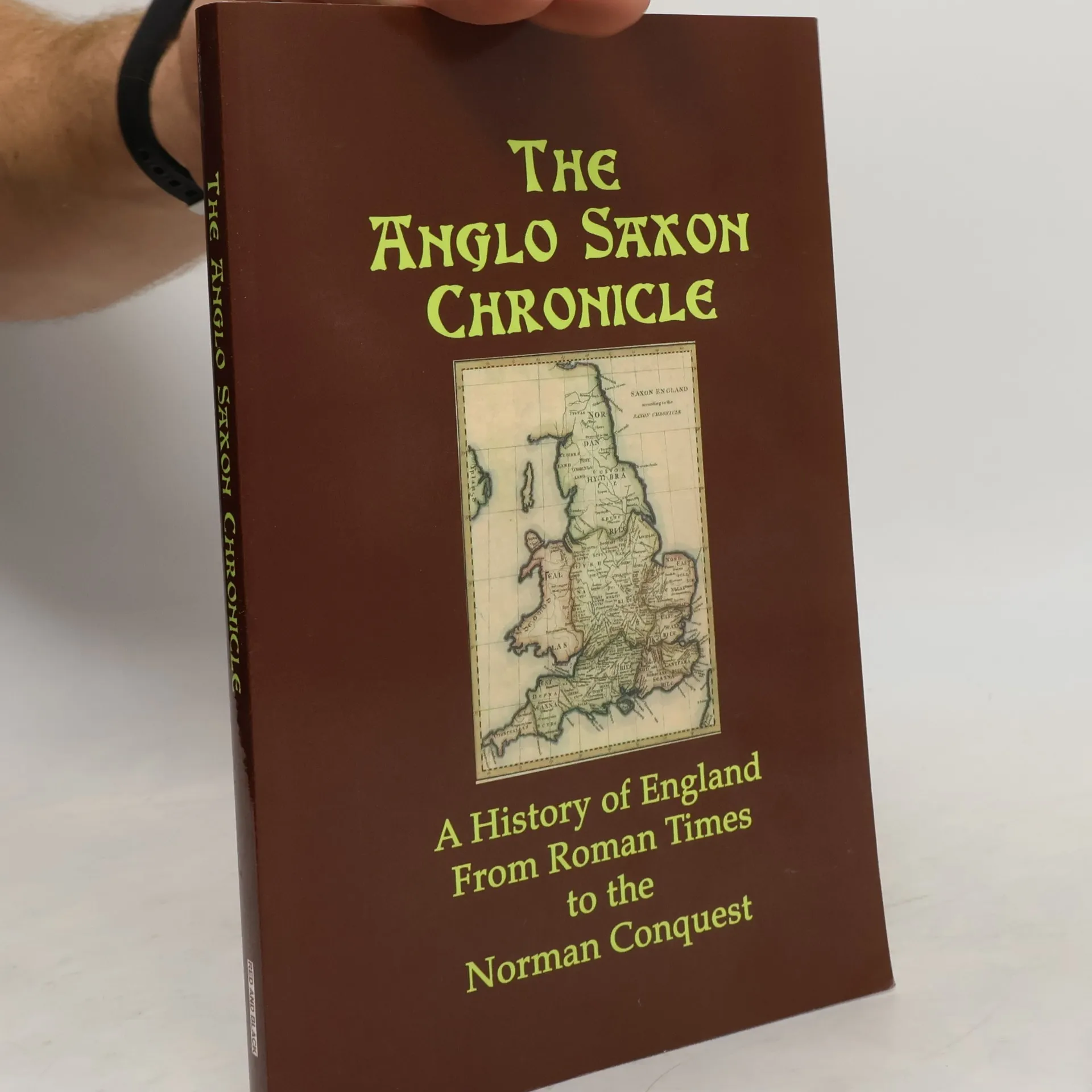
A History of England from Roman Times to the Norman Conquest
- 223pagine
- 8 ore di lettura
The Anglo-Saxon Chronicle is a collection of annals in Old English chronicling the history of the Anglo-Saxons. The original ms. of the Chronicle was created late in the 9th century, probably in Wessex, during the reign of Alfred the Great. Multiple copies were made of that original which were distributed to monasteries across England, where they were independently updated. In one case, the Chronicle was still being actively updated in 1154. Nine mss survive in whole or in part, tho not all are of equal historical value & none of them is the original version. The oldest seems to have been started towards the end of Alfred's reign, while the most recent was written at Peterborough Abbey after a fire at that monastery in 1116. Almost all of the material in the Chronicle is in the form of annals, by year. The earliest are dated 60 BC (the annals' date for Caesar's invasions of Britain) & historical material follows up to the year in which the chronicle was written, at which point contemporary records begin. These mss collectively are known as the Anglo-Saxon Chronicle.
Economic Change in Thailand Since 1850
- 254pagine
- 9 ore di lettura