
Bookbot

Christine Le Boeuf

    The Sweet Hereafter
    La Fiancée de Frankenstein
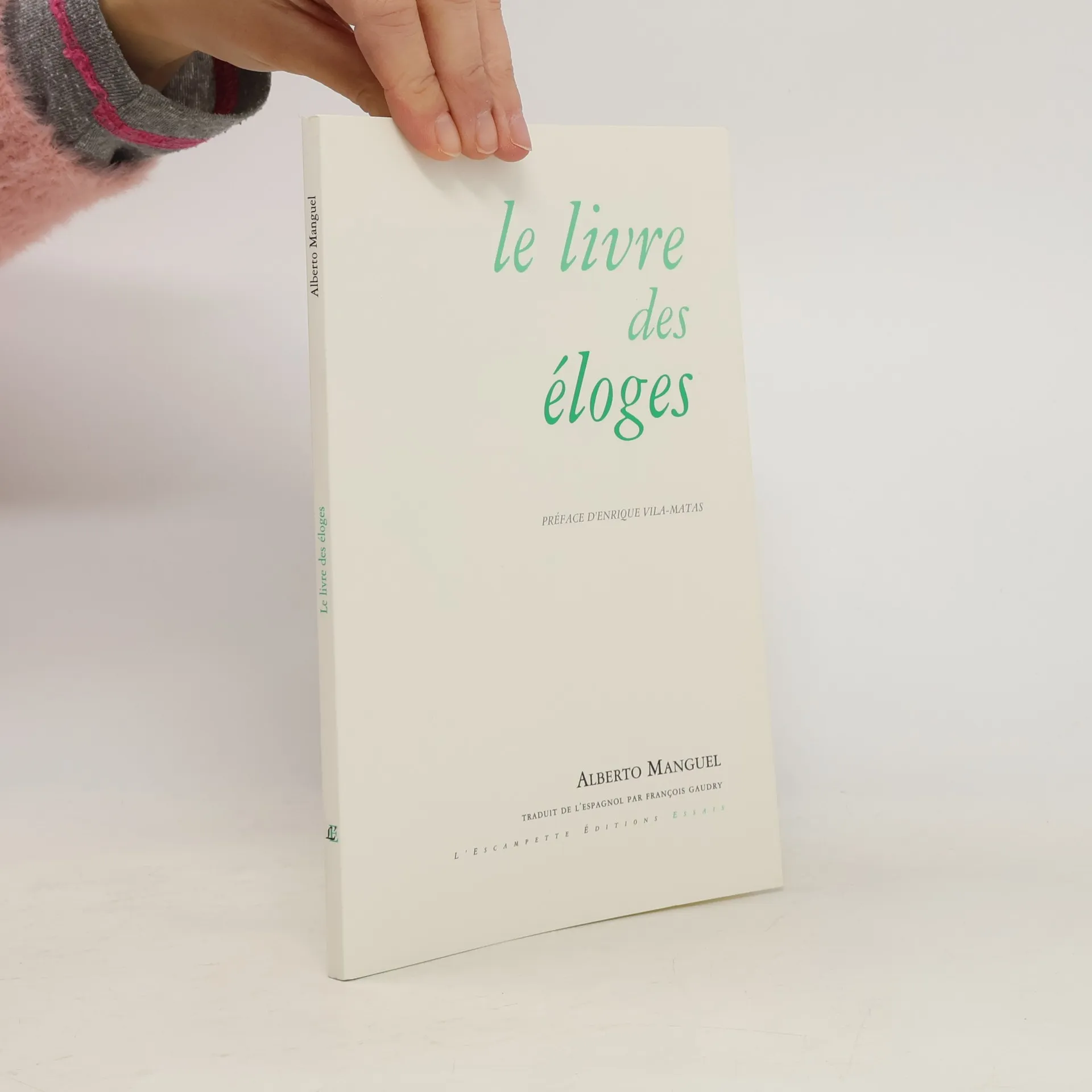
    Le livre des éloges
    Babel - 1732: Les Mirages de la certitude
    What I loved
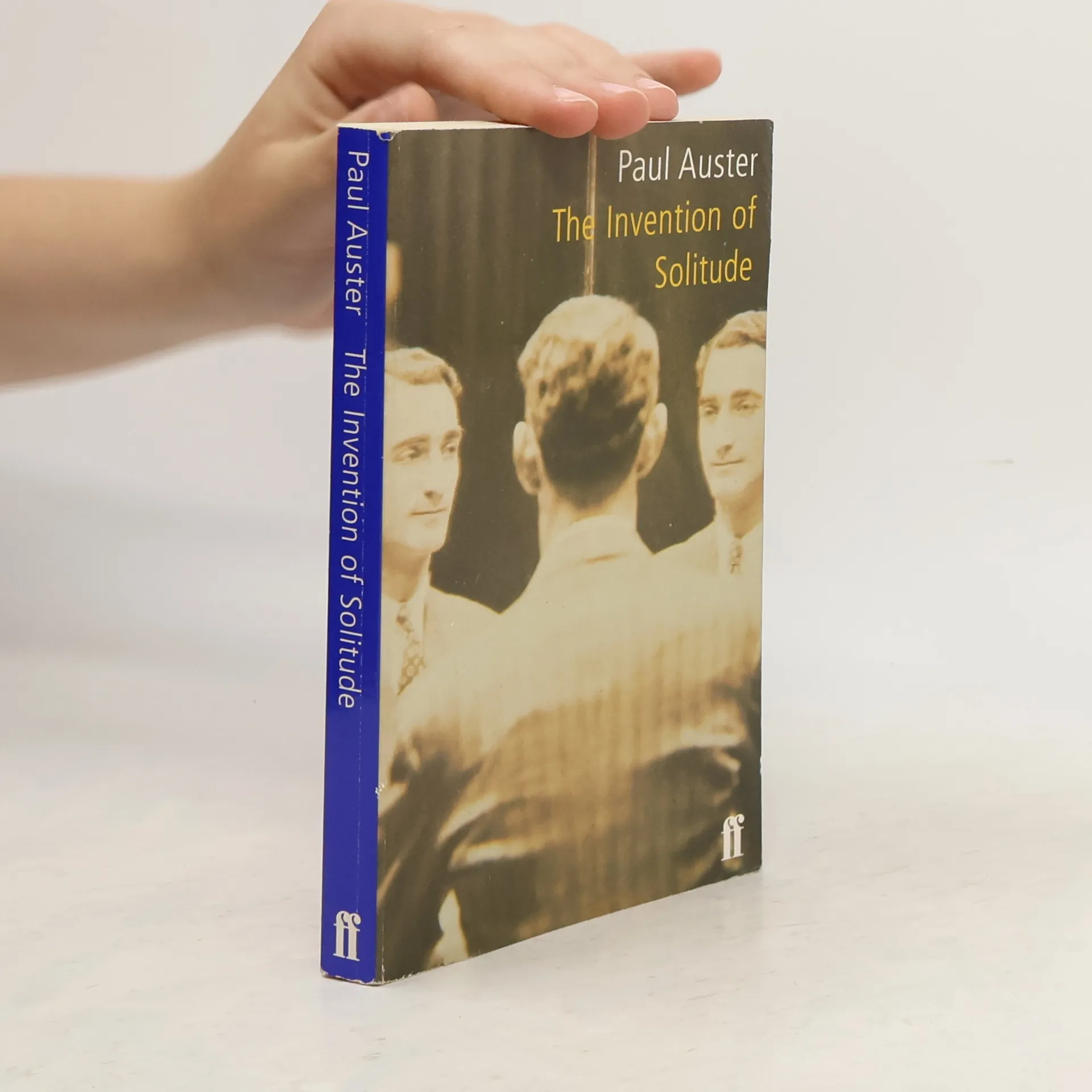
    The Invention of Solitude
    • Babel - 1732: Les Mirages de la certitude

      Essai sur la problématique corps/esprit

      • 409pagine
      • 15 ore di lettura

      Comment pense le corps ? Qu'est-ce que l'esprit ? En quoi se distingue-t-il du corps ? L'esprit peut-il être réduit à des neurones dans le cerveau ou non ? Dans son essai, Siri Hustvedt aborde le vieux problème non résolu de l'esprit et du corps et souligne à quel point les différentes réponses à cette question ont une signification profonde pour notre compréhension de nous-mêmes. Avec son approche multidisciplinaire, Hustvedt montre à quel point des hypothèses injustifiées sur le corps et l'esprit ont déformé et confondu la pensée des neuroscientifiques, généticiens, psychiatres, psychologues évolutionnistes et chercheurs en intelligence artificielle. Dans cet essai érudit, Hustvedt introduit le lecteur à diverses théories intégratives du corps concernant la conscience, qui modifient le débat actuel sur l'esprit et le corps. Elle souligne également qu'aucune idée n'est intouchable. "Le doute", écrit-elle, "n'est pas seulement une expression de l'intelligence ; c'est une nécessité."
      Babel - 1732: Les Mirages de la certitude2021
      4,3
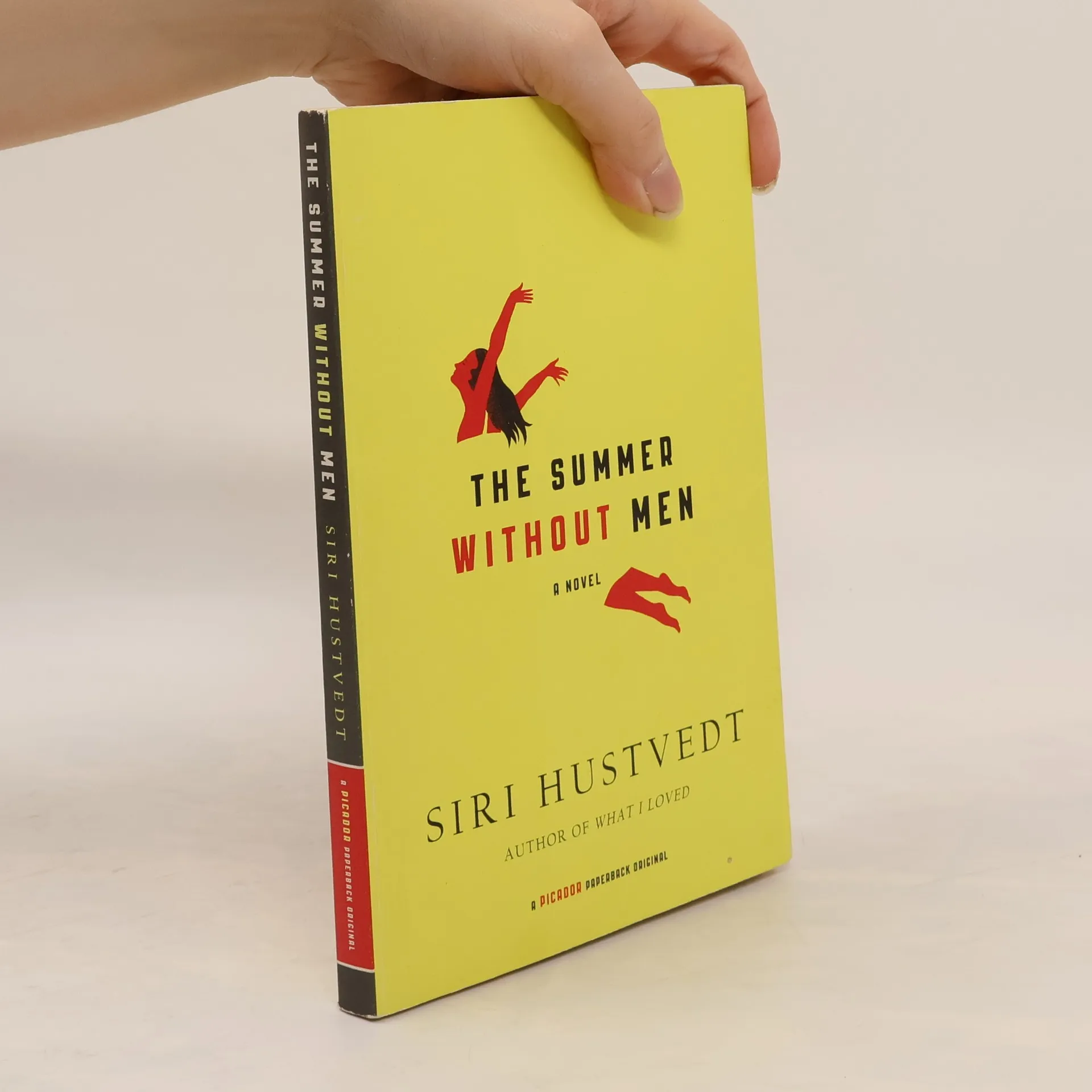
    • The Summer Without Men

      • 182pagine
      • 7 ore di lettura

      Mia is forced to reexamine her life when her husband puts their marriage on "pause" after thirty years. She returns to the prairie town of her childhood, and is drawn into the lives of those around her.

      The Summer Without Men2013
      3,5
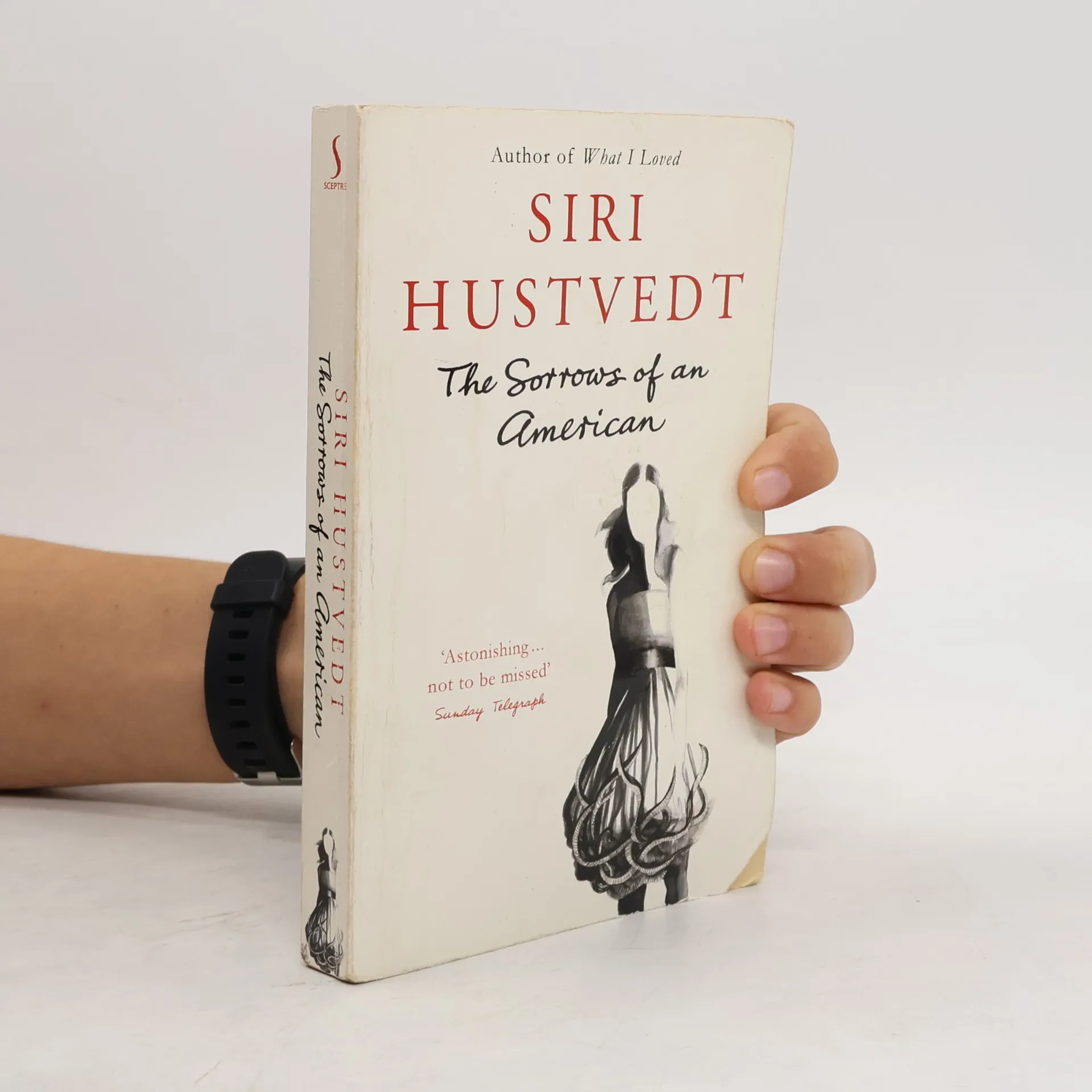
    • The Sorrows of an American

      • 320pagine
      • 12 ore di lettura

      "The Sorrows of an American" is a soaring feat of storytelling about the immigrant experience and the ghosts that haunt families from one generation to another.

      The Sorrows of an American2010
      3,6
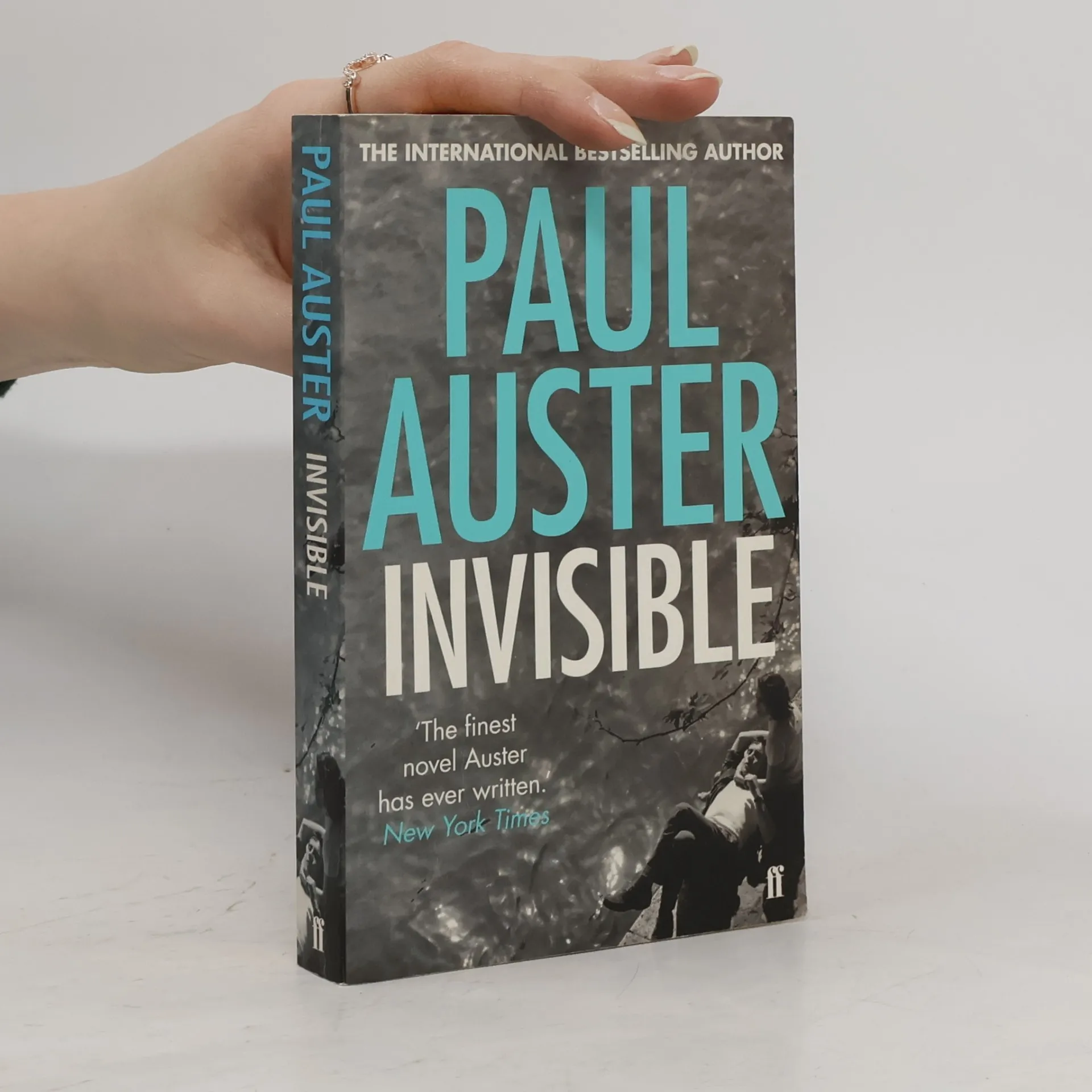
    • Invisible

      • 308pagine
      • 11 ore di lettura

      Poet and student Adam Walker meets the enigmatic Frenchman Rudolf Born and his silent, seductive girlfriend, Margot, sending Adam into a perverse triangle that leads to a shocking act of violence that will alter his life.

      Invisible2010
      3,8
    • La Fiancée de Frankenstein

      • 81pagine
      • 3 ore di lettura

      En première lecture, ce livre est un essai sur le film de James Whale (1935), ses origines (le célèbre roman de Mary Shelley), l'écriture de son scénario, le choix de ses acteurs, la relation avec la censure, etc. Mais, plus profondément, c'est un essai sur la création, sur les relations du créateur avec sa création, sur la prédominance de l'acte de création sur tout autres considérations philosophiques, religieuses ou morales. C'est aussi un essai sur le mal, sur la tentation de puissance, sur le vertige des interdits. A sa première apparition, le visage du monstre est présenté par Manguel comme l'une des icônes de notre temps, au même titre que le visage de Greta Garbo... Cela fait partie des nombreuses réussites de ce livre provoquées par ces rapprochements inattendus où nous entraînent l'intelligence et la culture de Manguel. La comparaison, du point de vue de la création pure, entre la Fiancée créée par Frankenstein et la Mariée mise à nu par ses célibataires créée par Duchamp est un grand moment d'analyse et de jubilation ! Enfin, et d'une façon assez classique dans la littérature et le cinéma fantastiques, la monstruosité n'est peut-être pas là où on le penserait. Le monstre n'aspire qu'à une harmonie que la société des hommes " normaux " lui refuse. L'instant de bonheur que connaît le monstre en compagnie d'un vieillard aveugle est une scène magnifiquement décrite...

      La Fiancée de Frankenstein2008
      3,0
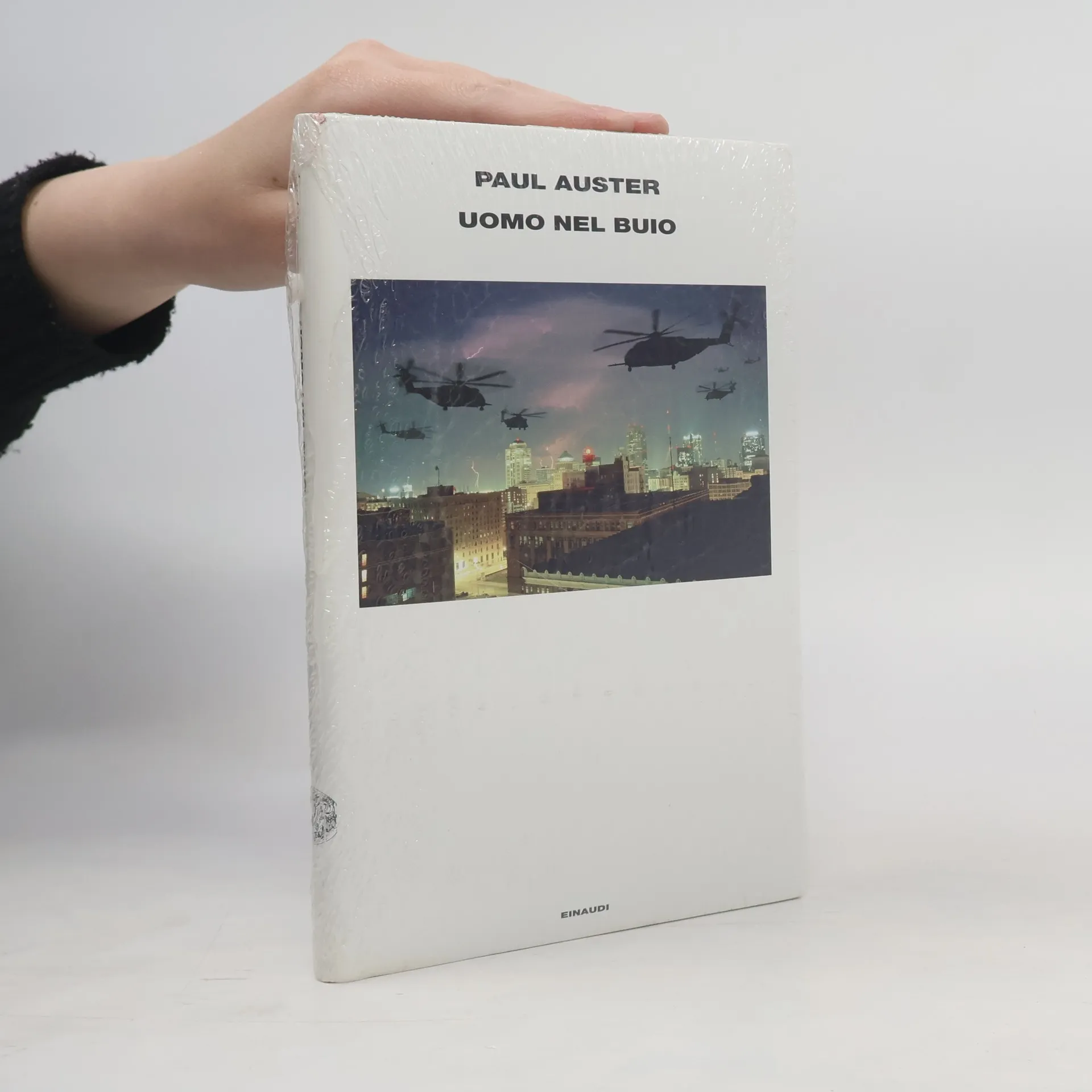
    • Supercoralli: Uomo nel buio

      • 152pagine
      • 6 ore di lettura

      Uomo nel buio è dedicato allo scrittore israeliano David Grossman e alla memoria di suo figlio Uri, morto nelle ultime ore di combattimento di una guerra inutile. Nel libro Auster racconta la storia di August Brill, un anziano recensore costretto a letto da un incidente, che per tenere a bada i suoi fantasmi nelle interminabili ore di una notte insonne immagina una storia in cui l'America è in piena guerra di secessione, dopo che alcuni stati, guidati da New York, sono usciti dall'Unione in seguito alla contestata elezione di George W. Bush del 2000. L'11 settembre 2001 non è successo niente di particolare, ma la guerra infiamma tutti gli Stati Uniti e l'unico modo per risolvere il problema è uccidere chi ha immaginato tutto questo, August Brill (da cui il geniale titolo della recensione del Jerusalem Post: «Kill Brill»). Da quest'ossatura metaletteraria, in tutto e per tutto un omaggio alle distopie di Philip K. Dick (c'è persino una ragazza dai capelli scuri che manovra occultamente il protagonista), prende carne e sangue la vera storia che Auster vuole raccontare e che August Brill vuole dimenticare, l'America vera della «war on terror», la moglie morta di cancro, gli indicibili orrori della guerra in Iraq da un lato e dall'altro la commovente tenerezza della nipote di Brill, la sorgente di luce che rischiarerà un poco il buio che avvolge August Brill e l'America.

      Supercoralli: Uomo nel buio2008
      3,7
    • Le livre des éloges

      • 80pagine
      • 3 ore di lettura

      Série d'éloges qui sont autant de variations sur les sujets les plus variés : la Bible, la librairie, l'horreur, le plaisir, les animaux, le blasphème ou la France.

      Le livre des éloges2007
      4,0
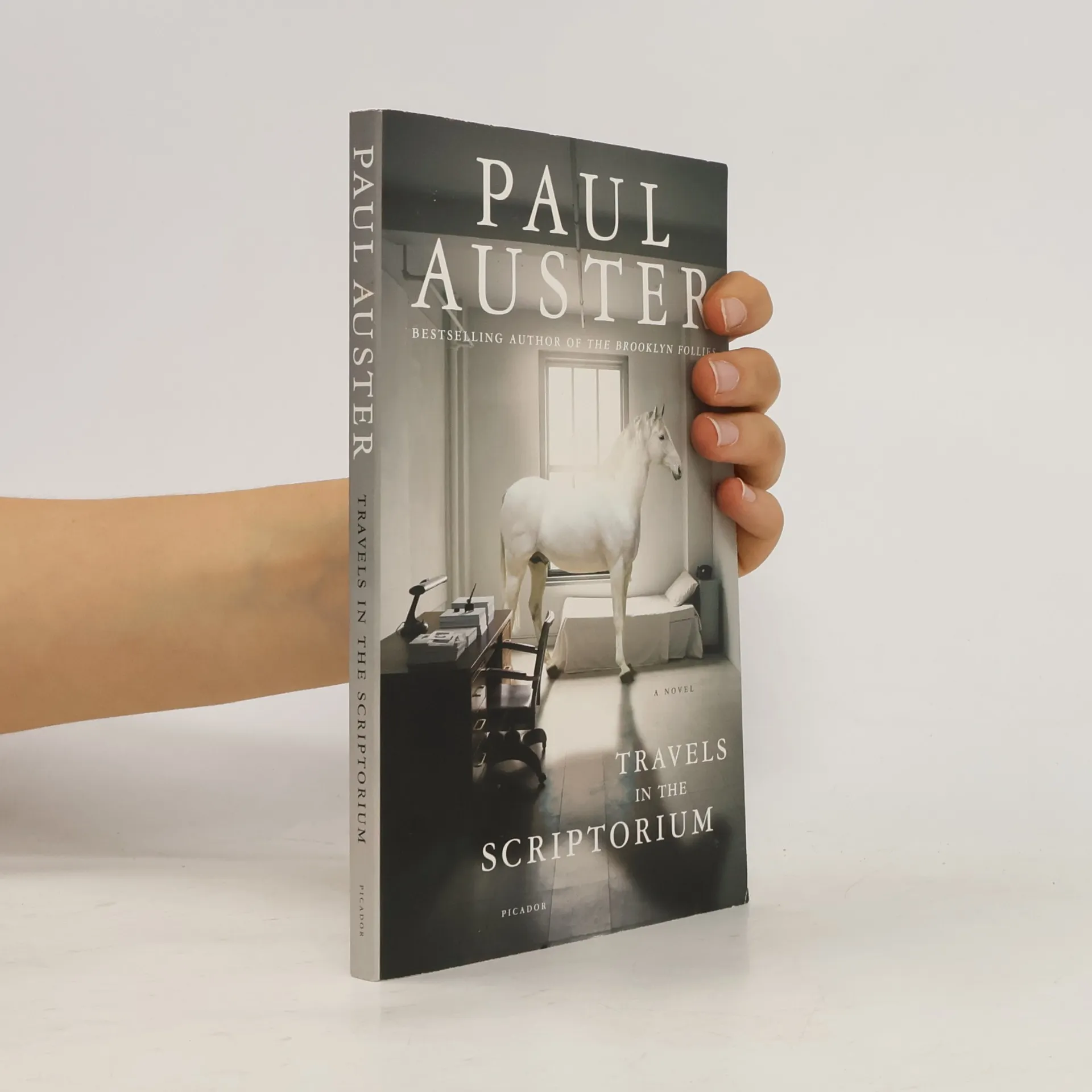
    • An old man sits in a room, with a single door and window, a bed, a desk and a chair. Each day he awakes with no memory, unsure of whether or not he is locked into the room. Attached to the few objects around him are one-word, hand-written, labels and on the desk is a series of vaguely familiar black-and-white photgraphs and four piles of paper. Then a middle-aged woman called Anna enters and talks of pills and treatment, but also of love and promises. Who is he? What is he doing here? When did he arrive and how long will he remain? With any luck, time will tell us all.

      Travels in the Scriptorium2007
      3,3
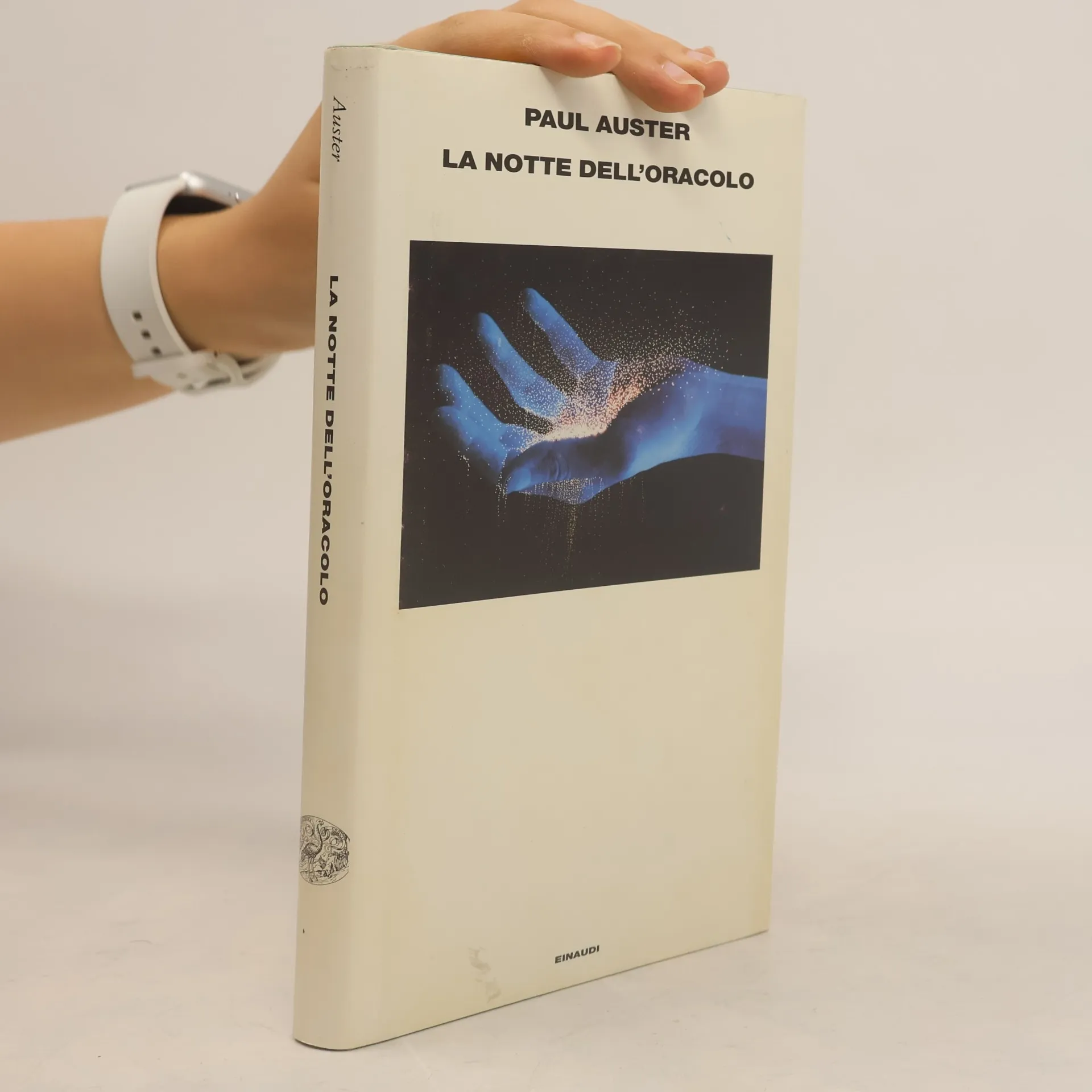
    • ET: La notte dell'oracolo

      • 208pagine
      • 8 ore di lettura

      Dopo aver superato una grave malattia, Sidney Orr, uno scrittore trentenne, cerca di ricominciare a vivere. Durante una passeggiata a Brooklyn, scopre un taccuino blu in una cartoleria e, attratto dalla sua semplicità, decide di acquistarlo. Questo taccuino diventa per Sidney una fonte di ispirazione: in nove giorni scrive l'inizio di un romanzo, un trattamento cinematografico e riflessioni su un tragico evento, mentre cerca di comprendere misteri che minacciano la sua vita e quella di sua moglie, Grace. Con il passare del tempo, la linea tra finzione e realtà si sfuma; le sue scritture sembrano premonizioni del futuro. Sidney inizia a sospettare che Grace, l'amico scrittore John Trause e persino il misterioso proprietario della cartoleria, Mr. Chang, nascondano segreti. Trasformandosi in detective, segue il consiglio di Trause e cerca di decifrare il mistero. Quando la verità emerge in tutta la sua cruda violenza, Sidney, per amore di Grace, decide di rinunciare per sempre al potere del taccuino blu.

      ET: La notte dell'oracolo2004
      3,8
    • What I Loved begins in New York in 1975, when art historian Leo Hertzberg discovers an extraordinary painting by an unknown artist in a SoHo gallery. He buys the work; tracks down the artist, Bill Wechsler; and the two men embark on a life-long friendship. Leo's story, which spans twenty-five years, follows the growing involvement between his family and Bill's--an intricate constellation of attachments that includes the two men, their wives, Erica and Violet, and their sons, Matthew and Mark.The families live in the same New York apartment building, rent a house together in the summers and keep up a lively exchange of ideas about life and art, but the bonds between them are tested, first by sudden tragedy, and then by a monstrous duplicity that slowly comes to the surface. A beautifully written novel that combines the intimacy of a family saga with the suspense of a thriller, What I Loved is a deeply moving story about art, love, loss, and betrayal.

      What I loved2003
      4,4
    • Timbuctù

      • 150pagine
      • 6 ore di lettura

      Abituati a viaggiare insieme sulle strade americane, Willy, poeta giramondo, e Mr Bones, cane dalla spiccata intelligenza, vengono separati dai freddi giochi del destino. Mr Bones dovrà imparare a cavarsela da solo e a difendersi anche da chi sembrerà volerlo aiutare. Così continuerà a fuggire, finché in lui si farà strada la convinzione di poter raggiungere Willy a Timbuctù, terra favolosa dove uomini e cani parlano la stessa lingua e conversano da pari a pari. Che cosa sia davvero Timbuctù, Mr Bones non lo sa, a parte qualche frase sibillina buttata lì da Willy nei suoi discorsi di poeta maledetto e infaticabile clochard. Eppure è proprio in quel luogo che un brutto giorno il poeta se n'è andato lasciando solo il fedele quadrupede.

      Timbuctù2002
      3,7
    • The Sweet Hereafter

      • 416pagine
      • 15 ore di lettura

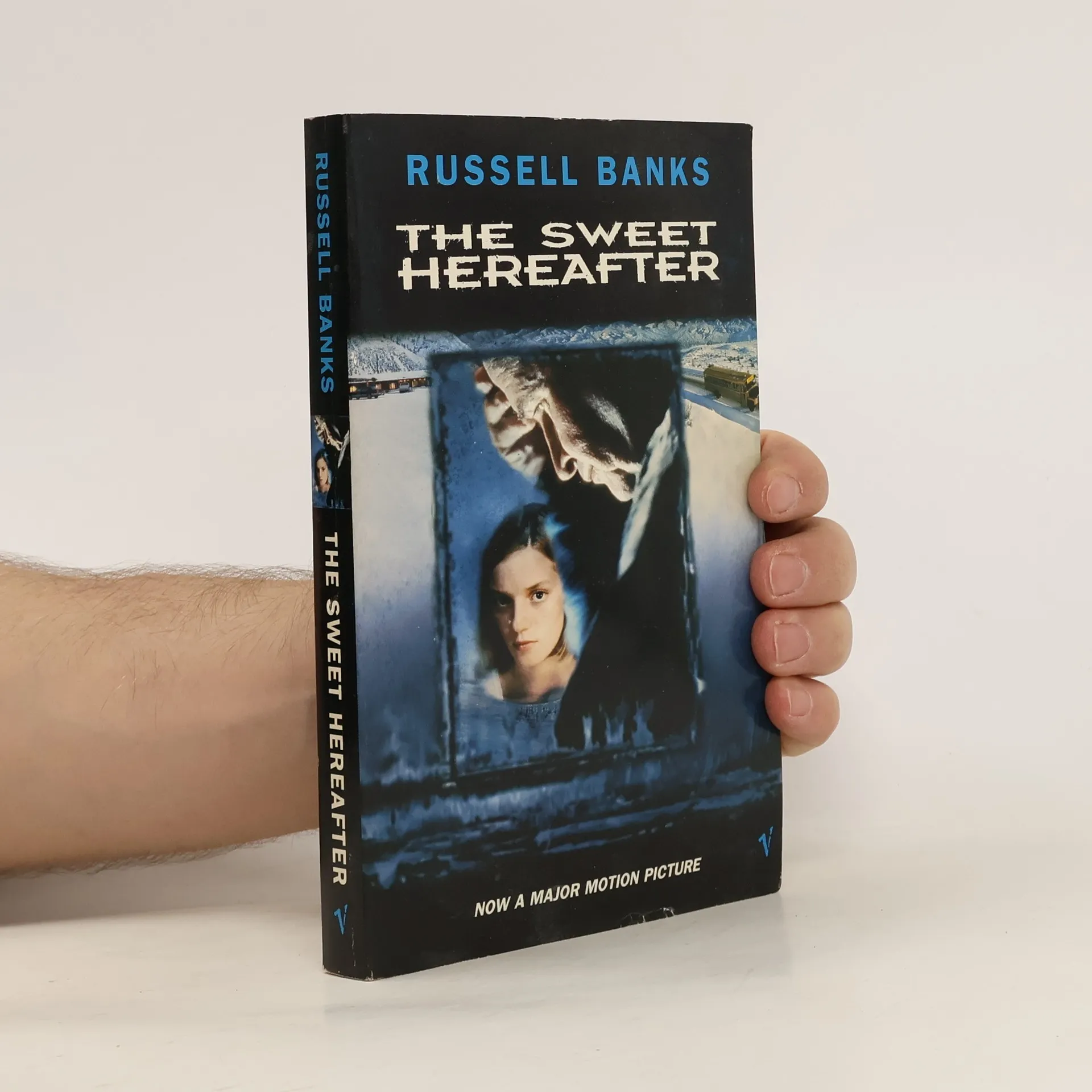
      A small town's response to the inexplicable loss of its children in a school bus accident.

      The Sweet Hereafter1997
      3,9
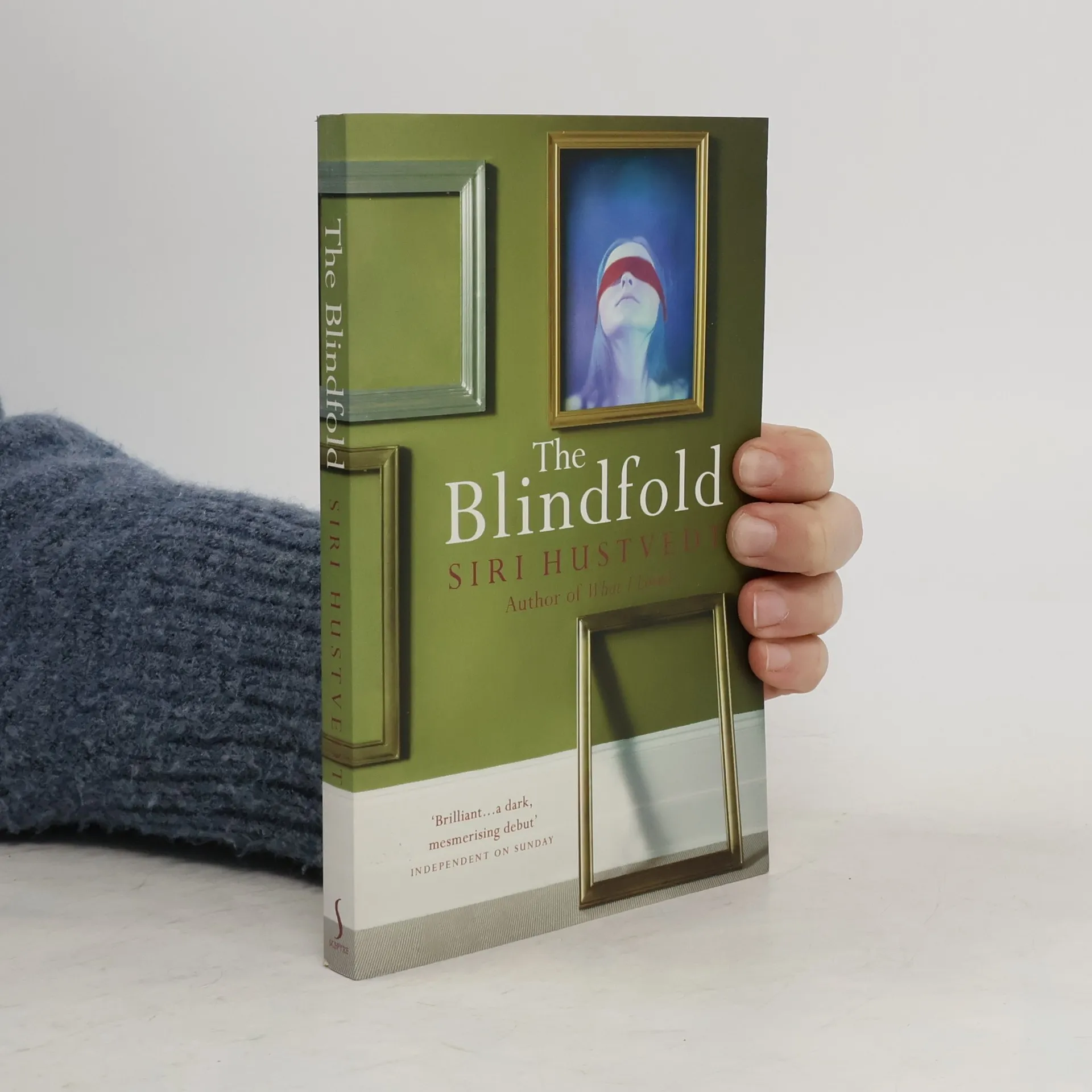
    • Iris Vegan, a graduate student living alone and impoverished in New York, encounters four strong characters who fascinate and in different ways subordinate her: an inscrutable urban recluse who employs her to record the possessions of a murdered woman; a photographer whose eerie portrait of Iris takes on a life of its own; an old woman in hospital who tries to claim a remnant of the ailing Iris; and a professor she has an affair with. An exploration of female identity in an age when the old definitions - as some man's daughter/wife/mother - no longer apply, fuelled with eroticism and a sense of menace.

      The Blindfold1996
      3,8
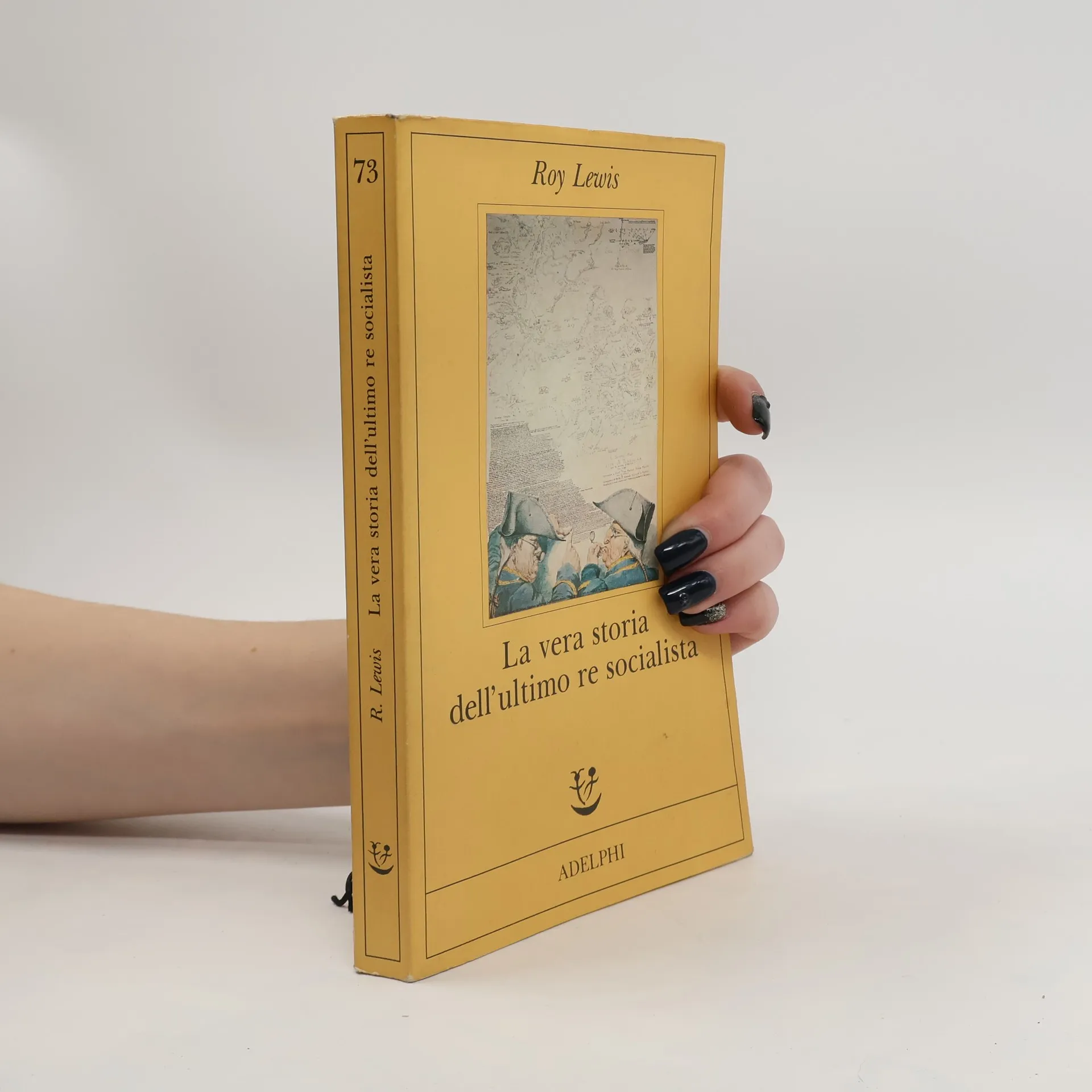
    • «E se le cose fossero andate in un altro modo?». Domande che chiunque si pone quando riflette sulla Storia. Roy Lewis esplora questa tematica in un romanzo, utilizzando lo stesso approccio vivace e illuminante che ha caratterizzato il suo lavoro sulla preistoria. Immagina un supercomputer che elabora la vittoria del socialismo anziché del capitalismo nella rivoluzione del 1848 in Europa. Il risultato è un racconto in cui la regina Vittoria abdica nel 1849 a causa della rivolta dei cartisti. Si instaura un regime socialista che, pur mantenendo la monarchia, si concentra su lavoro e uguaglianza. Tuttavia, questo socialismo bucolico si rivela un lento disastro, poiché non riesce a gestire l'impatto della tecnologia, che altera continuamente i rapporti sociali. I socialisti, incapaci di adattarsi, preparano così il terreno per una nuova rivoluzione. Ma cosa accade quando l'«ultimo re socialista» diventa complice di questa rivolta? La sua storia, narrata da lui stesso, è indimenticabile: un sovrano gentile e amabile, che avrebbe preferito insegnare matematica, si trova a guidare una controrivoluzione per rovesciare il proprio regime, esautorando se stesso. La vera storia dell'ultimo re socialista è stata pubblicata in Inghilterra nel 1990.

      La vera storia dell'ultimo re socialista1993
      3,6
    • Offers the author's personal meditation on fatherhood. This title reveals his memories and feelings after the death of his father.

      The Invention of Solitude1993
      3,9