

Bookbot

John Weal

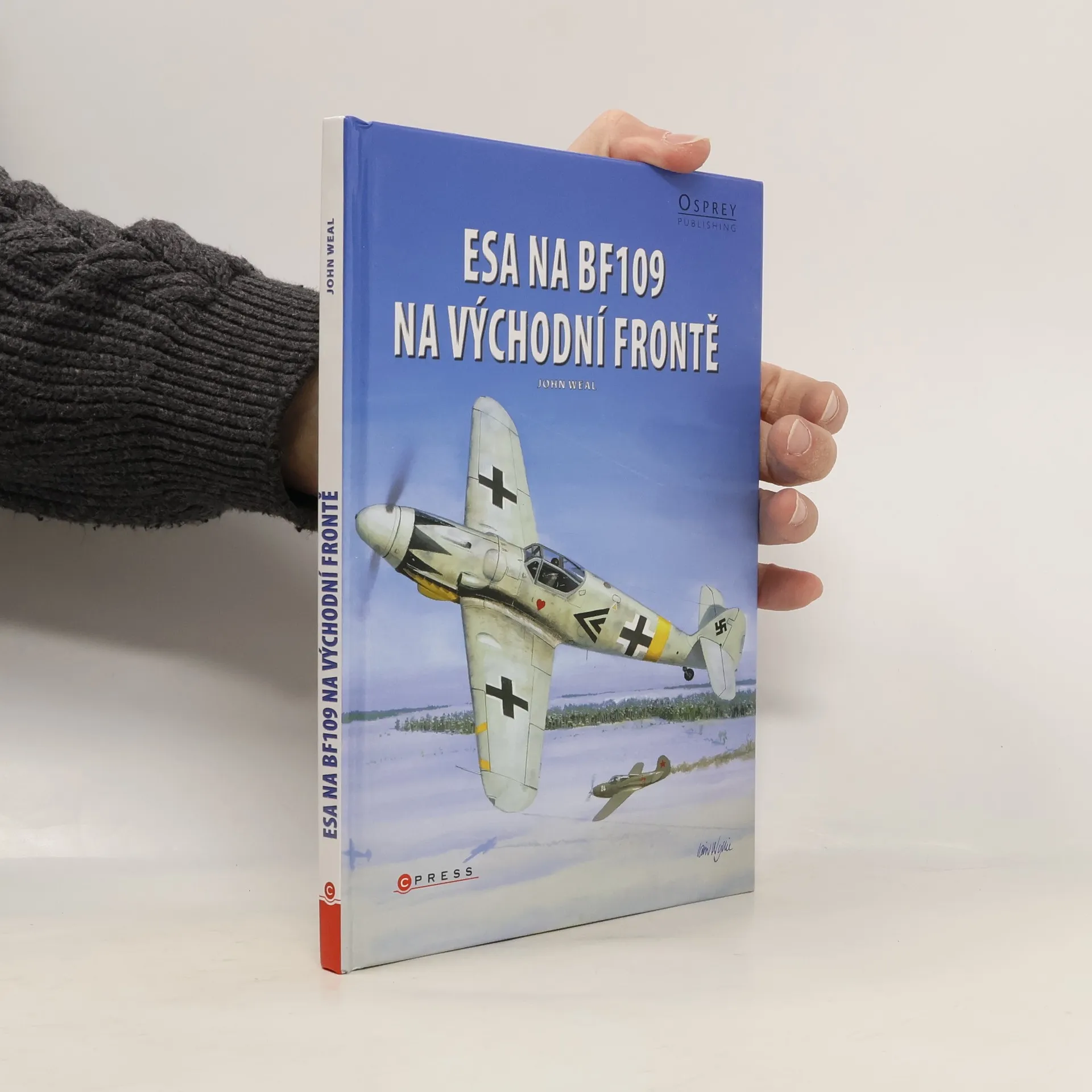
    Esa na Bf 109 na východní frontě
    Wings of the Luftwaffe
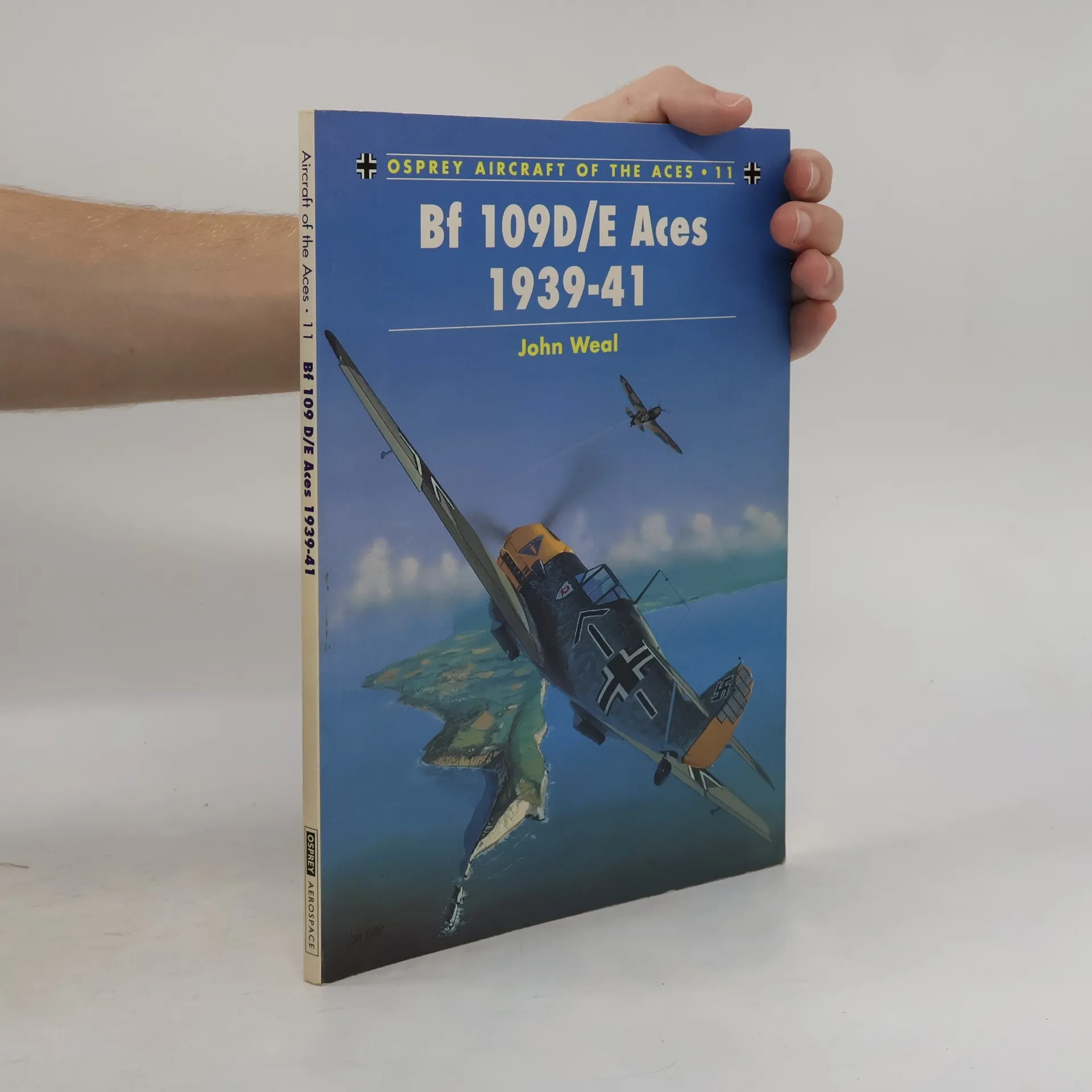
    BF 109D/E Aces 1939-1941 (Osprey Aircraft of the Aces No 11)
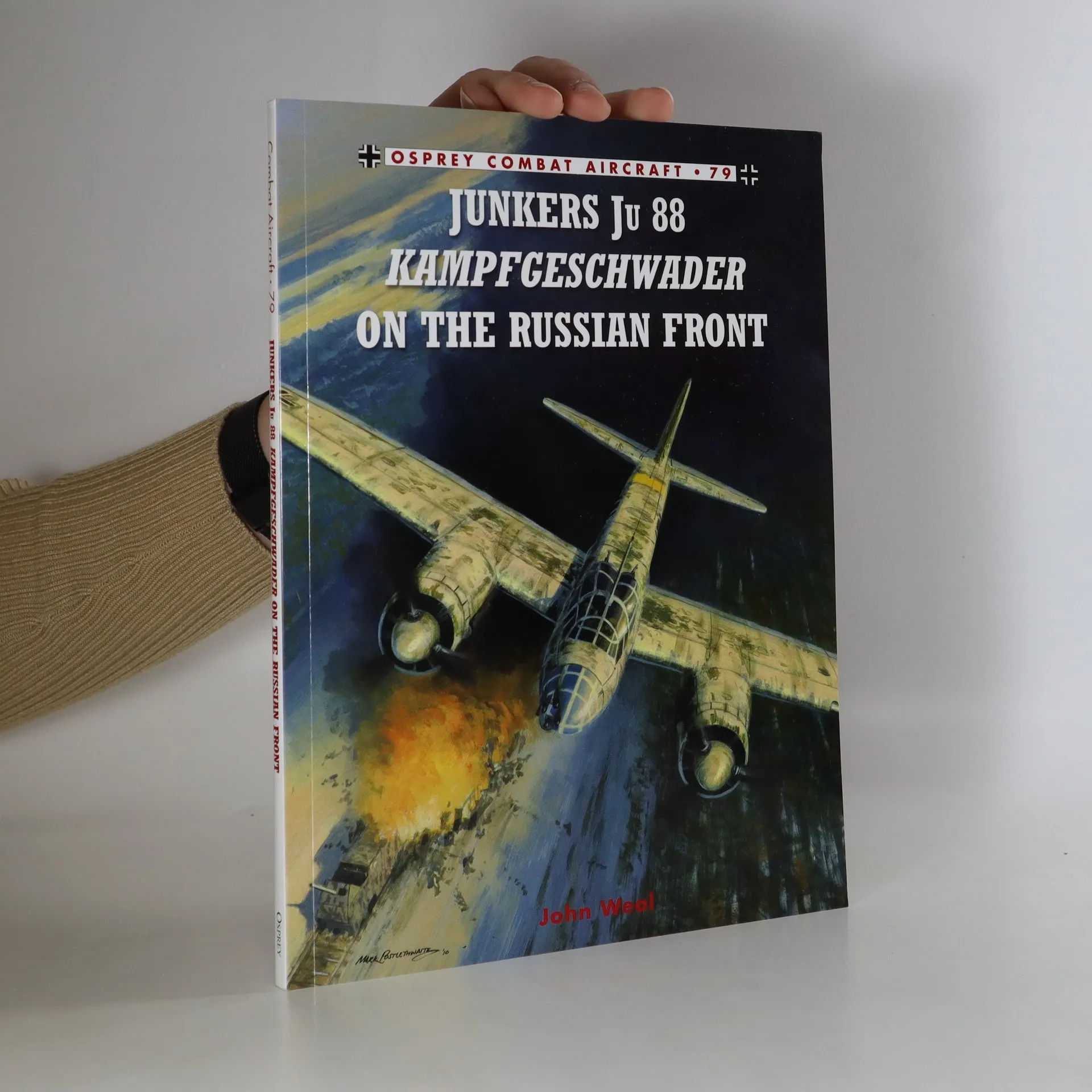
    Junkers Ju 88 Kampfgeschwader on the Russian front
    Junkers Ju 87 Stukageschwader of North Africa and the Mediterranean
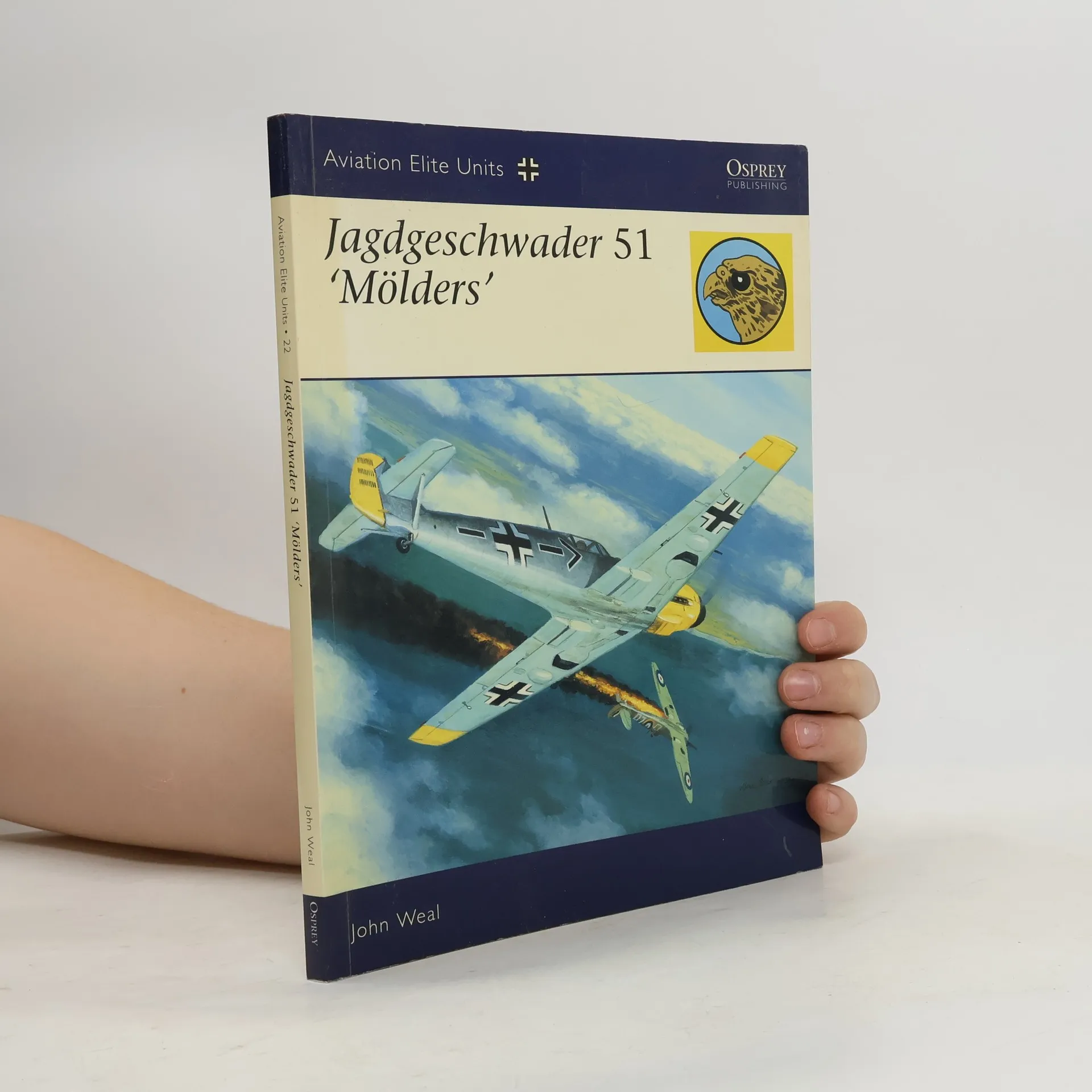
    Aviation Elite Units - 22: Jagdgeschwader 51 'Mölders'
    • Kampfflieger

      • 96pagine
      • 4 ore di lettura

      Das Jagdgeschwader 53, auch „Pik-As“ genannt, fand sich an nahezu jeder Front des Zweiten Weltkriegs. Sein bekanntes Pik As –Emblem wurde zum Symbol für die Deutsche Luftwaffe und fand sich neben den Kampffliegern auch weltweit auf Modellen, Drucken, Illustrationen und Buchumschlägen. Die Geschwader des Pik-As waren neben der Verteidigung des Deutschen Reichs in vielen der wildesten Luftattacken des Krieges mit von der Partie, u. a. in der Normandie, Stalingrad und El Alamein. Der Autor John Weal recherchierte viele Jahre in den deutschen Bundesarchiven. Zusammen mit seinen umfassenden Kontakten zu diversen Kriegsveteranen entstand daraus ein maßgeblicher und menschlicher Bericht über den langen und ereignisreichen Krieg des JG 53.
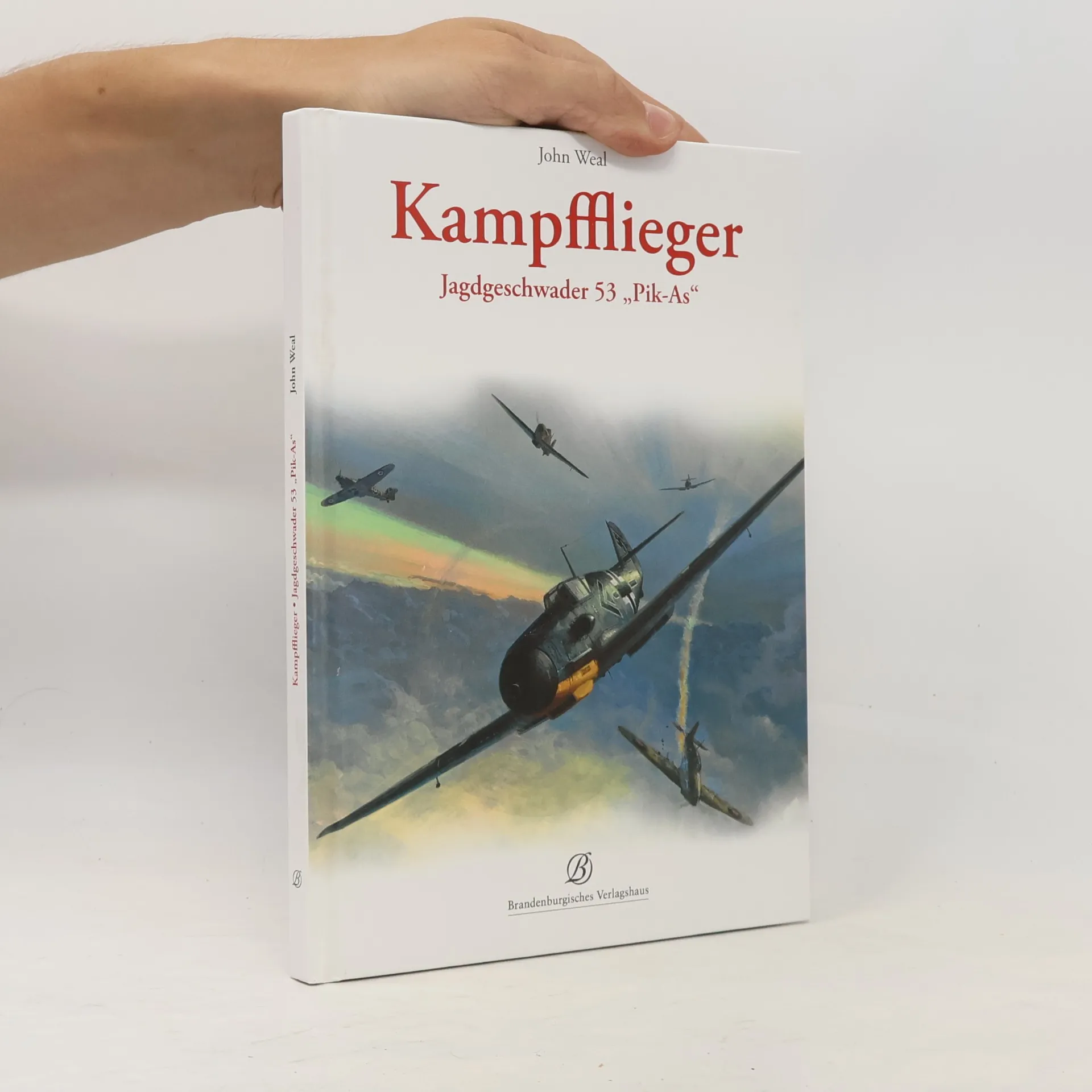
      Kampfflieger2012
    • Esa na Bf 109 na východní frontě

      • 96pagine
      • 4 ore di lettura

      Poznejte historicky nejúspěšnější stíhací esa jagdwaffe, piloty, kteří se zůčastnili krvavých bojů na východní frontě v letech 1941 - 1945. Kniha detailně seznamuje s průběhem jednotlivých bojů, s životními osudy samotných pilotů i postupným vývojem letounu Bf 109, na kterém dosahovali svých úspěchů.

      Esa na Bf 109 na východní frontě2012
      3,4
    • Completing Osprey's triliogy on the Ju 88 Kampfgeschwader this new volume focuses on activities on the Eastern Front during World War II (1939-1945). Comprising the main punch of the Luftwaffe's bomber arm during the initial invasion of the Soviet Union, the Ju 88 participated in a number of early strategic bomber raids on Moscow before assuming responsibility for supporting the Wehrmacht's ground forces in the field. In this role, the Ju 88s attacked bridges, road and rail communications, and troop concentrations and gave rise to many individual incidents that contribute to a varied and interesting narrative.Along with this main narrative, the book also covers the role the Ju 88s played in attacking the artic convoys that were shipping allied war supplies to Russia, and the several variant models that were employed. The strangest of these was a Ju 88 packed with explosives and guided by a fighter clipped onto its back that was used as a giant bomb against the Russians as they were approaching Berlin late in the war.

      Junkers Ju 88 Kampfgeschwader on the Russian front2010
      3,0
    • JG 51 is Luftwaffe's top wartime fighter units. The unit's history encapsulates the fortunes of the Luftwaffe's fighter arm as a whole - the heady successes of the early months, the steady attrition and the growing strength of the opposition during the mid-war years, and the final chaos and collapse of the last days.

      Aviation Elite Units - 22: Jagdgeschwader 51 'Mölders'2006
      3,9
    • The 'terror weapon' of the invasion of Poland at the start of World War II (1939-1945), the assault on Scandinavia and the Blitzkrieg through western Europe, the Ju 87 Stuka had had its reputation severely dented during the Battle of Britain, where its vulnerability to fighter aircraft in hostile skies was savagely exposed. Licking their wounds, the Stukageschwader were sent south-east from their bases in France to the warmer climes of the Balkans in early 1941. In mid-1941, again frustrated at the inability of the Italians to defeat numerically inferior Allied forces, the Germans arrived in North Africa. Included in the force were Ju 87s. However, like operations on the African continent, their efforts were doomed to failure, and from mid-1942 onwards the Stuka proved to be little more than cannon fodder for Allied fighters.

      Junkers Ju 87 Stukageschwader of North Africa and the Mediterranean1998
      3,5
    • Wings of the Luftwaffe

      • 176pagine
      • 7 ore di lettura

      At the end of World War II, Eric Brown had the extraordinary experience of testing no fewer than 55 captured individual German aircraft types. These ranged from such exotic creations as the prone-pilot Berlin B9 and Horten IV, the push-and-pull Dornier DO335 and the remarkable little Heinkel He 162 Volksjager, to the highly innovative combat types that were entering the inventory of the Luftwaffe shortly before the demise of Germany's Third Reich. Brown also interrogated many of the leading German wartime aviation personalities, such as Willy Messerschmitt, Ernst Heinkel, Kurt Tank and Hanna Reitsch. From this background knowledge of German aviation he has selected those he considers the most important, and presents detailed descriptions of their background and characteristics.

      Wings of the Luftwaffe1998
      4,4
    • The period covered in this volume was considered to be the 'glory years' for the Jagdwaffe - fresh from the experience gained in the Spanish Civil War - and for the Bf 109 in particular. Many famous pilots scored their first kills in the classic dogfights staged over Poland, Western Europe, the Channel and finally southern England. Some 40 Knight's Crosses were awarded in 1940 alone. However, after sweeping all before them in support of the Blitzkrieg across continental Europe, the Bf 109E pilots were to suffer badly during the Battle of Britain, the result of poor tactics inflicted upon them by the Luftwaffe High Command, and their mount's less then generous range.

      BF 109D/E Aces 1939-1941 (Osprey Aircraft of the Aces No 11)1996