Questa figura influente dell'Università di Oxford, tutore e riformatore amministrativo, fu anche un teologo e un rinomato traduttore di Platone e Tucidide. Come maestro del Balliol College, ha plasmato generazioni di studenti attraverso il suo impatto intellettuale e la sua dedizione al progresso educativo.
Socratic, Platonist, Cosmological, and Apocryphal Dialogues
1184pagine
42 ore di lettura
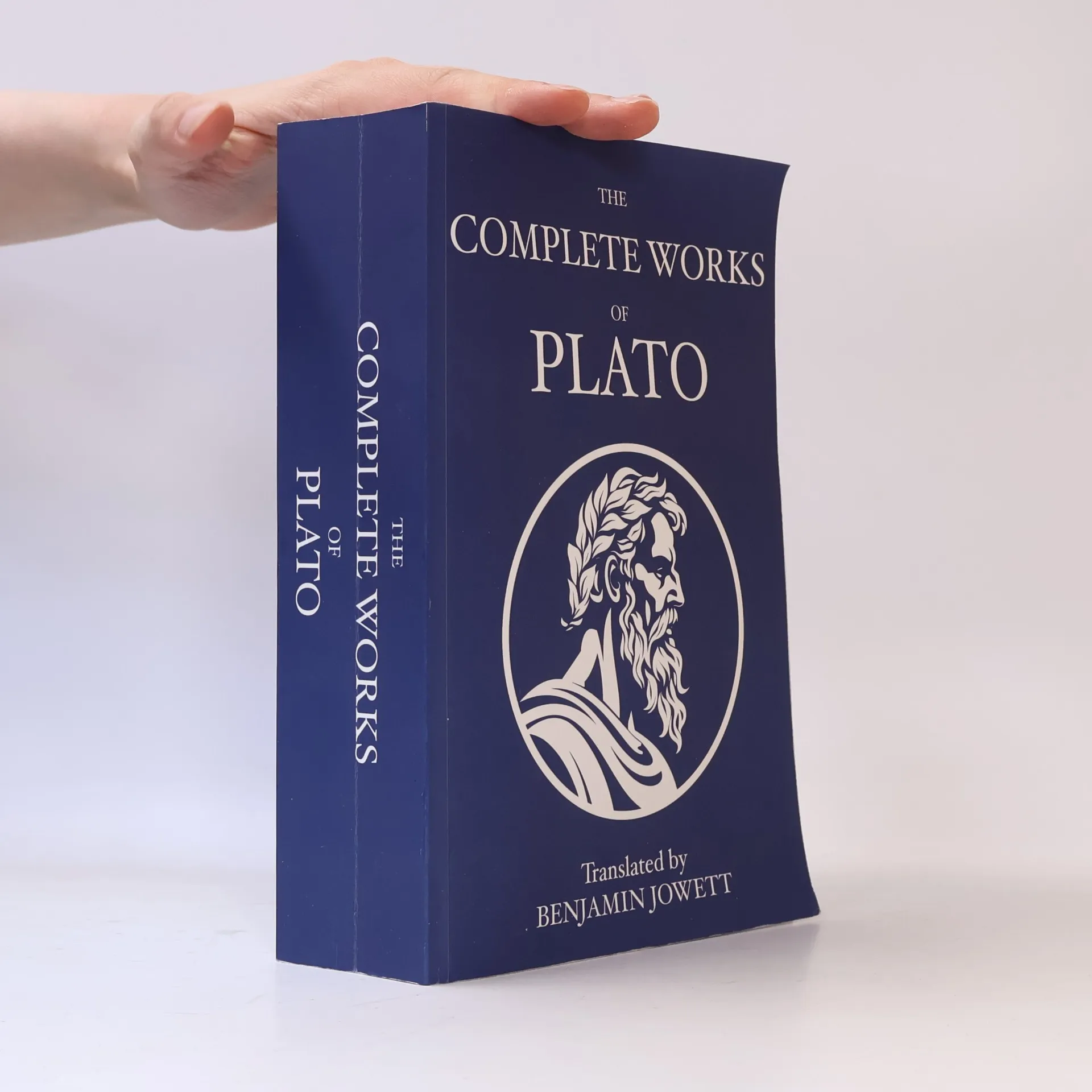
Meticulously translated by Benjamin Jowett, this comprehensive collection presents Plato's philosophical journey, spanning from early Socratic Dialogues to complex Cosmological Dialogues and the insightful Apocryphal Dialogues. Jowett's translation captures Plato's unique style and profound ideas, making ancient philosophy accessible to contemporary readers.
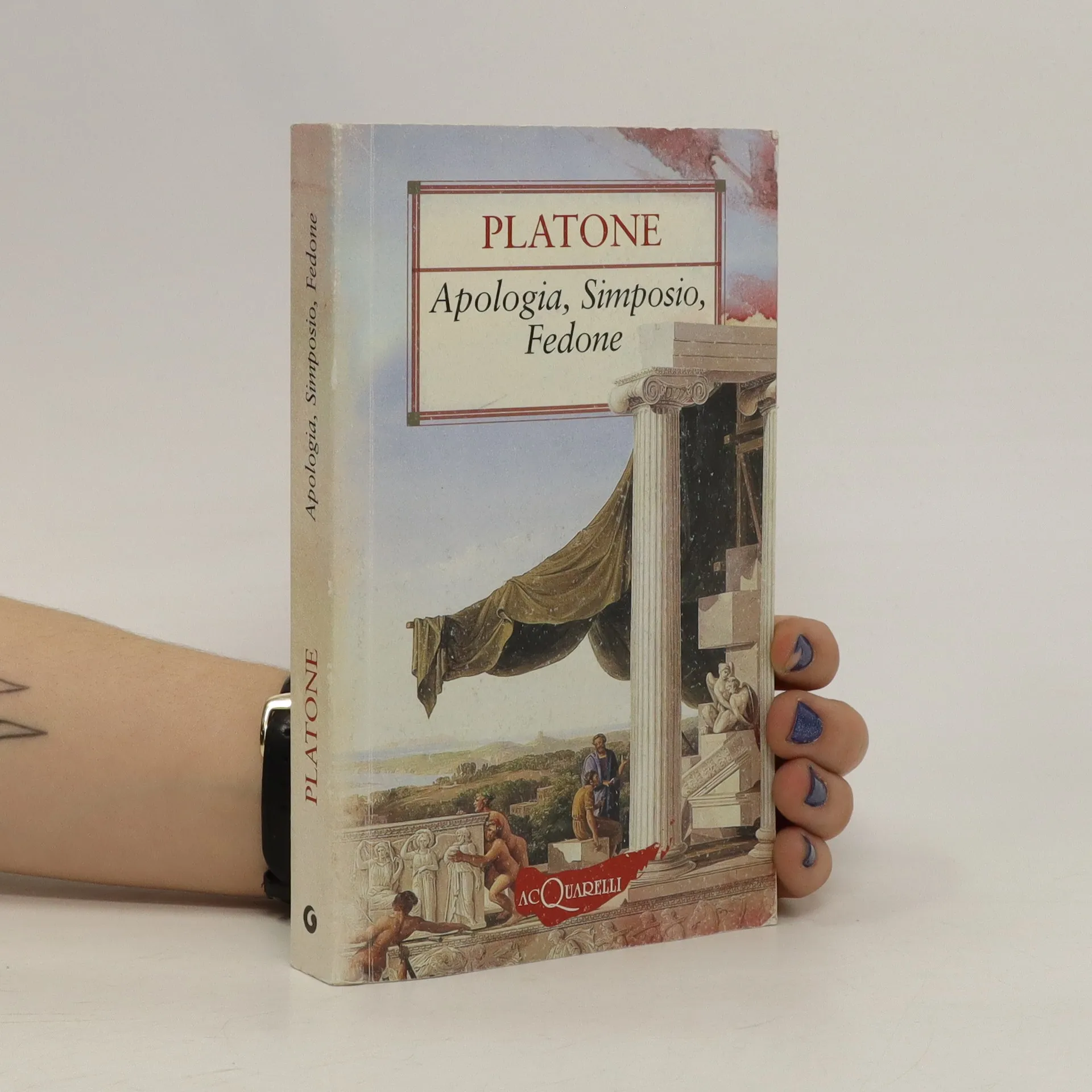
Platone è uno dei filosofi più influenti di tutti i tempi. Insieme al suo maestro Socrate e al suo allievo Aristotele, ha posto le basi per la filosofia, la scienza e l'etica occidentali, oltre a fondare la prima accademia per l'istruzione superiore nel mondo occidentale. Socrate è una delle grandi figure della storia occidentale e il padre fondatore della sua tradizione filosofica. Nei Dialoghi di Platone emerge un ritratto affascinante di un uomo che disprezzava la ricchezza materiale e credeva soprattutto nell'apprendimento e nell'indagine. L'Apologia, il Crito e il Fedone raccontano il processo di Socrate con l'accusa di corrompere i giovani di Atene, la sua sfida al tribunale e i suoi ultimi giorni in prigione trascorsi in discussione con gli amici. Questi testi offrono un'eccellente introduzione a una figura coraggiosa e avvincente che ha pagato con la vita il diritto al libero pensiero.
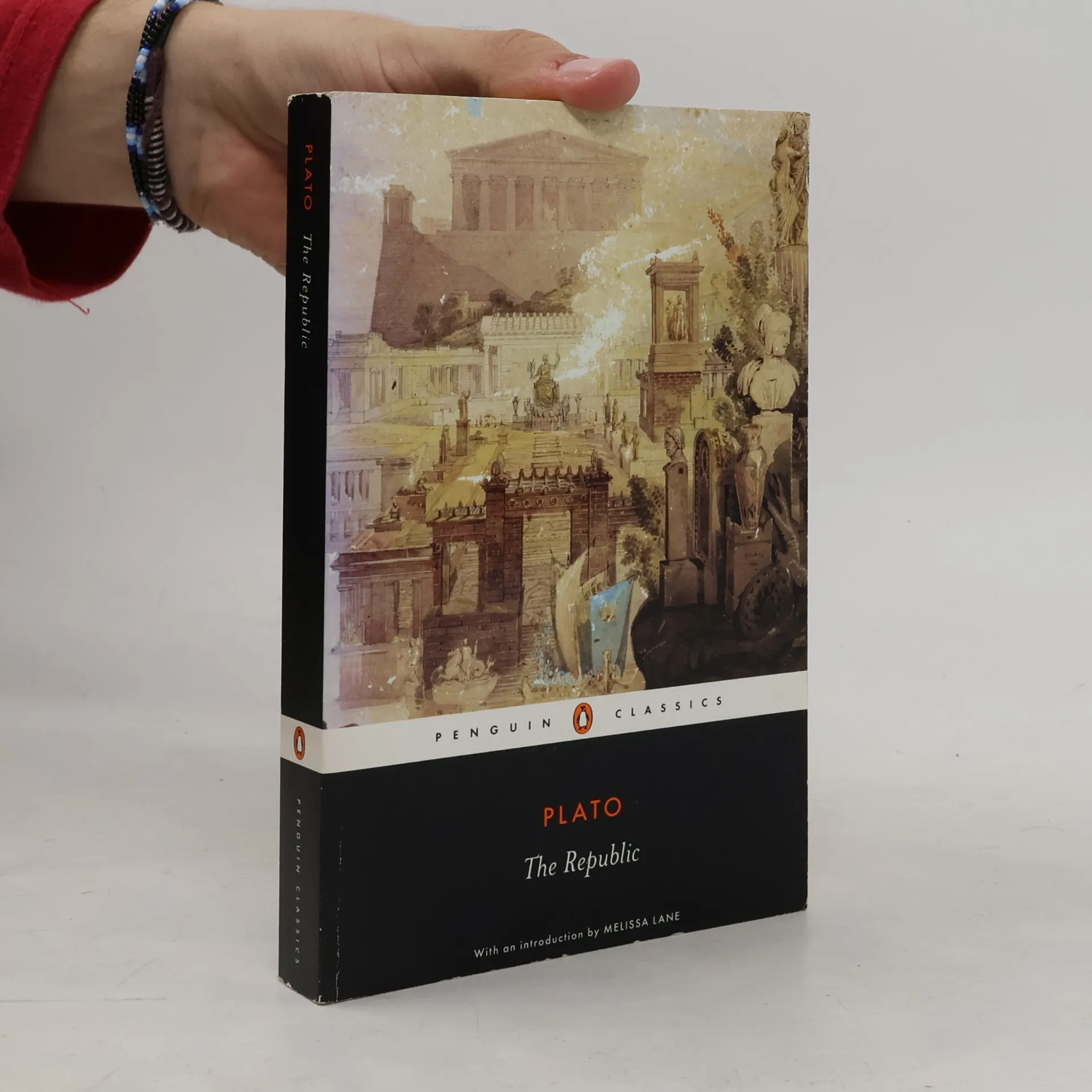
This translation of Plato's 'The Republic' is based on the assumption that he intended these dialogues to sound like conversations - although conversations of a philosophical sort.
Plato, an influential Athenian philosopher, established the Platonist school and the Academy, the first higher learning institution in the West. Renowned for his contributions to philosophy, he is a key figure alongside Socrates and Aristotle. His work laid the groundwork for Western thought and religion, with neoplatonism significantly impacting early Christian theology through figures like Augustine. His legacy continues to shape philosophical and spiritual discourse today.
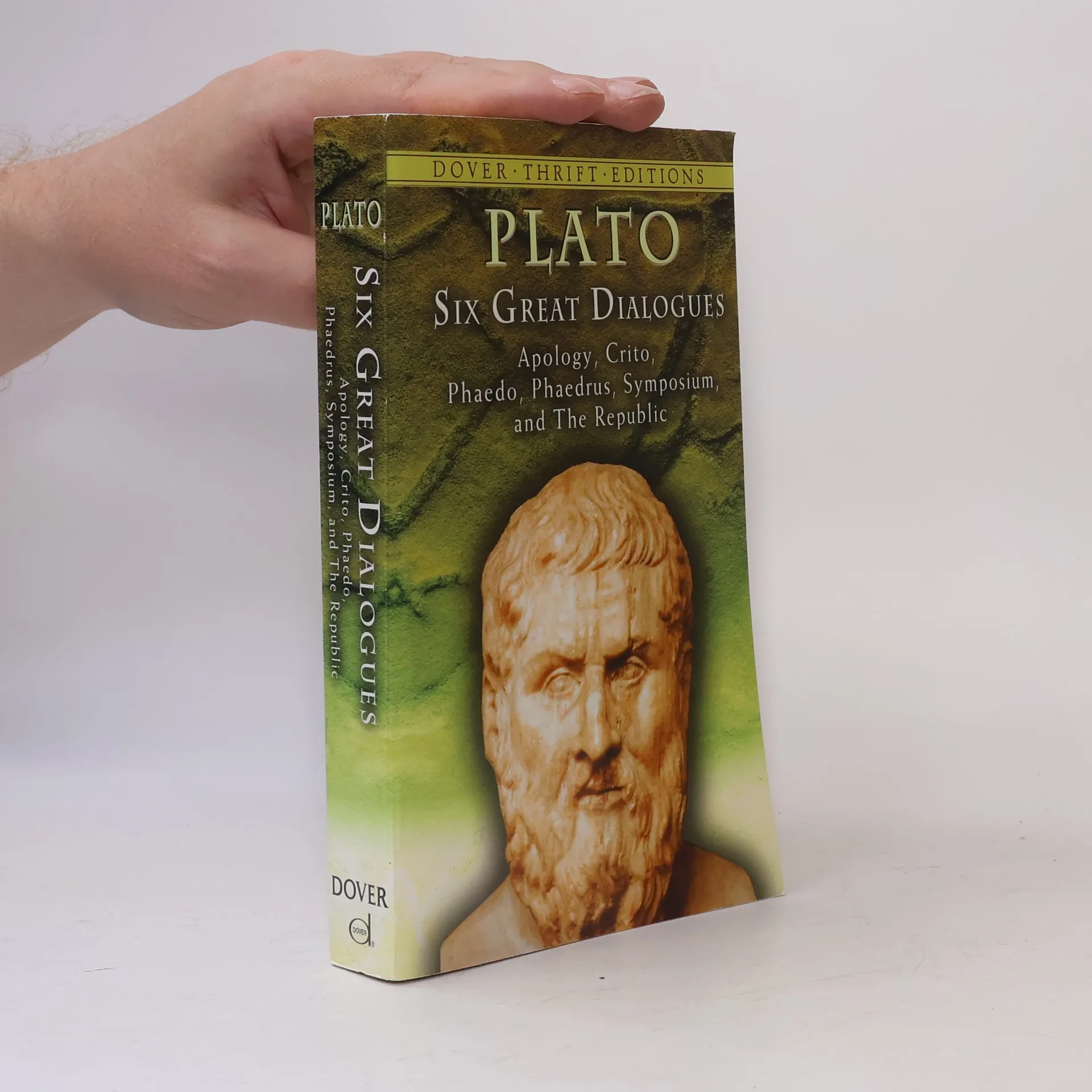
Apology, Crito, Phaedo, Phaedrus, Symposium, And The Republic
Plato's brilliant dialogues, written in the fourth century B.C., rank among Western civilization's most important philosophical works. Presented as a series of probing conversations between Socrates and his students and fellow citizens, they form a magnificent dialectical quest that examines enduring political, ethical, metaphysical, and epistemological issues. Here, in one inexpensive edition, are six of Plato's remarkable and revelatory dialogues, each translated by distinguished classical scholar Benjamin Jowett. Apology defends the integrity of Socrates' teachings. Crito discusses respect for the law. Phaedo considers death and the immortality of the soul. Phaedrus explores the psychology of love. Symposium reflects on the ultimate manifestation of the love that controls the world, and The Republic ponders society and the philosopher's role within it. Stimulating, dramatic, and always relevant, these dialogues have profoundly influenced the history of intellectual thought, and offer crucial insight into mystical, aesthetic, and other aspects of Platonic doctrine.