

This work has been selected by scholars as being culturally important and is part of the knowledge base of civilization as we know it. This work is in the public domain in the United States of America, and possibly other nations. Within the United States, you may freely copy and distribute this work, as no entity (individual or corporate) has a copyright on the body of the work. Scholars believe, and we concur, that this work is important enough to be preserved, reproduced, and made generally available to the public. To ensure a quality reading experience, this work has been proofread and republished using a format that seamlessly blends the original graphical elements with text in an easy-to-read typeface. We appreciate your support of the preservation process, and thank you for being an important part of keeping this knowledge alive and relevant.
Richard G. Hatton Ordine dei libri (cronologico)
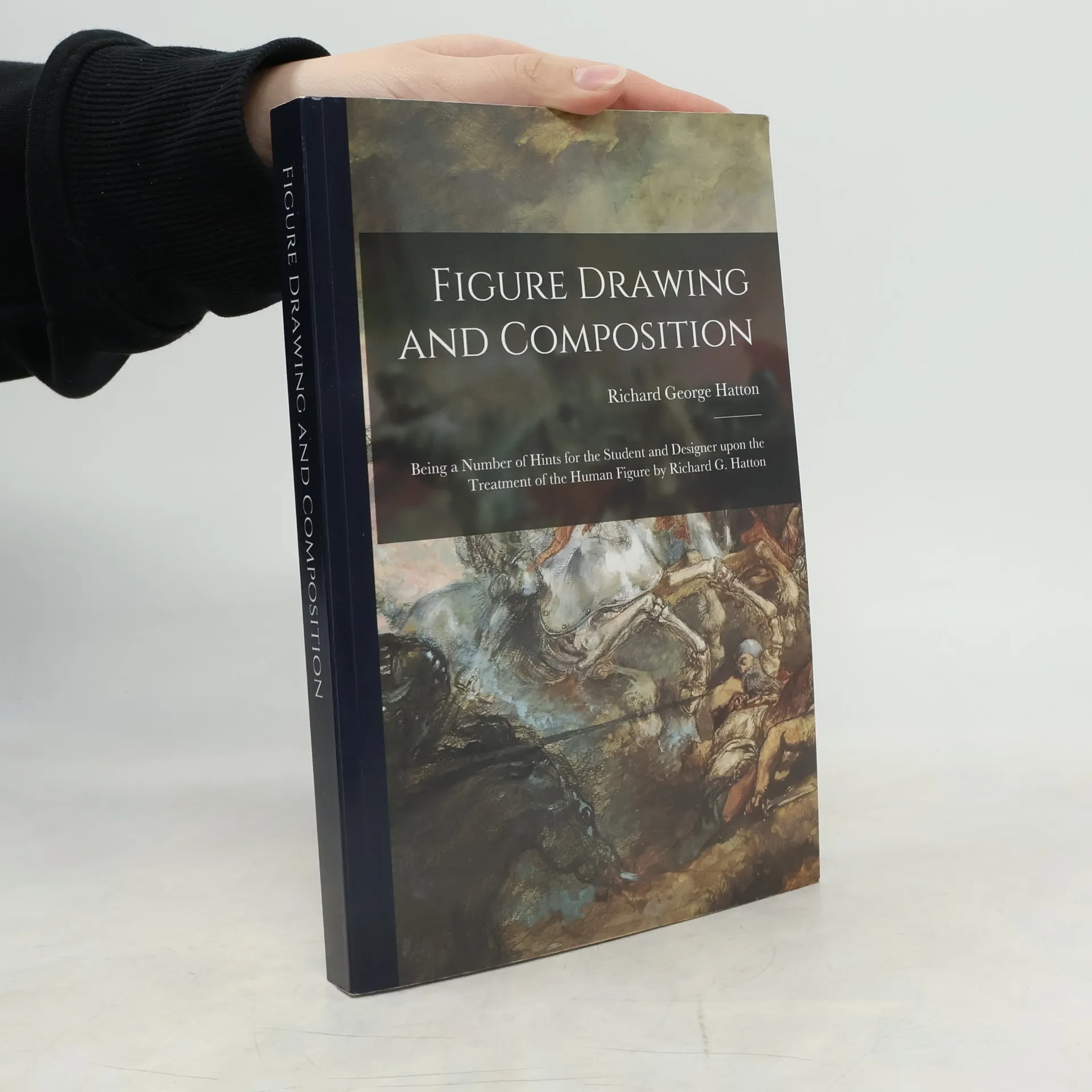
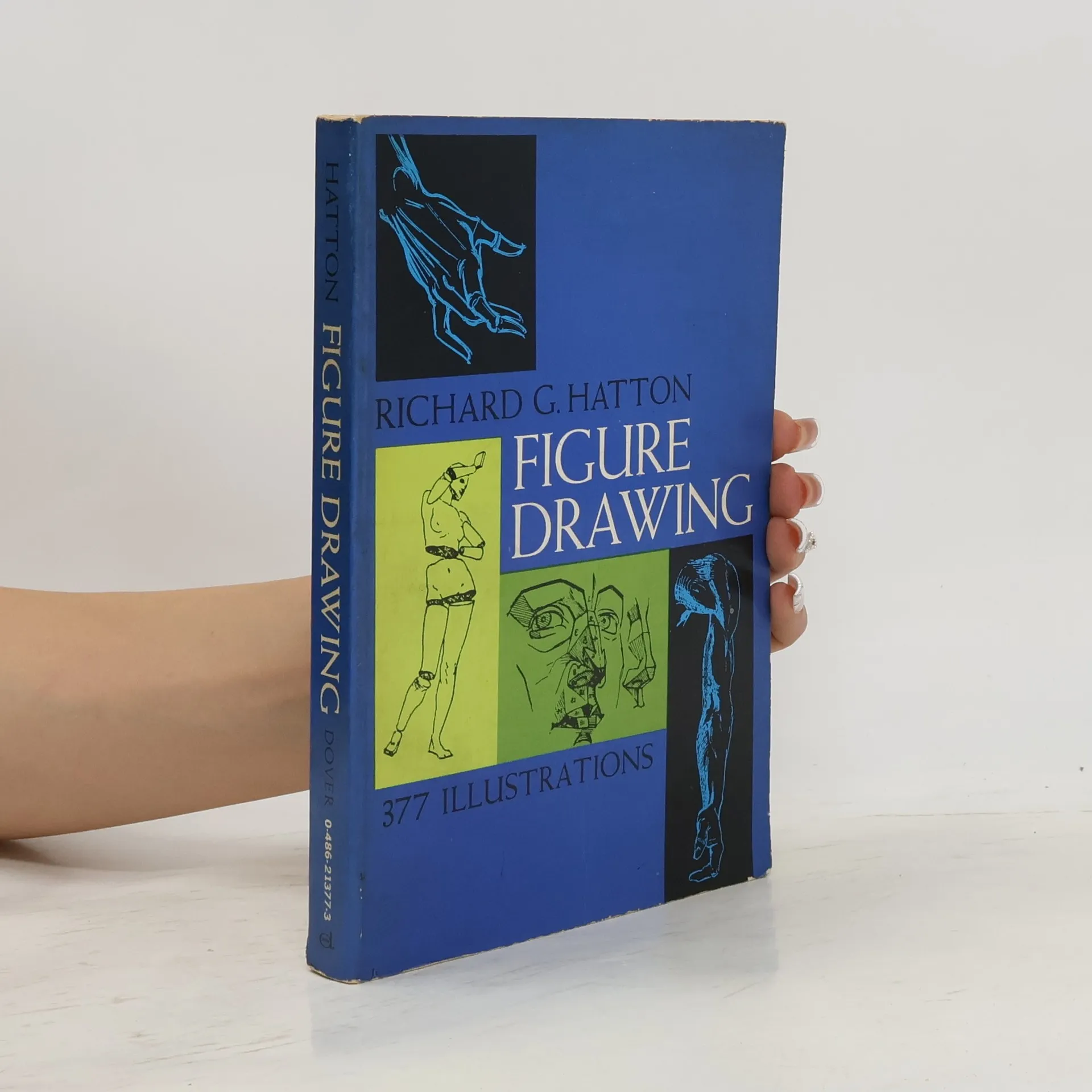
Figure Drawing
- 384pagine
- 14 ore di lettura
This study approaches figure drawing from the draftsman's perspective, making it a unique resource among anatomy texts for artists. It offers essential information on anatomical features and functions while emphasizing practical techniques for sketching the human form. The guide is structured to assist students in effectively capturing surface lines and anatomical prominences on paper. The text begins with an introduction to drawing methods and body proportions, followed by detailed examinations of the head and neck (over 100 pages on facial features), trunk (including the chest, abdomen, and pelvis), and limbs. It concludes with a discussion on drapery, addressing body support points and styles for rendering garment folds. Illustrated with 377 figures—mostly the author's sketches, alongside examples from classical art—these visuals depict undraped individuals in various poses and angles, ensuring comprehensive coverage for students. Additional drawings identify muscles and skeletal elements, clarifying their relationship to surface contours. This clear, accessible account provides valuable sketching techniques, serving as a nontechnical, affordable resource for beginner artists. It is particularly beneficial for those who find traditional anatomy courses less helpful. The text is an unabridged republication of the original edition.