

Part one: Points of departure. Memories; Three notes on method; Setting out, with Jerome -- Part two: Paphos. Poetry and place; Curating earthquakes; Life in ruins -- Part three: The mountain. Geographies of the remote; Entropic gardens; Literary cartographies -- Part four: Coda. An ocean of possibility.
Virginia Burrus Ordine dei libri (cronologico)
Virginia Burrus concentra la sua ricerca sul cristianesimo antico, esplorando temi di genere, sessualità e corpo, accanto al martirio e all'ascetismo. La sua ricerca approfondisce romanzi e agiografie antiche, così come le costruzioni di ortodossia ed eresia, e le teologie storiche. In qualità di professoressa di religione presso la Syracuse University, Burrus porta una vasta esperienza nel suo esame della storia e del pensiero del primo cristianesimo.

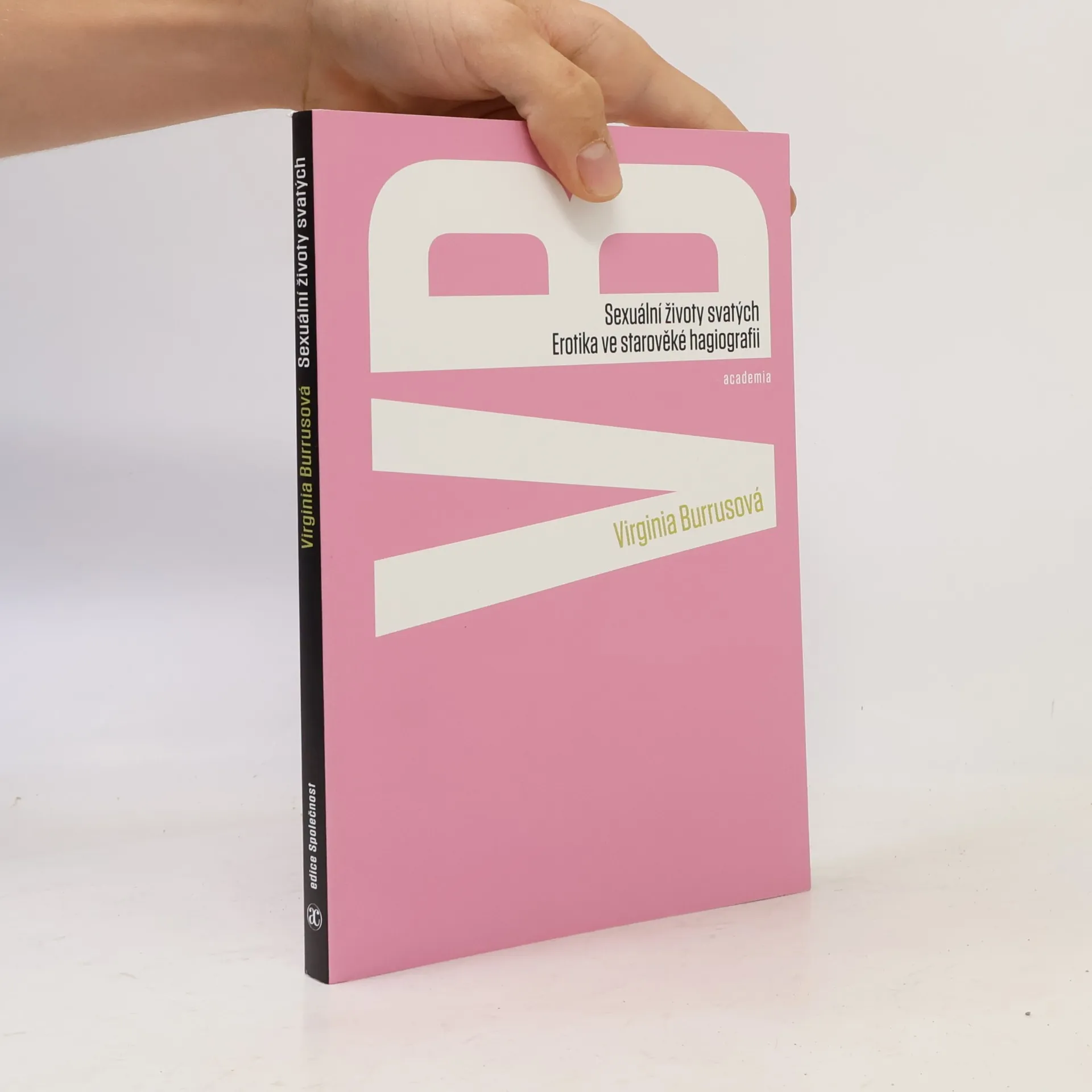

Sexuální životy svatých. Erotika ve starověké hagiografii.
- 204pagine
- 8 ore di lettura
Působivá série interpretací raně křesťanských legend potěší, ohromí a překvapí každého zájemce o erotismus svatých. Autorka se distancuje od tradičního výkladu životopisů starověkých světců jako něčeho antierotického nebo neerotického a odhaluje v nich vzkvétající ars erotica. Aniž by redukovaly erotiku starověké hagiografie na jediný vzorec, vytvářejí Sexuální životy svatých rámec pro širší historické, teologické a teoretické úvahy se zvláštním odkazem na dílo Michela Foucaulta, Georgese Batailla, Davida Halperina, Geoffreyho Harphama, Lea Bersaniho a Jeana Baudrillarda. Queer, S/M a postkoloniální teorie patří mezi současné diskursy, jež fascinujícím způsobem rezonují se starověkým uměním „svaté“ lásky, která si podle Burrusové dodnes udržela slibnou mobilitu, rozmanitost a časovou neohraničenost.