

Slavná mexická umělkyně Frida Kahlo (1907-1954) je jedna z mála latinskoamerických malířek, kterým se podařilo dobýt mezinárodní věhlas. Byla dcerou německého imigranta a Mexičanky indiánského původu. Její život a dílo jsou protkány více než u kteréhokoli jiného umělce a zásadní význam měly v jejím životě dvě události. V osmnácti letech se po nehodě autobusu strávila s vážným úrazem rok v nemocnici, kde se poprvé pokusila malovat. V jednadvaceti letech se provdala za světoznámého mexického umělce Diega Riveru. Následky úrazu trpěla celý život a obzvláště těžce nesla, že nemůže mít děti.
Andrea Kettenmann Ordine dei libri (cronologico)
1 gennaio 1959
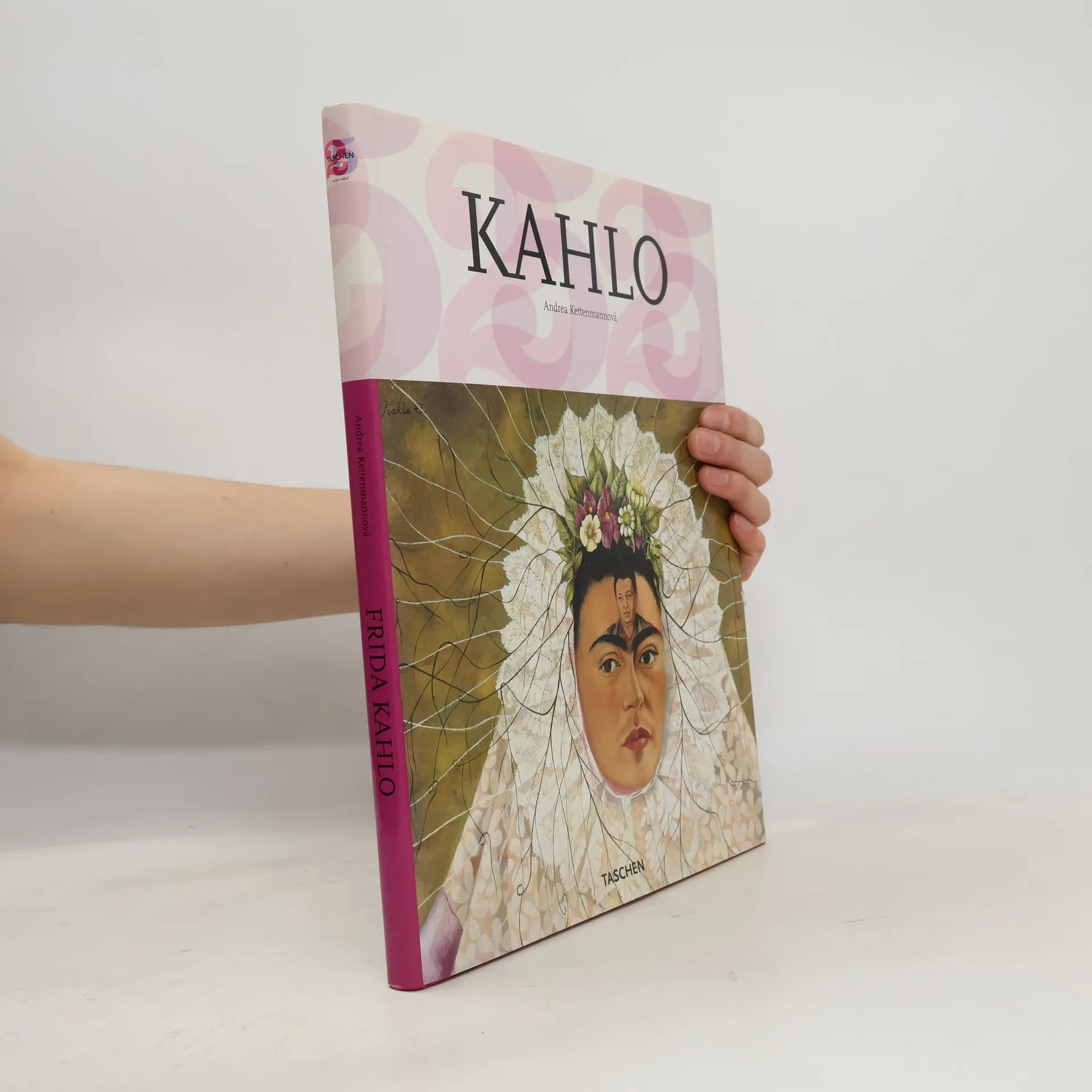
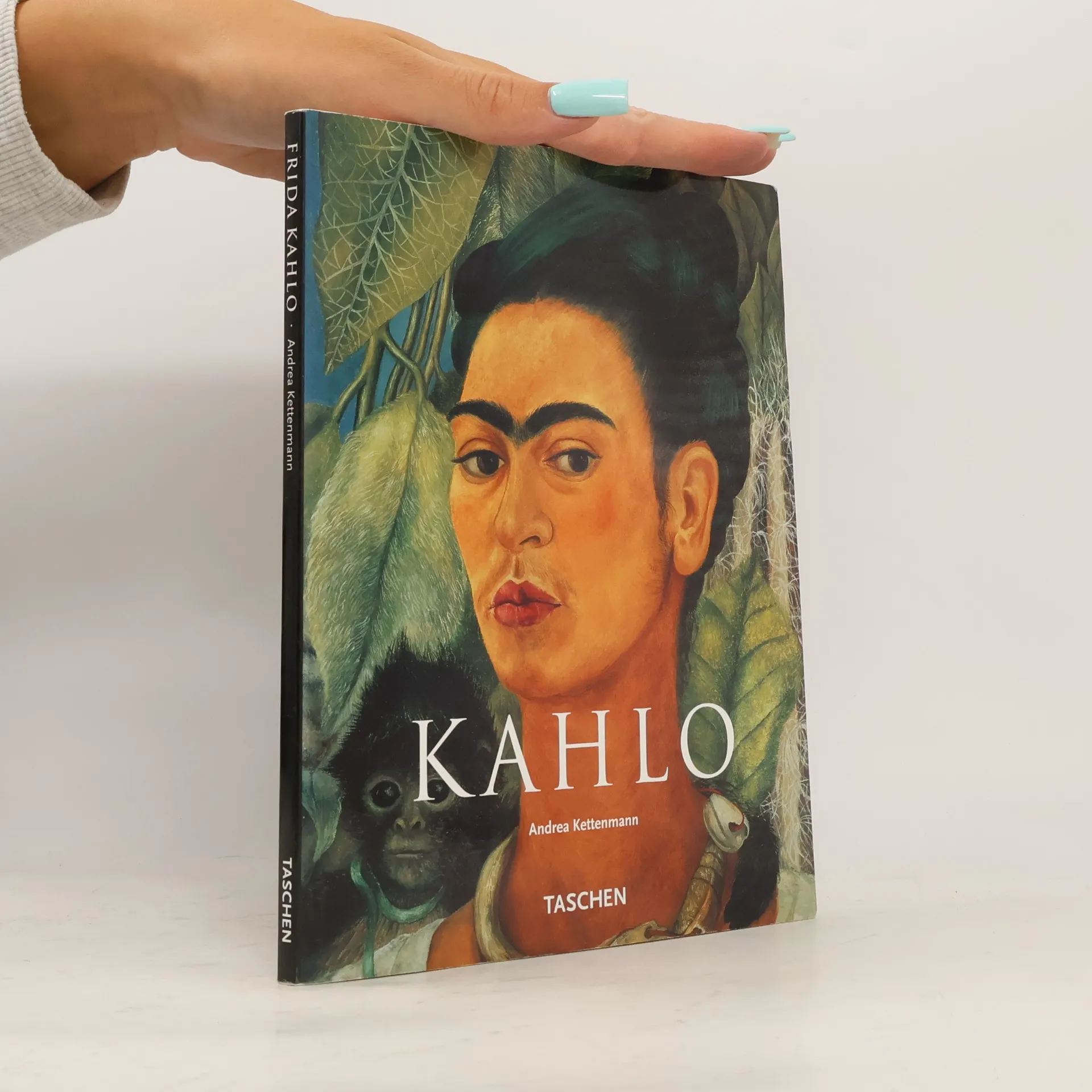
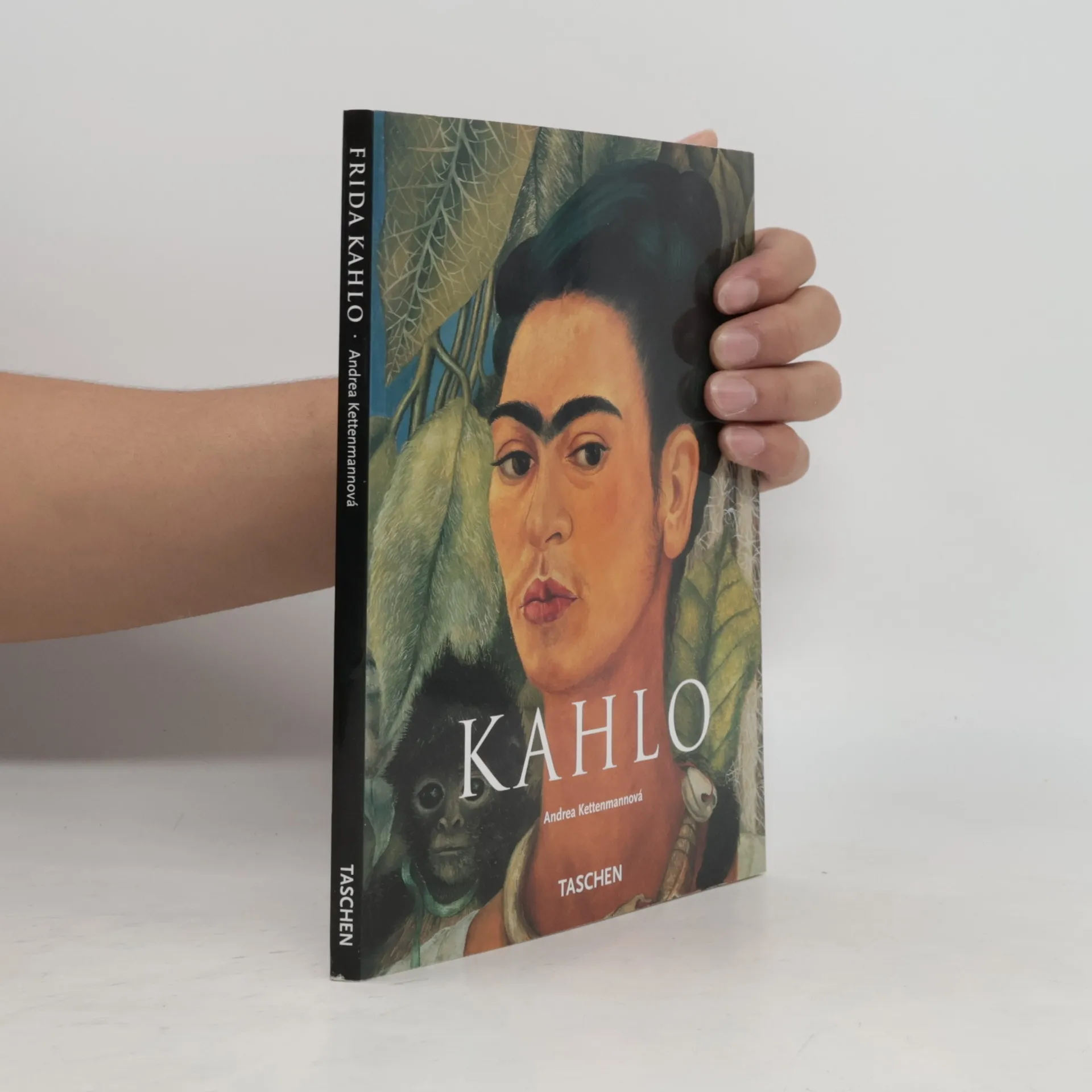
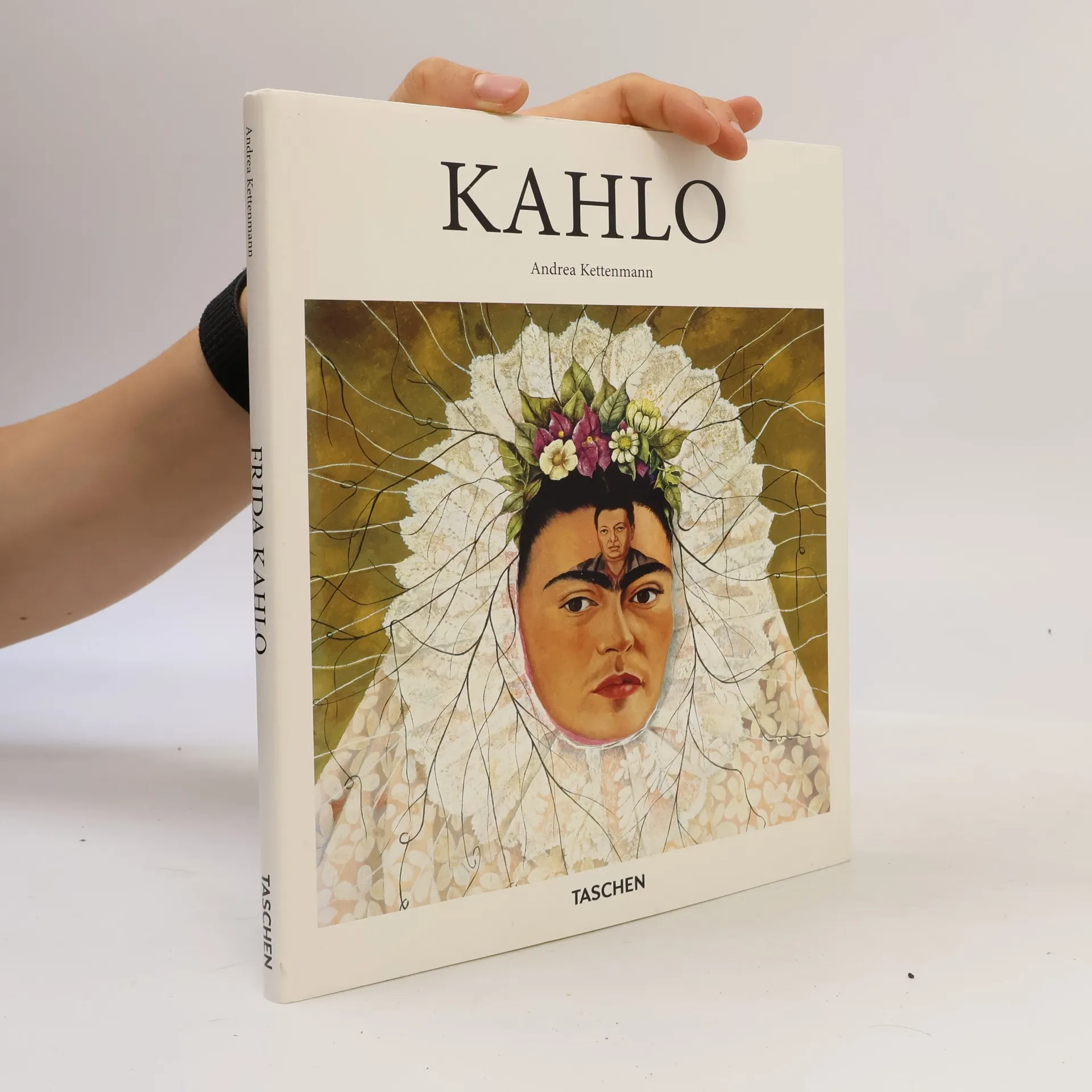

Frida Kahlo 1907-1954
- 96pagine
- 4 ore di lettura
Frida Kahlo mala život rovnako pestrý a drsný ako sú jej obrazy. Odráža sa v nich všetko – tragická nehoda v mladosti, ktorá z nej urobila celoživotného invalida, kubizmus maliarskych začiatkov i naivné umenie v kombinácí so surealizmom vyzretejšieho obdobia. Nezanedbateľný je aj vplyv jej manžela maliara Diega Riveru a génov, ktoré jej predala kreolská matka a otec – maďarský Nemec židovského pôvodu. Počas svojho života namaľovala Frida Kahlo približne 200 obrazov – najlepšie z nich predstavuje táto publikácia.
Frida Kahlo 1907-1954 : Leid und Leidenschaft
- 96pagine
- 4 ore di lettura
Diego Rivera
- 95pagine
- 4 ore di lettura
Diego Rivera (1886–1957) è una figura vibrante e carismatica nella storia dell'arte. La sua vita è stata segnata da lotte politiche e relazioni tumultuose; fu marito e sostenitore di Frida Kahlo, sostenitore e critico della Soviet Union di Stalin, e liberatore e traditore per Leon Trotsky. I dipinti di Rivera – vivaci, espliciti e spesso monumentali – emanano la stessa passione politica e personale della sua biografia. Fondendo influenze europee come il cubismo, un'ideologia socialista e la folclore messicana, creò per il suo paese un linguaggio visivo completamente nuovo, unico nella storia dell'arte. Divenne uno dei principali esponenti del muralismo messicano, ricevendo riconoscimenti internazionali per i suoi murales pubblici, in cui presentava una visione utopica ma accessibile di un Messico post-rivoluzionario. Questo libro esplora la singolare miscela di influenze stilistiche e ideologiche che resero Rivera così unico, affrontando temi come la rivoluzione e l'ingiustizia sociale, che risuonano ancora oggi.
Frida Kahlo 1907-1954: Pain and Passion
- 96pagine
- 4 ore di lettura
Die faszinierenden Bilder von Frida Kahlo (1907-1954) waren in vielerlei Hinsicht Ausdruck ihrer Traumata. Ein fast tödlicher Unfall mit 18, gesundheitliche Probleme, eine turbulente Ehe, Fehlgeburten und Kinderlosigkeit: Die Malerin verwandelte ihre persönlichen Schicksalsschläge in revolutionäre Kunst . In ihren Selbstporträts blickt Kahlo den Betrachter mutig und herausfordernd an. Sie lehnte es ab, die Rolle des passiven Opfers einzunehmen, und verarbeitete stattdessen ihre Erfahrungen zu einer hybriden surreal-realen Sprache des Lebens , bestehend aus Haaren, Wurzeln, Adern, Ranken, Tentakeln und Eileitern. Viele ihrer Werke befassen sich auch mit den politischen Idealen des Kommunismus , die Kahlo mit ihrem Mann Diego Rivera teilte. Die Künstlerin beschreibt ihre Bilder selbst als „ das ehrlichste und wahrhaftigste, das ich tun konnte, um auszudrücken, was ich innerlich und äußerlich fühlte “. Dieser Band präsentiert eine Auswahl an Kahlos Werken und untersucht ihre Bedeutung als Malerin, feministische Ikone und Vertreterin der Kultur Lateinamerikas.