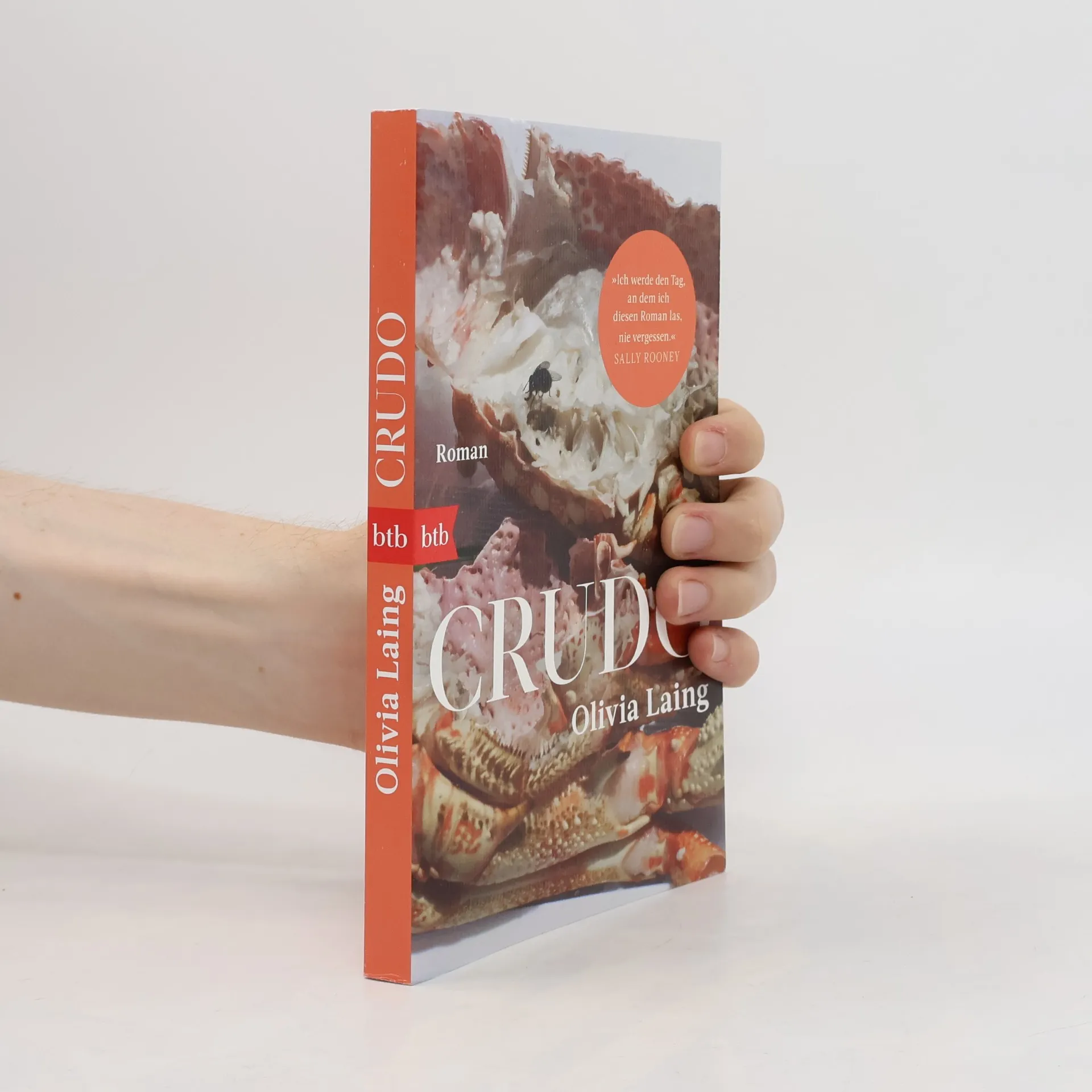
Crudo: Roman
- 160pagine
- 6 ore di lettura


Olivia Laing è una scrittrice e critica il cui lavoro approfondisce le intricate connessioni tra arte, vita e psiche umana. I suoi libri esplorano temi di solitudine attraverso la lente dell'arte, il rapporto tra creatività e avversità e la vulnerabilità insita nell'esperienza umana. La scrittura di Laing è caratterizzata da una profondità analitica unita a una prosa lirica, offrendo ai lettori profonde intuizioni sulla condizione umana e rendendo il suo lavoro stimolante e splendidamente strutturato.


Roman | »Eine der ganz großen Stimmen unserer Zeit.« Daniel Schreiber | Eine hypnotische queere Liebesgeschichte | Die glamouröse Welt des Kinos im Italien der 70er-Jahre
Zwei Männer begegnen sich in Venedig. Der eine ist ein junger englischer Künstler, der mittellos aus London geflohen ist. Der andere ist der visionäre Danilo Donati, Kostüm- und Szenenbildner von Pasolini und Fellini, der Magier des italienischen Kinos. Die beiden trifft ihr Begehren unmittelbar, sie reisen nach Rom, geben sich der berauschenden Traumwelt der Cinecittà hin und tauchen zwischen Leichtigkeit und Fantasie. Doch in den politisch angespannten Bleiernen Jahre Italiens führen exzessives Leben, Arbeiten und Lieben in ein zunehmend bedrohliches Labyrinth, in dem höhere Mächte erschreckend brutal agieren. Vor der verführerischen Kulisse Italiens ist Buch der Träume ein Rausch, eine zärtliche Verführung und ein bezwingend schön erzählter Roman über Macht und Illusion, Einsamkeit und kompromissloses Begehren.
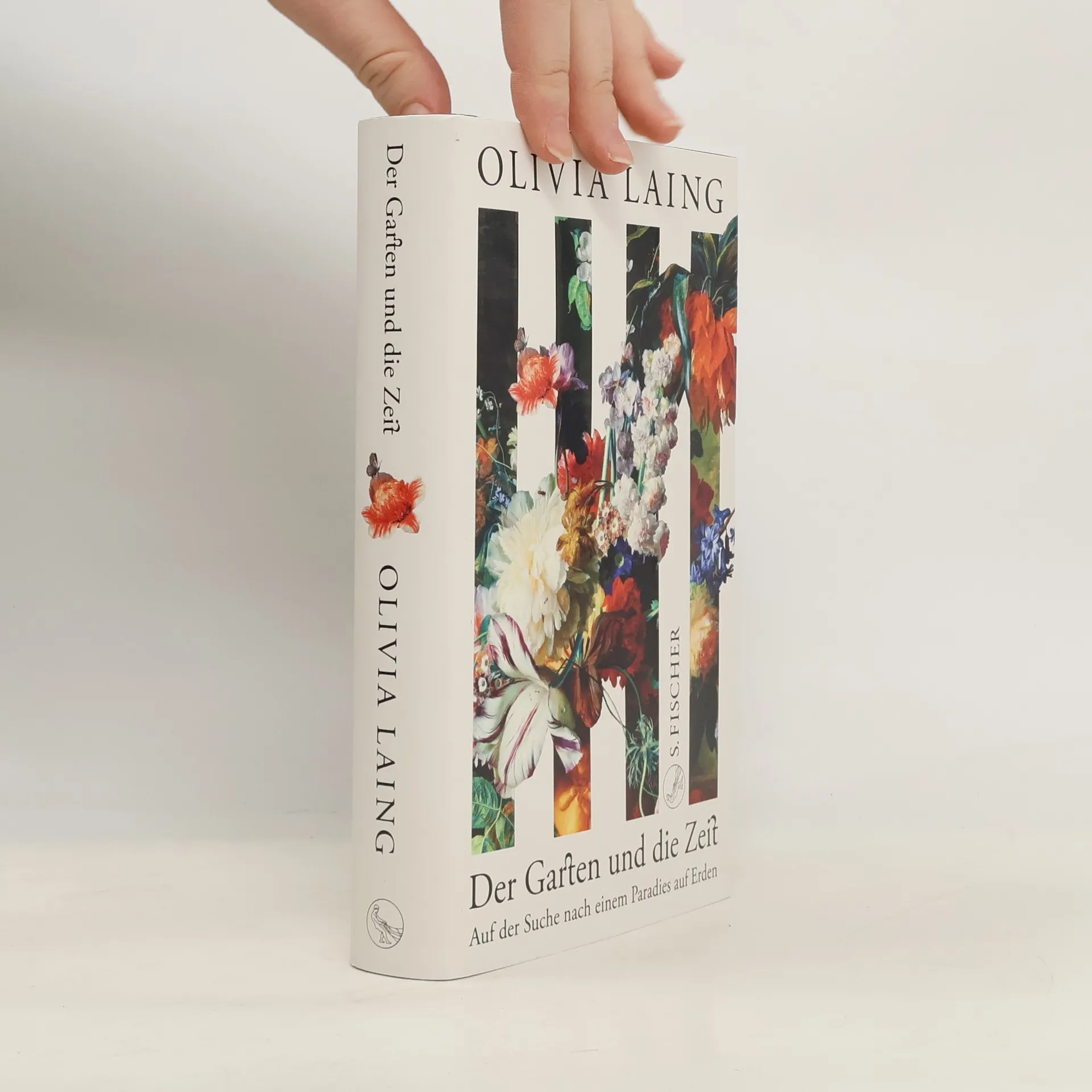
Ein überwuchertes Eden voller ungewöhnlicher Pflanzen und Geheimnisse: Im Jahr 2020 beginnt Olivia Laing, eine der renommiertesten literarischen Stimmen Englands, mit der Restaurierung eines verwunschenen Gartens in Suffolk. In der Erkundung von Sehnsucht und Vergänglichkeit erzählt Laing vom Werden eines Paradieses, bewegt sich zwischen realen und imaginären Gärten der Kulturgeschichte, hinterfragt die manchmal schockierenden Kosten für die Schaffung eines Ideals und macht den Garten als einen explosiven Ort der Rebellion und gemeinschaftlicher Träume aus. Nicht nur unwahrscheinliche queere Utopien und konkrete Visionen eines idealen Zusammenlebens erzählen davon, dass inmitten von Blumenbeeten schon immer neue Lebensformen ausprobiert wurden. Eine berauschende, überbordende Hommage an die Vielfalt des Gartens und die tief verwurzelten Möglichkeiten, die in ihm verborgen liegen. »Dieses Buch ist reine Magie. Eine der ganz großen intellektuellen Stimmen unserer Zeit.« Daniel Schreiber
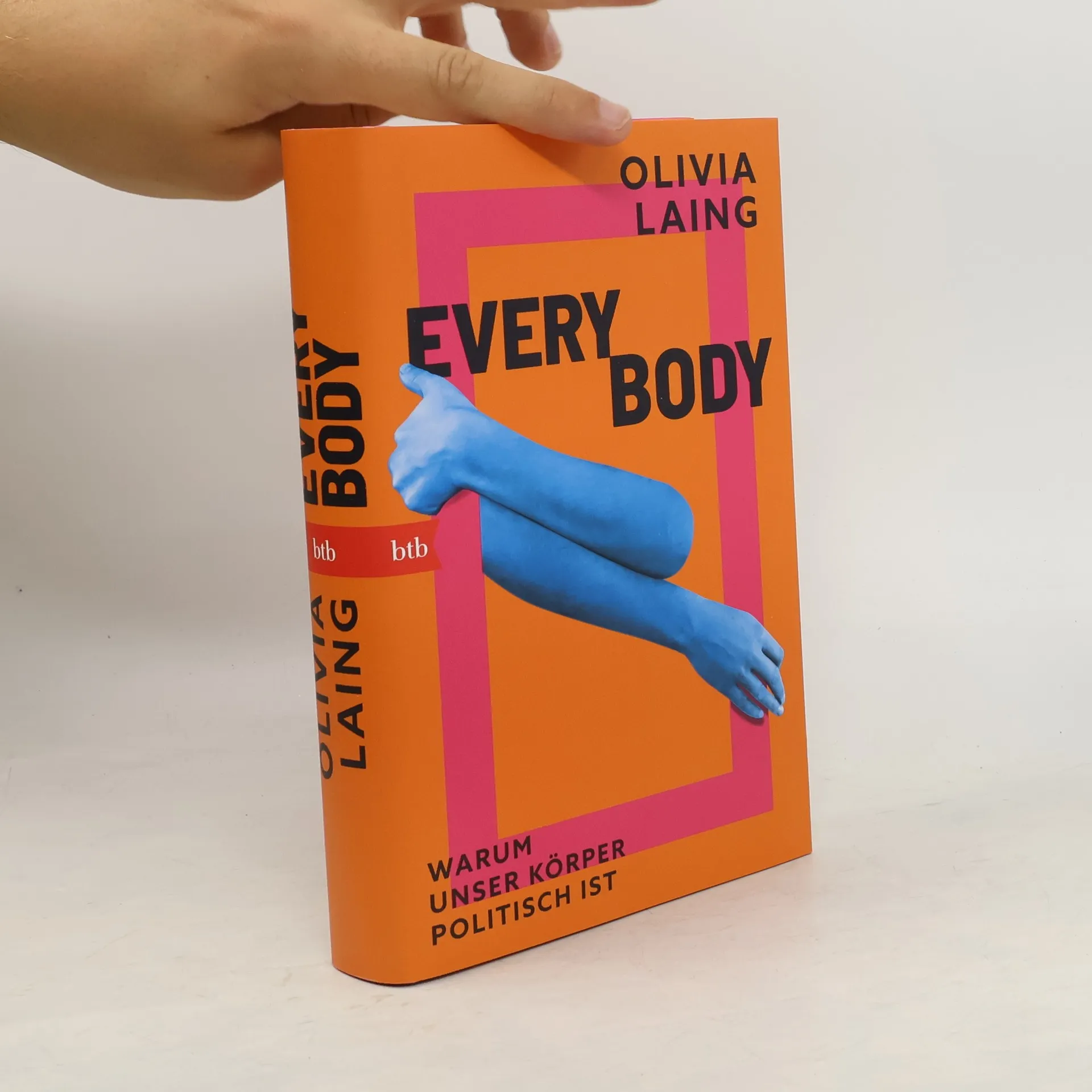
Olivia Laing untersucht in ihrem Werk die politischen Dimensionen des Körpers und dessen Rolle in Protestbewegungen des 20. Jahrhunderts. Sie beleuchtet Themen wie sexuelle Befreiung, Feminismus und globale Gesundheitskrisen und zieht Verbindungen zu bedeutenden Persönlichkeiten und eigenen Erfahrungen.
The Garden Against Time is the No.1 Sunday Times bestseller from acclaimed writer Olivia Laing; a passionate, epic exploration of the power and possibilities of gardens. 'What a wonderful book this is' - Nigel Slater When Olivia Laing began to restore a walled garden in Suffolk, an overgrown Eden of unusual plants, the work drew them into an exhilarating investigation of paradise and its long association with gardens. Moving between the real and the imagined, from Milton's Paradise Lost to a wartime sanctuary in Italy, to a grotesque aristocratic pleasure ground funded by slavery, Laing interrogates the sometimes shocking cost of making paradise on earth. But the story of the garden can also be a place of rebel outposts and communal dreams, from the improbable queer utopia conjured by Derek Jarman on the beach at Dungeness to the vision of a common Eden cultivated by William Morris. New modes of living can and have been attempted amidst the flower beds, experiments that could prove vital in the coming era of radical change. 'This book is what we need right now: paradise, regained' - Philip Hoare 'Every generation gets one perfect book about gardens and this is ours' - Julia Bell 'Prepare yourself to be enchanted' - Jilly Cooper 'The most magical writing' - Jeremy Lee 'I felt doubly alive after reading it' - Celia Paul 'Quite literally unputdownable' - Jinny Blom 'A book for thinking gardeners everywhere' - Mary Keen
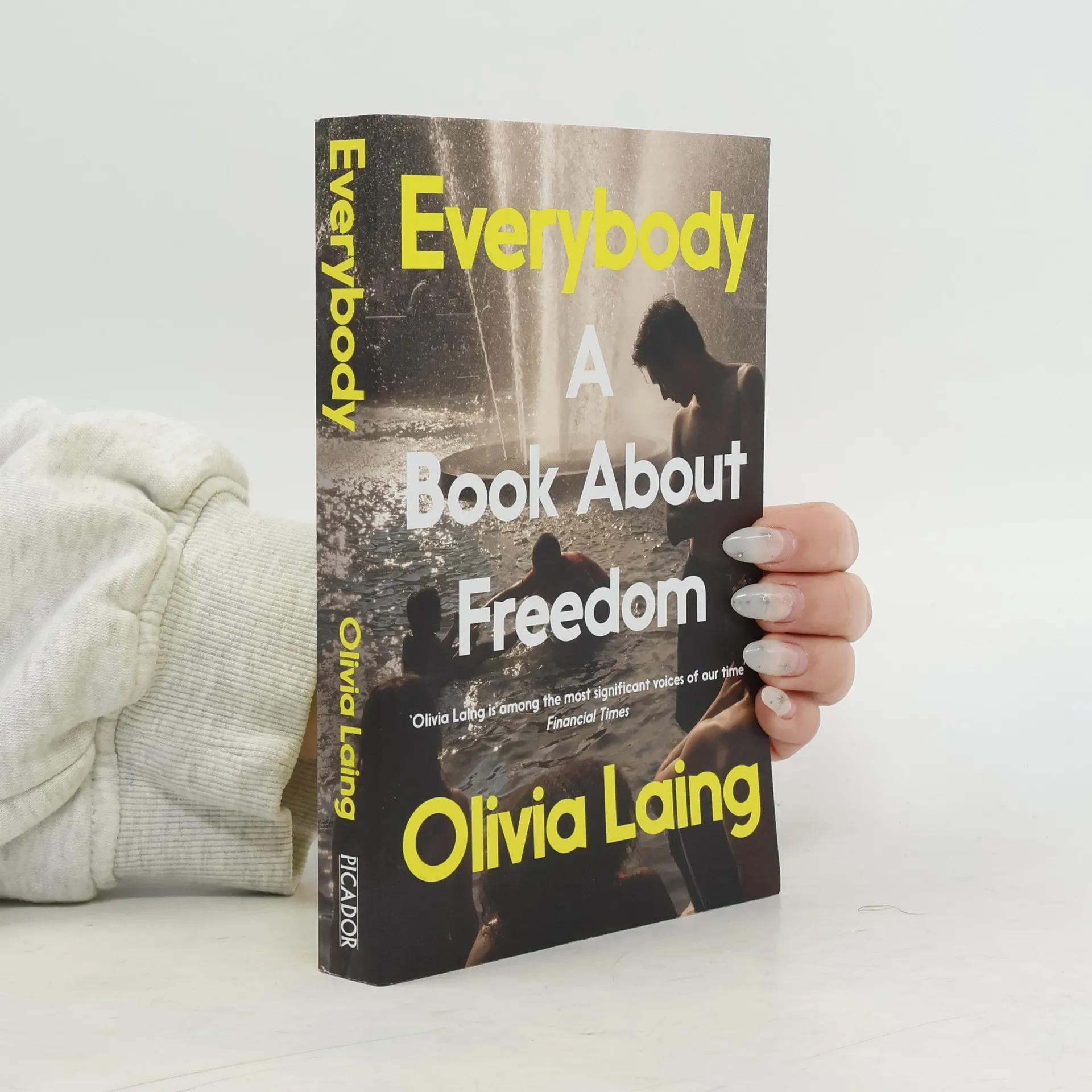
Acclaimed author Olivia Laing examines the life of renegade psychoanalyst Wilhelm Reich to chart an electrifying course through the great freedom movements of the twentieth century.
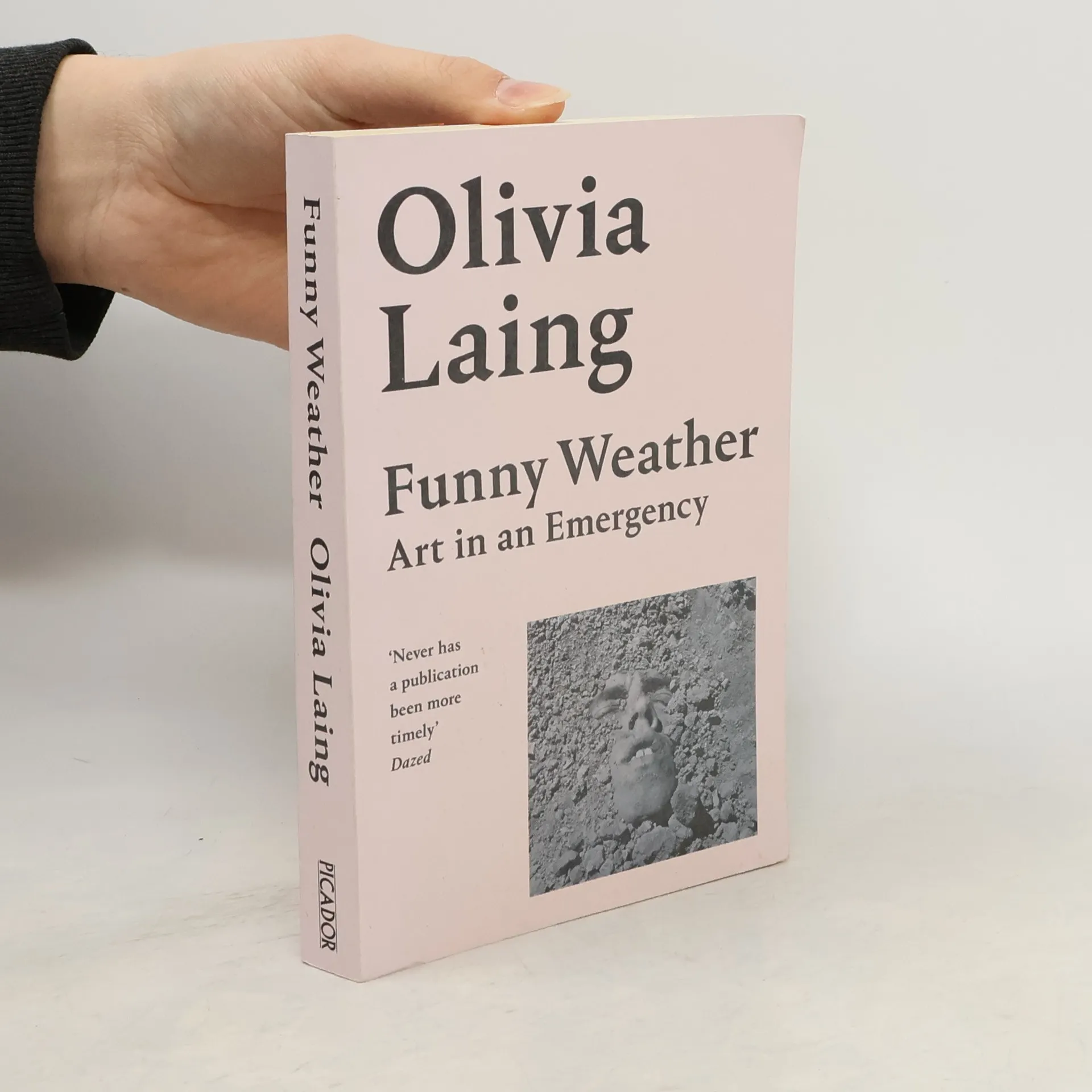
Olivia Laing, prize-winning, bestselling author of The Lonely City and Crudo, returns with a career-spanning collection of essays on the power of art in times of crisis.
A commitment-phobic writer spends the summer of 2017--the first summer of her forties--adjusting to the idea of getting married at a time when truth is dead, fascism is rising, and one rogue tweet from the president could launch a nuclear war.
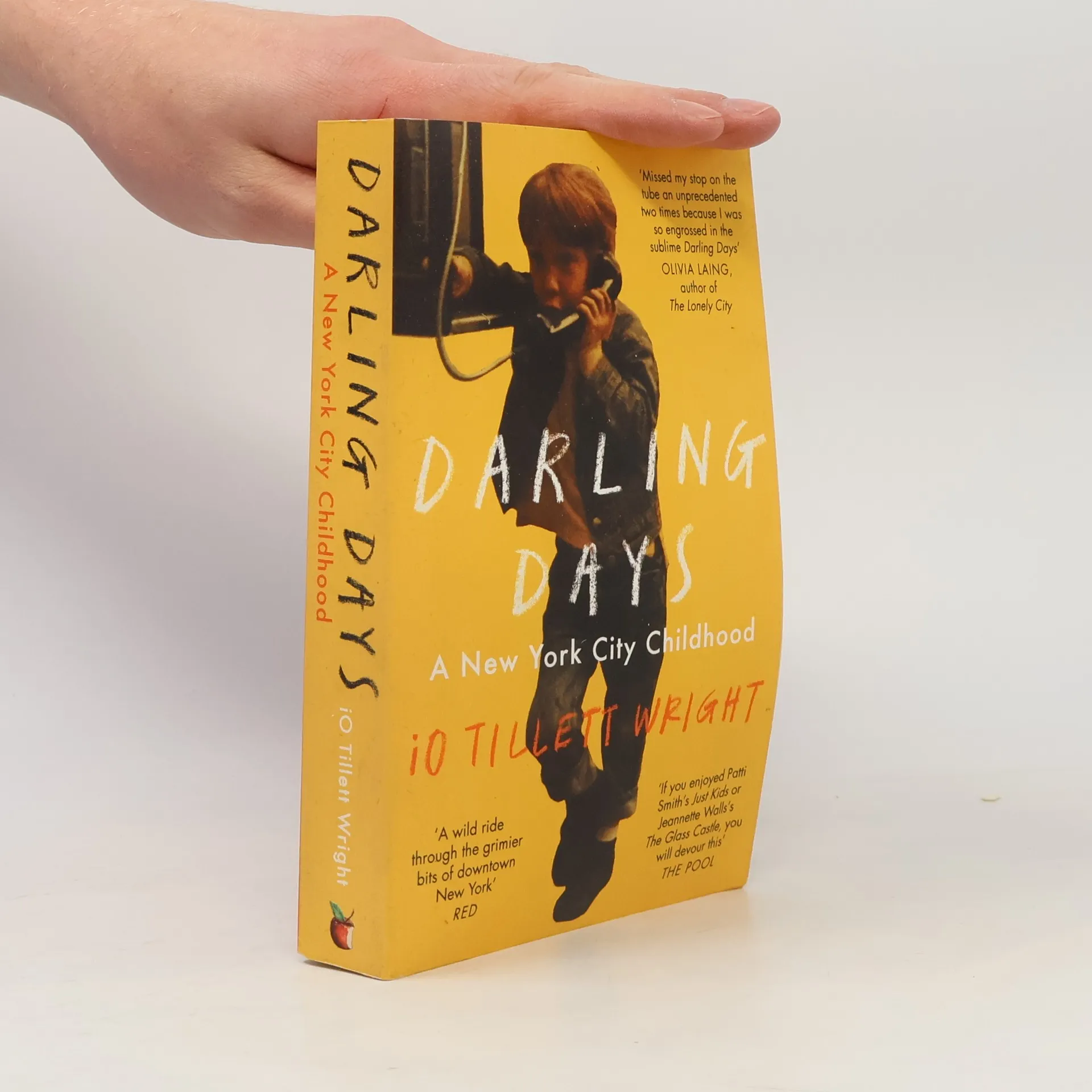
Gender-defying iO Tillett Wright mixes such a high-octane cocktail of radiant ink, wild anecdotes, bad behavior, and gritty truths -topped off with an unexpected tonic of transcendence-it could stagger Charles Dickens, electrify Maxim Gorky, and cause Jane Austen to walk around in army boots Tom Robbins
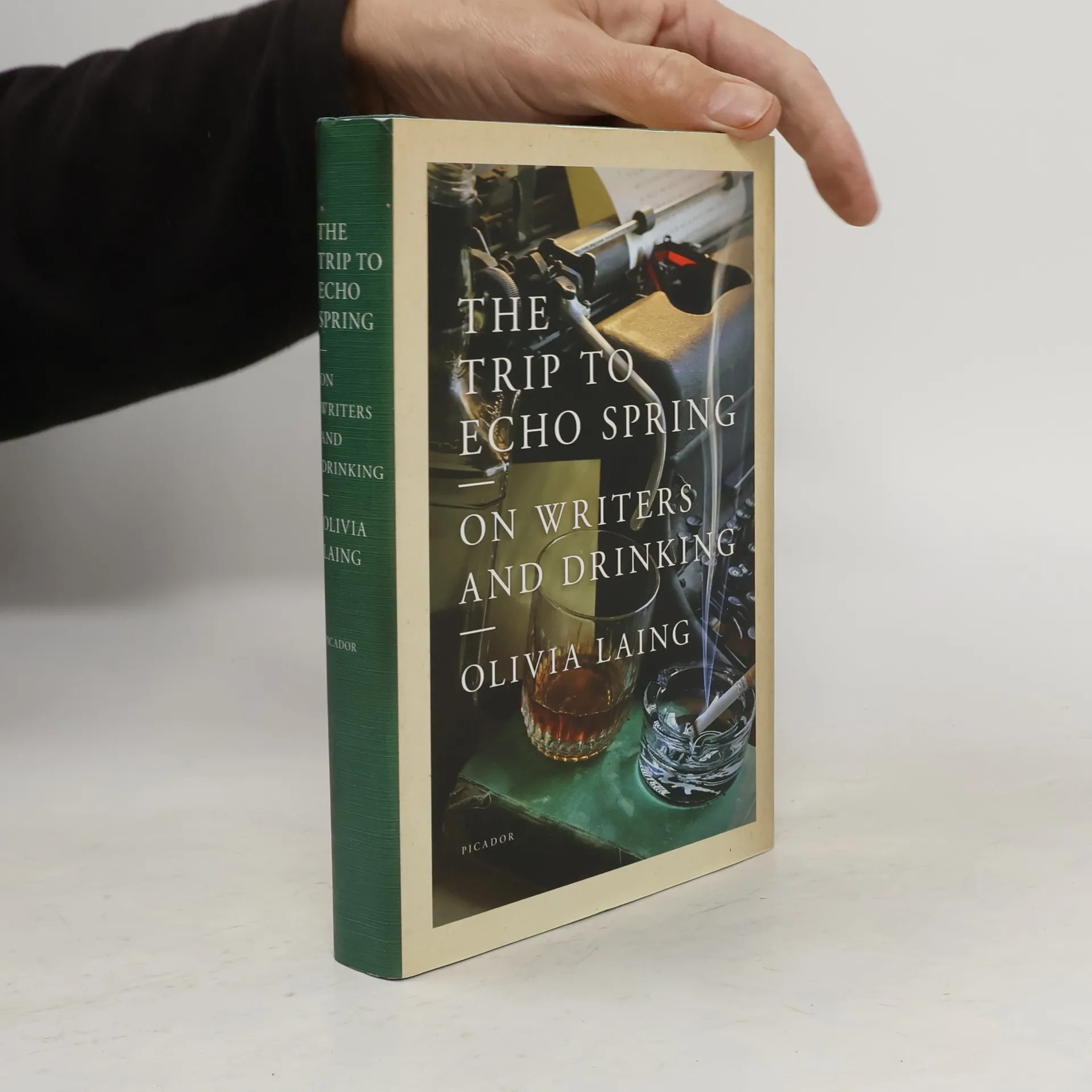
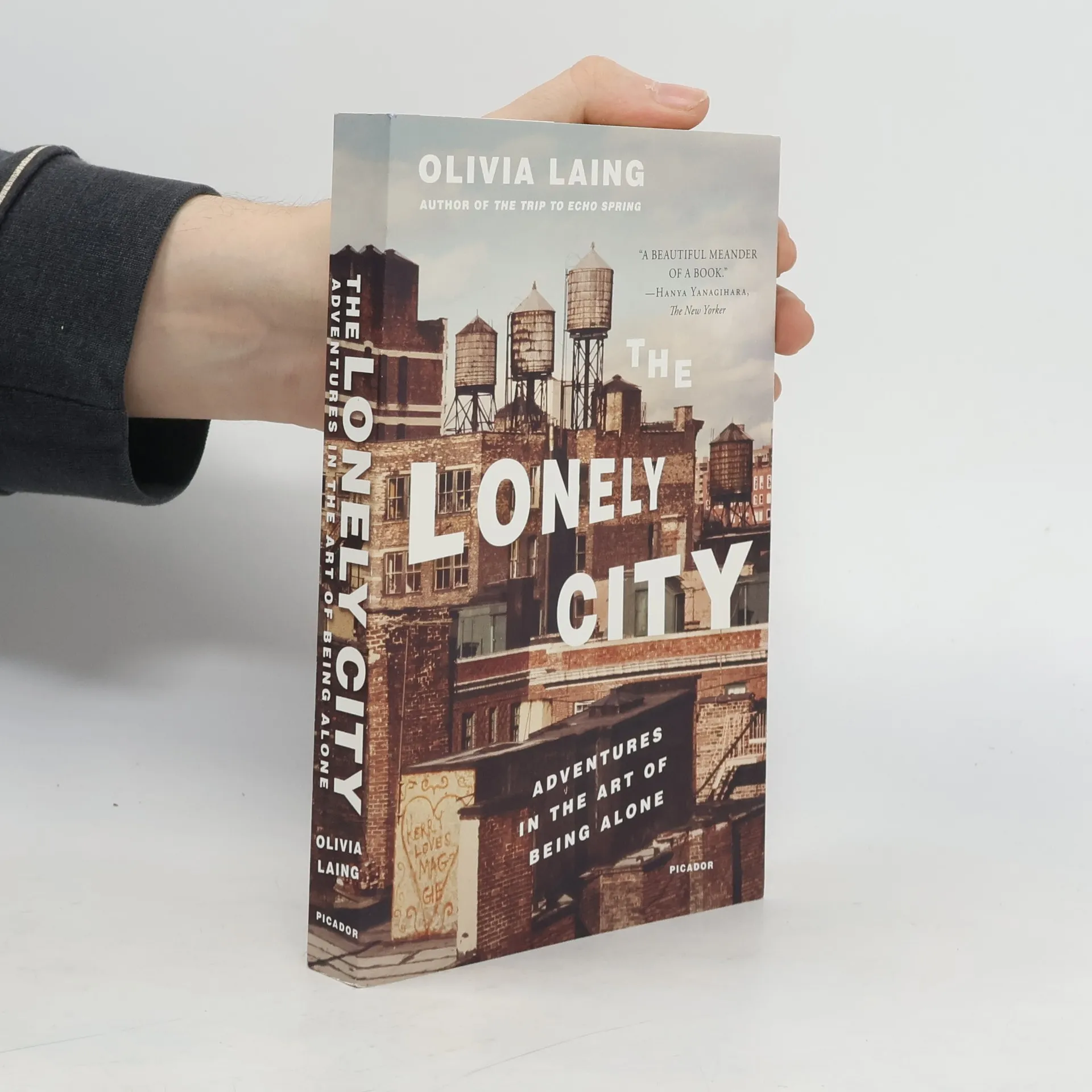
Finalist for the National Book Critics Circle Award in Criticism #1 Book of the Year from Brain Pickings Named a best book of the year by NPR, Newsweek, Slate, Pop Sugar, Marie Claire, Elle, Publishers Weekly, and Lit Hub A dazzling work of biography, memoir, and cultural criticism on the subject of loneliness, told through the lives of iconic artists, by the acclaimed author of The Trip to Echo Spring. When Olivia Laing moved to New York City in her mid-thirties, she found herself inhabiting loneliness on a daily basis. Increasingly fascinated by the most shameful of experiences, she began to explore the lonely city by way of art. Moving from Edward Hopper’s Nighthawks to Andy Warhol’s Time Capsules, from Henry Darger’s hoarding to David Wojnarowicz’s AIDS activism, Laing conducts an electric, dazzling investigation into what it means to be alone, illuminating not only the causes of loneliness but also how it might be resisted and redeemed. Humane, provocative, and moving, The Lonely City is a celebration of a strange and lovely state, adrift from the larger continent of human experience, but intrinsic to the very act of being alive.
Originally published: Great Britain: Canongate Books, 2013.
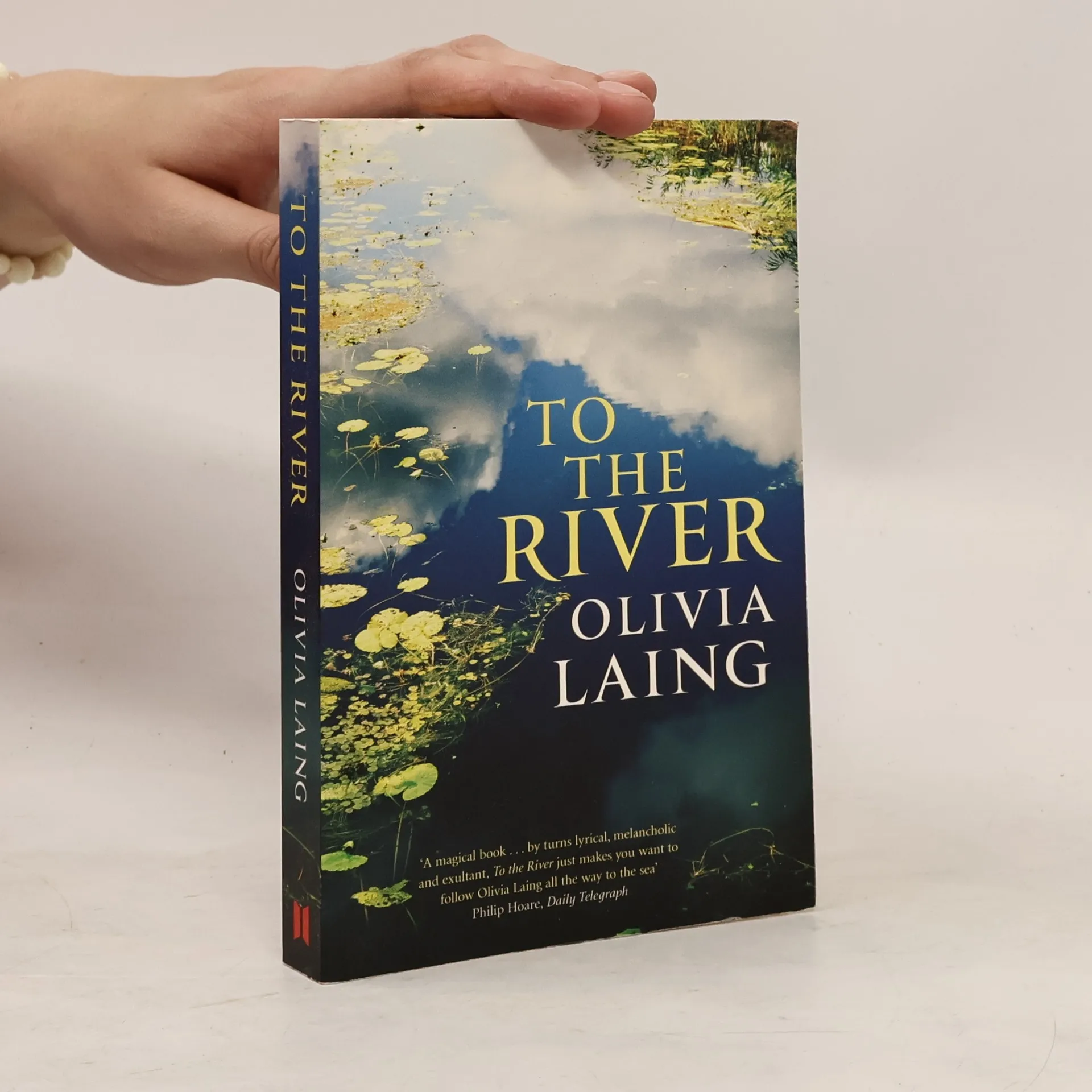
To the River is the story of the Ouse, the Sussex river in which Virginia Woolf drowned in 1941. One midsummer week over sixty years later, Olivia Laing walked Woolf's river from source to sea. The result is a passionate investigation into how history resides in a landscape - and how ghosts never quite leave the places they love. Along the way, Laing explores the roles rivers play in human lives, tracing their intricate flow through literature and mythology alike. To the River excavates all sorts of stories from the Ouse's marshy banks, from the brutal Barons' War of the thirteenth century to the 'Dinosaur Hunters', the nineteenth-century amateur naturalists who first cracked the fossil code. Central among these ghosts is, of course, Virginia Woolf herself: her life, her writing and her watery death. Woolf is the most constant companion on Laing's journey, and To the River can be read in part as a biography of this extraordinary English writer, refracted back through the river she loved. But other writers float through these pages too - among them Iris Murdoch, Shakespeare, Homer and Kenneth Grahame, author of the riverside classic The Wind in the Willows. The result is a wonderfully discursive read - which interweaves biography, history, nature writing and memoir, driven by Laing's deep understanding of science and cultural history. It's a beautiful, lyrical work that marks the arrival of a major new writer.