
Bookbot

Francesco M. Cataluccio Libri

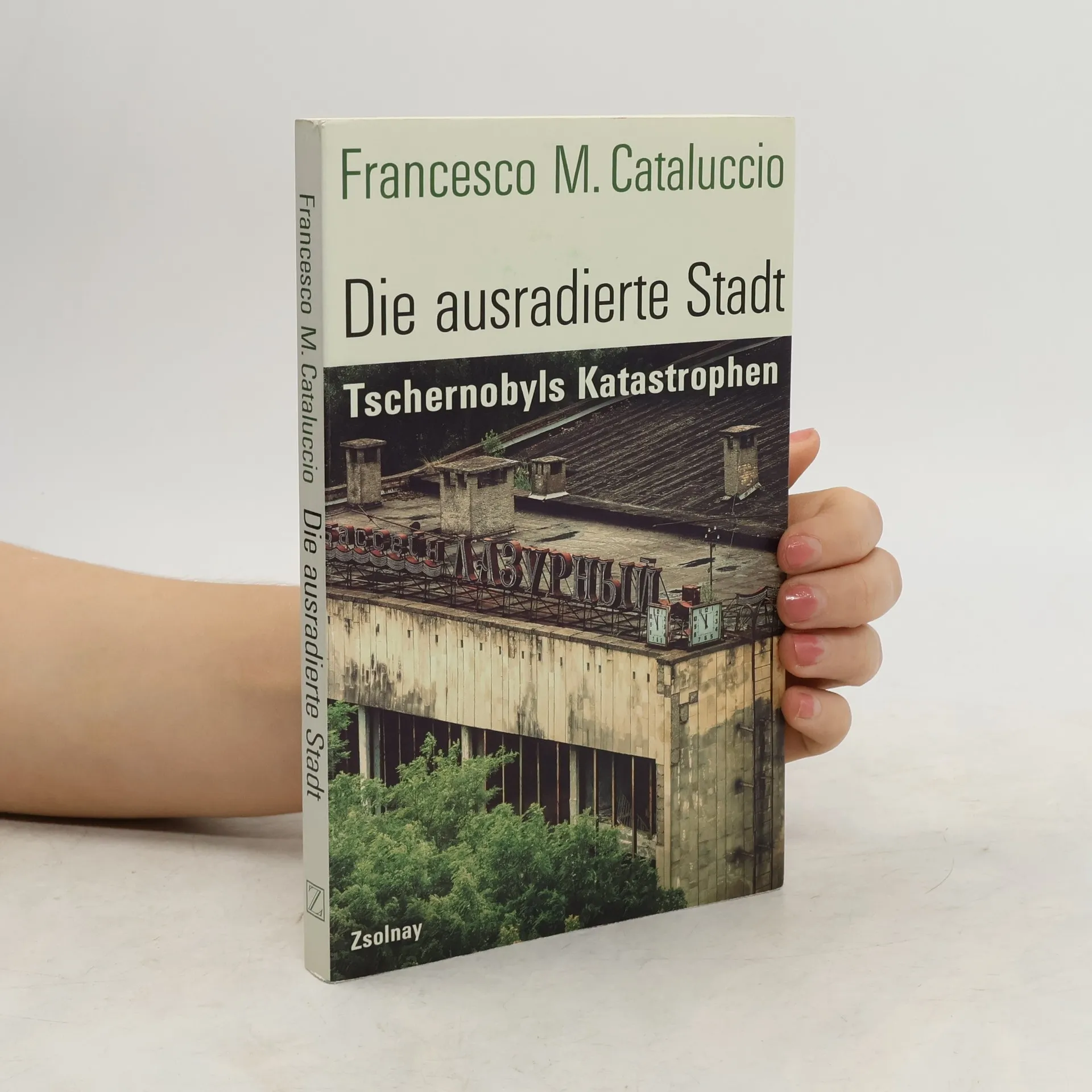
    Die ausradierte Stadt
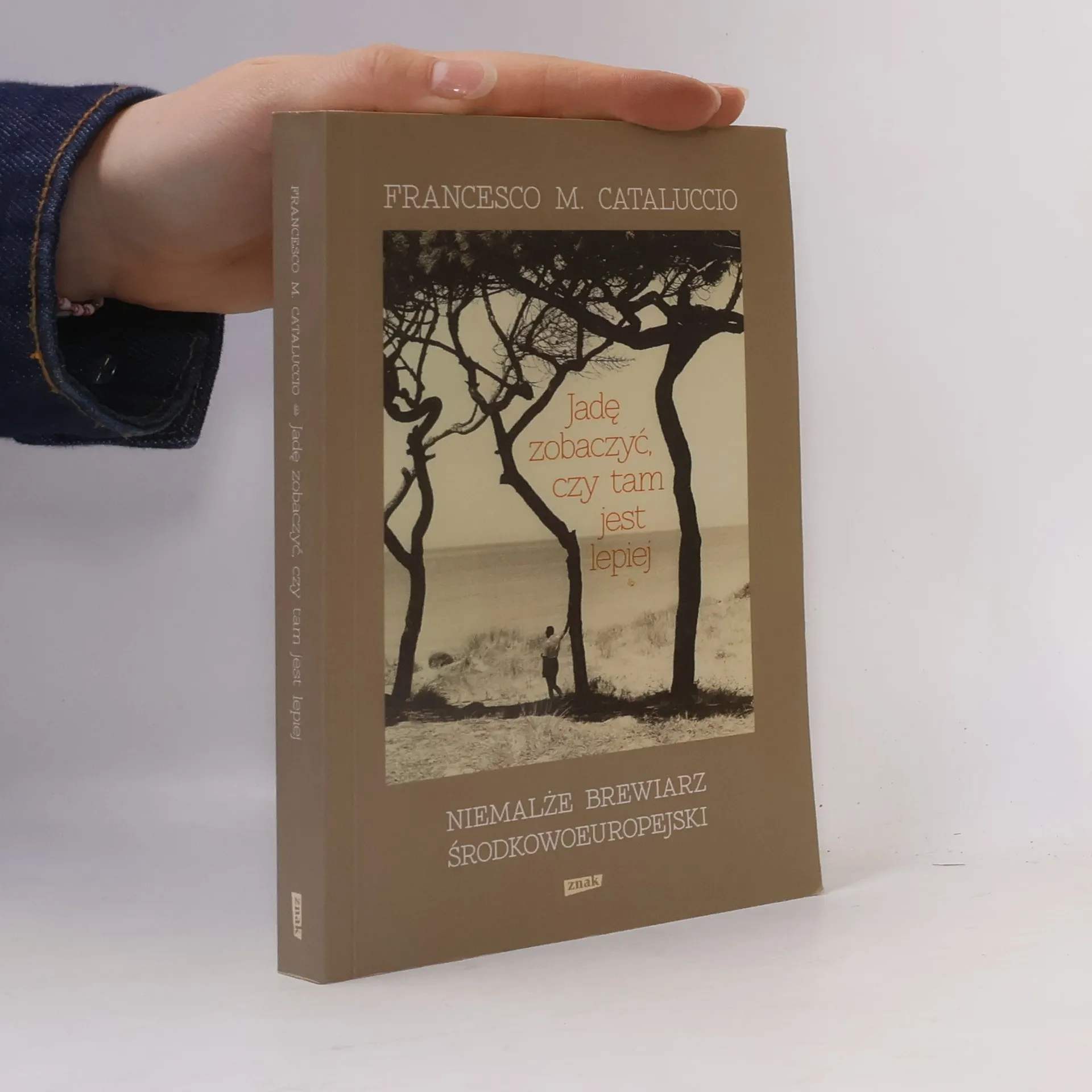
    Jadę zobaczyć, czy tam jest lepiej
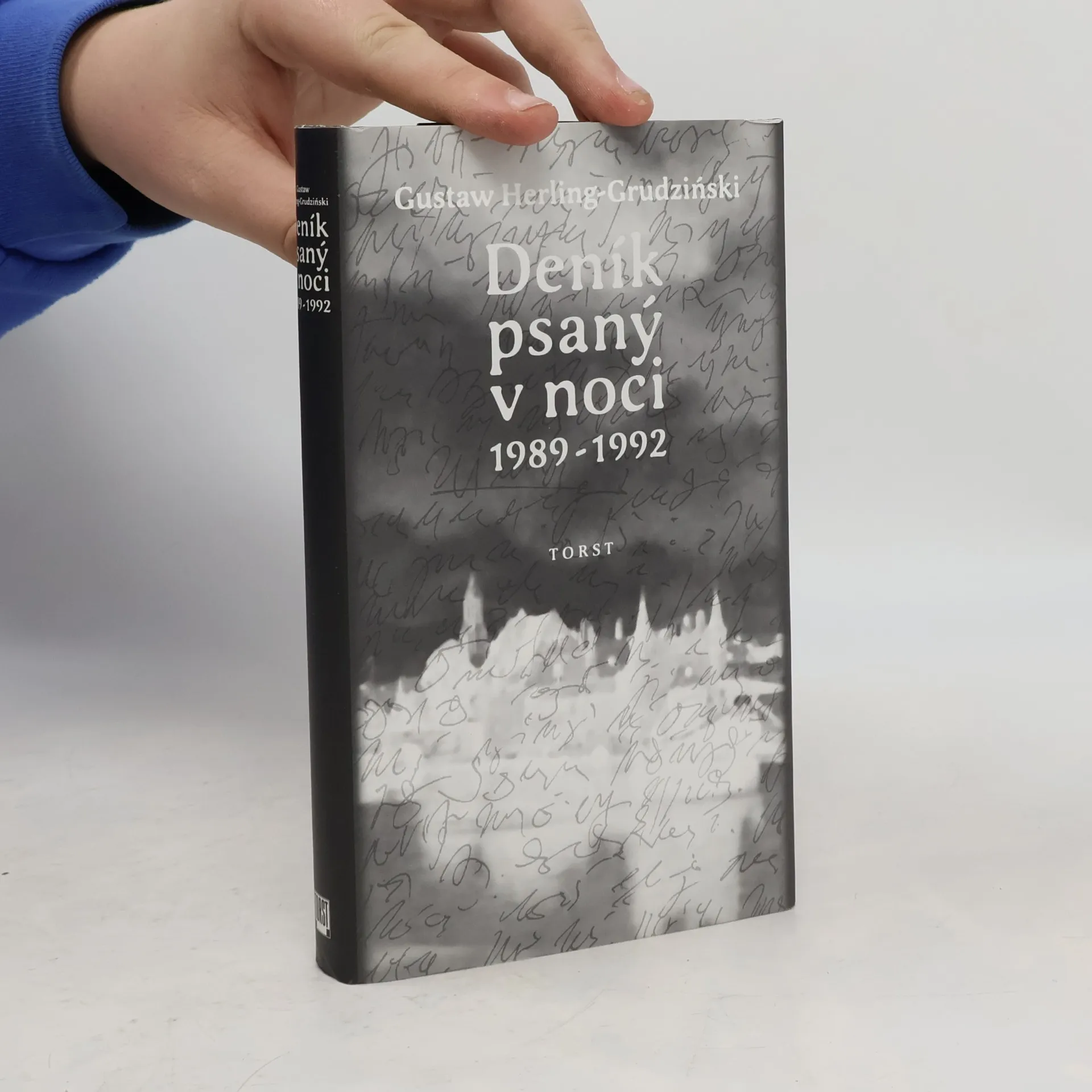
    Deník psaný v noci : 1989-1992
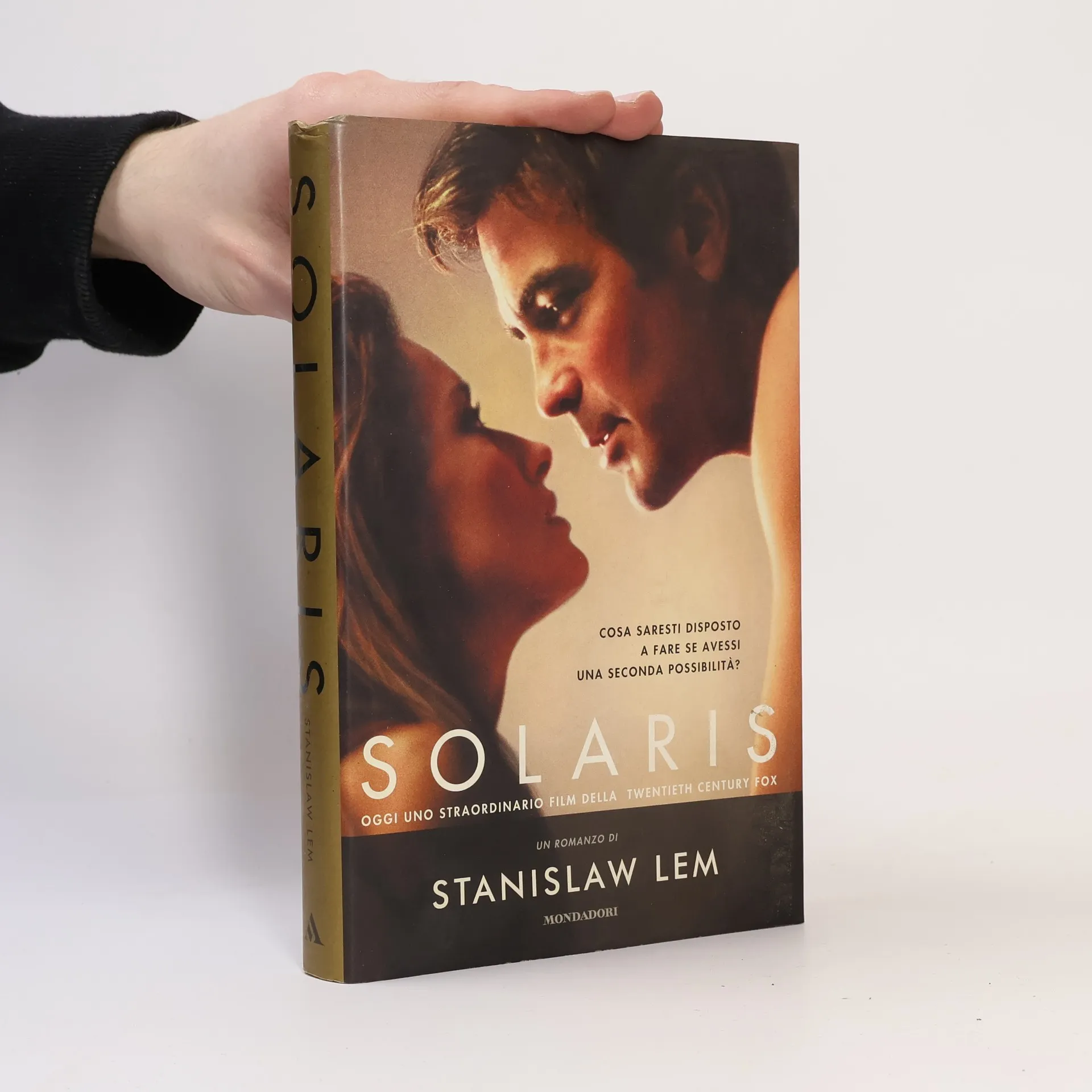
    Solaris
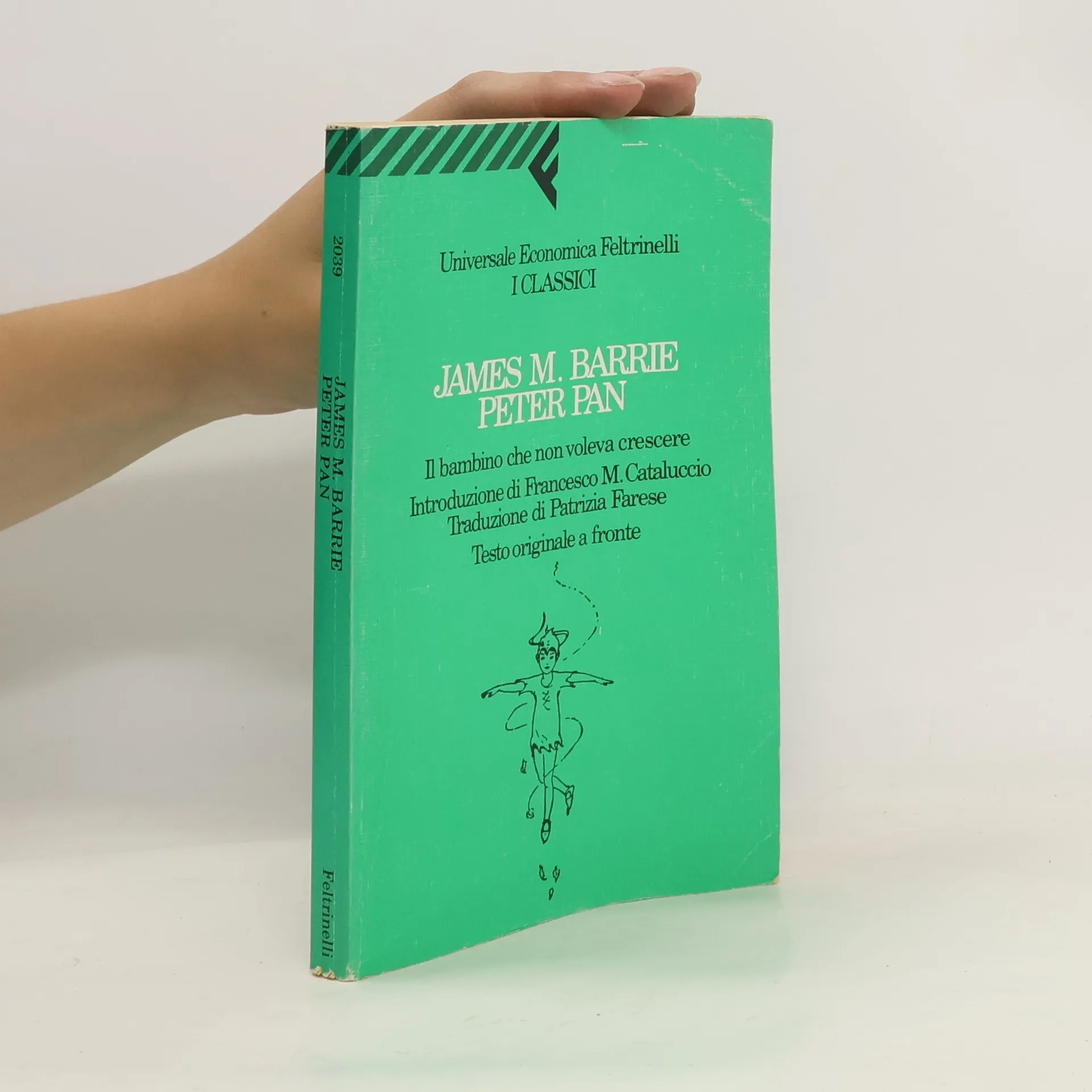
    I Classici: Peter Pan
    • I Classici: Peter Pan

      Il bambino che non voleva crescere

      • 208pagine
      • 8 ore di lettura

      This beloved story features Peter, Wendy, Michael, John, Capt. Hook, Smee, the lost boys, pirates, and Tinker Bell in their adventures in Never Land. For the first time, the play is restored to Barrie's original intentions. John Caird explains the revisions made, noting the absence of a single document titled PETER PAN and the discovery of various versions, each with delightful surprises. Significant alterations include the introduction of a new character, the Storyteller, who represents the author himself. Barrie's distinctive authorial tone enriches the narrative, conveyed through both dialogue and his unique stage directions. His whimsical, ambiguous, and ironic style resonates with both adults and children. Many complex themes are better understood when Barrie's commentary is heard alongside the characters' voices. This approach allows for a brief prologue that provides essential background on the Darling family and extends the narrative at the play's conclusion to include Barrie's poignant ending to Peter and Wendy's tale.
      I Classici: Peter Pan
      3,8
    • Solaris

      • 226pagine
      • 8 ore di lettura

      A classic work of science fiction by renowned Polish novelist and satirist Stanislaw Lem. When Kris Kelvin arrives at the planet Solaris to study the ocean that covers its surface, he finds a painful, hitherto unconscious memory embodied in the living physical likeness of a long-dead lover. Others examining the planet, Kelvin learns, are plagued with their own repressed and newly corporeal memories. The Solaris ocean may be a massive brain that creates these incarnate memories, though its purpose in doing so is unknown, forcing the scientists to shift the focus of their quest and wonder if they can truly understand the universe without first understanding what lies within their hearts.

      Solaris
      3,8
    • Deník psaný v noci : 1989-1992

      • 336pagine
      • 12 ore di lettura

      Polský spisovatel, žijící od padesátých let v Neapoli a známý u nás svým nedávno vydanými memoáry Jiný svět, je spolu s Czesławem Miłoszem a Witoldem Gombrowiczem nejvýznamnějším polským autorem poválečného exilu i celé moderní polské literatury. V Polsku je dnes považován za klasika. Jeho Deník psaný v noci je strhující četbou spojující napínavé povídky se středověkou tematikou, pronikavé eseje o výtvarném umění, reflexi moderní literatury, aktuální společenské a politické úvahy a osobní zamyšlení o domově a exilu.

      Deník psaný v noci : 1989-1992
      4,8
    • Jadę zobaczyć, czy tam jest lepiej

      Niemalże brewiarz środkowoeuropejski

      • 348pagine
      • 13 ore di lettura

      Erudycja Cataluccia zdumiewa. Trudno sobie wyobrazić innego "człowieka Zachodu", który umiałby tak głęboko wniknąć w sprawy polskie, tak świetnie się w nich orientować, tak głęboko rozumieć naszą literaturę, kulturę, mentalność - a wiedza ta dotyczy także Czechów, Rosjan, Ukraińców, Litwinów, Żydów, Serbów. Cataluccio dzieli się wspomnieniami o tym, jak z Kapuścińskim włóczyli się całymi dniami po Buenos Aires śladami Gombrowicza, z Hrabalem pili w Pradze piwo "U zlateho tygra", z Pawłem Hertzem odnaleźli zapomniany grób Stanisława Brzozowskiego we Florencji, opowiada, jak zachwycał się z Brodskim obrazem Guardiego w weneckiej Galleria dell' Accademia, zaś w Luwrze obrazem Apollo i Marsjasz Perugina ze Zbigniewem Herbertem. O każdym z poznanych przez siebie twórców potrafi powiedzieć coś istotnego, wzbogacającego jego portret, co sprawia, że patrzymy na nich z jeszcze innej perspektywy.

      Jadę zobaczyć, czy tam jest lepiej
    • Die ausradierte Stadt

      Tschernobyls Katastrophen

      • 160pagine
      • 6 ore di lettura

      Für die meisten steht Tschernobyl für das Kernkraftwerk in der Ukraine, in dem sich 1986 im damaligen Russland der schwerste atomare Unfall der Geschichte ereignete. Doch jene Katastrophe ist nur einer von vielen Schicksalsschlägen, die diese geschichtsträchtige Region erleiden musste: von den endlosen Kriegen zwischen Polen, Ukrainern und Russen bis zur Vertreibung der jüdischen Bevölkerung, die hier ihr wichtigstes chassidisches Zentrum hatte. Der Slawist Francesco M. Cataluccio, damals in Warschau hautnah am Geschehen, reist fünfundzwanzig Jahre später in die „Verbotene Zone“ Tschernobyls. „Die ausradierte Stadt“ ist eine Reisereportage und archäologische Erkundung zugleich - vor allem aber ein Buch über die Entwurzelung in Mitteleuropa.

      Die ausradierte Stadt